
In the rapidly evolving landscape of digital finance, certain applications emerge not merely as tools, but as transformative platforms that redefine how individuals interact with their money. Among these, Cash App stands as a prominent example, transc transcending its initial role as a simple peer-to-peer payment service to become a multifaceted financial technology hub. Understanding “what Cash App is” requires an examination of its technological architecture, its array of integrated features, and its strategic positioning within the broader fintech ecosystem. It is an application engineered to democratize access to financial services, leveraging mobile technology to empower users with speed, convenience, and a suite of digital capabilities traditionally reserved for more complex financial institutions.

The Genesis of a Mobile Payment Revolution
Cash App, developed by Block, Inc. (formerly Square, Inc.), launched in 2013, entering a burgeoning market for mobile payment solutions. Its initial premise was elegantly simple: to facilitate instant, free peer-to-peer (P2P) money transfers using just a smartphone. This core functionality, however, was merely the cornerstone of an ambitious technological roadmap designed to integrate a wider array of financial services directly into a user-friendly mobile application. The app’s success lies in its ability to abstract away the complexities of traditional banking infrastructure, presenting a streamlined interface for sophisticated financial operations.
Redefining Peer-to-Peer Transactions
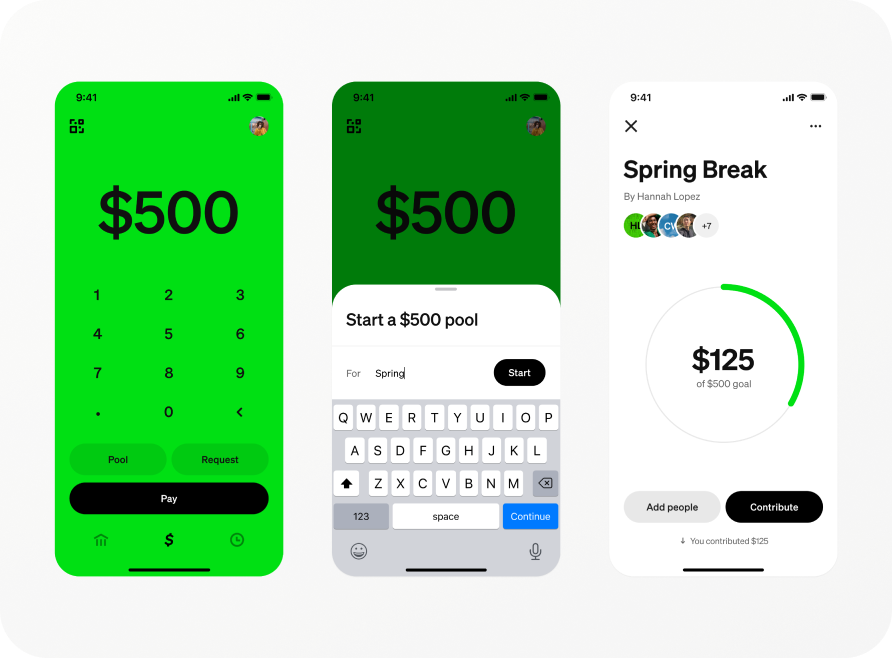
At its heart, Cash App is a highly efficient P2P payment system. Users can send and receive money from friends, family, or even businesses with just a few taps. The underlying technology behind this convenience involves secure data encryption, robust server architecture, and efficient transaction processing protocols. Each user is assigned a unique identifier, often a $Cashtag, which simplifies transfers by eliminating the need for sensitive bank account numbers or lengthy email addresses. This system leverages direct integration with bank accounts and debit cards, orchestrating rapid transfers that often clear within minutes, a stark contrast to the multi-day waits sometimes associated with traditional bank transfers. The technical challenge of ensuring both speed and security for millions of concurrent transactions is met through advanced cloud computing infrastructure and real-time fraud detection algorithms that continuously monitor activity for anomalies.
The App as an Integrated Financial Hub
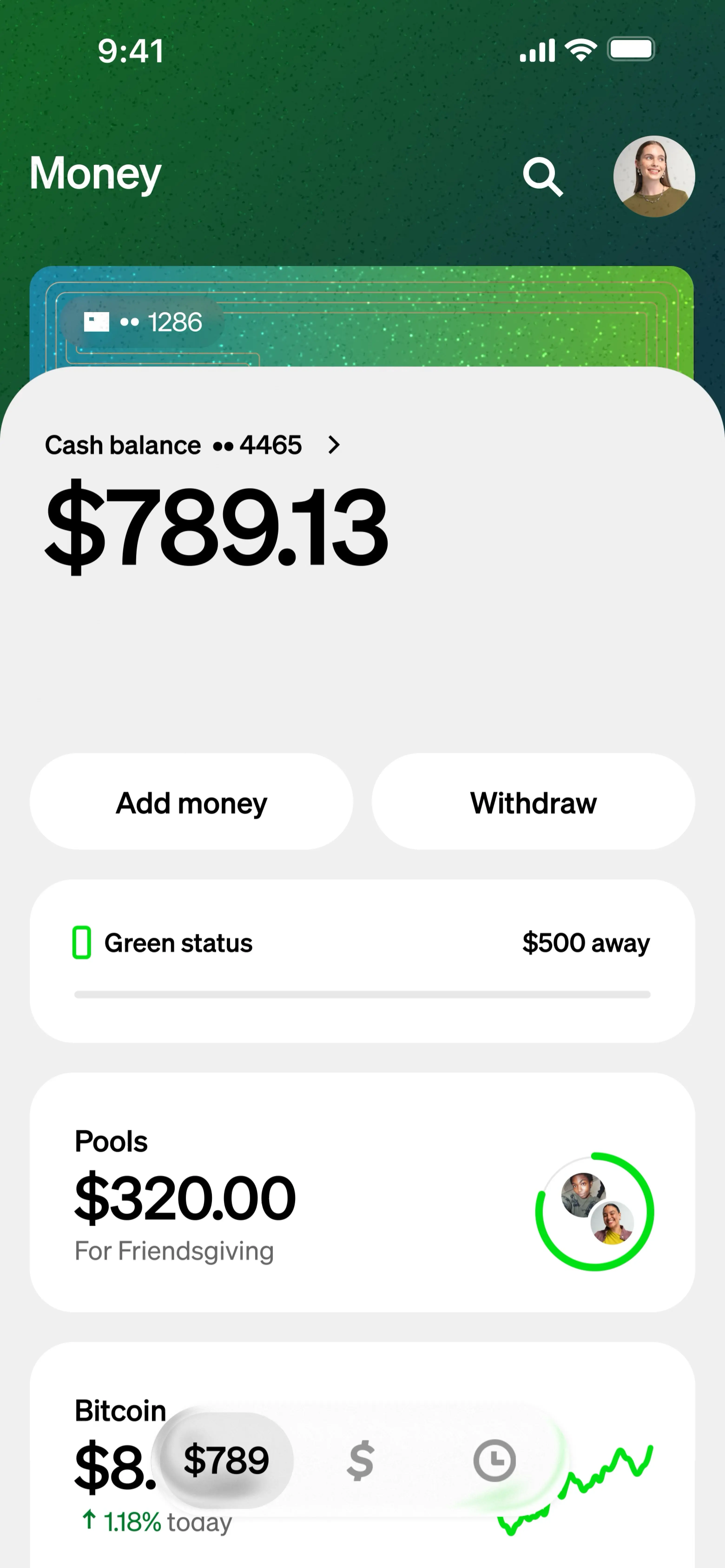
Beyond P2P payments, Cash App quickly evolved into an integrated financial hub. This expansion wasn’t merely about adding features, but about creating an ecosystem where various financial needs could be met within a single application interface. This required significant architectural planning to ensure seamless integration of disparate services—from banking functionalities to investment platforms—without compromising performance or security. The app acts as a digital wallet, allowing users to store funds directly within the application, which can then be used for transactions, linked to a physical debit card, or invested. This consolidation represents a significant technological feat, as it necessitates interoperability between various financial APIs and rigorous data synchronization to maintain account accuracy across all linked services.
Core Technological Offerings: Beyond Simple Transfers
Cash App’s true technological prowess is demonstrated by its diverse feature set, each designed as a distinct yet integrated module within the overarching application architecture. These features transform the app from a mere payment tool into a comprehensive digital finance platform.
The Versatility of the Cash Card
The Cash Card is a prime example of Cash App’s technological integration with traditional financial networks. It’s a customizable, physical Visa debit card directly linked to a user’s Cash App balance. From a technological standpoint, this involves the app acting as a digital front-end for a backend banking service (facilitated by partner banks) that issues and manages the debit card. Transactions made with the Cash Card are instantly reflected in the app, leveraging real-time data synchronization between the card network, the partner bank, and Cash App’s servers. This seamless digital-to-physical bridge extends the app’s utility beyond online transactions, enabling point-of-sale purchases and ATM withdrawals, all managed and tracked within the app’s intuitive interface.
Streamlined Direct Deposit Functionality
Cash App’s direct deposit feature allows users to receive paychecks, tax refunds, and other payments directly into their Cash App balance. This functionality is achieved by providing users with unique routing and account numbers, effectively giving them a digital bank account number within the app. The technology involved here bridges the gap between traditional automated clearing house (ACH) network transactions and the mobile app environment. Cash App’s systems are designed to process these incoming transfers efficiently, ensuring that funds are available to users promptly. This integration required significant development to comply with banking regulations and to ensure secure data exchange with payroll providers and other financial institutions, making the app a viable alternative or supplement to traditional bank accounts for many users.
In-App Investment Platforms: Stocks and Bitcoin
Perhaps one of Cash App’s most significant technological leaps is its integration of investment platforms for stocks and Bitcoin. This innovation democratized access to financial markets by embedding trading functionalities directly into a familiar mobile payment app. For stocks, Cash App acts as a brokerage platform, allowing users to buy and sell fractional shares of publicly traded companies. This involves sophisticated backend integrations with market data providers, trading execution platforms, and regulatory compliance systems. Similarly, its Bitcoin trading feature enables users to buy, sell, and store cryptocurrency within the app. This requires secure wallet management technology, real-time cryptocurrency exchange data feeds, and robust blockchain interaction protocols. The genius lies in presenting these complex financial instruments through a simplified user interface, abstracting the underlying technological and market complexities.
Innovative User Incentives: The “Boosts” Mechanism
Cash App’s “Boosts” feature is an innovative loyalty program, representing a dynamic application of software logic to reward user engagement. Boosts offer instant discounts at specific merchants when users pay with their Cash Card. Technologically, this involves real-time transaction analysis: when a Cash Card payment is processed, Cash App’s system instantaneously checks if the transaction qualifies for an active Boost and applies the discount before the final charge is settled. This requires high-speed data processing and integration with point-of-sale systems or merchant APIs to apply the discount in real-time. It’s a sophisticated example of how software can create dynamic, personalized rewards directly integrated into the payment experience.
Architecting Security and User Trust
In the realm of financial technology, security is paramount. Cash App invests heavily in sophisticated technological measures to protect user data and financial assets, ensuring the integrity and confidentiality of every transaction and piece of personal information.
Multi-Layered Encryption and Fraud Detection
Cash App employs state-of-the-art encryption technologies across its platform. All data transmitted between the user’s device and Cash App’s servers is encrypted using industry-standard protocols (e.g., TLS/SSL). This safeguards sensitive information, such as payment details and personal identifiers, from interception. Complementing encryption are advanced fraud detection systems powered by machine learning and artificial intelligence. These systems continuously analyze transaction patterns and user behavior in real-time, identifying unusual activities or potential threats. By flagging suspicious transactions before they complete, these algorithms play a critical role in preventing financial fraud and unauthorized access.
User Authentication and Data Privacy Protocols
User authentication is a cornerstone of Cash App’s security framework. The app supports multi-factor authentication (MFA), requiring users to verify their identity through more than one method (e.g., password combined with a code sent to their phone or fingerprint/face ID). This significantly reduces the risk of unauthorized account access, even if a password is compromised. Furthermore, Cash App adheres to stringent data privacy protocols, designed to comply with global regulations and protect user information. Data minimization principles are applied, meaning only necessary data is collected, and access to this data is tightly controlled through role-based access controls and robust audit trails, ensuring that user privacy is maintained at every level of the system.
Proactive Threat Intelligence
Cash App’s security posture is not just reactive; it is proactive. The security team constantly monitors for emerging threats and vulnerabilities, leveraging threat intelligence feeds and collaborating with cybersecurity experts. Regular security audits, penetration testing, and vulnerability assessments are conducted to identify and patch potential weaknesses in the application’s code and infrastructure. This continuous improvement cycle ensures that Cash App’s security measures evolve to counter increasingly sophisticated cyber threats, maintaining a resilient and secure environment for its users.
Cash App’s Place in the Fintech Ecosystem
Cash App’s technological innovations have not only reshaped individual financial habits but also exerted a significant influence on the broader fintech ecosystem. Its integrated model and user-centric design have set new benchmarks for mobile finance applications.
Disrupting Traditional Banking Models
By offering features like direct deposit and a debit card without the overhead of physical branches, Cash App has demonstrated how technology can challenge traditional banking models. It provides a lean, digital-first alternative that appeals particularly to younger demographics and those who are underserved by conventional financial institutions. This disruption isn’t just about convenience; it’s about leveraging technology to reduce operational costs, which can translate into fewer fees for users and greater accessibility to essential financial services. The app’s ability to offer investment opportunities for fractional shares and Bitcoin further blurs the lines between traditional banking, brokerage, and nascent digital asset platforms.
Competitive Landscape and Feature Differentiation
In a crowded market alongside competitors like Venmo and PayPal, Cash App differentiates itself through its aggressive feature expansion and integrated approach. While many competitors focus primarily on P2P payments, Cash App’s seamless integration of a physical debit card, direct deposit capabilities, and investment options within a single app provides a more holistic financial experience. From a technological perspective, this requires a more complex, unified architecture compared to apps that specialize in only one or two functions. Its $Cashtag system, for instance, offers a distinctive social element that simplifies transactions and promotes virality, showcasing how user-centric design and technical implementation can create a unique market position.
Scalability and Infrastructure
The rapid growth in Cash App’s user base necessitates a highly scalable and robust technological infrastructure. The platform must be capable of processing millions of transactions simultaneously, handling peak loads without performance degradation, and expanding its services globally. This relies on modern cloud-native architectures, microservices design patterns, and efficient database management systems. Continuous deployment practices and automated testing ensure that new features can be rolled out rapidly and reliably, maintaining a competitive edge in the fast-paced fintech industry.
The Future Trajectory of Mobile Finance Platforms
The evolution of Cash App offers a glimpse into the future of mobile finance. As technology continues to advance, we can expect even greater integration, personalization, and new digital asset functionalities within similar platforms.
AI-Driven Personalization
Future iterations of Cash App and similar platforms are likely to leverage advanced artificial intelligence and machine learning to offer highly personalized financial insights and services. This could include AI-powered budgeting tools that learn spending habits, predictive analytics for investment opportunities, or hyper-personalized “Boosts” based on individual preferences and financial goals. The technology behind this would involve sophisticated data aggregation, real-time analytics, and advanced recommendation engines, making the app an even more intelligent and proactive financial assistant.
Expansion into New Digital Asset Classes
Given its pioneering role in Bitcoin trading, Cash App is well-positioned to expand its offerings into other digital asset classes, including a broader range of cryptocurrencies and potentially non-fungible tokens (NFTs). This would require developing secure wallet infrastructure for diverse blockchain networks, integrating with various decentralized finance (DeFi) protocols, and navigating evolving regulatory landscapes. The technological challenges lie in ensuring interoperability, maintaining high levels of security for novel asset types, and simplifying complex blockchain interactions for the average user.
Interoperability and Open Banking
The future of mobile finance also points towards greater interoperability and the adoption of open banking principles. Cash App could further integrate with external financial services and APIs, allowing users more control over their financial data and fostering a more connected digital finance ecosystem. This would necessitate robust API management, standardized data exchange protocols, and stringent data security frameworks to enable seamless and secure interaction with other financial applications and services, positioning Cash App not just as an app, but as a pivotal node in a larger financial network.
In conclusion, Cash App is far more than just an application for sending money. It is a testament to the power of financial technology to innovate, disrupt, and empower. Its success stems from a foundational commitment to robust engineering, secure infrastructure, and a user-centric design philosophy that continually integrates diverse financial services into a single, accessible mobile platform. As it continues to evolve, Cash App remains a key player in shaping the technological future of personal finance, pushing the boundaries of what a mobile application can achieve in the world of money.
aViewFromTheCave is a participant in the Amazon Services LLC Associates Program, an affiliate advertising program designed to provide a means for sites to earn advertising fees by advertising and linking to Amazon.com. Amazon, the Amazon logo, AmazonSupply, and the AmazonSupply logo are trademarks of Amazon.com, Inc. or its affiliates. As an Amazon Associate we earn affiliate commissions from qualifying purchases.