
Selling a car is more than just parting with a vehicle; it’s a critical financial decision that can significantly impact your personal wealth. The choice of where to list your car for sale can dictate not only the speed of the transaction but, more importantly, the net financial return you receive. In a fluctuating market, understanding the financial implications of each selling venue—from online marketplaces to traditional dealerships—is paramount to maximizing your profit and minimizing your exposure to risk. This comprehensive guide delves into the various avenues available, viewed through the lens of personal finance, helping you make an informed, lucrative decision.

I. Online Marketplaces: Balancing Reach with Cost-Effectiveness
Digital platforms have revolutionized how we buy and sell goods, and cars are no exception. Online marketplaces offer unparalleled reach, connecting sellers with a vast pool of potential buyers across geographical boundaries. However, the financial strategies for leveraging these platforms effectively require careful consideration of listing fees, market exposure, and transaction security.
A. Free & Low-Cost Classifieds: Maximizing Net Gain on a Budget
Platforms like Craigslist, Facebook Marketplace, and local online forums offer the undeniable advantage of free or very low-cost listings. From a financial perspective, this directly translates to a higher potential net gain, as you avoid significant upfront advertising expenses.
- Cost-Benefit Analysis: The primary benefit is zero or minimal financial outlay, making them attractive for sellers prioritizing maximum profit retention. However, this cost-saving comes with potential trade-offs, such as a broader range of inquiries, including less serious buyers or even scammers. Diligence in screening prospects and securing payment is crucial to avoid financial pitfalls.
- Targeting Local Markets: While these platforms offer broad reach, their strength often lies in connecting with local buyers. This can reduce transportation costs and logistics associated with a sale, directly impacting your final profit margin. Ensure your asking price reflects local market conditions to attract serious local interest.
- Security and Financial Prudence: Given the less regulated nature of some free platforms, protecting your financial interests is paramount. Always meet in a safe, public place for viewings, never share sensitive financial information, and insist on secure payment methods like cashier’s checks from reputable banks (verified with the issuing bank) or direct bank transfers, avoiding cash transactions for large sums if possible due to counterfeiting risks.
B. Specialized Automotive Listing Sites: Investing in Targeted Exposure
Platforms such as Autotrader, CarGurus, eBay Motors, and Kelley Blue Book (KBB) offer more specialized services for car sales. These typically involve listing fees, which vary based on duration, features, and visibility enhancements.
- Evaluating Listing Fees vs. Buyer Quality: While these sites come with a price tag, the investment often pays off in terms of buyer quality. These platforms attract individuals specifically looking to purchase a vehicle, often with a clear budget and intention. Financially, this means a higher likelihood of a quick sale at a fair market value, potentially reducing the time your capital is tied up in the vehicle. The fees are an investment in a more efficient and potentially more profitable sales process.
- Leveraging Valuation Tools and Market Data: Many specialized sites offer integrated valuation tools (e.g., KBB Instant Cash Offer, Black Book data). Utilizing these tools provides a data-driven foundation for pricing your vehicle, ensuring it’s competitive yet reflective of its true market value. Accurate pricing is a cornerstone of a financially successful sale, preventing undervaluation or overpricing that deters serious buyers.
- Premium Features and ROI: Consider premium listing options that offer enhanced visibility, more photos, or featured placements. Evaluate these extra costs against the potential for a faster sale or a higher selling price. A quicker sale might mean less depreciation over time and a faster return on your asset, justifying a higher listing investment.
II. Dealership Options: Convenience Versus Capital Retention
For many, the thought of privately selling a car—dealing with inquiries, test drives, and negotiations—is daunting. Dealerships offer convenient alternatives, but these come with distinct financial trade-offs that sellers must carefully weigh.
A. Trade-Ins: The Immediate, Though Often Less Profitable, Exchange
Trading in your car at a dealership when purchasing a new one is arguably the most convenient selling method. The transaction is seamless, handling both the sale of your old car and the purchase of your new one simultaneously.
- Financial Impact on New Car Purchase: While you typically receive less for a trade-in compared to a private sale, the financial benefit often comes in the form of reduced sales tax on your new vehicle (in states where sales tax is applied to the net difference after trade-in). This tax saving can partially offset the lower trade-in value, making the effective difference less stark.
- Time Value of Money and Opportunity Cost: Trading in avoids the time and effort invested in a private sale. For busy individuals, the opportunity cost of their time might make the lower trade-in value acceptable. It also provides immediate liquidity, freeing up capital without delay.
- Negotiating Strategies: Always know your car’s trade-in value before approaching a dealership. Use resources like KBB or Edmunds. While the trade-in value is negotiable, dealerships need to factor in reconditioning costs and profit margins. Focus on the “out-the-door” price of your new car, factoring in both the trade-in and the new car’s price, rather than just the trade-in value in isolation.
B. Consignment Sales: Professional Selling with a Commission
Some dealerships or specialized consignment lots offer to sell your car on your behalf for a commission. This option marries the convenience of a dealership sale with the potential for a higher selling price closer to private market value.
- Commission Structures and Net Proceeds: Understand the consignment agreement thoroughly, particularly the commission rate (which can be a percentage of the sale price or a fixed fee) and any additional charges for detailing, marketing, or storage. Calculate your potential net proceeds carefully, factoring in the likely selling price range and all associated fees.
- Market Exposure and Expertise: Consignment offers professional marketing, secure storage, and access to the dealer’s existing customer base. Their sales expertise and ability to offer financing or warranties to buyers can lead to a quicker sale at a better price than you might achieve privately. This can be a financially sound choice if your car is a niche or higher-value vehicle that benefits from professional presentation.
- Evaluating Contract Terms and Exit Clauses: Pay close attention to the contract’s duration, the agreed-upon minimum selling price (your bottom line), and any clauses regarding early termination or unsold vehicles. Ensure you retain control over the final sale price and understand how and when you will receive your funds after the sale.
III. Private Sales: Unlocking Maximum Value While Mitigating Risks
Selling your car directly to another individual often yields the highest financial return. By cutting out the middleman (dealerships or online platforms with high fees), you retain a larger portion of the sale price. However, this path demands more effort and a keen understanding of financial protection.
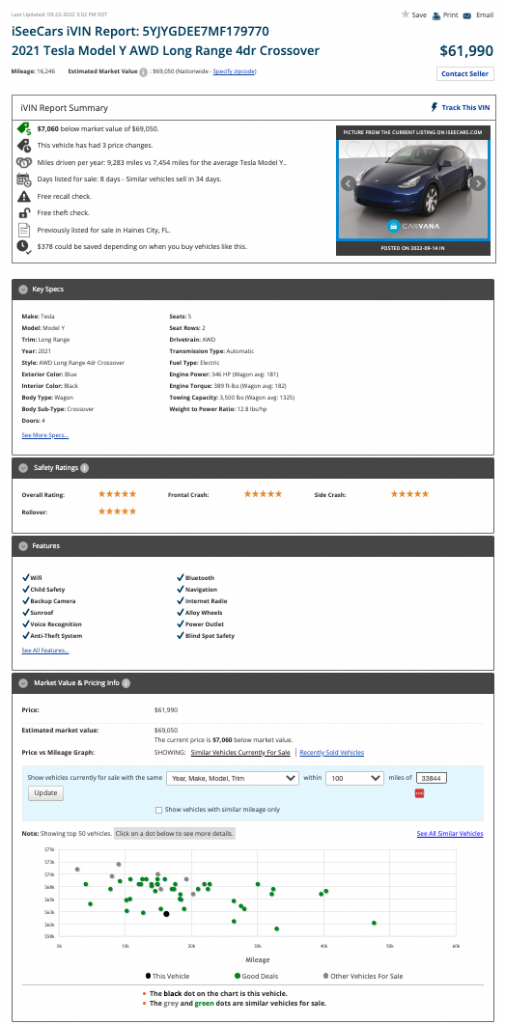
A. Researching Market Value: The Foundation of a Profitable Sale
Accurate pricing is the single most important factor in a successful private sale. Overprice, and your car will linger; underprice, and you leave money on the table.
- Leveraging Financial Data Tools: Utilize online valuation tools like Kelley Blue Book (KBB), Edmunds, and NADAguides to get a comprehensive estimate of your car’s market value. Consider factors such as mileage, condition, optional features, and local market demand. These tools provide data-driven insights that empower you to set a competitive yet profitable price.
- Competitive Analysis: Browse comparable listings in your area on various platforms. Observe how similar vehicles are priced and how quickly they sell. This competitive analysis helps refine your asking price, positioning your car optimally in the market.
- Documenting Value-Adding Features: Compile a comprehensive list of your car’s maintenance records, recent repairs, and any upgrades. These documents provide tangible proof of your car’s value and can justify a higher asking price, instilling buyer confidence and reducing negotiation friction.
B. Negotiating for Value: Strategies to Secure Your Asking Price
Negotiation is an art, and in a private car sale, it directly impacts your financial outcome. Approaching it strategically can help you achieve your desired price.
- Setting a Negotiation Range: Always price your car slightly above your absolute minimum acceptable price. This creates a buffer for negotiation, allowing you to “give” a little without compromising your financial bottom line. Know your absolute lowest acceptable offer and be prepared to walk away if it’s not met.
- Highlighting Financial Benefits for the Buyer: Frame your car’s attributes in terms of financial benefits for the buyer (e.g., “excellent fuel economy translates to lower running costs,” “recent tire replacement saves you hundreds”). This shifts the focus from simply the asking price to the long-term value proposition.
- Handling Objections and Counteroffers: Be prepared for common objections regarding price, condition, or perceived flaws. Counter with facts, maintenance records, and reiterate the value. Stay firm but polite, demonstrating your knowledge of the car’s worth. A confident negotiation often leads to a better financial result.
C. Safeguarding Transactions: Protecting Your Financial Interest
The final step in a private sale—receiving payment and transferring ownership—is where financial risk is highest. Vigilance is critical.
- Secure Payment Methods: Insist on secure payment methods. A verified cashier’s check from a reputable local bank (call the bank directly to verify funds before releasing the car and title) or an electronic bank transfer are generally the safest options. Avoid personal checks, money orders (which can be fraudulent), and large cash transactions if uncomfortable, as counterfeit money is a risk. Never release the car or title until funds are unequivocally cleared in your account.
- Transfer of Title and Legal Documentation: Understand your state’s requirements for title transfer, bill of sale, and release of liability. A comprehensive bill of sale, clearly stating “as-is” condition, the final sale price, and the date of sale, protects both parties. Promptly notify your DMV of the sale to remove your liability for the vehicle.
- Avoiding Scams: Financial Due Diligence: Be wary of buyers who offer more than your asking price, request payment for third-party services, or want to use unusual payment apps. These are common scam tactics designed to defraud sellers. Trust your instincts; if an offer seems too good to be true, it likely is. Prioritize financial security over a quick sale.
IV. Niche Platforms and Auction Houses: Specialized Financial Opportunities
Beyond the mainstream, certain vehicles might benefit from specialized listing approaches that cater to specific markets or conditions, potentially yielding a higher financial return for the right car.
A. Classic Car and Specialty Vehicle Auctions: Investing in Expertise
For antique, classic, or highly specialized vehicles, traditional dealerships or online classifieds may not capture their true value. Auction houses specializing in collector cars can provide access to dedicated buyers willing to pay a premium.
- Evaluating Auction Fees and Commissions: Auction houses typically charge both a seller’s commission (a percentage of the final hammer price) and potentially listing fees, transport costs, and reconditioning charges. Carefully calculate these fees to understand your potential net return. While high, these fees are an investment in reaching a niche, affluent market.
- Market Valuation and Appraisal: For specialty vehicles, professional appraisal is critical to establish a realistic reserve price—the minimum price you’re willing to accept. This ensures your valuable asset isn’t sold below its worth.
- Global Reach for Unique Assets: Reputable auction houses often have a global reach, connecting your unique car with collectors worldwide. This expands the buyer pool significantly, potentially driving up the bidding and securing a higher financial outcome than local private sales.
B. Vehicle Wholesalers and Online Bidding Platforms: Quick Liquidation for Specific Needs
For sellers prioritizing speed and convenience over maximizing profit, wholesalers or platforms like “we buy junk cars” or some online bidding sites (e.g., dedicated dealer-only auctions accessible via third parties) offer rapid liquidation.
- Understanding the “Wholesale” Price: Wholesalers purchase vehicles at a lower price, allowing them to make a profit when reselling. This is a financially sound option if your primary goal is to quickly offload a car that might require significant repairs or if you simply need immediate cash without the hassle of a private sale. Accept that the financial return will be less than retail.
- Efficiency vs. Net Return: The trade-off here is clear: speed and minimal effort in exchange for a lower sale price. For vehicles nearing the end of their life, or those with significant mechanical issues, the cost of repairing them for a private sale might outweigh the potential profit, making a wholesale transaction financially rational.
- “As-Is” Transactions and Financial Risk Mitigation: These buyers typically purchase cars “as-is,” meaning you’re not responsible for any issues after the sale. This mitigates future financial liability, which can be a significant advantage for older or problematic vehicles.
V. Financial Best Practices for a Successful Car Sale
Regardless of where you choose to list your car, adhering to fundamental financial principles will safeguard your assets and optimize your returns.
A. Comprehensive Documentation and Transparency: Building Financial Trust
Presenting your car honestly and transparently builds trust, which can directly translate to a quicker sale at a better price.
- Detailed Expense Tracking: Keep meticulous records of all maintenance, repairs, and upgrades. These not only justify your asking price but also demonstrate responsible ownership, often increasing buyer confidence and willingness to pay. This also helps you calculate your total investment if you’re tracking capital gains/losses.
- Accurate Vehicle History Reports: Providing a CarFax or AutoCheck report (either purchased by you or offered by the buyer) upfront demonstrates transparency and can pre-empt questions, streamlining the financial negotiation process.
- High-Quality Visuals and Detailed Descriptions: Good photos and a thorough, accurate description highlighting features and condition are essential. They act as your initial financial proposal, attracting serious buyers and setting the right expectations.
B. Strategic Pricing and Negotiation: Optimizing Your Financial Outcome
Your pricing strategy and negotiation skills are critical determinants of your final profit.
- Dynamic Pricing: Be prepared to adjust your price based on market response. If your car isn’t generating interest, it might be overpriced. If you’re inundated with offers, you might have left money on the table. Monitor the market and be agile.
- Understanding Buyer Motivations: Tailor your negotiation tactics to the buyer. Are they looking for a deal, or is convenience their priority? Understanding their financial drivers can help you frame your offers effectively.
- “No Haggle” Pricing Considerations: For some, a firm “no haggle” price set at a competitive market rate can simplify the process and still yield a good return, especially if time is a significant factor.

C. Post-Sale Financial Management: Completing the Transaction Securely
The financial responsibilities don’t end when the buyer drives away.
- Verifying Funds and Transaction Confirmation: Double-check that all funds have cleared and are irrevocably in your account before releasing the title and keys.
- Notifying Relevant Authorities: Inform your local Department of Motor Vehicles (DMV) and your insurance company of the sale immediately. This officially transfers liability and ceases your financial responsibility for the vehicle, preventing potential issues like fines or accident claims against you.
- Keeping Records: Retain copies of the bill of sale, title transfer documents, and any communications related to the sale for your financial records and potential tax purposes.
In conclusion, successfully selling your car in today’s market demands a financially astute approach. By carefully evaluating the costs, benefits, risks, and potential returns of each listing venue, you can navigate the process with confidence, secure the best possible price, and ensure a smooth, financially sound transaction. Your car is an asset; manage its sale with the financial diligence it deserves.
aViewFromTheCave is a participant in the Amazon Services LLC Associates Program, an affiliate advertising program designed to provide a means for sites to earn advertising fees by advertising and linking to Amazon.com. Amazon, the Amazon logo, AmazonSupply, and the AmazonSupply logo are trademarks of Amazon.com, Inc. or its affiliates. As an Amazon Associate we earn affiliate commissions from qualifying purchases.