
Navigating the landscape of auto insurance can feel like a complex financial puzzle, yet for many, it represents a substantial recurring expense. Mastering strategies to reduce these costs without compromising essential coverage is a crucial component of sound personal finance. By meticulously examining policies, leveraging available discounts, and understanding market dynamics, individuals can significantly trim their annual insurance expenditures, freeing up capital for other financial goals. This guide delves into actionable methods to ensure you’re getting the best possible value from your auto insurance.
Understanding Your Current Policy and Needs
Before embarking on a quest for lower premiums, a thorough understanding of your existing policy and personal requirements is paramount. Many consumers pay for coverage they no longer need or are unaware of options that could save them money.

Reviewing Coverage Levels
One of the most direct ways to impact your premium is by adjusting your coverage levels. Auto insurance policies typically include several components: liability, collision, comprehensive, personal injury protection (PIP), and uninsured/underinsured motorist coverage.
- Liability Coverage: This is legally mandated in most states and covers damages you might cause to other drivers or their property. While state minimums exist, financial advisors often recommend carrying higher liability limits to protect your assets in the event of a serious accident. Striking a balance between protection and cost is key; assess your net worth and potential financial exposure.
- Collision Coverage: This pays for damages to your own vehicle resulting from a collision, regardless of fault. For older vehicles with low market value, the cost of collision coverage might outweigh the potential payout. If your car is worth less than a few thousand dollars, consider if paying hundreds annually for collision coverage is a wise financial decision. Calculate your car’s actual cash value and compare it to your annual premium plus deductible.
- Comprehensive Coverage: This covers non-collision events such as theft, vandalism, fire, natural disasters, and animal collisions. Similar to collision coverage, its value should be weighed against the car’s market value. If your vehicle is financed or leased, collision and comprehensive coverage are typically required by the lender.
- Optional Coverages: Consider whether you truly need extras like roadside assistance, rental car reimbursement, or gap insurance. While convenient, these add to your premium. If you have an AAA membership or a credit card with similar benefits, you might be duplicating coverage.
Regularly reassessing your vehicle’s value and your financial risk tolerance will help you make informed decisions about necessary coverage.
Assessing Your Deductible
The deductible is the amount you pay out-of-pocket before your insurance coverage kicks in for collision and comprehensive claims. Generally, a higher deductible translates to a lower premium, and vice-versa. This is a crucial financial decision.
- Financial Capacity: Evaluate your emergency fund. Could you comfortably afford a $1,000 or $1,500 deductible if an incident occurred? If you can, opting for a higher deductible can lead to significant annual savings on your premium.
- Claim Frequency: If you have a history of frequent minor claims, a lower deductible might seem appealing. However, making multiple small claims can also lead to increased premiums in the long run. It’s often financially prudent to use your insurance only for major incidents.
- Long-Term Savings: Calculate the annual savings you would realize by increasing your deductible. Over several years, these savings can accumulate substantially, offsetting the potential higher out-of-pocket cost should you need to file a claim.
Choosing the right deductible is a balancing act between managing immediate premium costs and preparing for potential future expenses.
Strategic Shopping and Comparison
One of the most powerful tools in your financial arsenal for saving on auto insurance is the willingness to shop around and compare offers from multiple providers. Loyalty discounts exist, but they rarely outweigh the savings found by switching providers.
The Power of Multiple Quotes
Insurance rates are not static; they vary widely between companies based on their underwriting algorithms, risk assessment, and business models. What one insurer considers high-risk, another might view differently.
- Annual Review: Make it a habit to obtain quotes from at least three to five different insurance companies annually, or whenever a significant life event occurs (e.g., buying a new car, getting married, moving).
- Online Comparison Tools: Utilize reputable online comparison websites, but also get direct quotes from insurers not listed on aggregators. Some companies offer exclusive rates directly through their websites or agents.
- Independent Agents: An independent insurance agent works with multiple carriers and can shop around on your behalf, often finding competitive rates and advising on the best policy for your specific needs.
- Be Thorough: When getting quotes, provide accurate and consistent information across all applications to ensure an apples-to-apples comparison. Slight discrepancies can lead to misleading quotes.
The time invested in comparison shopping often yields hundreds of dollars in annual savings, making it a highly efficient financial strategy.
Bundling Policies for Savings
Many insurance companies offer discounts to customers who purchase multiple policies from them, such as combining auto insurance with homeowners, renters, or life insurance. This “multi-policy discount” can be substantial, often ranging from 5% to 25% off your total premium.
- Consolidate Providers: Explore the possibility of moving all your insurance needs to a single provider. Request a bundled quote and compare it against the sum of your individual policies from different companies.
- Hidden Savings: While the primary motivation is often the discount, bundling can also simplify your financial life by consolidating billing and policy management under one roof.
- Evaluate Total Cost: Always compare the total cost of bundled policies versus separate policies, as sometimes an individual policy from a niche provider might still be cheaper, even without a bundle discount. It’s about optimizing the overall insurance expenditure.
Bundling is a straightforward financial tactic to leverage economies of scale within the insurance industry.
Leveraging Discounts and Driving Habits
Insurance companies offer a plethora of discounts, many of which go unclaimed simply because policyholders aren’t aware of them or don’t proactively ask. Furthermore, responsible driving habits are directly rewarded with lower rates.
Maximizing Available Discounts
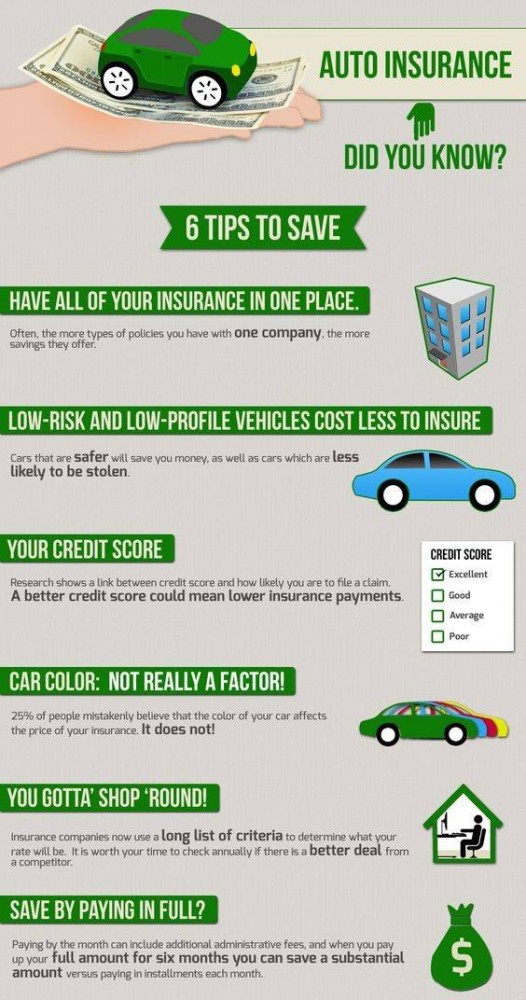
Discounts are a key lever for reducing premiums. Always inquire about every discount an insurer offers.
- Good Driver Discount: Typically offered to drivers who maintain a clean record for a specified period (e.g., three to five years) with no accidents or violations.
- Multi-Car Discount: If you insure more than one vehicle on the same policy, you’re likely eligible.
- Good Student Discount: High school or college students with good grades often qualify for discounts, recognizing their presumed lower risk profile.
- Anti-Theft Device Discount: Vehicles equipped with alarm systems, tracking devices, or other anti-theft features can earn a discount.
- Defensive Driving Course Discount: Completing an approved defensive driving course can reduce your premium, especially if you’re a younger driver or have points on your license.
- Low Mileage Discount: If you drive less than a certain number of miles per year (e.g., due to working from home, public transit use), you may qualify.
- Payment Discounts: Paying your premium in full upfront, enrolling in automatic payments, or opting for paperless billing can often lead to small but cumulative savings.
- Occupation/Affinity Group Discounts: Some insurers offer discounts to members of certain professions, alumni associations, or other groups. Always ask if your affiliation qualifies.
Proactively reviewing your policy and asking your agent about every potential discount is a critical financial habit that can lead to consistent savings.
Maintaining a Stellar Driving Record
Your driving history is one of the most significant factors influencing your insurance premiums. A clean record signifies lower risk to insurers, directly translating to lower costs.
- Avoid Accidents: Each at-fault accident can lead to a premium increase that lasts for several years, in addition to any deductible payments.
- Obey Traffic Laws: Speeding tickets, reckless driving citations, and other moving violations signal higher risk and will almost certainly increase your rates.
- Points System: Many states use a points system for driving offenses, and accumulated points can trigger premium hikes.
- Continuous Coverage: Maintaining continuous insurance coverage, even if you don’t own a car for a short period, can prevent lapses that might make you appear riskier to future insurers.
Invest in safe driving practices not only for your safety but also for the direct financial benefit of lower insurance premiums over your lifetime.
Exploring Usage-Based Insurance (UBI)
Usage-Based Insurance (UBI), often called telematics insurance, uses technology to monitor your driving habits and offer personalized rates. Devices or apps track factors like mileage, braking habits, acceleration, time of day driven, and speed.
- Personalized Rates: If you are a safe, low-mileage driver, UBI programs can reward you with significant discounts, potentially up to 30% or more.
- Incentivizes Safe Driving: Knowing your driving is being monitored can encourage safer habits, further reducing the risk of accidents and associated financial costs.
- Privacy Considerations: Some individuals are hesitant due to privacy concerns regarding data collection. Weigh the potential financial savings against your comfort level with data sharing.
- Trial Period: Many UBI programs offer an initial discount simply for participating, with final rates determined after a trial period. This allows you to test the waters without commitment.
For cautious drivers, UBI presents a modern, data-driven pathway to substantial financial savings on auto insurance.
Financial Management and Long-Term Strategies
Effective auto insurance savings aren’t just about quick fixes; they also involve sound financial management and a long-term perspective. Your overall financial health and how you manage your payments can significantly impact your premiums.
The Impact of Your Credit Score
In many states, your credit-based insurance score (which is related to your credit score but not identical) is a factor in determining your auto insurance premiums. Insurers use these scores as a predictor of how likely you are to file a claim.
- Good Credit, Lower Rates: Individuals with higher credit scores are generally perceived as more financially responsible and are often offered lower insurance rates.
- Improve Your Credit: Working to improve your overall credit score through timely bill payments, reducing debt, and maintaining a healthy credit history can indirectly lead to lower auto insurance costs over time.
- Understand State Laws: Be aware that some states prohibit or limit the use of credit scores in determining insurance premiums.
This connection highlights how interconnected various aspects of your personal finance are, with improvements in one area potentially benefiting others.
Paying Your Premium Wisely
How you pay your premium can also influence the total cost.
- Annual Payments: Most insurance companies offer a discount for paying your entire premium upfront, typically saving you 3-5% by avoiding installment fees or finance charges. If you have the cash flow, this is a straightforward financial win.
- Automatic Payments: Setting up automatic payments from your bank account can sometimes qualify you for a small discount and ensures you never miss a payment, which could lead to a lapse in coverage and higher future rates.
- Avoid Lapses: A lapse in coverage, even for a short period, signals higher risk to insurers and can result in significantly higher premiums when you seek new coverage. Always ensure continuous insurance.
Careful management of your premium payments contributes to overall cost efficiency.

Regular Policy Reviews
Your life circumstances are dynamic, and so should be your auto insurance policy. What was ideal last year might be suboptimal today.
- Life Events: Get a new quote or review your policy after major life events such as marriage, moving to a new area, changing jobs (especially if it impacts your commute or mileage), adding a new driver, or paying off your car.
- Vehicle Changes: When you purchase a new vehicle, research its insurance costs beforehand. Different makes and models have varying insurance profiles. If you sell an old car, remove it from your policy promptly.
- Annual Check-up: Even without significant changes, make it a habit to review your policy at least once a year. Check for new discounts, re-evaluate coverage levels based on your vehicle’s depreciation, and compare quotes from competitors.
Proactive and consistent financial vigilance is key to ensuring you’re always getting the best possible rate for your auto insurance needs. By taking these steps, you empower yourself to make informed decisions that directly impact your financial well-being.
aViewFromTheCave is a participant in the Amazon Services LLC Associates Program, an affiliate advertising program designed to provide a means for sites to earn advertising fees by advertising and linking to Amazon.com. Amazon, the Amazon logo, AmazonSupply, and the AmazonSupply logo are trademarks of Amazon.com, Inc. or its affiliates. As an Amazon Associate we earn affiliate commissions from qualifying purchases.