
Navigating the complexities of car insurance can feel like deciphering a cryptic financial puzzle. With a myriad of coverage options, state minimums, and personal factors at play, determining the “right” amount of car insurance often leaves drivers feeling overwhelmed. This isn’t just about complying with the law; it’s about safeguarding your financial future against the unforeseen liabilities and costs that can arise from an accident. For many, the question isn’t whether to get insurance, but rather, “How much car insurance do I really need?” This is where the concept of a car insurance needs calculator comes into its own – not as a magic bullet, but as a robust financial tool designed to demystify the process and provide personalized recommendations.

The typical driver understands the necessity of insurance, yet often defaults to state minimums or a rough estimate, potentially leaving themselves underinsured in a catastrophic event or overpaying for unnecessary coverage. The goal of using a financial tool like a car insurance calculator is to move beyond guesswork, providing a data-driven approach to optimize your coverage for both protection and budget. It compels you to consider your specific circumstances, assets, driving habits, and risk tolerance, transforming a vague obligation into a tailored financial strategy. This article will delve into the critical components that influence your car insurance needs, explain how a specialized calculator can simplify these decisions, and empower you to secure comprehensive, cost-effective coverage that truly meets your individual requirements.
Understanding the Core Components of Car Insurance
Before leveraging any calculator, a fundamental understanding of what car insurance covers and the terminology involved is essential. Car insurance isn’t a single product; it’s a bundle of different coverages, each serving a distinct purpose in protecting you financially after an accident or other covered event.
Key Types of Coverage
At the heart of every car insurance policy are several standard coverage types that address various aspects of risk:
- Liability Coverage: This is arguably the most crucial component and is mandatory in almost every state. It protects you financially if you cause an accident, covering the costs of damages to other people’s property (Property Damage Liability) and their medical expenses (Bodily Injury Liability). The limits are typically expressed as three numbers (e.g., 25/50/25), representing thousands of dollars for bodily injury per person, bodily injury per accident, and property damage per accident, respectively.
- Collision Coverage: This pays for damages to your own vehicle resulting from a collision with another car or object, regardless of who is at fault. It’s particularly important for newer or more valuable vehicles.
- Comprehensive Coverage: Often paired with collision, comprehensive coverage protects your car from non-collision events, such as theft, vandalism, fire, natural disasters (hail, floods), or hitting an animal.
- Personal Injury Protection (PIP) or Medical Payments (MedPay): These cover medical expenses for you and your passengers, regardless of who caused the accident. PIP can also cover lost wages and essential services, depending on the state. Some states are “no-fault” states, where PIP is a primary form of coverage.
- Uninsured/Underinsured Motorist (UM/UIM) Coverage: This is vital protection in case you’re involved in an accident with a driver who either has no insurance or insufficient insurance to cover your damages and medical bills. Given the number of uninsured drivers on the road, this coverage can be a lifesaver.
Factors Influencing Your Premiums
Beyond the types and limits of coverage you select, several personal and external factors significantly impact your car insurance premiums. Understanding these can help you anticipate costs and identify areas for potential savings.
- Your Driving Record: A clean driving record with no accidents or traffic violations is the quickest way to lower your premiums. Conversely, at-fault accidents, speeding tickets, or DUIs will almost certainly increase your rates.
- Age and Gender: Younger, less experienced drivers (especially males) typically face higher premiums due to statistical risk factors. As drivers mature and gain experience, rates generally decrease, assuming a clean record.
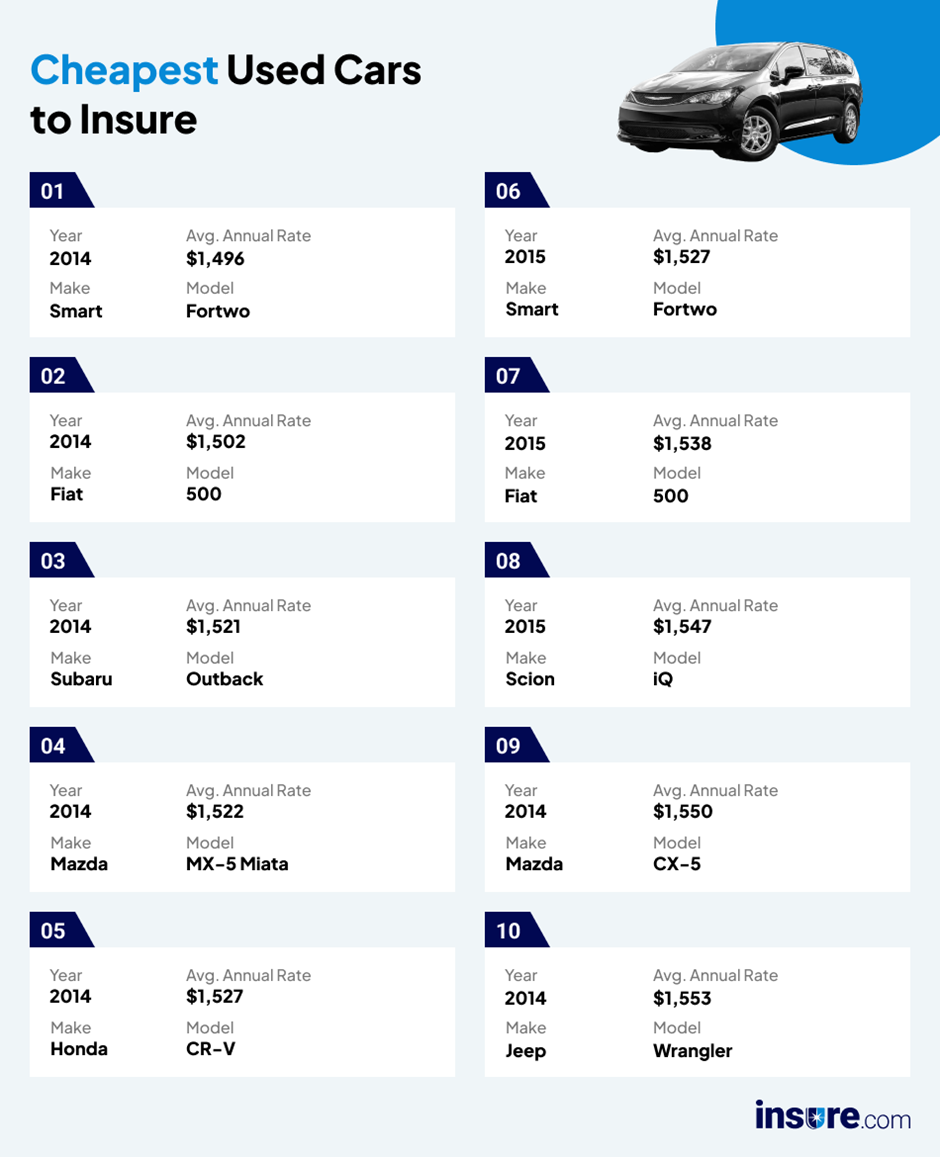
- Vehicle Type: The make, model, year, safety features, and even the color of your car can affect your rates. More expensive cars to repair or replace, or those stolen frequently, usually come with higher premiums. Sports cars often cost more to insure than sedans or SUVs.
- Location: Where you live and park your car matters. Urban areas with higher traffic density, crime rates, and greater risk of accidents or theft typically have higher insurance costs than rural areas.
- Credit Score: In many states, insurers use a credit-based insurance score as a factor in determining premiums, as studies suggest a correlation between creditworthiness and the likelihood of filing a claim.
- Deductibles: This is the amount you agree to pay out-of-pocket before your insurance kicks in for collision and comprehensive claims. A higher deductible typically results in a lower premium, but means you’ll pay more upfront if you file a claim.
- Annual Mileage: Drivers who spend more time on the road inherently face a higher risk of accidents. Lower mileage often translates to lower premiums.
The Role of the Car Insurance Needs Calculator
Given the multitude of variables, manually calculating optimal car insurance can be an arduous task. This is precisely where a specialized “how much car insurance do I need calculator” provides immense value. It acts as a sophisticated financial assistant, processing your unique data points to generate tailored recommendations.
How the Calculator Works
A robust car insurance calculator typically gathers a comprehensive set of information from you. This data forms the bedrock upon which its recommendations are built.
- Personal Information: Your age, gender, marital status, and driving history are fundamental inputs. The calculator uses these to assess your risk profile as a driver.
- Vehicle Details: Information about your car – make, model, year, safety features, and current market value – helps determine the cost of potential repairs or replacement.
- Financial Situation: This is a critical differentiator. Inputs may include your net worth (assets like savings, investments, home equity), income, and existing health insurance coverage. These details help assess your financial vulnerability if you were found at fault in a major accident. If you have significant assets, you’ll need higher liability limits to protect them from potential lawsuits.
- Risk Tolerance and Lifestyle: Do you drive frequently? Do you live in an area prone to specific natural disasters (e.g., hurricanes, hailstorms)? Do you park your car in a secure garage or on the street? These lifestyle factors inform the need for comprehensive coverage or higher liability.
Based on these inputs, the calculator employs algorithms to suggest appropriate coverage levels. It doesn’t just provide a single number; rather, it often offers a range of options, helping you understand the trade-offs between premium cost and financial protection. It might recommend specific liability limits (e.g., “you should consider at least 100/300/100 given your assets”), suggest suitable deductibles, and advise on optional coverages like UM/UIM or roadside assistance.
Benefits of Using a Calculator
The advantages of employing such a financial tool extend beyond mere convenience:
- Personalized Recommendations: Unlike generic advice, the calculator tailors suggestions to your specific circumstances, ensuring you’re neither over- nor under-insured.
- Cost Optimization: By identifying adequate, not excessive, coverage, the calculator can help you avoid unnecessary premium costs while still maintaining robust protection.
- Asset Protection: For individuals with significant savings, investments, or home equity, higher liability coverage is crucial. The calculator highlights this need, helping you protect your accumulated wealth from potential legal judgments.
- Informed Decision-Making: It empowers you with data-driven insights, allowing you to make confident choices about your insurance policy rather than relying on guesswork or sales pitches.
- Peace of Mind: Knowing that your insurance coverage aligns with your financial reality and risk profile offers significant peace of mind, especially when unexpected events occur.
Key Considerations for Optimal Coverage Selection
While the calculator provides valuable guidance, the final decision rests with you. It’s essential to critically evaluate the recommendations against your personal financial goals and comfort levels.
Protecting Your Net Worth and Future Earnings
Perhaps the most significant financial consideration is protecting your assets. If you are involved in an at-fault accident where injuries or property damage are substantial, and your liability limits are insufficient, you could be personally sued for the remaining costs.
- Higher Liability Limits: As a general rule of thumb, you should aim for liability coverage that at least matches your net worth, if not exceeds it. Many financial experts recommend at least 100/300/50 limits, and often higher for individuals with substantial assets. Consider an “umbrella policy” for an extra layer of liability protection beyond your auto and home insurance limits.
- Lost Income Protection: If you’re seriously injured and unable to work, PIP or MedPay can help cover lost wages. Evaluate your current health insurance and emergency savings to determine how much additional income protection you might need.
Assessing Your Vehicle’s Value and Repair Costs
The type of car you drive heavily influences the necessity of collision and comprehensive coverage, as well as the optimal deductible.
- Newer, More Valuable Cars: For vehicles that are still under finance or have significant market value, collision and comprehensive coverage are almost always recommended. A higher deductible on these can lower your premium, but ensure you have enough in savings to cover that deductible if needed.
- Older, Low-Value Cars: If your car is older and its market value is less than a few thousand dollars, the cost of collision and comprehensive coverage might outweigh the potential payout after a deductible. In such cases, dropping these coverages and relying solely on liability might be a financially sound decision, provided you have funds to replace the car yourself.
- Repair Costs vs. Replacement Value: Understand that collision and comprehensive coverage will pay out up to the actual cash value (ACV) of your car, minus your deductible. If your car is totaled, you won’t get more than its ACV.
Balancing Coverage with Affordability
The ideal insurance plan offers robust protection without unduly straining your budget. It’s a delicate balance that the calculator helps illuminate.
- Reviewing Deductibles: While higher deductibles lower premiums, they increase your out-ofpocket expense in case of a claim. Choose a deductible you can comfortably afford in an emergency, ideally from an accessible emergency fund.
- Leveraging Discounts: Don’t overlook the myriad of discounts available. These can include multi-policy (bundling auto and home insurance), good driver, good student, anti-theft device, low mileage, professional association, and even payment method discounts. Always ask your insurer what discounts you qualify for.
- Shopping Around Regularly: Insurance rates are dynamic. What was the best deal a year or two ago might not be today. Make it a habit to compare quotes from multiple insurers at least once a year, or whenever you experience a significant life change (new car, new address, marriage, etc.). Online comparison tools can make this process efficient.
Maximizing Value and Ensuring Ongoing Protection
Securing the right car insurance is not a one-time event. Your life changes, your car ages, and market conditions shift. Regularly reviewing your policy ensures it continues to meet your evolving needs.
Periodic Policy Review and Adjustments
Treat your car insurance policy as a living document. Financial planning experts recommend reviewing all your insurance policies annually, or at key life milestones.
- Life Events: Marriage, divorce, a new job, moving to a new area, adding a teenage driver, or paying off your car loan are all triggers for reviewing and potentially adjusting your coverage. A new teenage driver, for example, will dramatically alter your risk profile and likely necessitate higher liability limits.
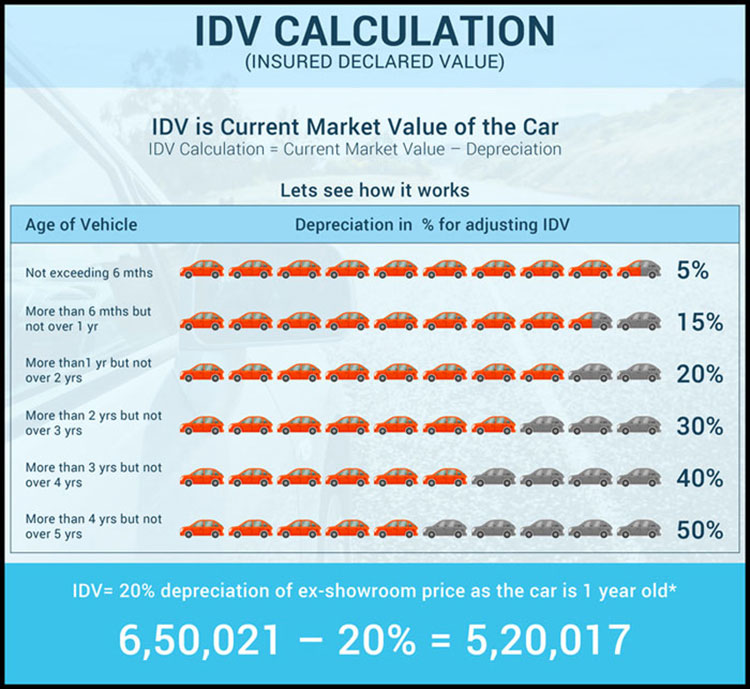
- Vehicle Changes: If you buy a new car, sell an old one, or your car’s value significantly depreciates, your coverage needs will change. You might want to add GAP insurance for a new car loan, or drop collision/comprehensive on an old, low-value vehicle.
- Financial Shifts: An increase in your net worth (e.g., buying a home, substantial investments) should prompt a review of your liability limits. Conversely, if your financial situation tightens, you might explore higher deductibles or dropping non-essential coverages to save on premiums, always carefully weighing the risks.
Proactive Strategies for Cost Savings
Beyond the calculator’s recommendations, proactive measures can significantly reduce your insurance expenditures over time without compromising essential protection.
- Maintain a Stellar Driving Record: This is, hands down, the most impactful way to keep your premiums low. Avoid accidents and traffic violations at all costs.
- Improve Your Credit Score: As mentioned, a higher credit-based insurance score can lead to lower premiums in many states. Practicing good financial habits contributes here.
- Consider Telematics Programs: Many insurers offer programs that monitor your driving habits (speed, braking, mileage) via a mobile app or device. Safe drivers can earn substantial discounts.
- Bundling Insurance Policies: Combining your auto insurance with home, renters, or umbrella policies through the same provider almost always results in a multi-policy discount.
- Pay Annually (If Possible): Many insurers offer a small discount for paying your premium in one lump sum rather than monthly installments.
- Ask About Occupation/Affiliation Discounts: Some professions, alumni associations, or employers have partnerships with insurance companies that offer group discounts.
In conclusion, determining “how much car insurance you need” is a nuanced financial decision that balances risk, protection, and budget. While state minimums provide a legal baseline, they rarely offer adequate financial security. Utilizing a car insurance needs calculator transforms this complex task into a manageable process, providing personalized insights based on your unique financial situation, vehicle, and driving habits. By understanding the core components of insurance, leveraging these digital tools, and proactively managing your policy, you can ensure you have the comprehensive, cost-effective coverage required to protect your assets and provide genuine peace of mind on the road. Remember, your car insurance policy is a cornerstone of your personal financial strategy, deserving of thoughtful consideration and regular review.
aViewFromTheCave is a participant in the Amazon Services LLC Associates Program, an affiliate advertising program designed to provide a means for sites to earn advertising fees by advertising and linking to Amazon.com. Amazon, the Amazon logo, AmazonSupply, and the AmazonSupply logo are trademarks of Amazon.com, Inc. or its affiliates. As an Amazon Associate we earn affiliate commissions from qualifying purchases.