
For many, an automobile represents not just a mode of transport but a significant financial asset and, often, a daily necessity. Protecting this asset, and ourselves, from unforeseen circumstances like accidents, theft, or natural disasters, is where auto insurance becomes an indispensable financial tool. Yet, navigating the myriad of insurance providers, policy options, and pricing structures can feel like a labyrinth, often leading consumers to wonder: “What are the top-rated auto insurance companies, and why should I care?”
This question is more than a casual inquiry; it’s a critical financial decision that can significantly impact your budget, peace of mind, and recovery post-incident. Opting for a top-rated insurer isn’t just about securing the cheapest premium; it’s about investing in reliability, exceptional service, efficient claims processing, and robust financial stability. In the realm of personal finance, your auto insurance policy is a safeguard against potentially devastating out-of-pocket expenses, making an informed choice paramount. This guide will delve into what constitutes a “top-rated” insurer, reveal some consistently high performers, and equip you with the knowledge to make a financially sound decision for your vehicle protection needs.
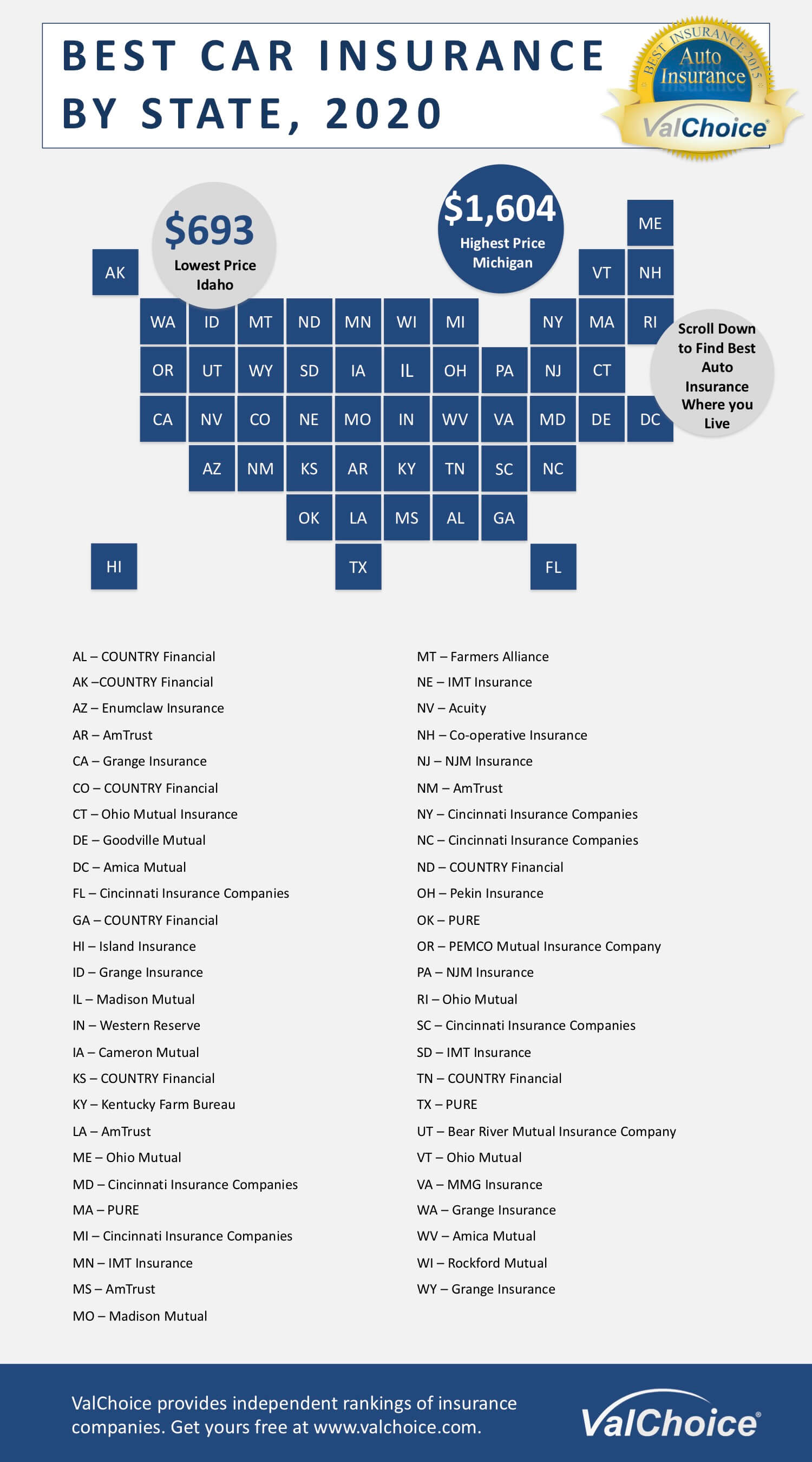
Understanding the Landscape of Auto Insurance Ratings
When we talk about “top-rated” auto insurance companies, we’re referring to a composite of several critical factors that extend beyond mere policy cost. These ratings are meticulously compiled by independent agencies and consumer bodies, offering an objective lens through which to evaluate insurers. Understanding these metrics is the first step toward making a financially astute choice that aligns with your values and risk tolerance.
Key Metrics for Evaluating Insurers
Financial health, customer treatment, and operational efficiency are the pillars upon which an insurer’s reputation and rating are built.
- Customer Satisfaction: Perhaps the most relatable metric, customer satisfaction gauges how happy policyholders are with their insurer’s service. This includes everything from the initial quote and policy purchase experience to routine inquiries, policy changes, and, most crucially, the claims process. High satisfaction scores often indicate a company that values its clientele, responds promptly, and resolves issues effectively. Organizations like J.D. Power conduct extensive surveys to capture this sentiment across various aspects of the customer journey, providing invaluable insights into an insurer’s service quality.
- Financial Stability: An insurer’s financial strength is non-negotiable. This metric assesses a company’s ability to meet its financial obligations, especially when paying out large volumes of claims. Imagine paying premiums for years only to find your insurer can’t cover a major loss when you need them most. Rating agencies such as A.M. Best, Moody’s, and Standard & Poor’s provide grades based on an insurer’s balance sheet, operating performance, and business profile. A strong financial rating assures policyholders that their claims will be honored, protecting their financial interests in the long run.
- Claims Experience: The true test of any insurance policy comes during a claim. How smoothly, efficiently, and fairly an insurer handles claims is a paramount factor in its rating. This involves the ease of filing a claim, the speed of investigation and adjustment, the fairness of the settlement offer, and the overall communication throughout the process. A top-rated company excels here, minimizing stress and financial burden during an already difficult time for the policyholder.
The Role of Independent Rating Agencies
Several independent organizations play a crucial role in demystifying the insurance market for consumers. Their unbiased assessments are vital for anyone looking to make an informed financial decision.
- J.D. Power: Renowned for its comprehensive customer satisfaction studies across various industries, J.D. Power provides region-specific rankings for auto insurance companies, evaluating them on factors like policy offerings, pricing, billing, interaction, and claims.
- A.M. Best: This agency focuses primarily on the financial strength of insurance companies, assigning letter grades (e.g., A++, A+, B+) that reflect an insurer’s ability to meet its financial obligations. A strong A.M. Best rating is a hallmark of financial reliability.
- Consumer Reports: As a non-profit organization, Consumer Reports offers unbiased reviews and ratings based on extensive surveys of its members, covering overall satisfaction, claims handling, and policy features.
By considering the assessments from these reputable sources, individuals can gain a holistic view of an insurer’s performance and make a more financially secure choice.
Navigating the Top Contenders in Auto Insurance
While “top-rated” can be subjective and vary slightly by region and specific criteria, certain companies consistently appear at the pinnacle of various evaluations, earning widespread trust for their financial stability, customer service, and claims processing efficiency. These insurers represent robust financial partners in protecting your driving life.
A Deep Dive into Consistently Highly-Rated Providers
When examining the upper echelons of the auto insurance industry, a few names frequently emerge due to their enduring commitment to policyholders and financial prudence.
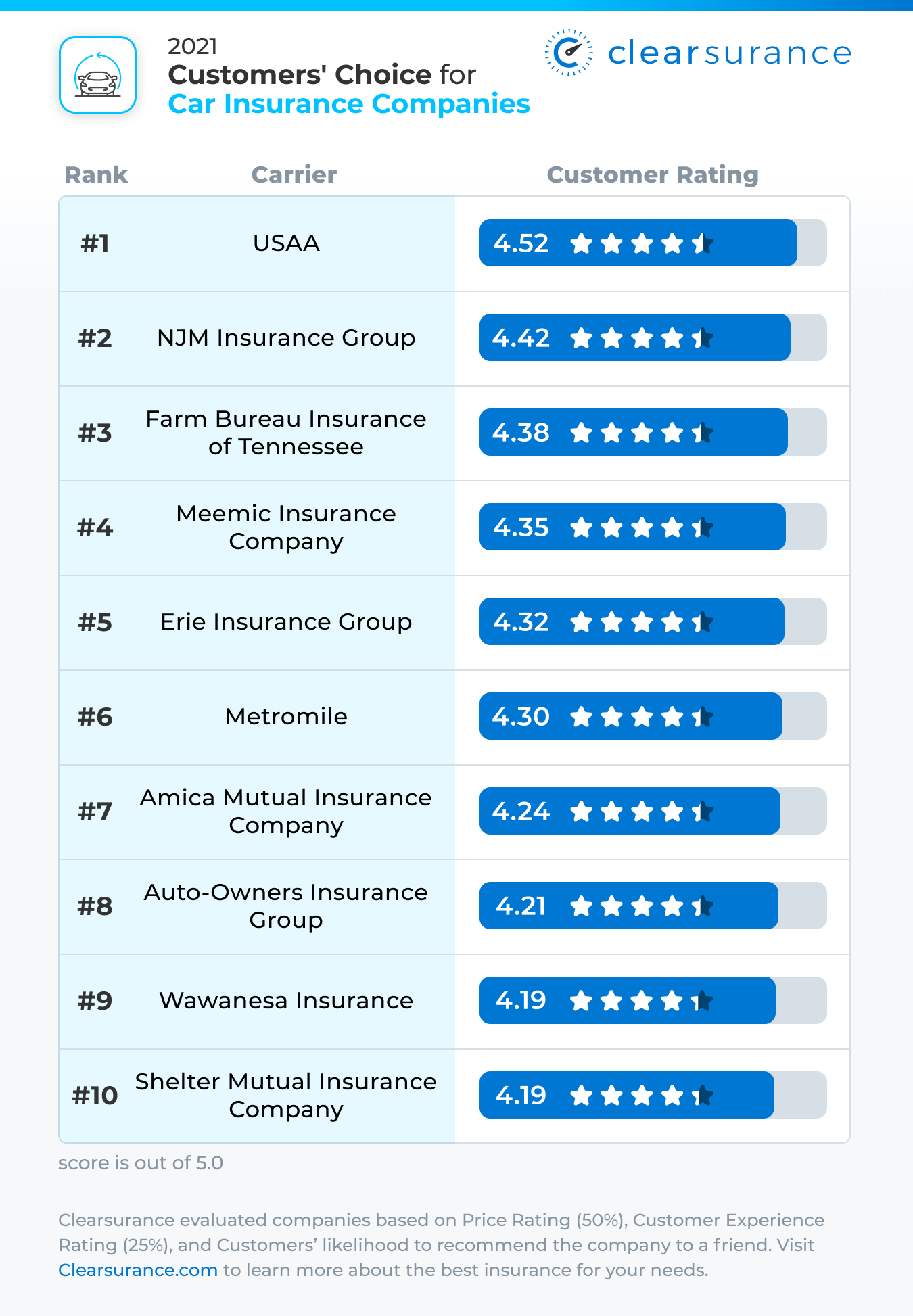
- USAA: Consistently topping customer satisfaction charts, particularly for its claims service, USAA stands out. However, its services are exclusively available to military personnel, veterans, and their eligible family members. For those who qualify, USAA offers competitive rates and unparalleled service, often making it the financially savvy choice.
- State Farm: As the largest auto insurer in the U.S., State Farm boasts an extensive network of local agents, providing a personalized touch that many policyholders value. This localized support can be a significant advantage, particularly during complex claims, offering a familiar point of contact for financial advice and support. Their financial strength is also a consistent highlight.
- GEICO: Known for its competitive pricing and robust online and mobile presence, GEICO appeals to consumers looking for convenience and potentially lower premiums. Its efficient digital platform makes managing policies and filing claims straightforward, catering to a tech-savvy demographic keen on streamlined financial management.
- Progressive: Another giant in the industry, Progressive offers a wide range of coverage options and tools like “Snapshot,” which personalizes rates based on driving behavior, potentially rewarding safe drivers with significant savings. Their focus on diverse offerings and innovative pricing models makes them a strong contender for those looking to optimize their insurance spending.
- Allstate: With a strong emphasis on personalized service and a network of local agents, Allstate aims to be a trusted advisor for its policyholders. They offer various discounts and customizable policies, allowing individuals to tailor their financial protection to their specific needs.
What Sets the Best Apart: Beyond Just Price
While cost is always a significant factor in any financial decision, opting for an insurance company solely based on the lowest premium can be a costly mistake in the long run. Top-rated companies distinguish themselves through several qualitative advantages that contribute to long-term financial security and satisfaction.
- Superior Service Quality: This encompasses responsive customer support, clear communication, and a genuine effort to assist policyholders. When you’re dealing with the aftermath of an accident, having an insurer that treats you with empathy and efficiency is invaluable, potentially saving you stress and time—both of which have a financial value.
- Exceptional Responsiveness and Accessibility: The best insurers are easy to reach and quick to act, whether you need to adjust your policy, ask a question, or file a claim. This accessibility, often through multiple channels (phone, online, app, local agent), ensures that your financial protection is always within reach.
- Policy Customization and Flexibility: Top companies understand that one size doesn’t fit all. They offer a range of coverage options, deductibles, and endorsements, allowing you to tailor your policy to your specific financial situation, vehicle, and risk profile. This customization ensures you’re not overpaying for coverage you don’t need or, critically, underinsured when you do.
Factors That Influence Your Auto Insurance Premiums and Financial Planning
Understanding what influences your auto insurance premiums is crucial for smart financial planning. These aren’t arbitrary figures; they are calculated risks based on a multitude of personal and external factors. By being aware of these variables, you can take proactive steps to manage and potentially reduce your insurance costs.
Personal Profile and Driving History
Your personal characteristics and past behavior behind the wheel are significant determinants of your insurance rates.
- Age and Location: Younger, less experienced drivers generally face higher premiums due to statistical data indicating a greater risk of accidents. Similarly, your geographical location plays a role; urban areas with higher traffic density, theft rates, or extreme weather conditions typically result in higher premiums.
- Vehicle Type: The make, model, year, safety features, and even the color of your car can impact your premium. High-performance, luxury, or frequently stolen vehicles often come with higher insurance costs due to repair expenses or increased theft risk.
- Driving Record: A clean driving record is your best friend for lower insurance rates. Accidents, traffic violations, and DUIs signal higher risk to insurers, leading to significantly increased premiums. Maintaining a spotless record is a direct financial benefit.
- Credit Score (in most states): In many states, insurers use credit-based insurance scores as a factor in determining premiums. A higher credit score is often associated with lower risk, potentially leading to more favorable rates. This underscores the broader importance of good financial management.
Coverage Choices and Deductibles: Balancing Protection and Cost
The specific types and amounts of coverage you select directly impact your premium. This is where strategic financial planning comes into play.
- Liability Coverage: Legally required in most states, this covers damages you cause to others. Choosing higher liability limits, while increasing your premium, provides greater financial protection against large claims, preventing potential personal financial ruin.
- Collision and Comprehensive Coverage: These protect your vehicle from damage due to accidents (collision) or non-collision events like theft, vandalism, or natural disasters (comprehensive). Higher deductibles (the amount you pay out-of-pocket before insurance kicks in) will lower your premium but mean a higher immediate financial outlay if a claim arises.
- Uninsured/Underinsured Motorist (UM/UIM): This coverage protects you if you’re involved in an accident with a driver who has no insurance or insufficient insurance. It’s a critical financial safeguard, particularly in states with many uninsured drivers.
- Medical Payments/Personal Injury Protection (PIP): These cover medical expenses for you and your passengers after an accident, regardless of who is at fault. This can prevent medical bills from becoming a direct hit to your personal finances.
Unlocking Discounts for Maximum Savings
Smart consumers actively seek out discounts, which can significantly reduce the overall cost of their auto insurance. These are not merely perks; they are direct financial benefits for meeting certain criteria.
- Multi-Policy/Bundling Discounts: Combining your auto insurance with home, renters, or life insurance from the same provider can lead to substantial savings.
- Good Driver/Safe Driver Discounts: Rewarding policyholders with clean driving records, often after a certain period without claims or violations.
- Good Student Discounts: Offered to young drivers who maintain a specified GPA, recognizing that academic responsibility often correlates with responsible driving.
- Anti-Theft Device Discounts: Installing security features in your vehicle can lower premiums by reducing the risk of theft.
- Low Mileage Discounts: If you don’t drive much, some insurers offer discounts based on annual mileage, acknowledging reduced exposure to risk.
Actively inquiring about and qualifying for these discounts is a simple yet effective way to optimize your auto insurance spending and enhance your personal financial strategy.
Strategies for Securing the Best Auto Insurance Deal
Finding the right auto insurance isn’t about striking it lucky; it’s about employing a methodical, financially savvy approach. By actively comparing, reviewing, and understanding your policy, you can ensure you’re getting the best value for your money.
The Power of Comparison Shopping
This is arguably the most impactful strategy for securing favorable rates. The insurance market is competitive, and prices for identical coverage can vary wildly between providers.
- Online Aggregators vs. Independent Agents: Utilize online comparison tools that allow you to input your information once and receive multiple quotes. However, also consider consulting an independent insurance agent. These agents work with several different insurance companies and can often find policies and discounts you might not discover on your own, offering a more personalized financial consultation.
- Get Multiple Quotes: Don’t settle for the first quote you receive. Aim to get at least three to five quotes from different insurers, including both national giants and regional players. This broad comparison will give you a clear financial benchmark.
- Compare Apples to Apples: When comparing quotes, ensure you are looking at identical coverage levels, deductibles, and endorsements. A cheaper premium might be indicative of less coverage, which could leave you financially vulnerable in an accident.
Regular Policy Review and Adjustment
Your life, and thus your insurance needs, are not static. Regular policy reviews are a critical part of prudent financial management.
- Annual Check-ups: Make it a habit to review your policy at least once a year, or whenever it’s up for renewal. Premiums can change, and new discounts may become available.
- Life Changes: Significant life events warrant a policy review. Getting married, moving, buying a new car, improving your credit score, or even a child going off to college can all impact your rates and coverage needs. Proactively informing your insurer about these changes can lead to adjustments that align with your current financial situation.
- Vehicle Depreciation: As your car ages and depreciates in value, you might consider adjusting your collision and comprehensive coverage. For older vehicles, the cost of these coverages might outweigh the potential payout, making it a financially sound decision to drop them or raise your deductible.
Understanding the Fine Print: What Your Policy Truly Covers
Before signing on the dotted line, it’s paramount to understand the nuances of your policy. This is your financial contract, and knowing its intricacies can prevent costly surprises.
- Read the Policy Document: Don’t just skim. Familiarize yourself with the terms, conditions, exclusions, and limits of your coverage. If anything is unclear, ask your agent for clarification.
- Know Your Limits and Deductibles: Be fully aware of how much your policy will pay out in different scenarios and what your out-of-pocket responsibility (deductible) is. This knowledge is crucial for managing your personal finances in the event of a claim.
- Ask About Endorsements and Exclusions: Understand what additional coverages (endorsements) you might need for specific situations (e.g., roadside assistance, rental car reimbursement) and what scenarios your policy explicitly does not cover (exclusions).
By being diligent in these strategies, you transform the process of buying auto insurance from a chore into an opportunity for intelligent financial optimization.
Making an Informed Financial Decision for Your Vehicle Protection
Ultimately, choosing the right auto insurance company and policy is a deeply personal financial decision. While ratings provide an excellent starting point, the “best” company for you will depend on a confluence of factors unique to your situation.
Beyond the Ratings: Personal Needs Assessment
While top-rated companies offer a benchmark of quality, their suitability for you hinges on a personal assessment. Consider your driving habits, the value of your vehicle, your risk tolerance, and your budget. Are you willing to pay a slightly higher premium for superior customer service and a local agent, or do you prioritize the absolute lowest cost and prefer managing things online? The financially savvy choice is one that balances robust protection with affordability and convenience tailored to your lifestyle.
Long-Term Value vs. Short-Term Savings
It’s easy to be swayed by the cheapest upfront premium, but true financial prudence looks beyond immediate savings. An insurer with excellent claims service, strong financial backing, and responsive customer support, even if slightly more expensive, can offer far greater long-term value. In the event of a significant accident, the peace of mind and efficient handling of a claim from a top-rated company can save you considerable stress, time, and potential hidden costs, ultimately proving to be the more economical choice.
By diligently researching, comparing, and understanding your options, you empower yourself to make a decision that not only protects your vehicle but also reinforces your overall financial well-being. Auto insurance is more than a legal requirement; it’s a fundamental component of a responsible personal finance strategy. Choosing wisely means investing in security, reliability, and peace of mind for the road ahead.
aViewFromTheCave is a participant in the Amazon Services LLC Associates Program, an affiliate advertising program designed to provide a means for sites to earn advertising fees by advertising and linking to Amazon.com. Amazon, the Amazon logo, AmazonSupply, and the AmazonSupply logo are trademarks of Amazon.com, Inc. or its affiliates. As an Amazon Associate we earn affiliate commissions from qualifying purchases.