
In an era defined by rapid technological advancements and an ever-increasing demand for efficiency, navigating the modern world often means embracing tools that simplify our lives. For drivers in Florida and beyond, the SunPass Mini transponder stands out as a prime example of such innovation, transforming the often-dreaded experience of toll roads into a seamless, almost invisible part of the journey. Gone are the days of fumbling for change, anxiously searching for the correct lane, or worrying about missed tolls and subsequent penalties. The SunPass Mini, a marvel of compact technology, offers a streamlined solution that not only saves time but also often reduces costs, aligning perfectly with contemporary trends in smart commuting, personal finance management, and digital security.
This comprehensive guide is designed to walk you through every aspect of the SunPass Mini, from understanding its profound benefits and preparing for its installation to the precise steps of application and activation, and even advanced tips for maximizing its utility. Whether you’re a daily commuter, a frequent road-tripper, or simply someone seeking greater convenience and control over their travel expenses, mastering the SunPass Mini is a valuable skill in today’s interconnected world. We’ll delve into how this small device leverages cutting-edge technology to create a frictionless experience, how it contributes to smarter money management on the road, and what you need to know to ensure flawless performance. By the end of this guide, you’ll not only be equipped to install your SunPass Mini with confidence but also to fully integrate it into a more efficient and stress-free driving lifestyle.
The SunPass Mini Advantage: Why Every Florida Driver Needs One
The SunPass Mini isn’t just another gadget; it’s a strategic investment in convenience, efficiency, and smart financial management for anyone frequently traversing Florida’s toll roads. Its compact design belies a powerful capability to streamline your travels, offering a suite of benefits that resonate deeply with the core principles of tech-savvy living and astute personal finance. Understanding these advantages is the first step towards appreciating the true value proposition of integrating a SunPass Mini into your vehicle.
Tech-Driven Convenience: Embracing Frictionless Travel
At its heart, the SunPass Mini is a testament to the power of simple yet effective technology. Utilizing Radio-Frequency Identification (RFID) technology, this adhesive transponder communicates wirelessly with overhead toll readers as you pass through designated lanes. The result is a truly frictionless experience that dramatically reduces the time and stress associated with traditional toll collection methods. Imagine sailing through toll plazas without the need to slow down significantly, stop, open your window, or interact with a payment machine. This not only saves precious seconds or even minutes on each trip but also contributes to smoother traffic flow, reducing congestion and the environmental impact of idling vehicles.
Compared to paying with cash or credit cards at manned booths or automated machines, the SunPass Mini eliminates several pain points. There’s no fumbling for exact change, no worries about cash-only lanes, and no need to expose your credit card information at potentially unsecured payment terminals. For those who frequently drive on express lanes or managed lanes, where dynamic pricing might apply, the SunPass Mini ensures you’re always charged the correct fare automatically, preventing potential disputes or penalties. It’s a prime example of how discreet technology can enhance productivity and reduce friction in our daily routines, making the journey as seamless as the destination.
Smart Money Management on the Road: Discounted Tolls and Budget Predictability
Beyond the undeniable convenience, the SunPass Mini offers significant financial benefits that make it a smart choice for budget-conscious drivers. Perhaps the most compelling financial incentive is the access to discounted toll rates. In many instances across Florida’s extensive toll road network, SunPass users pay a lower toll rate compared to those who opt for cash or “Toll-by-Plate” (where your license plate is photographed and a bill is mailed to you, often with added administrative fees). Over time, these small savings accumulate, translating into substantial reductions in your annual travel expenses.
Furthermore, the SunPass system provides exceptional transparency and control over your spending. Through the dedicated SunPass website or mobile app – another excellent example of integrating “Tech” for “Money” management – you can easily monitor your account balance, review detailed transaction histories, and set up automatic replenishment from a linked credit card or bank account. This eliminates the worry of running out of funds and incurring violations, providing invaluable budget predictability. You know exactly how much you’re spending on tolls, allowing for better financial planning and avoiding unexpected charges. For individuals and businesses alike, this level of financial oversight is a critical component of responsible money management, turning a seemingly minor expense into an easily manageable budget item.
Beyond the Toll Booth: The Broader Impact
While the primary benefits are convenience and cost savings, the SunPass Mini also contributes to a broader ecosystem of efficiency and peace of mind. By reducing the need for vehicles to stop and start at toll plazas, it indirectly supports environmental efforts by decreasing fuel consumption and emissions from idling engines. For the driver, the psychological benefit of a smooth, uninterrupted journey cannot be overstated. Reduced stress, faster travel times, and the assurance of proper toll payment free up mental bandwidth, allowing drivers to focus more on the road and their destination rather than the logistics of toll collection. In essence, the SunPass Mini is not just a tool for paying tolls; it’s an enabler for a more relaxed, efficient, and financially astute approach to modern travel.
Preparing for Installation: What You Need to Know
A successful SunPass Mini installation hinges on proper preparation. Rushing the process or overlooking critical details can lead to performance issues, missed tolls, and unnecessary frustration. Before you even think about peeling off the adhesive backing, it’s essential to gather your tools, understand the nature of your transponder, and familiarize yourself with the specific characteristics of your vehicle’s windshield. This preparatory phase is crucial for ensuring optimal functionality and longevity of your device, transforming a simple task into a reliable solution.
Acquiring Your SunPass Mini: Where to Find Your Travel Companion
The journey to seamless travel begins with acquiring your SunPass Mini. These convenient transponders are widely available, ensuring easy access for all drivers. You can purchase them directly from the official SunPass website (www.sunpass.com), which offers the latest models and often provides detailed information. For those who prefer immediate gratification or need a transponder on the go, major retail outlets across Florida, such as Publix Super Markets, CVS Pharmacy, Walgreens, and AAA locations, typically stock the SunPass Mini. Convenience stores located near toll roads or gas stations might also carry them.
When purchasing, you’ll generally find that the SunPass Mini is a non-removable, adhesive sticker transponder designed for a single vehicle. While other SunPass options exist (like the portable transponder, which can be moved between vehicles), the “Mini” refers specifically to the sticker version. Ensure you are purchasing the correct type for your needs. The transponder usually comes in a small package containing the sticker itself and a quick-start guide with important identification numbers needed for activation.
Essential Toolkit for a Flawless Setup
While the SunPass Mini is designed for straightforward installation, having a few basic items on hand will ensure a clean, secure, and effective application. Think of this as preparing your “tech workbench” for a minor but important upgrade to your vehicle.
- Rubbing Alcohol (Isopropyl Alcohol): This is vital for thoroughly cleaning the installation area. It effectively removes grease, grime, and residues that could compromise the adhesive bond.
- Clean Microfiber Cloth or Lint-Free Paper Towel: Essential for applying the rubbing alcohol and wiping down the windshield without leaving any fibers or smudges.
- Glass Cleaner (Optional, but Recommended for initial cleaning): For a general clean of the windshield before the final alcohol wipe.
- The SunPass Mini Transponder: Of course, the star of the show!
- A Ruler or Measuring Tape (Optional, but helpful): For precise placement, especially if you want to ensure it’s centered or at a specific distance from the top.
- Your Vehicle: Parked in a cool, shaded area if possible, to prevent the windshield from being too hot, which can affect adhesive curing.
Understanding Your Vehicle’s Windshield: The Crucial Surface
Not all windshields are created equal, and understanding potential variations can prevent installation headaches. Modern vehicles often incorporate advanced technologies into their windshields that can interfere with RFID signals. These include:
- Tinted Windshields: Some vehicles have factory-installed tinted bands at the top of the windshield. While most SunPass Minis are designed to work through standard tint, extremely dark or metallic tints can sometimes cause issues.
- Metallic or Solar-Reflective Windshields: High-end or eco-friendly vehicles might feature windshields with metallic particles or coatings designed to reflect heat and UV rays. These “solar windshields” or “heated windshields” can block RFID signals, rendering the transponder ineffective if placed directly on them. These vehicles often have a specific “designated area” or “clear zone” – usually a small, untinted, non-metallic rectangular area near the rearview mirror – where electronic transponders should be mounted. Consult your vehicle’s owner’s manual if you suspect your car has such a windshield. Placing the transponder outside this designated area can lead to missed reads and violations.
- Dash-Mounted Transponders: While the SunPass Mini is designed for windshield mounting, if your vehicle does have a metallic windshield and no clear zone, you might need to explore a portable SunPass transponder that can be dash-mounted, but this is less common for the “Mini” sticker itself.
Taking these factors into account ensures that you choose the optimal spot for installation, guaranteeing reliable performance from your SunPass Mini from day one. This meticulous preparation lays the groundwork for seamless integration into your driving experience.
Step-by-Step Installation: From Unboxing to Activation
With your SunPass Mini in hand and your toolkit ready, it’s time to proceed with the physical installation and subsequent activation. This multi-stage process ensures not only that the transponder is securely affixed to your vehicle but also that it’s properly registered and ready to use on Florida’s toll roads. Following these steps carefully will guarantee a smooth setup and reliable performance.
Optimal Placement for Peak Performance
The precise placement of your SunPass Mini is critical for its functionality. The transponder needs a clear line of sight to the overhead toll readers to transmit and receive signals effectively. Incorrect placement is one of the most common reasons for transponder read failures.
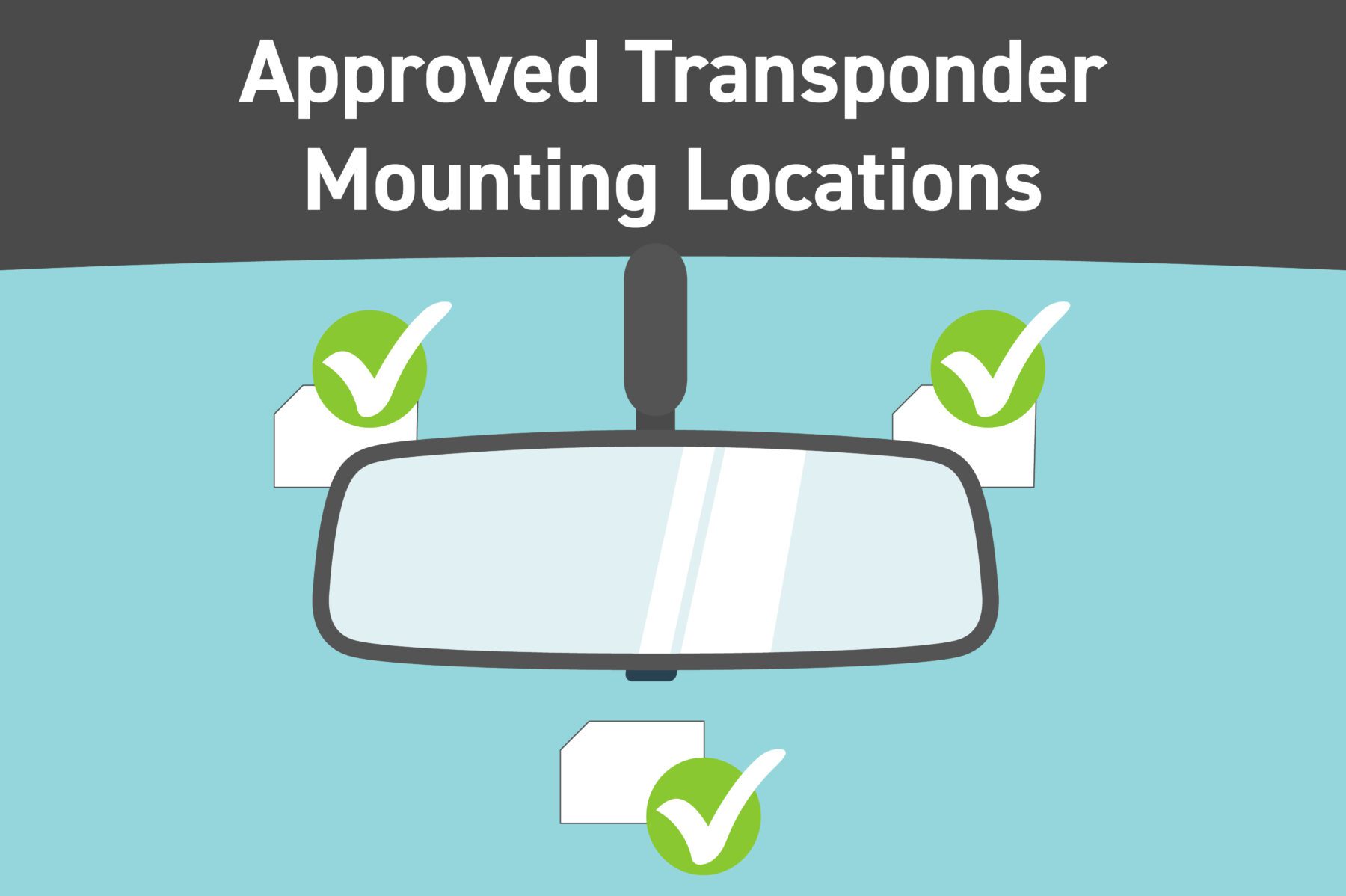
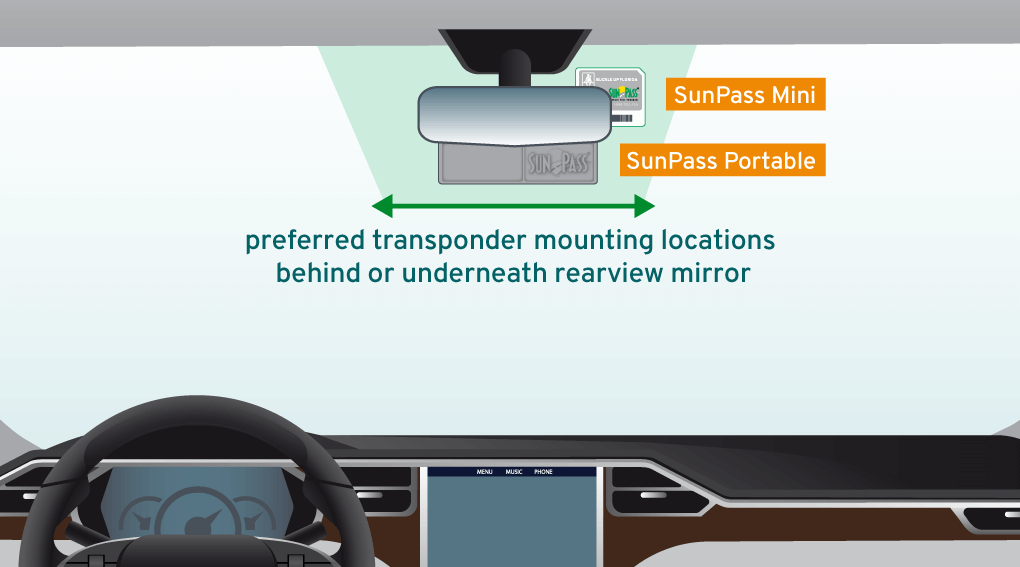
- Identify the Ideal Area: The recommended placement for the SunPass Mini is on the inside, upper-center portion of your vehicle’s windshield, typically to the right or left of the rearview mirror post. This area usually offers the clearest view for the toll gantry’s antenna.
- Consider the Rearview Mirror: Ensure the transponder is not obstructed by the rearview mirror itself, any cameras, sensors (like those for automatic wipers or collision avoidance systems), or tint strips at the top of the windshield. If your vehicle has a dark tint band at the top, place the transponder just below it, ensuring it’s still at the highest practical point.
- Special Windshields (Revisit): If your vehicle has a metallic or solar-reflective windshield, locate the designated “clear zone” (often indicated by small black dots or a specific area near the mirror mount) and place the transponder ONLY within this area. Refer to your car’s owner’s manual if unsure.
- Positioning: Aim for the transponder to be at least one inch below the top edge of the windshield and at least one inch to the side of any metal frame or the rearview mirror assembly. This ensures maximum signal exposure.
The Clean Application Process
Once you’ve identified the perfect spot, the physical application needs to be executed flawlessly to ensure a strong, long-lasting adhesive bond.
- Clean the Windshield Thoroughly:
- Start by using glass cleaner to remove general dirt and grime from the chosen area on the inside of the windshield. Wipe it dry with a clean microfiber cloth.
- Next, saturate a clean cloth or paper towel with rubbing alcohol. Vigorously wipe the entire installation area to remove any residual oils, waxes, or fingerprints. This is perhaps the most crucial step for adhesive success.
- Allow the alcohol to evaporate completely, ensuring the surface is perfectly dry before proceeding.
- Prepare the Transponder: Carefully peel the protective backing off the adhesive side of the SunPass Mini. Avoid touching the adhesive with your fingers, as oils from your skin can compromise its stickiness.
- Apply the Transponder:
- Align the transponder with your chosen spot, ensuring it is straight and level.
- Press the transponder firmly against the cleaned windshield for at least 30 seconds. Apply consistent pressure across the entire surface of the transponder to remove any air bubbles and create a strong bond.
- Once applied, the SunPass Mini is designed to be permanent and should not be removed. Attempting to remove it will likely damage the transponder, rendering it unusable, and necessitate purchasing a new one.
Activating Your SunPass Mini Online: Bringing Your Transponder to Life
Physical installation is only half the battle; the transponder won’t work until it’s activated and linked to an account with funds. This digital activation process is straightforward and can be completed online or via the mobile app.
- Gather Information: You will need the transponder number (a unique multi-digit number printed on the transponder itself and often on the packaging) and the license plate number of the vehicle in which it’s installed.
- Access the SunPass Website or App:
- Go to www.sunpass.com or download the official “SunPass” mobile app from your device’s app store.
- If you’re a new user, select “Open an Account.” If you already have a SunPass account, log in and select the option to “Add a Transponder” or “Add Vehicle.”
- Create Your Account / Add Transponder:
- For New Accounts: You will be prompted to enter your personal information (name, address, contact details), create a username and password, and link a payment method (credit card or bank account) for initial funding and future auto-replenishment. You will then add your transponder number and vehicle information.
- For Existing Accounts: Simply navigate to the “Transponders” or “Vehicles” section of your account and follow the prompts to add a new transponder, entering its ID number and the associated vehicle’s license plate information.
- Fund Your Account: SunPass accounts are prepaid. You’ll need to deposit an initial amount (usually a minimum of $10 for transponders purchased at retail locations, or pre-funded if bought directly from SunPass online). Consider setting up auto-replenishment at this stage. This feature automatically adds funds to your account when the balance falls below a certain threshold, ensuring you never run out of money for tolls and avoid violations. This is a critical “Money” management tool facilitated by “Tech.”
- Confirmation: Once all information is submitted and your account is funded, you should receive a confirmation that your transponder is active. It typically takes a few hours for the system to fully register your new transponder, though it can sometimes be immediate. It’s advisable to wait for a few hours before using the transponder on a toll road to ensure proper system synchronization.
By diligently following these installation and activation steps, you’ve successfully transformed a simple sticker into a powerful tool for efficient and economical travel.
Maximizing Your SunPass Mini Experience: Tips and Troubleshooting
Installing and activating your SunPass Mini is just the beginning. To truly leverage its full potential and ensure a consistently smooth experience, it’s important to understand how to manage your account effectively, troubleshoot common issues, and know when to take further action. This section focuses on optimizing your interaction with the SunPass system, ensuring it remains a reliable asset for your travels.
Common Issues and Quick Fixes
Even with perfect installation, occasional issues can arise. Knowing how to diagnose and address them quickly can save you from unexpected toll violations or frustration.
- Transponder Not Reading/Toll-By-Plate Received:
- Placement: Double-check that the transponder is correctly positioned as per the guidelines (upper-center, away from obstructions, within clear zone if applicable). Obstructions like heavy tint, metallic sunscreens, or even too many items hanging from the rearview mirror can interfere.
- Low Balance: The most frequent culprit. Ensure your SunPass account has sufficient funds. Although rare, a negative balance can prevent reads. Check your balance via the app or website immediately.
- Activation: Was the transponder fully activated and linked to the correct vehicle? New activations can sometimes take a few hours to process completely.
- Expired/Damaged Transponder: SunPass Minis have a long lifespan but aren’t indefinite. If your transponder is very old (5+ years) or has been damaged (e.g., in a collision, or if you attempted to remove it), it might need replacement.
- Vehicle Information: Ensure the license plate registered to your SunPass account matches the vehicle the transponder is in. If you’ve gotten a new license plate or vehicle, update your account promptly.
- Auto-Replenishment Failure: If your account isn’t auto-replenishing, check your linked payment method. Has the credit card expired? Has the billing address changed? Update your payment information on the SunPass website or app.
For persistent issues, contact SunPass customer service directly. They can check your transponder’s status and recent activity in their system.
Account Management and Auto-Replenishment: Your Digital Control Panel
The SunPass website and mobile app are your primary tools for proactive account management, acting as your digital control panel for all things related to your toll payments.
- Auto-Replenishment is Key: This feature is paramount for a truly seamless experience. By linking a credit card or bank account, you can set your account to automatically add funds when your balance drops below a predetermined threshold (e.g., $10). This prevents low-balance alerts, missed tolls, and the hassle of manual top-ups. It’s an excellent example of how “Tech” simplifies “Money” management, making your personal finance literally “set it and forget it” for this specific expense.
- Monitor Transactions: Regularly review your transaction history. This allows you to track your spending on tolls, identify any unusual activity, and confirm that your transponder is being read correctly. It’s a fundamental aspect of digital security and financial oversight.
- Update Vehicle Information: If you purchase a new car or change your license plate, it is CRITICAL to update this information in your SunPass account immediately. An unregistered license plate can lead to fines even if you have a valid transponder.
- Manage Payment Methods: Keep your payment information current. Update expired credit cards or change linked bank accounts to avoid service interruptions.
When to Replace or Transfer Your Transponder
Because the SunPass Mini is an adhesive sticker, it’s generally not designed to be transferred or reused.
- Cracked Windshield/New Vehicle: If your windshield cracks and needs replacement, or if you get a new vehicle, you will need a new SunPass Mini. The old transponder, being adhesive, will likely be destroyed upon removal. You’ll then update your account with the new transponder’s ID and the new vehicle’s license plate.
- Damaged Transponder: If your transponder is physically damaged (e.g., exposed to extreme heat, bent, or has peeling layers), it’s best to replace it. A damaged transponder can lead to intermittent reads.
- Disposing of Old Transponders: If you replace a transponder or no longer need one, it’s recommended to deactivate it from your SunPass account to prevent any potential unauthorized charges. You can then dispose of the physical sticker.
By staying proactive with account management and understanding basic troubleshooting, you ensure your SunPass Mini remains a reliable, hassle-free companion on all your journeys, delivering on its promise of convenience and smart financial travel.
The Future of Toll Collection: SunPass and Beyond
The SunPass Mini, while a practical solution for today, also stands as a tangible link to the evolving landscape of transportation technology. Its existence is a testament to the ongoing quest for efficiency in travel, hinting at a future where our roads are smarter, our commutes are more integrated, and our financial interactions are increasingly seamless. This final section explores how SunPass fits into broader technological trends and what the future might hold for toll collection.
Interoperability and Regional Travel: Expanding the Network
One of the significant advantages of modern transponder systems like SunPass is their increasing interoperability. While primarily a Florida-based system, SunPass is part of a larger network of compatible tolling agencies, making travel across state lines simpler. For example, SunPass is compatible with E-PASS in Central Florida, and often with systems like Georgia’s Peach Pass and North Carolina’s Quick Pass through regional agreements. This expansion means that drivers can often use a single transponder and account across multiple states, eliminating the need for multiple devices or different payment methods for regional travel. This focus on “Tech” for “Productivity” simplifies complex multi-state logistics, a major boon for business travelers, long-haul drivers, and tourists.
This trend towards greater interoperability is likely to continue, driven by user demand for universal solutions and the desire of transportation authorities to create cohesive national networks. Imagine a future where one transponder or even a single in-car system manages all toll payments, regardless of where you travel in the country. This not only enhances user convenience but also allows for more efficient management of road infrastructure on a broader scale, reflecting a “Brand Strategy” of unified and user-centric services across different regions.

Evolving Technology and Digital Roadways: The Smart City Connection
The RFID technology underpinning the SunPass Mini is a foundational element that paves the way for even more advanced intelligent transportation systems (ITS). The future of toll collection is intrinsically linked to the broader vision of “smart cities” and connected infrastructure.
- AI and Data Analytics: Future toll systems will likely leverage artificial intelligence and advanced data analytics to dynamically manage traffic flow, predict congestion, and optimize pricing in real-time. Transponder data, combined with other sensor inputs, will contribute to a holistic understanding of urban mobility, allowing for more adaptive and responsive road networks. This represents a significant evolution in “Tech” trends, moving beyond simple transactions to complex algorithmic management.
- Connected Vehicles (V2X): As vehicles become increasingly connected (Vehicle-to-Everything or V2X communication), the transponder itself might evolve or integrate into the vehicle’s native systems. Instead of a separate sticker, toll payments could be handled through the car’s built-in infotainment or telematics system, drawing directly from a digital wallet linked to the vehicle. This would further embed “Digital Security” and “Productivity” directly into the automotive experience.
- Cashless and Barrier-Free Tolling: The SunPass Mini is already a step towards fully cashless and barrier-free tolling, where drivers never stop. This trend will only accelerate, with advanced overhead gantries capable of identifying vehicles and processing payments at highway speeds, reducing physical infrastructure and increasing efficiency.
- Blockchain for Transparency: While speculative, future “Money” aspects of toll collection could even explore blockchain technology for enhanced transaction security, transparency, and auditing, ensuring impeccable record-keeping for both users and toll authorities.
The SunPass Mini, in its current form, offers unparalleled convenience and cost savings, transforming the toll road experience. However, its true significance also lies in its role as an everyday example of how technology is continuously reshaping our interactions with the world around us. By understanding its benefits, mastering its installation, and embracing the broader implications of digital roadways, drivers are not just installing a transponder; they are actively participating in the evolution of modern travel, embracing a smarter, more efficient, and financially astute way to navigate the path ahead. The journey towards truly seamless, intelligent transportation is ongoing, and the SunPass Mini is a vital companion on that road.
aViewFromTheCave is a participant in the Amazon Services LLC Associates Program, an affiliate advertising program designed to provide a means for sites to earn advertising fees by advertising and linking to Amazon.com. Amazon, the Amazon logo, AmazonSupply, and the AmazonSupply logo are trademarks of Amazon.com, Inc. or its affiliates. As an Amazon Associate we earn affiliate commissions from qualifying purchases.