
In an era defined by data and digital innovation, understanding and managing personal health has undergone a profound transformation. What was once a laborious process of manual calculation and guesswork – the art of “figuring out calories” – has evolved into a sophisticated, technology-driven discipline. No longer confined to the pages of a notebook or the back of a food package, calorie tracking has integrated seamlessly into our digital lives, powered by a burgeoning ecosystem of apps, wearables, smart devices, and artificial intelligence. This shift has not only demystified the often-complex world of nutrition but has also empowered individuals with unprecedented insights into their dietary habits and energy expenditure, paving the way for more informed health decisions.

The fundamental premise remains: calories are units of energy that our bodies need to function. The amount we consume versus the amount we burn dictates our weight, energy levels, and overall metabolic health. However, the sheer volume of variables involved – from basal metabolic rate (BMR) and total daily energy expenditure (TDEE) to the caloric density of countless foods and the varying intensity of physical activities – traditionally made accurate tracking a daunting task. Enter technology, which has not merely simplified this process but revolutionized it, turning complex nutritional science into actionable digital data.
The Digital Evolution of Calorie Comprehension
The journey from rudimentary calorie estimation to precise digital tracking is a testament to technological advancement. For decades, individuals relied on printed food guides, label reading, and often inaccurate self-reporting. The digital age, however, has ushered in an era where sophisticated algorithms and interconnected devices provide a level of accuracy and convenience previously unimaginable.
Beyond Manual Math: Why Technology is Indispensable
Historically, figuring out calories involved tedious manual calculations. One would estimate portion sizes, look up caloric values in reference books, and meticulously add them up. This method was not only time-consuming but highly susceptible to human error. Subjective portion estimations, incomplete nutritional databases, and the sheer effort required often led to burnout and abandonment of tracking efforts. Technology, specifically in the form of digital databases, automated calculation engines, and intuitive user interfaces, eliminates these hurdles. It transforms calorie tracking from a chore into an integrated, often background, aspect of daily life. The ability to quickly log meals, scan barcodes, and automatically sync activity data significantly reduces the friction associated with nutritional awareness, making sustained engagement far more likely.
Understanding the Fundamentals: BMR and TDEE Calculators
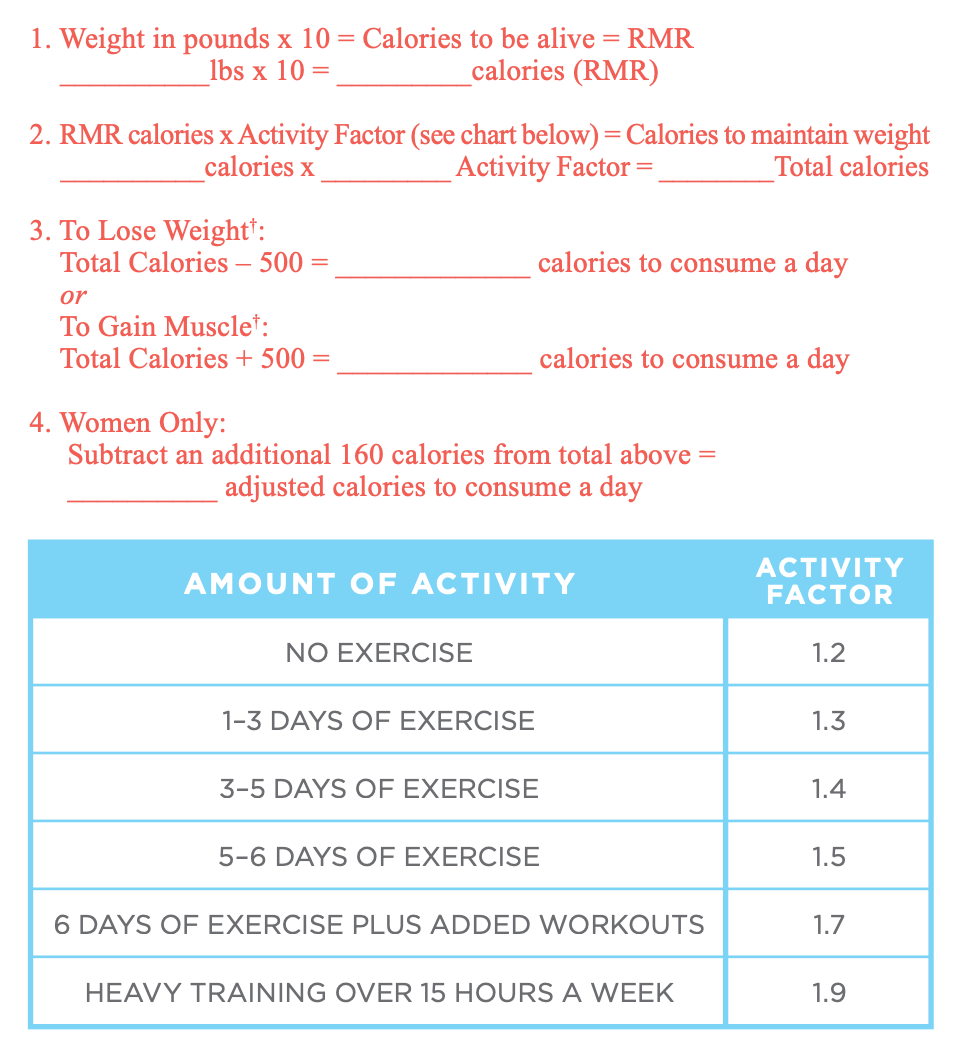
At the core of effective calorie management lie two critical metrics: Basal Metabolic Rate (BMR) and Total Daily Energy Expenditure (TDEE). BMR represents the number of calories your body burns at rest to maintain vital functions, while TDEE accounts for BMR plus the calories expended through physical activity. Accurately calculating these values is the first step in determining an appropriate caloric intake for weight management, gain, or maintenance.
Before technology, BMR and TDEE were estimated using complex formulas (like the Mifflin-St Jeor or Harris-Benedict equations) that required manual input of age, gender, weight, height, and activity level. Today, a multitude of online calculators and integrated app features perform these calculations instantly. Users input their basic demographic and activity data, and the platforms leverage these established formulas to provide precise BMR and TDEE estimations. More advanced platforms even factor in body composition data (if available from smart scales) or daily activity levels pulled directly from wearable devices, offering a more dynamic and personalized estimate that adapts to an individual’s changing lifestyle. This digital accessibility to foundational metabolic data empowers users to establish an informed caloric baseline without needing to grasp the underlying physiological equations.
Leveraging Smart Tools for Precise Calorie Tracking
The true power of technology in calorie management shines through in the myriad of smart tools designed for daily tracking. These innovations have transformed a formerly abstract concept into a tangible, data-driven reality, making the process both engaging and highly accurate.
The Power of Wearables: Fitness Trackers and Smartwatches
Wearable technology has become an indispensable component in the modern approach to calorie management. Devices like fitness trackers and smartwatches (e.g., Apple Watch, Fitbit, Garmin) are not just for tracking steps; they are sophisticated health monitoring hubs. Equipped with accelerometers, gyroscopes, heart rate sensors, and sometimes even GPS, these devices continuously collect data on physical activity, sleep patterns, and resting heart rate.
The direct relevance to calorie tracking lies in their ability to estimate energy expenditure. By analyzing movement, intensity, and duration of activities, wearables provide a real-time approximation of “calories burned.” This data is crucial because TDEE is not static; it fluctuates daily based on activity levels. When seamlessly integrated with nutrition tracking apps, these wearables provide a comprehensive picture: calories consumed vs. calories expended. Users can see how a brisk walk or a high-intensity workout directly impacts their net caloric balance for the day. While estimations from wearables are not perfectly precise, they offer a highly valuable and consistent metric that helps individuals understand the energy cost of their physical efforts, encouraging more activity and informing dietary adjustments.
Nutrition Tracking Apps: Your Digital Food Diary
Perhaps the most direct and widely adopted technological solution for calorie tracking comes in the form of nutrition tracking apps (e.g., MyFitnessPal, LoseIt!, Cronometer, Yazio). These platforms have essentially digitized the food diary, transforming it into an intelligent, interactive tool. Their core functionality revolves around a vast, constantly updated database of food items, complete with detailed nutritional information (calories, macronutrients, micronutrients).
The user experience is designed for convenience:
- Barcode Scanning: A quick scan of a product’s barcode instantly pulls up its nutritional information, removing the need for manual entry.
- Extensive Food Database: For unpackaged foods or restaurant meals, users can search a comprehensive database that includes generic items, specific brands, and even user-contributed entries.
- Meal Logging: Intuitive interfaces allow users to log individual ingredients, full meals, or custom recipes, often suggesting common portion sizes for ease of use.
- Recipe Builders: Users can input ingredients for homemade meals, and the app will automatically calculate the nutritional breakdown per serving.
- Goal Setting & Progress Tracking: Apps enable users to set caloric and macronutrient goals based on their BMR/TDEE and health objectives, then visualize their progress over time with graphs and summaries.
- Community and Social Features: Many apps include forums, challenges, and the ability to connect with friends, fostering motivation and accountability.
Advanced apps are also incorporating AI-driven features like photo recognition for meal logging, making the process even more effortless and reducing potential user bias in reporting. These apps serve as the central hub for understanding caloric intake, providing invaluable insights into dietary patterns and helping users stay accountable to their nutritional goals.
Smart Kitchen Gadgets: From Scales to AI Ovens
The innovation in calorie tracking extends beyond apps and wearables into the kitchen itself. Smart kitchen gadgets are emerging as powerful allies in the quest for precise dietary management.
- Smart Food Scales: These are not just ordinary scales; they connect via Bluetooth or Wi-Fi to nutrition tracking apps. When you weigh an ingredient, the scale sends the exact weight to the app, which then calculates its caloric and nutritional value based on its database. This eliminates estimation errors associated with measuring cups or generic serving sizes, providing highly accurate data for cooked ingredients or portion control. Some even offer the ability to track multiple ingredients in a single bowl.
- Nutritional Analyzers: Devices designed to scan food or ingredients and provide real-time nutritional breakdowns are also on the horizon, though still in early stages of widespread adoption. These aim to provide instant data, particularly useful for unpackaged or restaurant foods where nutritional information might be scarce.
- AI-Powered Cooking Devices: While still nascent, the concept of smart ovens or cooking appliances that can recognize ingredients, suggest recipes, and even monitor cooking to optimize nutritional outcomes points towards a future where calorie management is integrated directly into the food preparation process. These could potentially track ingredients used, calculate the nutritional value of the final dish, and sync this data with personal health profiles.
These smart kitchen tools provide a layer of automation and accuracy that complements digital food diaries and wearables, creating a holistic, data-driven environment for nutritional understanding.
Data-Driven Insights and Personalized Nutrition
The true revolution in figuring out calories isn’t just about logging data; it’s about what we do with that data. Technology excels at collecting, analyzing, and synthesizing information, transforming raw numbers into actionable insights and paving the way for hyper-personalized nutritional strategies.
Integrating Data Streams for a Holistic View
The real power of modern calorie management lies in the integration of various data streams. Standalone tools provide fragments of information, but when wearables, nutrition apps, smart scales, and even glucose monitors communicate with each other, they paint a comprehensive picture of an individual’s metabolic landscape.
- Unified Health Platforms: Many health ecosystems (e.g., Apple Health, Google Fit) serve as central repositories, aggregating data from diverse apps and devices. This allows users to view their daily caloric intake from their nutrition app alongside their estimated caloric expenditure from their smartwatch, their weight trends from their smart scale, and even sleep patterns – all in one place.
- Cross-Device Synchronization: This seamless data flow means that an adjustment made in one app (like logging a meal) can instantly update the caloric balance displayed on a smartwatch, or daily activity recorded by a fitness tracker can automatically adjust a user’s caloric goal in their nutrition app.
- Contextual Analysis: By bringing all this data together, users can identify patterns that might otherwise go unnoticed. For instance, they might discover how sleep quality impacts their food cravings or how specific types of workouts affect their hunger levels. This integrated view fosters a deeper understanding of the complex interplay between diet, activity, and overall well-being.
AI and Machine Learning in Calorie Management
The future of calorie management is undeniably intertwined with artificial intelligence (AI) and machine learning (ML). These advanced technologies move beyond simple tracking to offer predictive, adaptive, and highly personalized nutritional guidance.
- Personalized Recommendations: AI algorithms can analyze vast amounts of an individual’s historical data – including food preferences, dietary restrictions, activity levels, progress toward goals, and even biometric data (like blood glucose or heart rate variability). Based on this analysis, AI can generate highly personalized meal plans, suggest specific food choices, and recommend portion adjustments that are optimally aligned with unique physiological responses and objectives.
- Adaptive Meal Planning: Unlike static diet plans, AI-driven platforms can adapt in real-time. If a user has a particularly active day, the AI might suggest a slightly higher caloric intake for the next meal or day. If progress toward a weight loss goal stalls, the AI can identify potential culprits (e.g., consistent under-reporting of certain foods, insufficient activity) and recommend subtle adjustments.
- Predictive Analytics: AI can learn to predict hunger patterns, potential cravings, or even the likelihood of adherence to a diet plan, offering proactive interventions or motivational nudges at critical moments.
- Automated Food Recognition: Advanced AI models are capable of image recognition, allowing users to simply take a photo of their meal, and the AI will attempt to identify the food items and estimate portion sizes and caloric content. While still imperfect, this technology promises to drastically reduce the manual effort of food logging.
AI is transforming calorie management from a reactive process (logging what you’ve eaten) into a proactive and prescriptive one, offering guidance that continuously evolves with the user’s data and progress.
The Role of Digital Platforms in Professional Guidance
Technology hasn’t just empowered individuals; it has also revolutionized the practice of nutrition professionals. Dietitians, nutritionists, and personal trainers are increasingly leveraging digital platforms to provide more effective, data-driven, and personalized guidance to their clients.
- Client Monitoring Dashboards: Professionals use specialized software and integrated client portals to access their clients’ real-time data from tracking apps, wearables, and smart scales. This allows them to monitor caloric intake, macronutrient distribution, activity levels, and weight trends without requiring frequent in-person check-ins.
- Personalized Plan Delivery: Digital platforms facilitate the creation and delivery of highly customized meal plans and workout routines, directly tailored to the data collected from the client’s tech tools. Professionals can quickly modify plans based on observed progress or challenges.
- Enhanced Communication and Feedback: Many platforms incorporate secure messaging, video conferencing, and feedback features, enabling continuous communication between the professional and client. This allows for timely adjustments, addressing concerns, and providing motivational support.
- Educational Resources: Professionals can share educational content, recipes, and resource materials directly through these platforms, empowering clients with knowledge that complements their tracking efforts.
- Data-Informed Adjustments: With a continuous stream of objective data, professionals can make precise, evidence-based adjustments to their clients’ programs, optimizing outcomes and building a stronger professional-client relationship founded on shared information.
By embracing digital platforms, nutrition professionals can extend their reach, enhance the quality of their services, and provide a level of personalized care that was previously unfeasible, further solidifying the role of technology in mastering calorie management.
Navigating Challenges and Ensuring Accuracy with Tech
While technology offers unparalleled advantages in figuring out calories, it’s not a magic bullet. Effective utilization requires awareness of potential pitfalls and a commitment to best practices to ensure the data collected is as accurate and useful as possible.
Addressing Data Discrepancies and User Error
The precision of technological tools for calorie tracking is only as good as the data they receive. Several factors can introduce discrepancies:
- Food Database Inaccuracies: While vast, app food databases can sometimes contain incorrect or outdated nutritional information, especially for user-contributed entries or very specific brand variations. It’s crucial for users to cross-reference with official food labels when possible.
- Portion Size Estimation: Even with smart scales, accurate logging depends on weighing all ingredients. For restaurant meals or complex dishes, users often resort to visual estimation, which remains a significant source of error. AI food recognition is improving but not yet foolproof.
- Wearable Estimations: While good, calorie burn estimates from wearables are not medical-grade and can vary between devices and individuals. Factors like individual metabolism, body composition, and exercise form can influence accuracy. Relying solely on these numbers without consideration for other data points can be misleading.
- Incomplete Logging: Forgetting to log snacks, condiments, or drinks is a common user error that leads to under-reporting of caloric intake.
- Confirmation Bias: Users might consciously or subconsciously under-report “bad” foods or over-report “good” foods.
To mitigate these, users should:
- Prioritize Official Sources: Whenever possible, use nutritional information from verified labels or official restaurant websites.
- Use Smart Scales Diligently: Weigh all ingredients, especially for homemade meals.
- Cross-Reference Data: Compare calorie burn estimates from wearables with perceived effort and overall progress.
- Log Everything: Develop a habit of logging all food and drink, no matter how small.
- Be Honest: Self-awareness and honesty in logging are critical for accurate data.
Privacy and Security in Nutritional Data
As we increasingly entrust our sensitive health and dietary information to digital platforms and connected devices, the issues of data privacy and security become paramount. Nutritional data, combined with activity levels, weight, and potentially other biometric information, forms a highly personal digital footprint that could be exploited if not properly secured.
- Data Collection and Usage: Users should be aware of what data is being collected by their apps and devices, how it is stored, and for what purposes it will be used. This information is typically outlined in the privacy policy.
- Third-Party Sharing: Some platforms may share anonymized or aggregated data with third parties for research or marketing. Users should understand their options for opting out of such sharing.
- Data Breaches: Any digital platform is susceptible to data breaches. Strong passwords, two-factor authentication, and keeping apps updated are essential user responsibilities.
- Personal Control: Users should ensure they have clear control over their data, including the ability to access, modify, or delete it.
Choosing reputable apps and devices from established companies with strong privacy records, understanding their terms of service, and utilizing available security features are crucial steps in protecting one’s personal health data in the digital age of calorie tracking.
The Future of Calorie Management: Seamless Integration and Predictive Health
The trajectory of technology in calorie management points towards an increasingly integrated, intelligent, and proactive future. We are moving beyond simple tracking to a phase where technology anticipates our needs, seamlessly guides our choices, and contributes to a holistic vision of predictive health.
The Ecosystem of Connected Health
The vision for the future involves a truly seamless ecosystem of connected health devices and platforms. Imagine a world where:
- Your smart refrigerator tracks its contents, suggests recipes based on your dietary goals and available ingredients, and automatically logs the food you consume into your nutrition app.
- A smart plate recognizes the food placed on it, estimates portion sizes, and provides real-time caloric feedback.
- Wearables not only track activity but also monitor metabolic markers (e.g., continuous glucose monitoring, ketone levels) that directly impact energy expenditure and macronutrient utilization, feeding this data directly into your personalized caloric plan.
- AI assistants proactively offer guidance, suggesting adjustments to meals or activities based on your schedule, stress levels (measured by biometrics), and real-time metabolic needs.
- Your genetic profile is integrated into your health platform, informing highly personalized dietary recommendations that account for individual metabolic responses to different macronutrients.
This integrated ecosystem will virtually eliminate manual logging, reduce errors, and provide a truly comprehensive, always-on understanding of energy balance.

From Tracking to Proactive Intervention
The ultimate goal of this technological evolution is to shift calorie management from a reactive “tracking” paradigm to a proactive “intervention and optimization” model. Instead of merely logging what has already happened, future technologies will leverage AI and predictive analytics to:
- Preventive Guidance: Anticipate potential issues like overeating due to stress or lack of sleep and offer timely, personalized interventions or healthier alternatives.
- Dynamic Goal Adjustment: Automatically adapt caloric and macronutrient goals based on physiological changes, training cycles, or life events, ensuring continuous optimization towards health objectives.
- Health Gamification and Nudging: Employ sophisticated behavioral science techniques to motivate adherence through personalized challenges, rewards, and subtle nudges that encourage healthier choices without feeling intrusive.
- Early Detection and Prevention of Metabolic Issues: By continuously monitoring a wide array of biometric data alongside dietary intake, AI systems could flag early indicators of metabolic dysfunction (e.g., pre-diabetes, nutritional deficiencies) and prompt proactive consultations with professionals.
- Hyper-Personalized Supplementation: Based on detailed dietary intake, biometric data, and individual needs, AI could recommend precise supplementation strategies, moving beyond generic advice.
In essence, technology is transforming how to figure out calories from a conscious, effortful task into an intelligent, invisible layer of support, guiding us towards optimal health outcomes with unprecedented precision and personalization. This future promises a world where understanding and managing our energy intake is not a burden, but an empowering, seamless aspect of living a healthy, data-informed life.
aViewFromTheCave is a participant in the Amazon Services LLC Associates Program, an affiliate advertising program designed to provide a means for sites to earn advertising fees by advertising and linking to Amazon.com. Amazon, the Amazon logo, AmazonSupply, and the AmazonSupply logo are trademarks of Amazon.com, Inc. or its affiliates. As an Amazon Associate we earn affiliate commissions from qualifying purchases.