
Understanding your annual salary is far more than just knowing a single number; it’s a fundamental aspect of personal finance that impacts everything from daily budgeting to long-term financial planning and career decisions. Whether you’re an hourly worker, a salaried employee, or a freelancer, accurately calculating your annual income is the first step towards sound financial management. This comprehensive guide will walk you through the various methods of calculating your salary, clarify the critical distinction between gross and net pay, and highlight the strategic importance of knowing your true compensation.

The Foundation: Understanding Gross vs. Net Annual Salary
Before diving into calculations, it’s crucial to grasp the difference between your gross and net annual salary. This distinction is the cornerstone of understanding what you earn versus what you actually take home.
Decoding Your Gross Salary
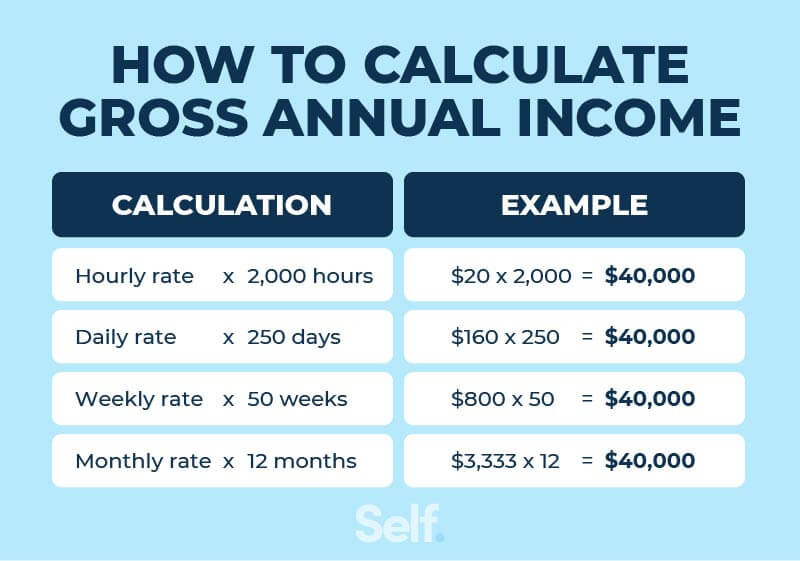
Your gross annual salary is the total amount of money your employer pays you over a year before any deductions are taken out. This is the figure typically quoted in job offers and employment contracts. For salaried employees, it’s usually a straightforward annual sum. For hourly workers, it’s the sum of your hourly rate multiplied by the total number of hours worked in a year, including any overtime. Bonuses, commissions, and other pre-tax additions are also part of your gross income. This figure is vital for understanding your earning potential and for calculations related to loans, mortgages, and certain benefits.
Navigating Net Salary: What You Actually Take Home
Your net annual salary, often referred to as your “take-home pay,” is the amount of money you receive after all deductions have been subtracted from your gross salary. This is the money that lands in your bank account, ready for you to spend, save, or invest. The discrepancy between gross and net can often surprise people, making it imperative to understand what constitutes these deductions. Ignoring the impact of these deductions leads to an inflated perception of your available funds and can severely undermine your financial planning efforts. Focusing solely on gross pay can lead to overspending or unrealistic budgeting.
Step-by-Step Calculation Methods for Various Pay Structures
Calculating your annual salary varies depending on how you are paid. Let’s explore the most common scenarios.
From Hourly to Annual: Your Earnings Per Hour
If you are paid an hourly wage, converting this to an annual salary requires a few simple steps. The standard assumption for a full-time work year is 2,080 hours (40 hours/week x 52 weeks/year).
- Standard Hours: Multiply your hourly rate by the number of hours you work per week. Then multiply that weekly total by 52 (the number of weeks in a year).
- Example: $20/hour x 40 hours/week = $800/week. $800/week x 52 weeks/year = $41,600/year.
- Accounting for Overtime: If you regularly work overtime, you’ll need to factor this in. Overtime is typically paid at 1.5 times your regular hourly rate.
- Example (with overtime): If you work 45 hours/week at $20/hour, with 5 hours of overtime:
- Regular pay: $20/hour x 40 hours = $800
- Overtime pay: ($20 x 1.5) x 5 hours = $30 x 5 = $150
- Total weekly gross: $800 + $150 = $950
- Annual gross: $950/week x 52 weeks/year = $49,400/year.
- Example (with overtime): If you work 45 hours/week at $20/hour, with 5 hours of overtime:
- Variable Hours: If your hours fluctuate, it’s best to calculate your average weekly hours over a longer period (e.g., 3-6 months) to get a more accurate annual estimate.
Weekly, Bi-Weekly, and Semi-Monthly: Regular Paycheck Conversions
Many employees receive paychecks on a regular schedule that isn’t monthly.
- Weekly Pay: If you get paid weekly, simply multiply your gross weekly pay by 52.
- Example: $900/week x 52 weeks/year = $46,800/year.
- Bi-Weekly Pay: If you get paid every two weeks (26 paychecks a year), multiply your gross bi-weekly pay by 26.
- Example: $1,800/bi-weekly x 26 pay periods/year = $46,800/year.
- Semi-Monthly Pay: If you get paid twice a month (24 paychecks a year), multiply your gross semi-monthly pay by 24. This is often confused with bi-weekly but results in fewer paychecks annually.
- Example: $2,000/semi-monthly x 24 pay periods/year = $48,000/year.
Monthly to Annual: The Most Straightforward Conversion
For those paid a fixed monthly salary, the calculation is quite simple. This is common for many salaried professional positions.
- Multiply your gross monthly salary by 12 (the number of months in a year).
- Example: $4,000/month x 12 months/year = $48,000/year.
Beyond the Basics: Accounting for Deductions and Benefits
A truly comprehensive understanding of your annual salary requires delving into the deductions that shrink your gross pay and the benefits that add significant value to your total compensation package.
Mandatory Deductions: Taxes, Social Security, and Medicare
These are non-negotiable deductions that employers are legally required to withhold from your paycheck.
- Federal Income Tax: The amount withheld depends on your income, filing status, and the allowances you claim on your W-4 form. This is a progressive tax, meaning higher earners pay a larger percentage.
- State and Local Income Taxes: Many states and some localities also impose income taxes, which vary widely.
- Social Security Tax (FICA): A federal tax that funds Social Security benefits. Employees currently pay 6.2% of their gross wages up to an annual limit.
- Medicare Tax (FICA): Another federal tax that funds Medicare, currently 1.45% of all gross wages (with no income limit). High earners may pay an additional Medicare tax.
These mandatory deductions can easily account for 20-35% or more of your gross pay, significantly impacting your net salary.
Voluntary Deductions: Retirement, Health Insurance, and More
These deductions are typically elected by the employee and contribute to various benefits or savings plans.
- Health Insurance Premiums: Your share of the cost for health, dental, and vision insurance plans. These are often pre-tax deductions, which can reduce your taxable income.
- Retirement Contributions: Deductions for 401(k), 403(b), or other employer-sponsored retirement plans. These are often pre-tax, allowing your contributions to grow tax-deferred.
- Life and Disability Insurance: Premiums for supplemental insurance policies.
- Flexible Spending Accounts (FSAs) or Health Savings Accounts (HSAs): Pre-tax contributions for healthcare or dependent care expenses.
- Union Dues: If applicable, fees paid to a labor union.
- Loan Repayments: Sometimes, employers facilitate deductions for company loans or other repayments.
These voluntary deductions, while reducing your immediate take-home pay, often provide substantial long-term financial security and tax advantages.
The Hidden Value: Non-Cash Benefits and Total Compensation
Beyond direct salary, many employers offer a suite of non-cash benefits that significantly increase the overall value of your compensation package. Understanding and quantifying these benefits is crucial for assessing your true “total compensation.”
- Employer Contributions to Health Insurance: Often, the employer pays a significant portion of health insurance premiums, which can be thousands of dollars annually.
- Retirement Plan Matching: Many employers match a percentage of your 401(k) or 403(b) contributions, effectively providing “free money” for your retirement. This can be a substantial sum over time.
- Paid Time Off (PTO): Vacation days, sick leave, and holidays have a monetary value. Calculate this by multiplying your daily rate by the number of paid days off.
- Bonuses and Commissions: While not always guaranteed, performance-based bonuses, annual bonuses, or sales commissions can add significantly to your annual earnings.
- Stock Options/Grants: Especially prevalent in tech and startups, these offer the opportunity to purchase company stock at a predetermined price or receive shares as part of your compensation. Valuing these requires understanding vesting schedules and market fluctuations.
- Other Perks: Tuition reimbursement, professional development stipends, gym memberships, transportation allowances, employee discounts, and even free meals can add tangible value to your package.
To calculate your total compensation, you would sum your gross annual salary with the monetary value of all these non-cash benefits. This figure often paints a much richer picture of your true earnings than salary alone.
The Strategic Importance of Knowing Your Annual Salary
Beyond simple accounting, accurately calculating and understanding your annual salary (gross, net, and total compensation) is a powerful tool for strategic financial and career planning.
Budgeting and Financial Planning
Your net annual salary is the bedrock of your personal budget. Knowing precisely how much money you have coming in after all deductions enables you to:
- Create Realistic Budgets: Allocate funds effectively for housing, utilities, food, transportation, and discretionary spending without overcommitting.
- Set Attainable Savings Goals: Determine how much you can realistically save for emergencies, down payments, or other financial milestones.
- Manage Debt: Formulate a plan to pay down credit cards, student loans, or other debts with a clear understanding of your available cash flow.
- Track Financial Progress: Monitor your spending and saving habits against your goals, making adjustments as needed.
Without an accurate figure, budgeting becomes guesswork, often leading to financial stress and missed opportunities.
Tax Planning and Liabilities
Understanding your gross annual salary and the types of deductions taken allows for more informed tax planning.
- Estimate Tax Liabilities: Knowing your gross income helps you anticipate your federal and state tax obligations and avoid surprises come tax season.
- Optimize Withholding: You can adjust your W-4 form to ensure the correct amount of tax is withheld, avoiding large refunds (which means you’ve overpaid throughout the year) or, worse, owing a significant amount.
- Identify Tax-Advantaged Opportunities: Contributions to pre-tax retirement accounts (401(k), traditional IRA) and FSAs reduce your taxable income, lowering your overall tax burden. An awareness of your annual earnings empowers you to maximize these benefits.
Career Negotiation and Growth
Your annual salary is a key indicator of your market value and plays a crucial role in career advancement.
- Evaluate Job Offers: When comparing job offers, it’s not just about the base salary. A comprehensive understanding of total compensation allows you to weigh the value of different benefit packages, bonuses, and long-term incentives. A lower base salary with superior benefits (like a high 401(k) match or generous health insurance) might be more valuable than a higher base salary with minimal benefits.
- Negotiate Raises and Promotions: Knowing your current total compensation and researching market rates for your role and experience level empowers you to negotiate effectively for raises, promotions, or better benefits. Presenting your case with solid figures demonstrates your value.
- Long-Term Career Planning: Tracking your annual salary over time helps you assess your career growth and ensures your compensation keeps pace with inflation and industry standards. It allows you to make strategic decisions about career changes, skill development, and educational pursuits to maximize your earning potential.
Tools and Tips for Accurate Salary Calculation
While the calculations themselves are straightforward, ensuring accuracy requires attention to detail and leveraging available resources.
Leveraging Pay Stubs and Offer Letters
Your most reliable sources of information are your official documents:
- Pay Stubs: Every pay period, your employer provides a pay stub detailing your gross pay, all deductions, and your net pay. Keep these records; they are invaluable for tracking your income and understanding your deductions throughout the year.
- Offer Letters/Employment Contracts: These documents clearly state your base salary, hourly rate, and often outline key benefits like bonuses, retirement matching, and health insurance contributions.
Cross-referencing these documents throughout the year ensures your calculations align with what your employer reports.
Utilizing Online Calculators and Spreadsheets
For quick estimates and detailed tracking, digital tools are incredibly useful:
- Online Salary Calculators: Many websites offer free salary calculators where you can input your hourly rate or annual salary, select your pay frequency, and even estimate deductions based on your state and tax withholdings. These are great for preliminary estimates.
- Spreadsheets (Excel, Google Sheets): For a more personalized and flexible approach, create your own spreadsheet. This allows you to meticulously track your gross pay, individual deductions, and estimate the value of benefits. You can set up formulas to automatically calculate your annual figures and even project your income over several years.

Seeking Professional Advice
While self-calculation is often sufficient, there are times when professional guidance is beneficial:
- Financial Advisors: A certified financial planner can help you integrate your salary information into a broader financial plan, offering advice on budgeting, investing, and retirement planning.
- HR Professionals: If you have questions about specific deductions, benefits, or how your total compensation package is structured, your company’s HR department is the best resource. They can clarify company policies and benefit details.
- Tax Professionals: For complex tax situations, a tax accountant or enrolled agent can help you understand the tax implications of your income, deductions, and benefits, ensuring you’re optimizing your tax strategy.
Mastering the calculation of your annual salary is more than just an arithmetic exercise; it’s a critical skill for financial literacy and empowerment. By understanding your gross earnings, the impact of deductions, and the full value of your benefits, you gain invaluable insight into your financial landscape, enabling smarter decisions about your money, your career, and your future.
aViewFromTheCave is a participant in the Amazon Services LLC Associates Program, an affiliate advertising program designed to provide a means for sites to earn advertising fees by advertising and linking to Amazon.com. Amazon, the Amazon logo, AmazonSupply, and the AmazonSupply logo are trademarks of Amazon.com, Inc. or its affiliates. As an Amazon Associate we earn affiliate commissions from qualifying purchases.