
For millions of Americans, Social Security benefits form a critical pillar of their retirement income, providing a dependable stream of funds designed to support them in their golden years. However, the question of “how much Social Security will I collect?” is far from straightforward. It’s a complex calculation influenced by a myriad of personal factors, strategic decisions, and the foundational rules set by the Social Security Administration (SSA). Understanding these elements is crucial not just for predicting your future income, but for making informed choices that can significantly impact your financial well-being throughout retirement.
This article delves into the intricacies of Social Security benefits, demystifying the factors that determine your payout and offering insights into how you can estimate and potentially optimize the amount you receive. Whether retirement is decades away or right around the corner, gaining clarity on your Social Security picture is an essential step in robust financial planning.
Understanding the Foundation of Your Social Security Benefits
Before we can estimate your potential payout, it’s vital to grasp the core mechanics of how Social Security benefits are calculated and who is eligible to receive them. This system is designed to provide a safety net, primarily for retired workers, but also for their spouses, children, and survivors.
What is Social Security, Fundamentally?
Social Security is a federal insurance program primarily funded through payroll taxes (FICA taxes). These taxes are deducted from the earnings of most American workers, with employers matching a portion. The funds collected are then used to pay benefits to current retirees, individuals with disabilities, and survivors of deceased workers. It operates on a “pay-as-you-go” system, meaning today’s workers fund today’s beneficiaries. It’s not a personal savings account where your contributions are set aside specifically for you; rather, it’s a social insurance program.
Eligibility Requirements: Earning Work Credits
To qualify for Social Security retirement benefits, you need to earn sufficient “work credits.” These credits are accumulated throughout your working life based on your annual earnings. In 2024, you earn one work credit for every $1,730 in earnings, up to a maximum of four credits per year. Most people need 40 work credits, which equates to 10 years of working and paying Social Security taxes, to be eligible for retirement benefits. These credits are the fundamental gateway to receiving any benefits at all.
Your Primary Insurance Amount (PIA)
The heart of your Social Security benefit calculation is your Primary Insurance Amount (PIA). This is the monthly benefit you would receive if you claim benefits at your Full Retirement Age (FRA). The SSA calculates your PIA using a formula that takes your highest 35 years of indexed earnings (earnings adjusted for inflation) into account. If you have fewer than 35 years of earnings, zero-income years will be averaged in, which can reduce your PIA. The PIA calculation is weighted to provide a relatively higher replacement rate of pre-retirement earnings for lower-income workers.
Key Factors Influencing Your Benefit Amount
While your work history forms the basis, several critical factors can significantly alter the actual dollar amount you receive each month. Understanding these variables allows you to make strategic decisions.
Lifetime Earnings: The More You Earn, The More You Get (Up to a Point)
The single most influential factor in determining your Social Security benefit is your lifetime earnings record. The SSA considers your “Average Indexed Monthly Earnings” (AIME), which is derived from your highest 35 years of earnings, adjusted for changes in average wages in the national economy. Generally, the higher your average indexed earnings over these 35 years, the higher your PIA will be.
It’s important to note there’s a cap on earnings subject to Social Security taxes each year (the “taxable maximum”). For example, in 2024, earnings above $168,600 are not subject to Social Security taxes, nor are they counted towards your benefit calculation. This means that while higher earners will receive more, their benefits don’t increase indefinitely with income; there’s a practical ceiling.
Your Age at Claiming: A Crucial Timing Decision
Perhaps the most impactful decision you’ll make regarding your Social Security benefit is when to start collecting. You can begin receiving benefits as early as age 62, at your Full Retirement Age (FRA), or delay them up to age 70.
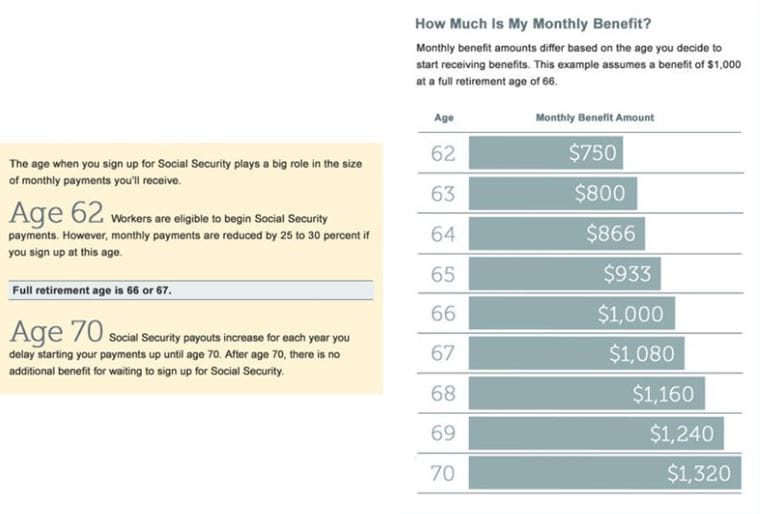
- Claiming Early (Age 62-FRA): Starting benefits before your FRA results in a permanent reduction in your monthly payment. For example, if your FRA is 67, claiming at 62 could reduce your monthly benefit by as much as 30%. While you receive payments for more years, each payment is smaller.
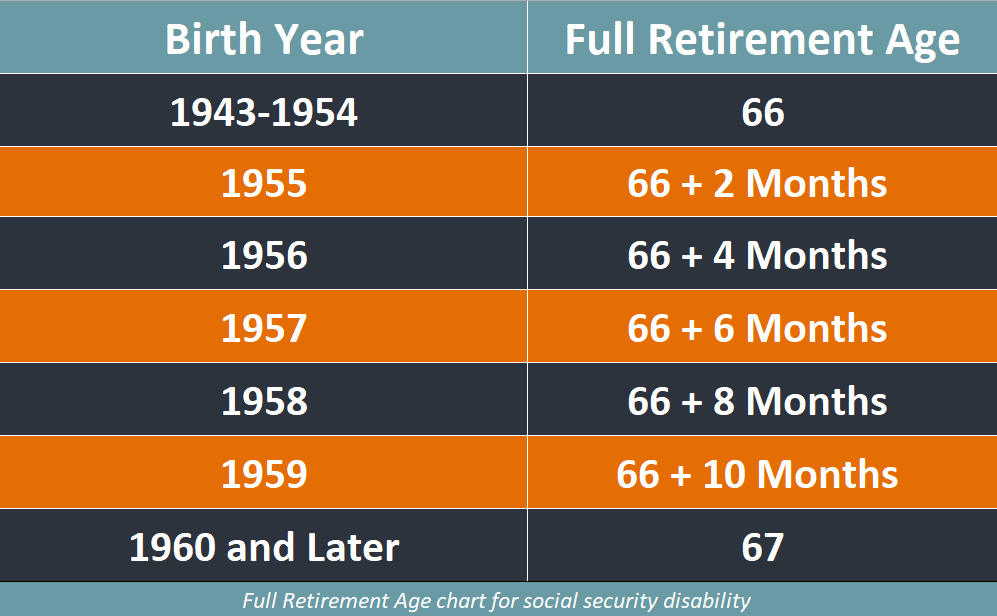
- Claiming at Full Retirement Age (FRA): Your FRA depends on your birth year. For those born in 1943 or later, FRA ranges from 66 to 67. Claiming at this age entitles you to 100% of your Primary Insurance Amount (PIA).
- Delaying Benefits (FRA-Age 70): For each year you delay claiming past your FRA, up to age 70, your monthly benefit increases by a certain percentage, known as Delayed Retirement Credits (DRCs). These credits amount to an 8% increase per year. Delaying until age 70 can result in a monthly benefit that is significantly higher (e.g., 24-32% higher for those with an FRA of 66 or 67) than what you would receive at your FRA.
This timing decision involves a complex interplay of personal health, longevity expectations, current income needs, and other retirement resources.
Spousal and Survivor Benefits: Beyond Your Own Earnings
Social Security also provides benefits to eligible family members, which can significantly impact household income.
- Spousal Benefits: If you are married, your spouse may be eligible for benefits based on your earnings record, even if they have little or no work history themselves. A spouse can receive up to 50% of your PIA at their FRA.
- Survivor Benefits: If you pass away, your eligible survivors (spouse, children, dependent parents) may be able to receive benefits based on your work record. This provides crucial financial protection for families.
Understanding these auxiliary benefits is essential, especially for couples, as claiming strategies can be optimized to maximize benefits for both spouses over their lifetimes.
Navigating Your Claiming Strategy
The decision of when to claim Social Security is deeply personal and should be an integral part of your overall retirement planning. There’s no one-size-fits-all answer, but understanding the implications of each choice is key.
Claiming Early: Balancing Immediate Needs with Long-Term Reductions
Many individuals choose to claim Social Security at age 62, the earliest possible age. This decision is often driven by immediate financial needs, early retirement due to health issues, job loss, or simply the desire to start receiving money sooner. The advantage is a quicker start to receiving income. The significant disadvantage, however, is a permanent reduction in your monthly benefit amount. This reduced amount is what you will receive for the rest of your life, which can amount to hundreds of thousands of dollars less over a long retirement. It also affects potential survivor benefits for your spouse.
Claiming at Full Retirement Age (FRA): The Default Benchmark
Claiming at your Full Retirement Age (FRA) means you receive 100% of your Primary Insurance Amount (PIA). For many, this represents a balanced approach, providing a substantial benefit without the reductions associated with early claiming or the waiting period of delayed claiming. It’s often the natural choice if you plan to retire around that age and have sufficient other resources to cover expenses until then.
Delaying Benefits: Maximizing Your Monthly Payout
For those who are able, delaying Social Security benefits past their FRA, up to age 70, can be a powerful strategy to maximize monthly income. Each year you delay, your benefit grows by 8% (through Delayed Retirement Credits). This can be particularly appealing if you have other retirement savings (like 401(k)s or IRAs) to draw from in the interim, anticipate a long lifespan, or want to provide a higher potential survivor benefit for your spouse. The compounded growth rate offered by delaying is often difficult to match with other low-risk investments. However, the trade-off is foregone income during the delay period.
Tools and Resources for Estimation and Planning
Fortunately, you don’t have to navigate these complex calculations alone. The SSA provides robust tools and resources to help you estimate your future benefits and plan effectively.
The Social Security Administration (SSA) Online Account
Your most valuable resource is your personal “my Social Security” online account. Creating an account allows you to:
- View your detailed earnings record and correct any errors.
- Get personalized estimates of your future retirement, disability, and survivor benefits at various claiming ages.
- Check the status of an application.
- Print a benefit verification letter.
This online portal provides the most accurate and up-to-date information specific to your work history. It’s highly recommended that every working American establish and regularly review their “my Social Security” account.
Using the SSA’s Benefit Calculators
The SSA website also offers various online calculators that allow you to model different scenarios. These tools can help you understand how changes in your earnings, claiming age, or other factors might impact your benefit amount. They are excellent for “what-if” planning and can help you visualize the financial implications of different claiming strategies.
Consulting a Financial Advisor
While the SSA tools are excellent for estimations, integrating Social Security into a comprehensive retirement plan often benefits from professional guidance. A qualified financial advisor can help you:
- Analyze your specific financial situation, including other savings and assets.
- Evaluate your health, longevity expectations, and risk tolerance.
- Develop an optimized claiming strategy for you and your spouse.
- Understand the tax implications of your benefits.
- Integrate Social Security benefits with your other income sources for a holistic retirement plan.
Beyond the Numbers: Integrating Social Security into Your Retirement Plan
Understanding “how much Social Security will I collect” is just one piece of the retirement puzzle. It needs to be considered within the broader context of your financial life.
Social Security as a Pillar, Not the Entire Foundation
While significant, Social Security was never intended to be your sole source of retirement income. On average, it replaces about 40% of pre-retirement earnings for a moderate earner. For higher earners, this percentage is lower. Therefore, it’s crucial to view Social Security as one important pillar alongside personal savings (401(k)s, IRAs, brokerage accounts), pensions, and other income streams. A well-diversified retirement plan relies on multiple sources to ensure financial security.
Tax Implications of Social Security Benefits
It’s important to be aware that your Social Security benefits may be subject to federal income tax, and in some states, state income tax. If your “provisional income” (which includes your adjusted gross income, tax-exempt interest, and half of your Social Security benefits) exceeds certain thresholds, a portion of your benefits becomes taxable. Planning for these potential taxes is vital to avoid unwelcome surprises in retirement.

Future of Social Security: What to Consider
Concerns about the long-term solvency of the Social Security system are common. While projections indicate the trust funds may only be able to pay a reduced percentage of promised benefits in the distant future if no legislative changes are made, it is highly unlikely that Social Security will disappear entirely. The program has strong public and political support. However, these discussions underscore the importance of not relying solely on Social Security and maintaining a robust personal savings plan.
In conclusion, determining how much Social Security you will collect involves understanding your work history, the SSA’s calculation methods, and the profound impact of your claiming age. By actively engaging with the resources provided by the SSA and considering professional advice, you can gain clarity, make informed decisions, and strategically position your Social Security benefits as a strong, reliable component of your overall retirement security.
aViewFromTheCave is a participant in the Amazon Services LLC Associates Program, an affiliate advertising program designed to provide a means for sites to earn advertising fees by advertising and linking to Amazon.com. Amazon, the Amazon logo, AmazonSupply, and the AmazonSupply logo are trademarks of Amazon.com, Inc. or its affiliates. As an Amazon Associate we earn affiliate commissions from qualifying purchases.