
Navigating the landscape of healthcare insurance costs can often feel like deciphering a complex financial puzzle. For many individuals and families, the question “how much is healthcare insurance?” isn’t just a matter of curiosity; it’s a critical component of their financial planning, dictating monthly budgets, savings strategies, and even major life decisions. The answer, unfortunately, is rarely a simple, single figure. Instead, it’s a dynamic sum influenced by a multitude of factors, ranging from personal demographics to policy choices and market conditions. Understanding these variables is the first step towards making informed decisions that protect both your health and your wallet.
Healthcare insurance is more than just a monthly premium; it’s a multifaceted financial product designed to mitigate the potentially catastrophic costs of medical care. From routine check-ups and prescription drugs to emergency surgeries and long-term treatments, the expenses can quickly escalate into figures that would be financially crippling for most without adequate coverage. This article will delve into the intricacies of healthcare insurance costs, exploring the primary drivers behind premiums, the different types of plans available, the true out-of-pocket expenses beyond the monthly payment, and strategies for managing these significant financial commitments within the broader context of personal finance.
The Multi-Faceted Factors Influencing Healthcare Insurance Premiums
The premium you pay for healthcare insurance is not arbitrary; it’s the result of a complex calculation that considers a blend of individual characteristics, policy features, and market dynamics. Understanding these contributing factors is crucial for demystifying your monthly bill and identifying potential avenues for cost savings.
Age and Location: Demographics at Play
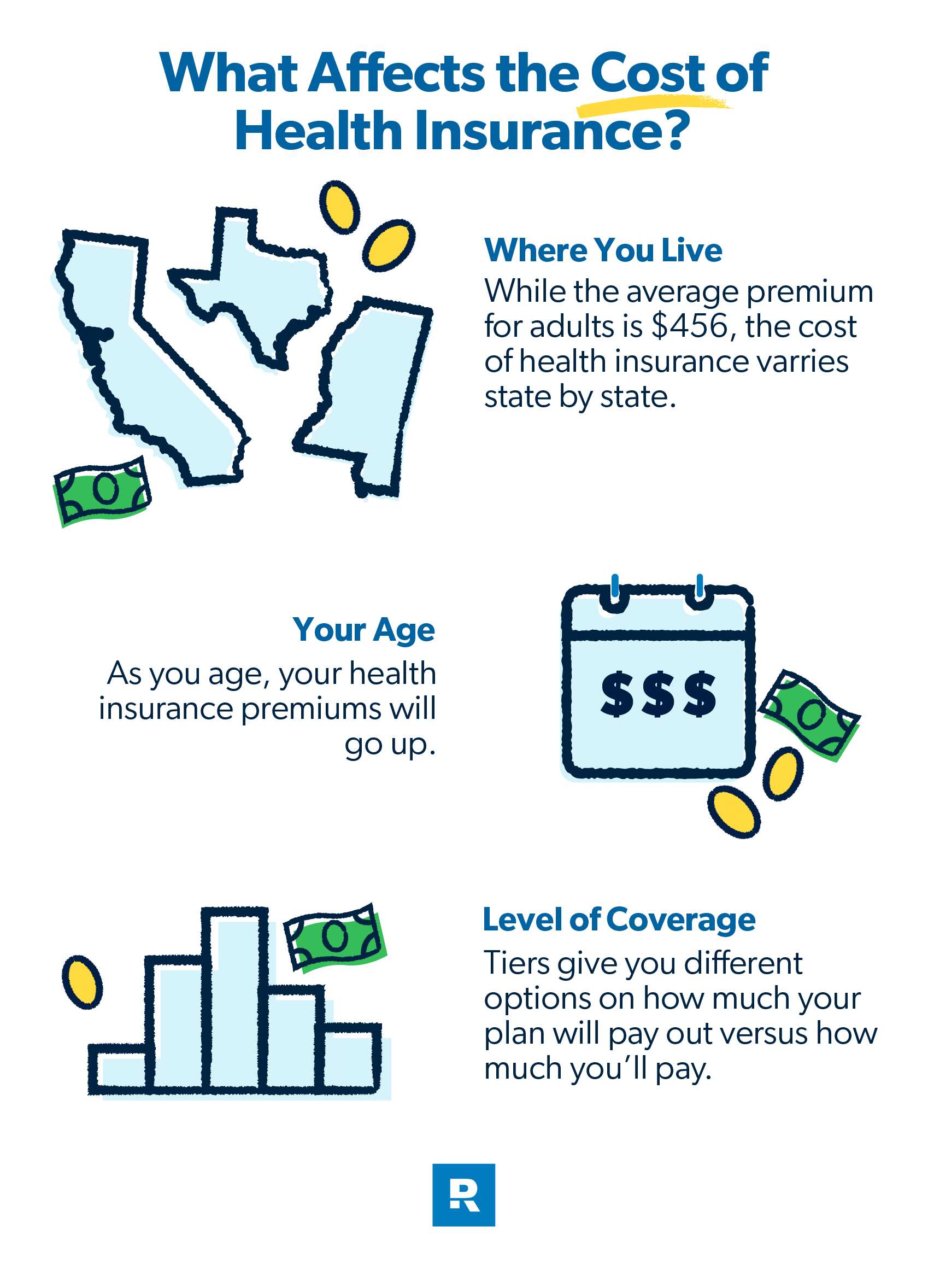
Perhaps two of the most significant external factors influencing your healthcare insurance premium are your age and where you live. Generally, older individuals tend to incur higher healthcare costs as they are statistically more likely to need medical care, leading to higher premiums. Insurance companies, through actuarial science, price policies to reflect this increased risk. Similarly, geographic location plays a pivotal role. Healthcare costs vary significantly across different states, cities, and even specific zip codes. Factors like the local cost of living, the number of competing hospitals and providers, state regulations, and the overall health of the local population can all contribute to regional disparities in insurance premiums. A policy that costs $400 a month in a rural area might be $700 in a major metropolitan hub due to these variations.
Plan Type and Coverage Level: The Spectrum of Protection
The kind of plan you select and the breadth of its coverage directly correlate with its cost. There’s a fundamental trade-off between the premium you pay upfront and the level of financial protection and flexibility you receive. For instance, a plan with a lower monthly premium often comes with a higher deductible, meaning you’ll pay more out of pocket before your insurance starts covering costs. Conversely, plans with higher premiums typically offer more comprehensive benefits, lower deductibles, or a wider choice of providers. Categories like Bronze, Silver, Gold, and Platinum plans (common in the Affordable Care Act marketplace) illustrate this spectrum, with Bronze plans having the lowest premiums but highest out-of-pocket costs, and Platinum plans the reverse.
Health Status and Tobacco Use: Personal Risk Assessment
While the Affordable Care Act (ACA) largely prohibits insurers from denying coverage or charging more based on pre-existing conditions, health status can still indirectly influence overall costs through plan selection. For instance, an individual with chronic health issues might opt for a higher-premium plan with lower deductibles and more comprehensive benefits because they anticipate frequent medical needs, effectively “paying more” upfront to save later. Tobacco use, however, remains a direct factor that insurers can use to adjust premiums in many states. Smokers may face surcharges, reflecting the higher health risks associated with tobacco consumption.
Provider Network and Deductibles: Balancing Access and Upfront Costs
The size and type of provider network offered by a plan also impacts its price. Plans that provide access to a broad network of doctors and hospitals (like PPOs) generally cost more than those with more restricted networks (like HMOs), which typically require you to choose a primary care physician and obtain referrals for specialists. Furthermore, the deductible – the amount you must pay out-of-pocket for covered medical services before your insurance plan starts to pay – is a primary lever in premium setting. A higher deductible almost always corresponds to a lower monthly premium, and vice-versa. This financial decision requires a careful assessment of your personal health, anticipated medical needs, and risk tolerance.
Deciphering the Major Types of Health Insurance Plans
The landscape of health insurance plans is diverse, each designed with different structures, cost-sharing mechanisms, and provider access rules. Understanding these common plan types is essential for selecting a policy that aligns with your financial capacity and healthcare needs.
HMOs (Health Maintenance Organizations): Cost-Efficiency with Structure
HMO plans are characterized by their integrated approach to healthcare. They typically have lower monthly premiums compared to other plan types but come with specific rules regarding provider access. With an HMO, you usually need to choose a primary care physician (PCP) within the plan’s network. Your PCP then coordinates all your healthcare and provides referrals to specialists. Without a referral, care from a specialist (even within the network) may not be covered. Out-of-network care is generally not covered except in emergencies. This structured approach helps control costs, making HMOs an attractive option for those who value predictability and lower premiums and are comfortable working within a defined network.
PPOs (Preferred Provider Organizations): Flexibility at a Higher Price
PPOs offer more flexibility than HMOs, but this often comes with higher monthly premiums. With a PPO, you don’t typically need a PCP referral to see a specialist, and you have the option to receive care from both in-network and out-of-network providers. While you’ll pay less for using in-network doctors and hospitals (who have negotiated rates with the insurance company), PPOs still offer some coverage for out-of-network services, albeit at a higher cost-sharing level (e.g., higher deductibles, copayments, or coinsurance). PPOs are popular among individuals who desire more choice in their healthcare providers and are willing to pay more for that flexibility.
EPOs (Exclusive Provider Organizations) & POS (Point of Service) Plans: Hybrid Approaches
EPO plans are similar to PPOs in that you generally don’t need a referral to see a specialist. However, like HMOs, they typically won’t cover out-of-network care except in an emergency. This makes them a hybrid, offering some flexibility (no referrals) but strict network adherence. POS plans also combine features of HMOs and PPOs. You typically choose a PCP who manages your care and provides referrals, similar to an HMO. However, you can also opt to go out-of-network for care, though you’ll pay a higher cost for doing so, similar to a PPO. These plans can be a good middle ground for those seeking a balance between cost control and some degree of flexibility.
HDHPs (High-Deductible Health Plans) with HSAs: A Strategy for the Healthy and Prepared
High-Deductible Health Plans (HDHPs) have significantly higher deductibles than traditional insurance plans. In exchange for these higher deductibles, HDHPs typically feature much lower monthly premiums. They are often paired with a Health Savings Account (HSA), which is a tax-advantaged savings account that can be used to pay for qualified medical expenses. The money contributed to an HSA is tax-deductible, grows tax-free, and withdrawals for medical expenses are tax-free. HDHPs with HSAs can be an excellent financial strategy for healthier individuals who anticipate lower medical expenses and want to save for future healthcare costs while benefiting from lower premiums. They empower individuals to manage their healthcare spending more directly.
Beyond Premiums: Understanding Your Total Out-of-Pocket Exposure
While the monthly premium is the most visible cost of healthcare insurance, it represents only a fraction of your potential financial outlay. A comprehensive understanding of “how much is healthcare insurance” necessitates a deep dive into the various out-of-pocket expenses that come into play when you actually use your plan. These costs can significantly impact your personal finances, especially in the event of unexpected illness or injury.
Deductibles: The Initial Hurdle
The deductible is a cornerstone of health insurance cost-sharing. It is the specific amount of money you must pay out of your own pocket for covered medical services before your insurance plan begins to pay its share. For example, if you have a $3,000 deductible, you are responsible for the first $3,000 in covered medical expenses (excluding certain preventive services, which are often covered pre-deductible). Once you’ve met your deductible, your insurance company typically starts paying a percentage of your medical bills. High deductibles usually mean lower monthly premiums, but they require you to have sufficient savings readily available to cover that initial threshold.

Copayments and Coinsurance: Shared Costs for Services
Once your deductible is met, you still might not be completely off the hook.
Copayments (Copays) are fixed amounts you pay for specific medical services, such as doctor visits, specialist consultations, or prescription drugs, after your deductible has been met (though some plans may have copays that apply even before the deductible is met for certain services). For example, you might pay a $30 copay for a primary care visit and a $60 copay for a specialist visit.
Coinsurance is a percentage of the cost of a medical service that you are responsible for paying after your deductible has been met. For instance, if your plan has an 80/20 coinsurance, it means the plan pays 80% of the covered cost, and you pay the remaining 20%. If a procedure costs $1,000 after your deductible is met, and your coinsurance is 20%, you would pay $200. Copayments and coinsurance are designed to share the financial risk between the insured individual and the insurance company.
Out-of-Pocket Maximum: Your Financial Safety Net
The out-of-pocket maximum (or limit) is a crucial financial safeguard built into most health insurance plans. It is the absolute maximum amount you will have to pay for covered medical expenses in a given plan year. This limit includes your deductible, copayments, and coinsurance payments. Once you reach your out-of-pocket maximum, your insurance plan will typically pay 100% of the cost of all covered medical services for the remainder of the plan year. This feature provides invaluable financial protection, ensuring that even in the face of catastrophic illness or extensive medical treatment, your personal financial exposure is capped at a manageable figure. Without an out-of-pocket maximum, medical bills could continue to mount indefinitely, leading to financial ruin.
Unforeseen Costs: Prescription Drugs and Non-Covered Services
Beyond the standard deductibles, copays, and coinsurance, it’s important to account for other potential costs. Prescription drug coverage varies widely between plans, often with tiered systems where generic drugs are cheaper than preferred brand-name drugs, and specialty drugs are the most expensive. Some plans may require separate deductibles for prescription medications. Furthermore, not all medical services are covered by every plan. Elective procedures, certain alternative therapies, or experimental treatments might be excluded, leaving you fully responsible for their costs. It’s vital to review your plan’s summary of benefits and coverage (SBC) and formulary (list of covered drugs) carefully to understand these potential additional expenses.
Strategic Approaches to Lowering Your Healthcare Insurance Costs
Managing healthcare insurance costs is an ongoing financial endeavor. While many factors are beyond your direct control, there are several strategic approaches you can employ to potentially lower your premiums and overall out-of-pocket expenses, aligning your healthcare coverage with your financial goals.
Employer-Sponsored Plans: Leveraging Group Buying Power
For many individuals, the most cost-effective way to obtain healthcare insurance is through an employer-sponsored plan. Employers often subsidize a significant portion of employee premiums, sometimes covering up to 80% or more, making these plans considerably cheaper than purchasing individual coverage on the open market. Additionally, employer plans typically offer a range of options, allowing employees to choose a plan that best fits their needs and budget, and premiums are often paid pre-tax, further increasing savings. If you have access to an employer plan, it’s almost always the financially prudent choice.
Government Subsidies and Tax Credits: The Affordable Care Act (ACA) Marketplace
For those who do not have access to affordable employer-sponsored coverage, the Affordable Care Act (ACA) marketplace (HealthCare.gov or state exchanges) offers a vital avenue for obtaining insurance. A key feature of the ACA is the availability of subsidies and tax credits to make coverage more affordable. The Premium Tax Credit, for instance, can significantly reduce your monthly premium, while Cost-Sharing Reductions can lower your deductibles, copayments, and out-of-pocket maximums. Eligibility for these financial aids is based on income and household size, making insurance accessible to millions who might otherwise struggle to afford it. It’s crucial to explore these options if you’re purchasing coverage independently.
Exploring Health Savings Accounts (HSAs) and Flexible Spending Accounts (FSAs)
Beyond premium reduction, these tax-advantaged accounts offer powerful tools for managing healthcare costs.
Health Savings Accounts (HSAs) are available exclusively to those enrolled in a High-Deductible Health Plan (HDHP). Contributions are tax-deductible, the money grows tax-free, and withdrawals for qualified medical expenses are tax-free. HSAs are unique because the funds roll over year after year, and the account is portable, meaning it stays with you even if you change employers or insurance plans. This makes HSAs an excellent long-term savings and investment vehicle for healthcare.
Flexible Spending Accounts (FSAs) are offered by employers and allow you to set aside pre-tax money to pay for eligible out-of-pocket healthcare costs. While most FSAs have a “use it or lose it” rule (funds generally don’t roll over year-to-year, though some plans allow a small carryover or a grace period), they can still provide significant tax savings on expected medical and dental expenses. Utilizing these accounts effectively can dramatically reduce your taxable income and your net healthcare expenses.
Smart Plan Selection: Balancing Premium and Potential Out-of-Pocket Costs
Choosing the right plan involves more than just picking the lowest premium. It requires a thoughtful assessment of your health, your family’s medical history, and your financial situation. If you are generally healthy and anticipate minimal medical needs, a high-deductible plan with a lower premium might be a financially sound choice, especially if paired with an HSA. However, if you have chronic conditions, require regular medication, or expect significant medical expenses, a higher-premium plan with a lower deductible and more robust cost-sharing might ultimately be more cost-effective. Always consider the total potential cost, including deductibles, copays, and the out-of-pocket maximum, not just the monthly premium.
Maintaining Health and Wellness: Long-Term Savings
While not a direct financial strategy for reducing monthly premiums, investing in your health and wellness is arguably the most impactful long-term approach to lowering your overall healthcare costs. Regular preventive care (which is often covered at no additional cost by insurance plans), a healthy lifestyle, regular exercise, and a balanced diet can help prevent chronic diseases and reduce the need for costly medical interventions down the line. Avoiding tobacco and excessive alcohol consumption also plays a significant role. A proactive approach to health can lead to fewer doctor visits, fewer prescriptions, and a lower likelihood of encountering major medical events, ultimately saving you substantial amounts over your lifetime.
The Invaluable Return on Investment: Why Health Insurance Is a Financial Imperative
In the realm of personal finance, healthcare insurance isn’t merely an expense; it’s a critical investment with an invaluable return. While the monthly premiums can feel like a burden, particularly when you’re healthy and rarely use your benefits, the financial protection and peace of mind it offers are indispensable. The question of “how much is healthcare insurance” should always be framed against the backdrop of “how much could I lose without it?”
Protecting Against Catastrophic Medical Debt
The primary and most crucial role of healthcare insurance is to shield you from the potentially devastating financial consequences of serious illness or injury. A single emergency room visit, a surgery, or a diagnosis requiring long-term treatment can quickly generate medical bills that run into the tens or even hundreds of thousands of dollars. Without insurance, such costs can lead to crippling debt, bankruptcy, and long-term financial instability. Health insurance acts as a financial firewall, limiting your exposure to a manageable out-of-pocket maximum and preventing unforeseen medical events from completely derailing your financial future. It’s a fundamental pillar of financial security, far more impactful than many other discretionary expenses.
Access to Preventive Care: Saving Money in the Long Run
Most health insurance plans, particularly those adhering to ACA guidelines, cover a range of preventive services at no additional cost to you, even before your deductible is met. This includes annual physicals, immunizations, screenings for various diseases (like cancer and high blood pressure), and wellness counseling. While these services might seem like minor benefits, they are crucial for early detection and prevention of serious health issues. Catching a condition early through a routine screening can prevent it from escalating into a more complex, costly, and life-threatening illness. Investing in preventive care through your insurance ultimately saves you money by avoiding more expensive treatments down the road and promotes a healthier, more productive life.

Peace of Mind: A Priceless Financial Benefit
Beyond the tangible financial protections, healthcare insurance offers a priceless benefit: peace of mind. Knowing that you and your family are covered in the event of an unexpected medical emergency provides a profound sense of security. It frees you from the constant anxiety of how you would afford care if something went wrong, allowing you to focus on your health and recovery rather than mounting medical bills. This psychological benefit, while not quantifiable in monetary terms, contributes significantly to overall well-being and reduces financial stress, which in itself has positive health implications.
In conclusion, “how much is healthcare insurance” is a dynamic and personal calculation, influenced by age, location, plan type, and personal health. While the costs are significant and require careful financial planning, the investment in health coverage is an absolute necessity for robust personal finance. It’s a complex equation, but one where understanding the variables and strategic utilization of available resources can lead to better health outcomes and stronger financial resilience.
aViewFromTheCave is a participant in the Amazon Services LLC Associates Program, an affiliate advertising program designed to provide a means for sites to earn advertising fees by advertising and linking to Amazon.com. Amazon, the Amazon logo, AmazonSupply, and the AmazonSupply logo are trademarks of Amazon.com, Inc. or its affiliates. As an Amazon Associate we earn affiliate commissions from qualifying purchases.