
The dream of retirement often conjures images of leisure, travel, and freedom from the daily grind. Yet, for many, this dream remains a hazy aspiration, clouded by uncertainty about the financial requirements needed to make it a reality. One of the most frequently asked, and arguably most crucial, questions in personal finance is: “How much money do I actually need to retire comfortably?” The answer, while deeply personal and multifaceted, is no longer an insurmountable mystery thanks to sophisticated financial tools, chief among them the retirement calculator. Far from being a mere number-crunching utility, a well-utilized retirement calculator serves as a roadmap, a reality check, and a powerful motivator, transforming abstract financial goals into concrete, actionable plans.
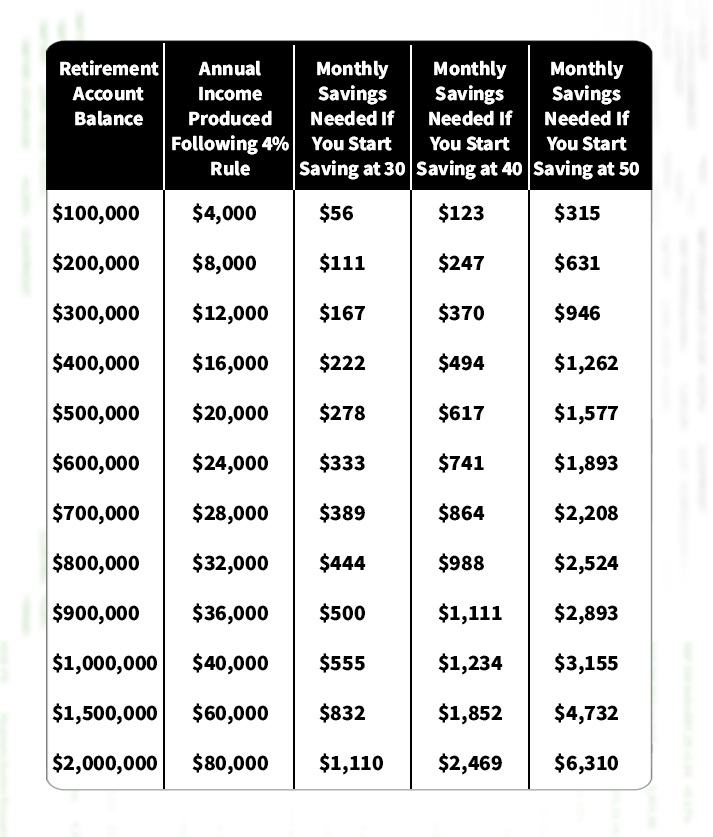
In an era of increasing life expectancies, shifting pension landscapes, and volatile markets, taking charge of one’s retirement planning has never been more imperative. Relying solely on intuition or anecdotal evidence is a gamble few can afford. This is where the retirement calculator steps in, providing a structured framework to estimate your future financial needs, assess your current trajectory, and empower you to make informed decisions. It’s not just about arriving at a single, static figure; it’s about understanding the variables, testing different scenarios, and building resilience into your long-term financial strategy.
The Indispensable Role of a Retirement Calculator in Your Financial Journey
The journey to financial independence and a comfortable retirement is a marathon, not a sprint. Without clear milestones and an understanding of the terrain ahead, it’s easy to lose motivation or veer off course. A retirement calculator is the compass and altimeter for this journey, providing essential guidance and context.
Why Procrastination is the Enemy of Financial Security
The insidious nature of procrastination in financial planning is particularly damaging when it comes to retirement. The power of compound interest, the bedrock of long-term wealth accumulation, works most effectively over extended periods. Delaying your retirement planning means forfeiting years of potential growth, requiring you to save significantly more later to compensate. A retirement calculator often vividly illustrates this principle. By inputting different starting ages or contribution amounts, individuals can see the dramatic impact of even a few years’ delay. The calculator doesn’t just show you a final number; it implicitly reveals the cost of inaction, serving as a powerful impetus to begin saving now. It converts the abstract fear of an uncertain future into tangible numbers, making the need for immediate action undeniable. Without this quantitative feedback, it’s easy to rationalize delaying, underestimating the colossal advantage time offers to your nest egg.
From Ambiguity to Clarity: The Calculator’s Promise
One of the biggest hurdles in retirement planning is the sheer ambiguity surrounding future needs. How much will things cost in 20, 30, or even 40 years? What about inflation? How long will I live? These are complex questions that can overwhelm individuals, leading to paralysis by analysis. A retirement calculator strips away this ambiguity by providing a structured framework to address these variables. It simplifies complex financial projections, allowing users to input various assumptions and receive a clear, estimated retirement savings goal. This clarity is empowering. Instead of vaguely hoping for the best, you gain a concrete target, allowing you to formulate a focused savings and investment strategy. The calculator takes the guesswork out of the equation, transforming a daunting, abstract goal into a measurable objective. It provides a tangible number that can be broken down into monthly or annual savings targets, making the monumental task of retirement planning feel manageable and achievable.
Deconstructing Your Retirement Needs: Key Inputs and Variables
To yield accurate and useful results, a retirement calculator relies on a set of critical inputs. Understanding these variables and providing realistic data is paramount to obtaining a meaningful projection. Each piece of information acts as a building block for your future financial picture.
Lifestyle Aspirations vs. Reality: Defining Your Retirement Spending
The cornerstone of any retirement calculation is an honest assessment of your desired retirement lifestyle. Will you downsize, travel extensively, pursue new hobbies, or simply maintain your current standard of living without the daily commute? Most calculators ask for an estimated annual retirement expense, often as a percentage of your current income or a specific dollar amount. It’s crucial to be realistic here. Many people underestimate their retirement spending, assuming expenses will drop drastically. While some work-related costs disappear, others, like healthcare, leisure, and potentially more frequent dining out, might increase. A good strategy is to track your current spending for a few months, then adjust for what you anticipate changing in retirement. Don’t forget to factor in potential “bucket list” items like significant travel plans or home renovations, as these can significantly impact initial retirement years’ spending.
The Silent Saboteurs: Inflation and Healthcare Costs
Two often-underestimated factors that can erode purchasing power in retirement are inflation and healthcare costs.
- Inflation: The rising cost of goods and services over time means that a dollar today will buy less in the future. A good retirement calculator incorporates an inflation rate (typically 2-3% annually) to project your future expenses in today’s dollars. This ensures that the target savings amount will actually afford you the desired lifestyle when you reach retirement. Ignoring inflation is one of the most common and costly mistakes in retirement planning, as it can drastically diminish your nest egg’s real value.
- Healthcare Costs: These are arguably the biggest wild card in retirement. As we age, healthcare needs tend to increase, and while Medicare covers a portion, significant out-of-pocket expenses for premiums, deductibles, co-pays, and services not covered (like dental, vision, and long-term care) can accumulate rapidly. Calculators often allow you to input an estimated annual healthcare cost or a projected growth rate for these expenses. It’s wise to be conservative here, as medical inflation often outpaces general inflation. Considering supplemental insurance or a health savings account (HSA) can be vital strategies.
Longevity and Legacy: Planning for a Long and Prosperous Retirement
How long will your retirement last? While nobody has a crystal ball, estimating your life expectancy is critical. Modern calculators typically allow you to input your desired retirement age and an estimated age of death. With advances in medicine and healthier lifestyles, it’s prudent to plan for a longer retirement, perhaps into your 90s or even beyond, especially if you have a family history of longevity. Overestimating your lifespan is a safer bet than underestimating it, as running out of money in your later years is a significant concern. Some calculators also account for a “legacy” component, allowing you to plan for leaving an inheritance if that’s part of your financial goals.
Investment Growth and Risk Tolerance: Fueling Your Nest Egg
The rate at which your investments grow is a powerful accelerator for your retirement savings. Most calculators ask for an expected rate of return on your investments, both before and during retirement. This is where understanding your risk tolerance comes into play. Higher returns typically come with higher risk. A diversified portfolio often yields an average annual return over the long term, but these returns are never guaranteed. Be realistic and somewhat conservative with your estimated investment returns (e.g., 6-8% for a balanced portfolio, after inflation). Overly optimistic projections can lead to a dangerously low savings target. Furthermore, the calculator will likely ask about your current savings and planned annual contributions. These figures, combined with the investment growth rate, form the core projection of your future nest egg.
Navigating the Digital Landscape: How to Effectively Use a Retirement Calculator
Once you understand the inputs, the process of using a retirement calculator becomes straightforward, transforming a complex task into manageable steps.

Gathering Your Data: A Pre-Calculation Checklist
Before you even open a calculator, take some time to gather the necessary information. This pre-work will make the process much smoother and ensure the accuracy of your results.
- Current Savings: Total value of your 401(k), IRA, Roth IRA, taxable investment accounts, etc.
- Annual Contributions: How much you currently save each year across all retirement accounts.
- Current Age and Desired Retirement Age: Your age now and when you plan to stop working.
- Estimated Life Expectancy: A realistic age you expect to live to (e.g., 90-95).
- Current Annual Income: Used as a baseline for projecting retirement expenses.
- Desired Annual Retirement Income/Expenses: As discussed, this is critical.
- Inflation Rate: Most calculators have a default, but it’s good to be aware (e.g., 2.5-3%).
- Expected Rate of Return: A realistic, conservative estimate for your investments (e.g., 6-8%).
- Other Income Sources: Pensions, Social Security estimates, rental income, etc.
Step-by-Step: Inputting Your Financial Profile
Most online retirement calculators are user-friendly, guiding you through the process.
- Basic Information: Start by entering your current age, desired retirement age, and estimated life expectancy.
- Current Financials: Input your current retirement savings balance and your annual contributions.
- Income & Expenses: Provide your current income and, crucially, your desired annual retirement expenses.
- Assumptions: Adjust the default inflation rate and expected investment rate of return if you have specific reasons to do so, but generally, the defaults are a good starting point for conservative estimates.
- Other Income: Add any expected pension income or an estimate for Social Security benefits. Many calculators link to or provide guidance for estimating Social Security.
- Calculate: Hit the “Calculate” or “Generate Report” button.
Interpreting the Output: Beyond the Bottom Line
The calculator will typically provide a projected lump sum you’ll need at retirement, and sometimes, a monthly or annual savings shortfall/surplus.
- Target Savings: This is the magic number – the total amount of money the calculator estimates you’ll need to accumulate by your retirement age.
- Current Trajectory: Many calculators will show if you’re on track to meet that goal, falling short, or exceeding it, based on your current savings and contributions.
- Gap Analysis: If there’s a shortfall, the calculator might suggest how much more you need to save monthly or annually to bridge the gap.
- Visualizations: Look for charts and graphs that illustrate your projected savings growth over time, the impact of inflation, and how long your money will last. These visual aids can make complex data much easier to digest and understand. Don’t just focus on the final number; understand the journey shown in the projections.
Beyond the Numbers: Actionable Strategies and Continuous Adjustment
A retirement calculator is not merely a diagnostic tool; it’s a catalyst for action. The insights it provides should translate into concrete steps and a commitment to ongoing financial discipline.
Bridging the Gap: Practical Steps to Reach Your Goal
If the calculator reveals a shortfall, don’t despair. Instead, view it as an opportunity to adjust your strategy.
- Increase Contributions: This is often the most direct and effective lever. Can you increase your 401(k) or IRA contributions by even a small percentage point each year? Automate these increases to make them painless.
- Reduce Expenses: Look for areas in your current budget where you can cut back to free up more money for savings.
- Boost Income: Consider a side hustle, negotiating a raise, or investing in skills that lead to higher earning potential.
- Adjust Retirement Age: Working a few years longer can significantly reduce the amount you need to save and increase the number of years your money has to grow.
- Re-evaluate Retirement Lifestyle: Perhaps your initial aspirations were too grand. Can you achieve a fulfilling retirement with slightly less annual spending?
- Optimize Investments: Ensure your portfolio aligns with your risk tolerance and long-term goals. Are you taking enough (but not too much) risk to achieve your desired returns?
The Power of Compounding and Consistent Contributions
The calculator underscores the incredible power of compound interest. Even modest, consistent contributions, when given enough time to compound, can grow into substantial sums. The key is consistency and starting early. Regularly contributing, even small amounts, means your money starts earning returns, and then those returns start earning returns – a snowball effect that accelerates over decades. Automate your contributions to ensure they happen without conscious effort, turning saving into a habit rather than a chore. The calculator will clearly show how a disciplined, consistent approach can dramatically alter your retirement outlook compared to sporadic or delayed saving.
Regular Reviews and Revisions: Keeping Your Plan On Track
Your retirement plan is not a static document; it’s a living strategy that requires periodic review and adjustment. Life happens: you might get a promotion, change jobs, start a family, or face unexpected expenses. Market conditions fluctuate, and your personal goals may evolve.
- Annual Review: Revisit your retirement calculator at least once a year. Update your inputs with your current age, savings balance, and any changes in income or expenses.
- Life Events: After significant life changes (marriage, divorce, new child, job loss, inheritance), immediately re-run your calculations.
- Market Shifts: While you shouldn’t react to every market fluctuation, substantial downturns or upturns might warrant a check-in to see how your portfolio’s performance is impacting your projected outcome.
Regular reviews ensure your plan remains realistic and aligned with your goals, allowing you to make timely corrections before small deviations become significant problems.
Understanding the Nuances: Limitations and Advanced Considerations
While incredibly powerful, a retirement calculator is a tool, not a crystal ball. It relies on assumptions about the future, which are inherently uncertain.
The Human Element: Factors Calculators Can’t Fully Capture
No calculator can perfectly predict the future, nor can it account for every qualitative aspect of your life.
- Unforeseen Events: Job loss, disability, caring for elderly parents, or unexpected windfalls are difficult to model. Building an emergency fund and having adequate insurance are crucial for handling these curveballs.
- Behavioral Biases: Fear, greed, and procrastination are human tendencies that can derail even the best-laid plans. A calculator can give you numbers, but it can’t instill discipline.
- Qualitative Goals: A calculator measures financial needs, but it doesn’t quantify the joy of spending time with grandchildren, volunteering, or pursuing a passion that doesn’t cost much. Retirement is about more than money; it’s about purpose and well-being.
- Future Tax Law Changes: Tax policies can shift significantly over decades, impacting the effective value of your retirement savings. Calculators typically use current tax laws, but it’s a variable to acknowledge.

Seeking Professional Guidance: When to Consult a Financial Advisor
For complex financial situations, high net worth individuals, or those who simply prefer expert guidance, a retirement calculator can serve as an excellent starting point for discussions with a qualified financial advisor. An advisor can:
- Provide Personalized Strategies: Tailor advice to your unique circumstances, risk tolerance, and goals, going beyond what a generic calculator can offer.
- Integrate Estate Planning: Help you think about how your retirement assets fit into your broader estate plan.
- Optimize Tax Efficiency: Advise on strategies to minimize taxes on your retirement income and withdrawals.
- Navigate Complex Investments: Guide you through advanced investment vehicles or strategies.
- Offer Behavioral Coaching: Help you stay disciplined and avoid emotionally driven financial decisions.
A retirement calculator is a powerful DIY tool, but it doesn’t replace the nuanced wisdom and comprehensive planning a human expert can provide, especially when your financial picture becomes more intricate.
In conclusion, the question “how much do I need for retirement” is foundational to securing your financial future. The retirement calculator demystifies this query, transforming it from a source of anxiety into a measurable, manageable goal. By understanding its inputs, interpreting its outputs, and committing to ongoing adjustments, you can leverage this invaluable financial tool to build a robust retirement plan. It empowers you to take control, make informed decisions, and ultimately, pave the way for the retirement you truly envision – one marked by financial security, freedom, and peace of mind.
aViewFromTheCave is a participant in the Amazon Services LLC Associates Program, an affiliate advertising program designed to provide a means for sites to earn advertising fees by advertising and linking to Amazon.com. Amazon, the Amazon logo, AmazonSupply, and the AmazonSupply logo are trademarks of Amazon.com, Inc. or its affiliates. As an Amazon Associate we earn affiliate commissions from qualifying purchases.