
For many, retirement isn’t an abrupt end to working life but a transition. The desire to stay engaged, pursue new passions, or simply supplement income often leads retirees to consider working while simultaneously receiving Social Security benefits. This seemingly straightforward choice, however, comes with a critical caveat: the Social Security Administration (SSA) has rules governing how much you can earn before your benefits are reduced. Understanding these rules is paramount to making informed financial decisions in your later years.
This guide delves into the nuances of earning income while drawing Social Security, helping you navigate the earnings limits, understand their impact, and strategically plan your finances to make the most of your retirement.
Understanding Social Security’s Earnings Limit
The Social Security system is designed to replace a portion of your income in retirement. To ensure benefits primarily go to those who have fully or substantially retired, the SSA implements what’s known as the “retirement earnings test.” This test applies to individuals who are receiving Social Security benefits before they reach their full retirement age (FRA) and who continue to work.
What Constitutes “Earnings”?
Before diving into the limits, it’s crucial to understand what the SSA counts as “earnings.” Generally, this refers to income earned from working – wages from a job or net earnings from self-employment. It does not include income from investments, pensions, annuities, government retirement benefits, or other unearned income. So, if you’re living off dividends, capital gains, or rental income, these generally won’t affect your Social Security benefits, regardless of how much you earn. The focus is squarely on active employment income.
The Different Tiers of Earnings Limits
The amount you can earn before your benefits are affected depends significantly on your age relative to your full retirement age. The SSA has two primary earnings limits that apply: one for those before the year they reach FRA, and another for those in the year they reach FRA. Once you hit your full retirement age, these limits generally disappear.
1. Before the Year of Full Retirement Age
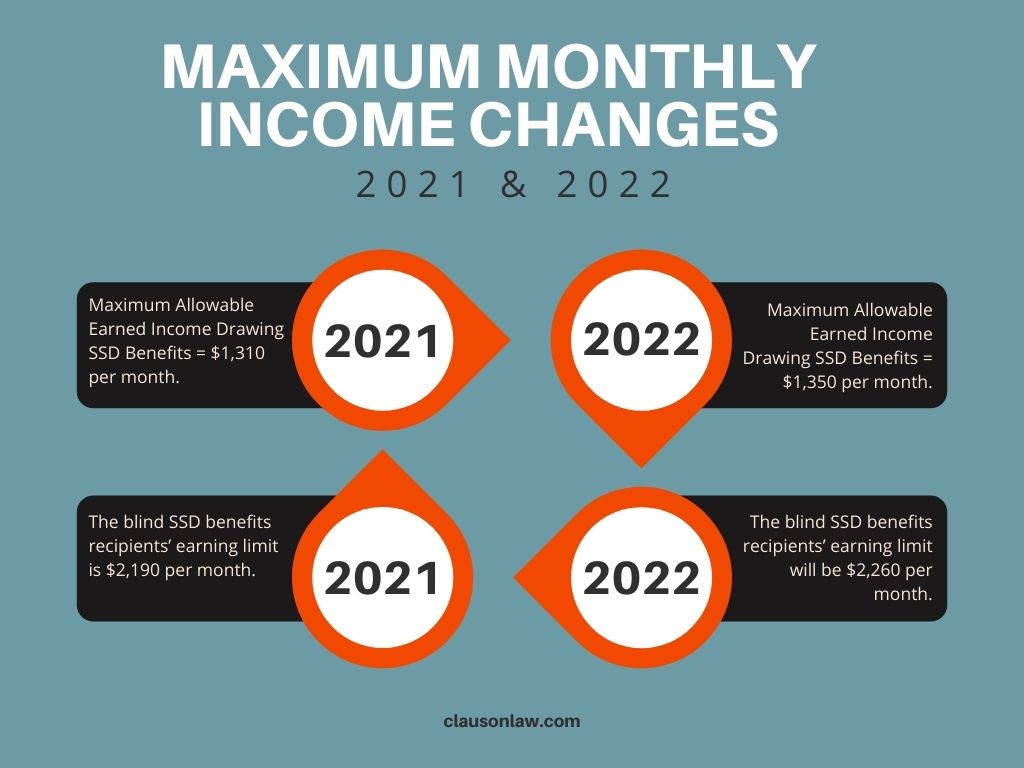
If you are receiving Social Security benefits and are under your full retirement age for the entire year, a specific earnings limit applies. For every two dollars you earn above this limit, your Social Security benefits will be reduced by one dollar. This reduction is applied to your total annual benefits, not just monthly.
For example, if the annual earnings limit before your FRA is $22,320 (as it was in 2024), and you earn $32,320, you’ve exceeded the limit by $10,000. Your Social Security benefits would then be reduced by $5,000 (one dollar for every two earned over the limit). This reduction could impact your monthly payments for the entire year or be withheld from earlier payments until the full amount is recovered.
2. In the Year You Reach Full Retirement Age
A more generous earnings limit applies during the calendar year in which you will reach your full retirement age, but only for the months before your birthday month. For every three dollars you earn above this higher limit, your Social Security benefits will be reduced by one dollar.
For example, if the earnings limit in the year you reach FRA is $59,520 (as it was in 2024), and you reach your FRA in October, this limit applies to your earnings from January through September. If you earn $65,520 during those months, you’ve exceeded the limit by $6,000. Your Social Security benefits would be reduced by $2,000 (one dollar for every three earned over the limit). After your birthday month, this earnings limit no longer applies.
It’s important to note that the SSA adjusts these earnings limits annually to account for average wage growth. Therefore, it’s crucial to check the most current figures on the official Social Security Administration website or consult a financial advisor for the most up-to-date information.
The Full Retirement Age (FRA) Factor and Benefit Restoration
The concept of Full Retirement Age (FRA) is central to understanding how earnings affect your Social Security benefits. Your FRA is the age at which you are entitled to receive 100% of your primary insurance amount (PIA). This age varies depending on your birth year.
What is Your Full Retirement Age?
- Born 1943-1954: FRA is 66
- Born 1955: FRA is 66 and 2 months
- Born 1956: FRA is 66 and 4 months
- Born 1957: FRA is 66 and 6 months
- Born 1958: FRA is 66 and 8 months
- Born 1959: FRA is 66 and 10 months
- Born 1960 or later: FRA is 67
Knowing your FRA is critical because it dictates when the earnings test ceases to apply.
No Earnings Limit After Full Retirement Age
Perhaps the most significant rule to remember is this: once you reach your full retirement age, the Social Security earnings limit no longer applies. You can earn any amount of money from work without your Social Security benefits being reduced. This freedom provides a significant incentive for many to wait until their FRA to claim benefits if they plan to continue working, or to simply enjoy unlimited earnings potential once they’ve reached that milestone.
How Benefits Are Restored
A common misconception is that benefits lost due to exceeding the earnings limit are simply gone forever. This is not entirely true. When your Social Security benefits are reduced due to the earnings test, the SSA keeps a record of those withheld funds. When you reach your full retirement age, your monthly benefit amount is recalculated to account for the months you didn’t receive benefits, or received reduced benefits, due to your earnings.
Essentially, the SSA gives you credit for the benefits they withheld. They adjust your future benefit payments upward to compensate for the reduction. This means that while you might experience a temporary dip in income while working before your FRA, those “lost” benefits generally contribute to a higher monthly payment later in your life, effectively restoring much of the value over your remaining lifespan. This adjustment process ensures that you eventually receive the full value of the benefits you are entitled to.
Strategic Approaches to Working in Retirement
For many, the desire to work in retirement isn’t solely about financial necessity; it’s about staying active, engaged, and purposeful. However, understanding the interplay between work and Social Security benefits allows for strategic planning to maximize both your income and your overall financial well-being.
Maximizing Income Without Triggering Limits
One direct approach is to structure your work so that your earnings stay below the annual limit. This might involve working fewer hours, taking on part-time roles, or choosing work that offers flexibility.
- Part-Time Employment: Many retirees successfully maintain part-time jobs that provide supplemental income without pushing them over the SSA’s earnings thresholds. This allows them to enjoy both a paycheck and their full Social Security benefit.
- The Gig Economy: The rise of the gig economy offers numerous opportunities for retirees to earn income on their own terms. Consulting, freelance writing, ridesharing, or selling handmade goods can provide flexible work that can be tailored to stay within earnings limits. The key here is careful tracking of net earnings from self-employment.
- Focus on Unearned Income: If your financial goals require substantial income, consider shifting your focus to investments, rental properties, or other sources of “unearned income” that do not count towards the Social Security earnings limit. This allows you to generate significant funds without impacting your benefits.
The “Sweet Spot” of Delaying Benefits
For those who are financially able to do so, delaying the start of Social Security benefits can be a powerful strategy.
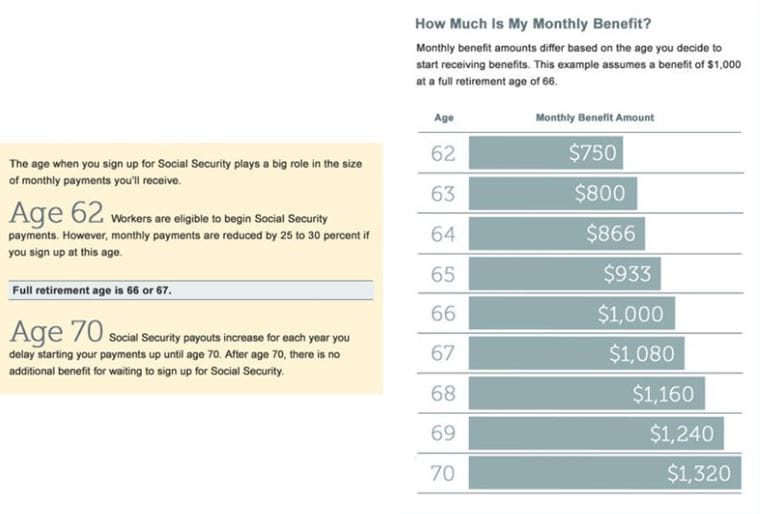
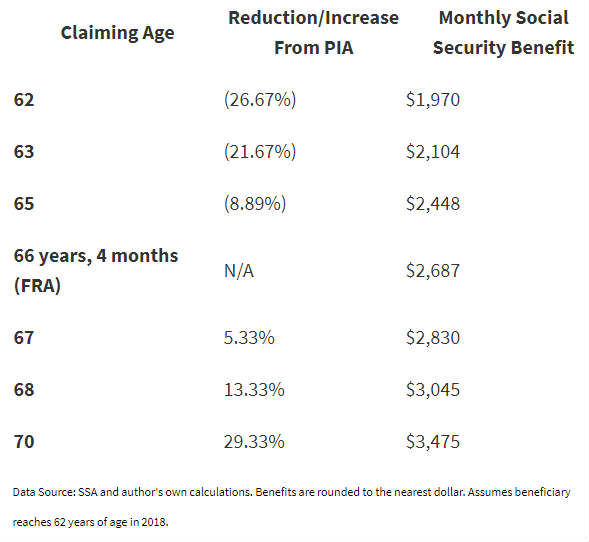
- Increased Future Benefits: For every year you delay claiming Social Security past your early eligibility age (62) up to your FRA, your benefits permanently increase. And if you delay claiming past your FRA up to age 70, you earn Delayed Retirement Credits (DRCs), which also permanently increase your monthly benefit.
- No Earnings Test Concerns: If you delay claiming until your FRA or even later, you can work as much as you want without any fear of your benefits being reduced by the earnings test. This means you can maximize your work income in the years leading up to your claim, building a stronger financial foundation for later.
- Working Longer for Higher Benefits: If you’re working full-time or earning significantly above the limit, delaying benefits allows you to continue maximizing your employment income without any offset. When you do eventually claim, your benefit will be higher due to DRCs, and the earnings test will no longer apply. This strategy often yields the highest lifetime Social Security benefits for those who can afford to delay.
The Monthly Earnings Test Exception
For those who start receiving Social Security benefits in the middle of a calendar year, there’s a special rule called the “monthly earnings test.” This rule allows the SSA to pay you full benefits for any months you don’t earn above a specific monthly limit, even if your total annual earnings for the year would exceed the annual limit. This is especially helpful for individuals who retire mid-year. This exception generally only applies in your initial year of claiming benefits. After that, the annual earnings limit applies.
Reporting Earnings and Tax Implications
Navigating the financial landscape of retirement requires not only understanding earnings limits but also fulfilling your responsibilities to the SSA and the IRS. Proper reporting and awareness of tax implications are crucial for smooth financial management.
How to Report Your Earnings to the SSA
If you are receiving Social Security benefits and continue to work, it is your responsibility to inform the Social Security Administration about your expected earnings.
- Initial Estimate: When you first apply for benefits and plan to work, you’ll provide an estimate of your annual earnings. The SSA will use this to determine if your benefits need to be withheld.
- Ongoing Updates: If your actual earnings change significantly during the year (either higher or lower than your estimate), it’s important to notify the SSA promptly. They can adjust your payments accordingly, preventing an overpayment (which you’d have to pay back) or an underpayment (meaning you missed out on benefits you were due).
- Year-End Reconciliation: The SSA receives wage information from employers and self-employment income details from the IRS (via your tax return). They will reconcile your actual earnings with your reported earnings and the benefits they paid you. If you received too much, they will contact you to arrange repayment. If you received too little, they will send you any additional benefits owed.
Timely and accurate reporting helps prevent financial surprises and ensures you receive the correct benefit amount.
Taxation of Social Security Benefits
Beyond the earnings limit, it’s essential to consider how working can impact the taxation of your Social Security benefits. Your benefits may become taxable if your “provisional income” exceeds certain thresholds.
Provisional Income Calculation
Provisional income (sometimes called “combined income”) is calculated as:
Adjusted Gross Income (AGI) + Tax-Exempt Interest + One-Half of Your Social Security Benefits
Tax Thresholds
- Single Filers:
- If provisional income is between $25,000 and $34,000, up to 50% of your benefits may be taxable.
- If provisional income is over $34,000, up to 85% of your benefits may be taxable.
- Married Filing Jointly:
- If provisional income is between $32,000 and $44,000, up to 50% of your benefits may be taxable.
- If provisional income is over $44,000, up to 85% of your benefits may be taxable.
The income you earn from working directly contributes to your AGI, and thus, your provisional income. This means that earning more from a job or self-employment can push you over these thresholds, making a portion of your Social Security benefits subject to federal income tax. Some states also tax Social Security benefits, so it’s important to check your state’s specific rules.
Seeking Professional Guidance
The intersection of Social Security rules, earnings limits, and tax implications can be complex. Consulting with a qualified financial advisor or tax professional is highly recommended. They can:
- Help you understand the most current earnings limits and how they apply to your specific situation.
- Model different scenarios to show how various work strategies might impact your net income and Social Security benefits.
- Advise on tax planning strategies to minimize your overall tax burden, including the taxation of your Social Security benefits.
- Assist with accurate reporting to the SSA and IRS.
A personalized plan can make a significant difference in maximizing your financial security throughout retirement.
Conclusion: Balancing Work, Leisure, and Financial Security
Deciding how much you can make while drawing Social Security is a personal decision influenced by financial needs, lifestyle preferences, and a thorough understanding of the rules. The Social Security Administration’s earnings test is designed to ensure benefits are distributed appropriately, but it doesn’t preclude working in retirement.
By understanding the earnings limits, recognizing the significance of your Full Retirement Age, and strategically planning your income sources, you can effectively navigate this complex landscape. Whether you opt for part-time work to stay engaged, transition to the gig economy for flexibility, or delay claiming benefits for higher future payments, informed decision-making is key.
Ultimately, the goal is to strike a balance that supports your financial well-being while allowing you to enjoy the fulfilling retirement you’ve worked hard to achieve. With careful planning and professional guidance, working while receiving Social Security can be a rewarding and financially viable option, enhancing your retirement years without undue penalties.
aViewFromTheCave is a participant in the Amazon Services LLC Associates Program, an affiliate advertising program designed to provide a means for sites to earn advertising fees by advertising and linking to Amazon.com. Amazon, the Amazon logo, AmazonSupply, and the AmazonSupply logo are trademarks of Amazon.com, Inc. or its affiliates. As an Amazon Associate we earn affiliate commissions from qualifying purchases.