
The question “how much a dollar is worth” seems deceptively simple. On the surface, a dollar is always a dollar. It’s a fundamental unit of currency, a ubiquitous symbol of commerce. Yet, delve deeper, and the true value of that single dollar proves to be a dynamic, multi-faceted concept, far from static. It’s a value that fluctuates based on a complex interplay of economic forces, geopolitical events, and even individual perception. Understanding this ever-shifting worth is not merely an academic exercise; it’s crucial for sound personal finance, strategic investing, and navigating the broader economic landscape.

This article will explore the various dimensions of a dollar’s worth, moving beyond its face value to uncover the underlying mechanisms that dictate its purchasing power, international standing, and long-term implications for our financial well-being. By dissecting the forces at play, we can gain a more profound appreciation for how money truly functions and, more importantly, how to manage our own finances effectively in an evolving economic climate.
The Dynamic Nature of Monetary Value
The most fundamental misconception about currency is that its value remains constant. In reality, the worth of a dollar is in a perpetual state of flux, influenced by a myriad of factors that can either erode or bolster its power. This constant motion makes “how much a dollar is worth” a question with no single, fixed answer, but rather a spectrum of values depending on time, place, and context.
Beyond the Fixed Number: A Constant State of Flux
A dollar’s journey from your wallet to a purchase is never a simple one-to-one exchange in terms of value over time. What a dollar could buy a decade ago is often vastly different from what it can acquire today. This isn’t just about price changes; it’s about the inherent purchasing power of the currency itself. Economic health, global trade balances, and even consumer confidence all contribute to this continuous recalibration. The notion that a dollar’s value is fixed is an illusion, one that can lead to significant financial missteps if not properly understood. Recognizing this constant state of flux is the first step toward effective financial planning and wealth preservation.
The Illusion of Static Value: Why a Dollar Today Isn’t a Dollar Tomorrow
The psychological anchor of a dollar as a concrete unit often blinds us to its temporal depreciation or appreciation. Consider the price of everyday goods – groceries, gasoline, housing. These prices aren’t solely rising due to increased demand or production costs; they also reflect a decline in the purchasing power of the dollar itself. Inflation, the most potent force in this dynamic, systematically erodes the real value of money over time. A dollar saved today, if not invested wisely, will undeniably buy less tomorrow. This reality underscores the critical importance of understanding and actively managing the value of your money, rather than passively observing its gradual erosion.
Unpacking the Forces Behind a Dollar’s Value
To truly grasp how much a dollar is worth, we must dissect the powerful forces that constantly shape its value. These range from macroeconomic policies to global market dynamics, each playing a significant role in determining its purchasing power and international standing.
The Invisible Hand of Inflation: Erosion of Purchasing Power
Inflation is perhaps the most direct and pervasive force affecting the value of a dollar. It refers to the rate at which the general level of prices for goods and services is rising, and consequently, the purchasing power of currency is falling. When inflation is high, your dollar buys less than it did before. Causes of inflation can include increased money supply, higher demand for goods and services outstripping supply, or rising production costs. The Federal Reserve, the U.S. central bank, typically targets a modest inflation rate (around 2%) as a sign of a healthy, growing economy. However, uncontrolled inflation can be devastating, making it harder for individuals to maintain their standard of living and eroding savings. Understanding inflation is key to making informed decisions about spending, saving, and investing.
Global Economic Currents: Exchange Rates and International Trade
The dollar’s worth isn’t just internal; it’s also a global currency. Its value relative to other major currencies (like the Euro, Yen, or Yuan) is determined by exchange rates, which are influenced by a country’s economic performance, interest rate differentials, political stability, and balance of trade. A strong dollar makes imports cheaper and can help curb domestic inflation, but it also makes U.S. exports more expensive, potentially hurting American businesses selling abroad. Conversely, a weaker dollar makes U.S. exports more competitive but increases the cost of imports, which can fuel domestic inflation. These global economic currents dictate how much a dollar is worth on the international stage, affecting everything from travel costs to the price of foreign goods in your local store.
Government Policy and Central Banks: Interest Rates, Fiscal Spending, and Quantitative Easing
Government fiscal policy (spending and taxation) and central bank monetary policy are potent levers influencing the dollar’s value. The Federal Reserve, through its control over interest rates, significantly impacts the cost of borrowing and lending. Higher interest rates typically attract foreign investment, increasing demand for the dollar and strengthening its value. Conversely, lower rates can weaken the dollar. Fiscal policy, such as government spending or tax cuts, can stimulate economic growth but also lead to increased national debt, which can put downward pressure on the dollar’s long-term value. Tools like Quantitative Easing (QE), where a central bank buys government bonds or other financial assets to inject money into the economy, directly increase the money supply and can devalue the currency if not managed carefully.
Supply and Demand: Scarcity, Production, and Consumer Behavior
Like any commodity, the value of the dollar is fundamentally subject to the laws of supply and demand. The “supply” of dollars is largely controlled by the Federal Reserve and the banking system. The “demand” for dollars comes from individuals, businesses, and governments both domestically and internationally, who need dollars for transactions, investments, or as a reserve currency. If the supply of dollars increases significantly without a corresponding increase in demand, its value tends to fall. Conversely, if demand for dollars outstrips supply, its value can rise. Factors like economic productivity, consumer spending habits, and the overall health of the job market all feed into this dynamic, subtly shifting the balance and, consequently, the dollar’s worth.
Measuring the Dollar’s True Impact
While the conceptual understanding of a dollar’s fluctuating value is crucial, having practical tools to measure its real impact is equally important. Economists and financial analysts employ various indices and metrics to quantify this elusive worth, offering insights into its purchasing power and international standing.
The Consumer Price Index (CPI): A Key Barometer
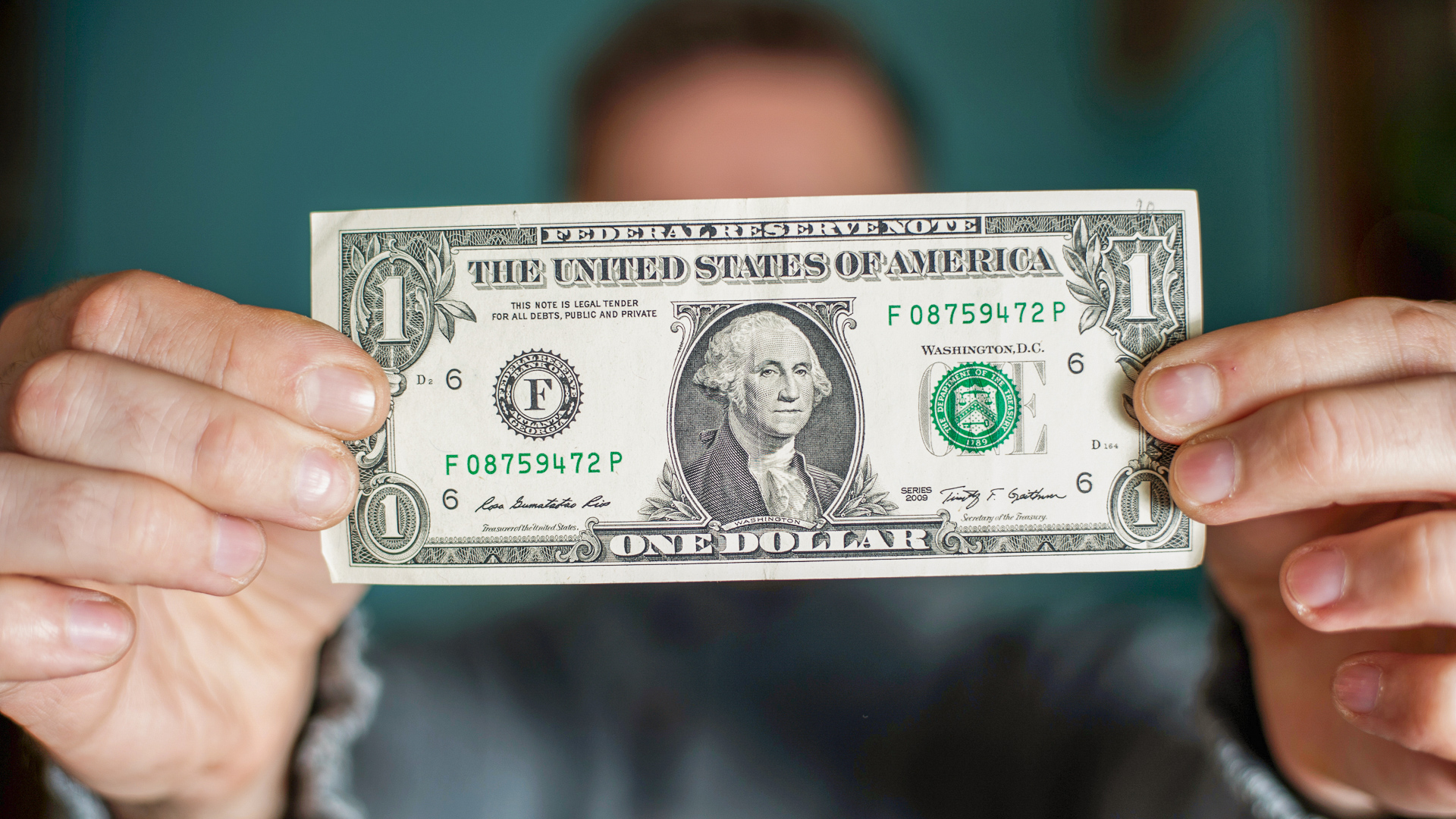
The Consumer Price Index (CPI) is one of the most widely used measures to gauge inflation and, by extension, the purchasing power of the dollar. It calculates the average change over time in the prices paid by urban consumers for a market basket of consumer goods and services, including food, housing, apparel, transportation, medical care, and education. A rising CPI indicates that consumers are paying more for the same goods and services, meaning each dollar buys less. While not a perfect measure for every individual’s specific spending habits, the CPI provides a vital benchmark for assessing the general health of the economy and the ongoing erosion of the dollar’s internal value.
Purchasing Power Parity (PPP): Cross-Border Comparisons
Purchasing Power Parity (PPP) offers a way to compare the value of currencies across different countries, estimating the relative value of a dollar in terms of what it can buy internationally. PPP theory suggests that, in the long run, exchange rates should adjust so that an identical basket of goods and services costs the same in different countries when expressed in a common currency. If a dollar can buy more in Country A than in Country B, then the dollar has a higher purchasing power in Country A. PPP helps economists compare economic productivity and standards of living between nations, providing a more accurate picture than simply using nominal exchange rates. It reveals how much a dollar is truly “worth” when you cross borders, highlighting disparities in pricing and economic efficiency.
The Big Mac Index: An Unconventional Gauge
While not a formal economic indicator, The Economist magazine’s “Big Mac Index” provides an informal, engaging, and remarkably insightful illustration of PPP. This index compares the price of a Big Mac hamburger in various countries, converting local prices to U.S. dollars. If a Big Mac costs more in a country than in the U.S. (when converted to dollars), it suggests the local currency is overvalued against the dollar, or conversely, that the dollar is undervalued in that country. If it costs less, the local currency might be undervalued. Despite its simplicity, the Big Mac Index offers a quick, relatable snapshot of how much a dollar is worth in terms of real purchasing power for a standardized product across different economies, making complex economic concepts accessible.
Preserving and Enhancing Your Dollar’s Worth
Understanding the dollar’s dynamic nature is only half the battle; the other half is actively working to preserve and ideally enhance its worth. In an environment where inflation is a constant threat and economic shifts are inevitable, proactive financial strategies are paramount.
Strategic Investing: Beating Inflation and Building Wealth
Passive saving alone is often insufficient to maintain the value of your dollar over time. The key to preserving and growing your wealth lies in strategic investing. This involves putting your money into assets that have the potential to grow at a rate that at least matches, if not surpasses, inflation. Investments such as stocks, bonds, real estate, and diversified mutual funds or exchange-traded funds (ETFs) can offer returns that combat the erosive effects of inflation. The choice of investment depends on your risk tolerance, financial goals, and time horizon. By carefully selecting investments that align with your objectives, you can ensure that your dollars are working for you, rather than losing ground.
Budgeting and Frugality: Making Every Dollar Count
While investing addresses the growth aspect, budgeting and practicing frugality address the spending side of the equation. A well-crafted budget allows you to track your income and expenses, ensuring that you’re allocating your dollars wisely and not letting them slip away on unnecessary expenditures. Frugality isn’t about deprivation; it’s about conscious spending and maximizing the value of every dollar. By reducing wasteful spending, seeking value, and making informed purchasing decisions, you effectively increase the purchasing power of your existing dollars. Every dollar saved or spent more efficiently is a dollar whose “worth” has been implicitly enhanced, freeing up resources for saving, investing, or achieving other financial goals.
Diversification: Spreading Risk and Maximizing Returns
Diversification is a cornerstone of sound investment strategy, crucial for protecting and enhancing the worth of your portfolio. It involves spreading your investments across various asset classes, industries, and geographic regions. The principle behind diversification is simple: if one investment performs poorly, others may perform well, cushioning the overall impact on your portfolio. For instance, holding a mix of stocks and bonds can help balance risk, as bonds often perform better when stocks are volatile. Similarly, investing in different sectors or international markets can provide protection against downturns in a specific industry or country. Diversification helps mitigate risk and can lead to more consistent returns over the long term, thereby safeguarding and growing your dollar’s worth.
Education and Adaptability: Staying Ahead of Economic Shifts
The economic landscape is perpetually evolving, influenced by technological advancements, geopolitical events, and changing consumer behaviors. To truly preserve and enhance your dollar’s worth, continuous financial education and adaptability are essential. Staying informed about economic trends, understanding how policy changes might affect your investments, and learning about new financial tools and opportunities will empower you to make timely and effective decisions. The ability to adapt your financial strategies in response to new information – whether it’s adjusting your investment portfolio during a recession or re-evaluating your budget in the face of rising inflation – is invaluable. This proactive approach ensures you remain agile and resilient, protecting your financial health against unforeseen economic shifts.
The Future of the Dollar: Navigating an Evolving Landscape
The dollar’s future worth is subject to ongoing shifts, driven by technological innovation, global power dynamics, and evolving economic models. Understanding these potential trajectories is vital for long-term financial planning.
Digital Currencies and the Future of Money
The rise of digital currencies, both private cryptocurrencies like Bitcoin and central bank digital currencies (CBDCs), presents a fascinating and potentially disruptive force for the traditional dollar. Cryptocurrencies challenge the centralized control of traditional money and offer alternative stores of value and mediums of exchange. Meanwhile, the development of a potential “digital dollar” by the Federal Reserve could streamline transactions, enhance financial inclusion, and potentially alter the monetary policy landscape. While the dollar’s dominance isn’t immediately threatened, these digital innovations are redefining what “money” means and could subtly influence the perceived and actual worth of the traditional physical dollar in the decades to come.
Geopolitical Shifts and Economic Dominance
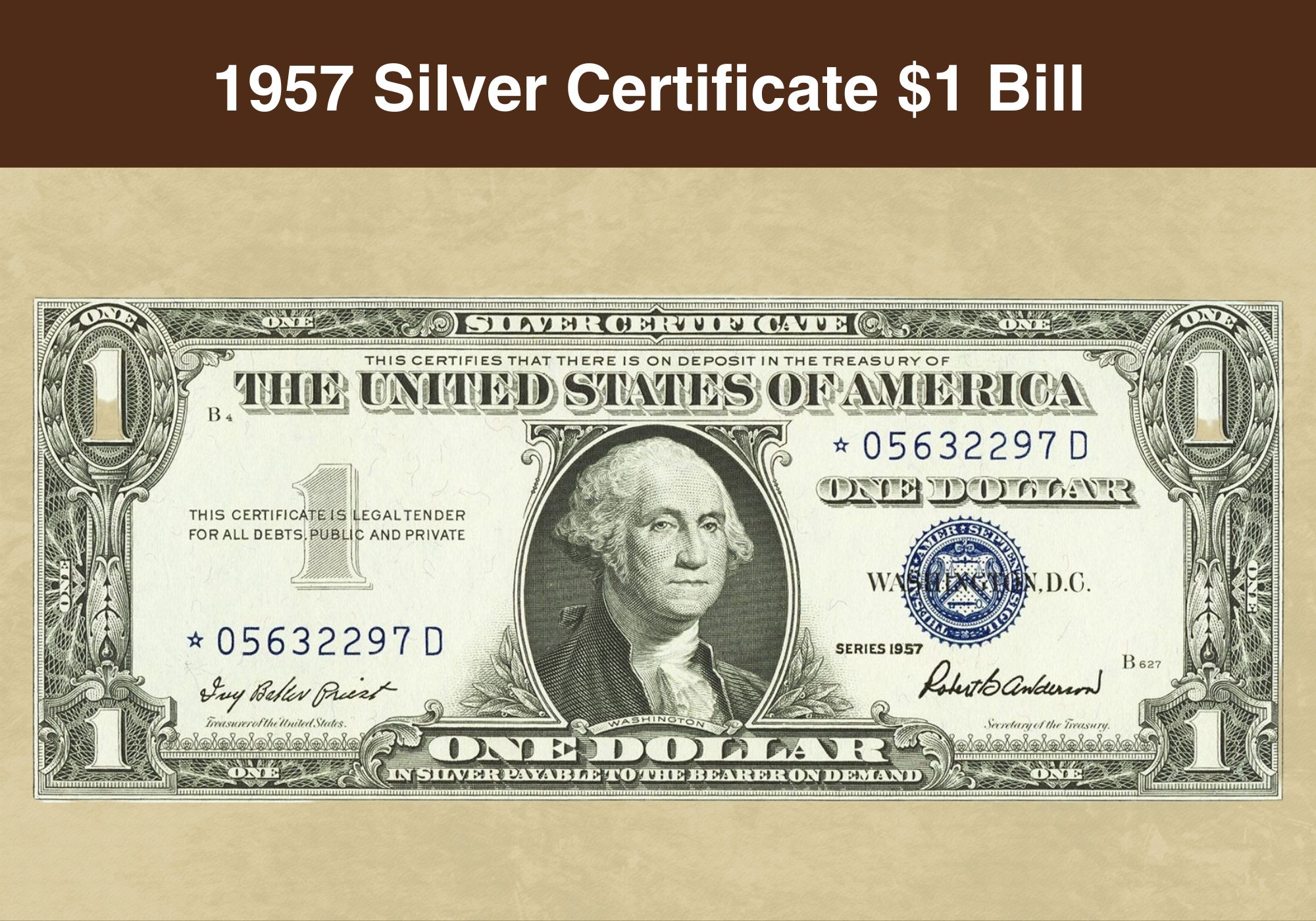
The dollar’s role as the world’s primary reserve currency and a dominant force in international trade gives it immense power and influence. However, geopolitical shifts, the rise of other economic powers, and growing efforts by some nations to de-dollarize their trade can gradually chip away at this dominance. Any significant move away from the dollar in international transactions or as a reserve asset could reduce global demand for U.S. currency, potentially impacting its exchange rate and overall purchasing power. The ongoing competition between major global economies will continue to shape the dollar’s international standing and, consequently, how much it is worth on a global scale.
Personal Responsibility in a Volatile Economy
Ultimately, while external forces profoundly influence the dollar’s worth, personal responsibility remains the cornerstone of individual financial stability. In an increasingly volatile and unpredictable global economy, relying solely on government policy or market forces to protect your wealth is a risky proposition. Taking proactive steps – such as consistently saving, investing wisely, managing debt, and continually educating yourself – puts you in control of your financial destiny. The value of your dollar, in a very real sense, is also determined by how you choose to manage it. By embracing financial literacy and discipline, you can build resilience and ensure that your dollars continue to serve your goals, regardless of broader economic shifts.
In conclusion, “how much a dollar is worth” is a question that transcends simple numerical value. It’s a barometer of economic health, a reflection of global dynamics, and a constant reminder of the importance of sound financial stewardship. By understanding the forces that shape its value and taking deliberate steps to preserve and enhance our own financial resources, we can navigate the complexities of money with greater confidence and secure a more prosperous future.
aViewFromTheCave is a participant in the Amazon Services LLC Associates Program, an affiliate advertising program designed to provide a means for sites to earn advertising fees by advertising and linking to Amazon.com. Amazon, the Amazon logo, AmazonSupply, and the AmazonSupply logo are trademarks of Amazon.com, Inc. or its affiliates. As an Amazon Associate we earn affiliate commissions from qualifying purchases.