
In an increasingly data-driven world, the quest for optimal health and fitness has led many to seek precise, personalized insights into their dietary needs. Among the most popular digital tools to emerge from this demand is the calorie calculator – a seemingly simple application that promises to demystify our daily energy requirements. Far from being just a basic arithmetic device, the modern calorie calculator is a sophisticated piece of software, underpinned by complex algorithms and evolving technological capabilities, firmly placing its discussion within the realm of technology.
These digital tools represent a fascinating intersection of physiological science and computational power. They leverage established scientific models to provide users with an estimate of their Basal Metabolic Rate (BMR) and Total Daily Energy Expenditure (TDEE), serving as a crucial starting point for weight management, athletic performance, or general health maintenance. Understanding the technology behind these calculators, how they function, their capabilities, and their limitations, is key to harnessing their full potential in our personal health journeys. This exploration delves into the technical architecture, algorithmic principles, and user-facing innovations that define the contemporary calorie calculator, situating it as a vital component in the broader digital health ecosystem.
The Algorithmic Core: Understanding Calorie Calculation Technology
At the heart of every calorie calculator lies a set of mathematical formulas designed to estimate human energy expenditure. These aren’t arbitrary numbers but are derived from extensive scientific research into human metabolism. The computational magic begins by taking a series of user inputs and feeding them into established algorithms to produce a personalized calorie recommendation.
Basal Metabolic Rate (BMR): The Foundational Calculation
The most fundamental component of calorie calculation is the Basal Metabolic Rate (BMR). This figure represents the minimum number of calories your body needs to perform basic, life-sustaining functions while at rest – think breathing, circulation, cell production, and maintaining body temperature. It’s the energy required simply to exist.
Historically, BMR was determined through direct calorimetry, a labor-intensive and expensive lab procedure. Digital calculators, however, rely on predictive equations developed from large population studies. The most widely used formulas include:
- Mifflin-St Jeor Equation: Often considered one of the most accurate for healthy, non-obese individuals, this formula accounts for age, gender, weight, and height. It’s frequently adopted in medical and fitness settings due to its reliability.
- For men: (10 × weight in kg) + (6.25 × height in cm) – (5 × age in years) + 5
- For women: (10 × weight in kg) + (6.25 × height in cm) – (5 × age in years) – 161
- Harris-Benedict Equation (Revised): An older but still commonly used formula, the revised Harris-Benedict equation also considers age, gender, weight, and height, providing a foundational estimate. While slightly less precise than Mifflin-St Jeor for some populations, it remains a robust option.
- For men: 66.5 + (13.75 × weight in kg) + (5.003 × height in cm) – (6.75 × age in years)
- For women: 655.1 + (9.563 × weight in kg) + (1.850 × height in cm) – (4.676 × age in years)
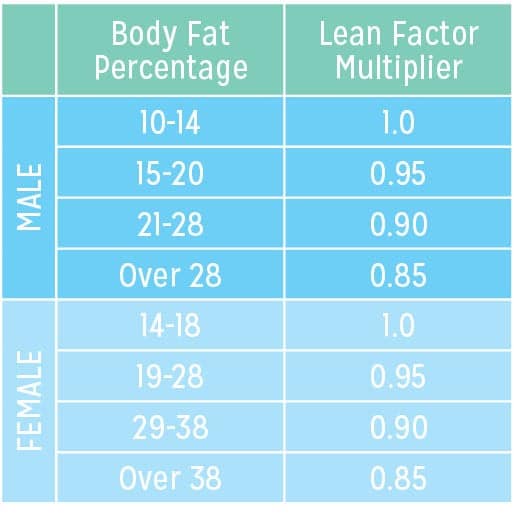
- Katch-McArdle Formula: This equation is unique as it requires an estimate of lean body mass (LBM) or body fat percentage, making it potentially more accurate for very lean or muscular individuals, as it bypasses the inaccuracies that body fat can introduce to other formulas.
- BMR = 370 + (21.6 × Lean Body Mass in kg)
The calculator’s software selects one of these equations, takes the user’s provided data, and computes their BMR, establishing the baseline metabolic expenditure.
Total Daily Energy Expenditure (TDEE): Accounting for Activity
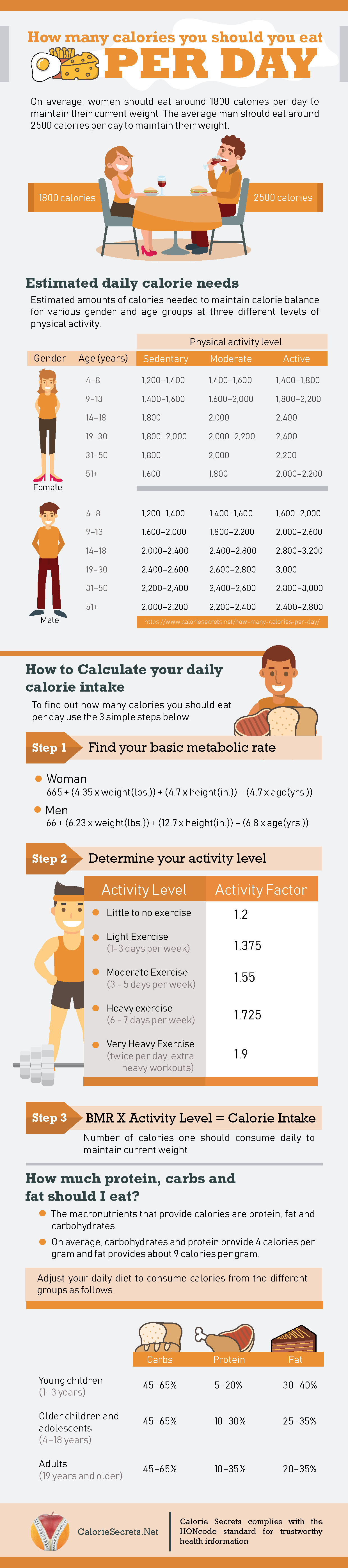
While BMR is crucial, it only tells part of the story. Most people aren’t at rest all day. The Total Daily Energy Expenditure (TDEE) factors in physical activity and the thermic effect of food (TEF – calories burned during digestion). This is where the activity level multiplier comes into play.
After calculating BMR, the software multiplies this figure by an activity factor, which typically ranges from 1.2 for sedentary individuals to 1.9 or higher for very active or athletic individuals. Common activity levels and their corresponding multipliers include:
- Sedentary: Little or no exercise (BMR × 1.2)
- Lightly active: Light exercise/sports 1-3 days/week (BMR × 1.375)
- Moderately active: Moderate exercise/sports 3-5 days/week (BMR × 1.55)
- Very active: Hard exercise/sports 6-7 days a week (BMR × 1.725)
- Extra active: Very hard exercise/physical job/training twice a day (BMR × 1.9)
Some more advanced calculators might also incorporate the Thermic Effect of Food (TEF), which accounts for the energy expended in digesting, absorbing, and metabolizing nutrients. While TEF generally accounts for about 10% of total caloric intake, its direct integration can refine the TDEE estimate further, particularly in apps geared towards precision nutrition.
By combining BMR and activity level, the calculator provides a comprehensive estimate of the calories an individual burns on a typical day, serving as the basis for setting dietary goals.
Beyond the Basics: Advanced Features and Data Integration
Modern calorie calculators have evolved significantly beyond simple input-output forms. They now often integrate with a broader ecosystem of health technologies, offering enhanced personalization, real-time tracking, and predictive insights. This evolution transforms them from static tools into dynamic, interactive health companions.
User Input and Personalization Engines
The accuracy of a calorie calculator is directly proportional to the quality and breadth of the data it receives. Beyond the standard age, gender, height, and weight, advanced calculators incorporate additional variables to refine their estimates and personalize recommendations.
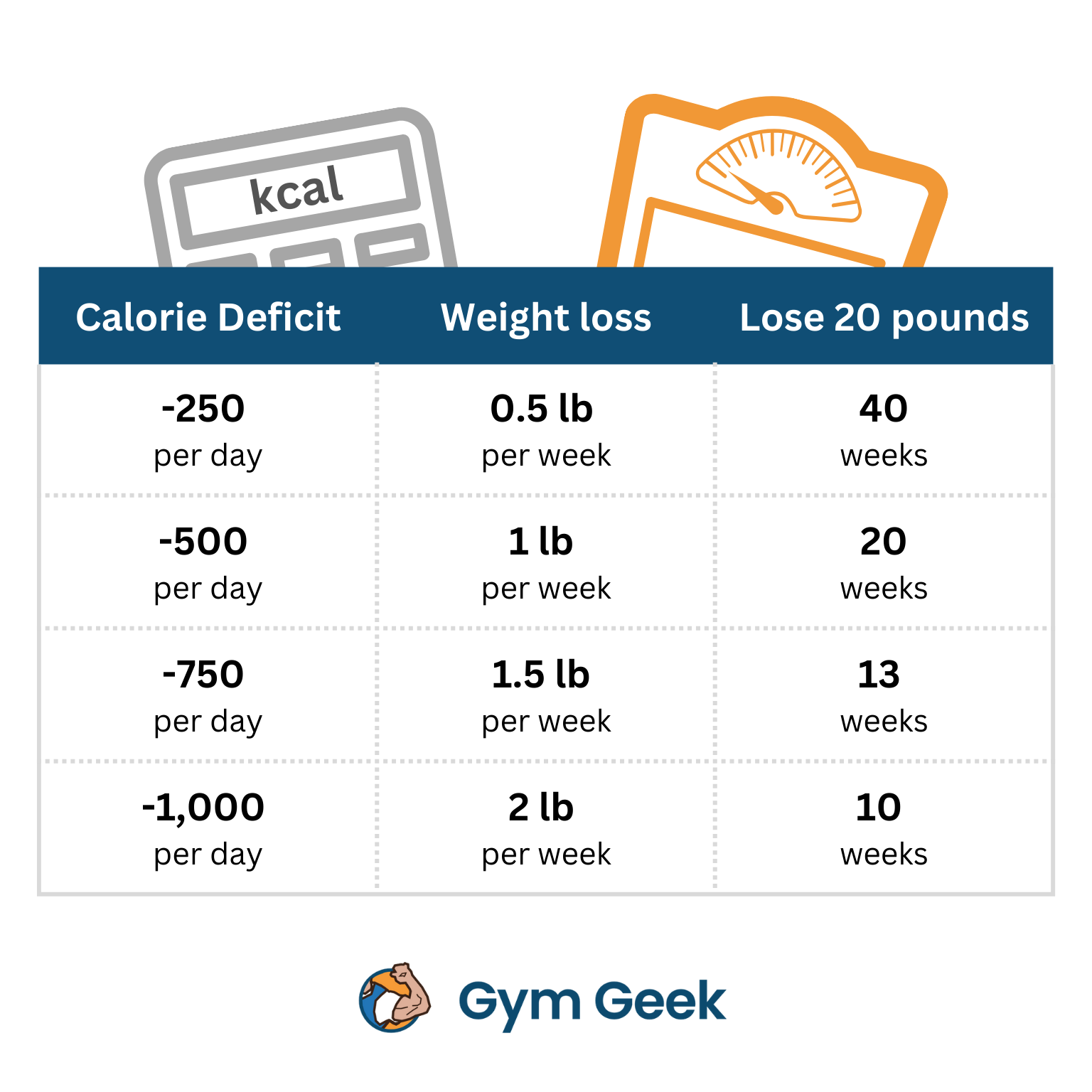
- Goal-Oriented Adjustments: Users often specify a goal (e.g., lose weight, gain muscle, maintain weight). The calculator’s algorithms then adjust the TDEE by a caloric deficit or surplus (e.g., typically a 500-calorie deficit for a 1-pound weight loss per week) to align with this objective.
- Body Composition Data: Some high-end calculators or apps allow users to input body fat percentage or lean body mass. As seen with the Katch-McArdle formula, this can significantly improve BMR accuracy, especially for individuals with atypical body compositions.
- Metabolic History and Health Conditions: While less common in general calculators, some specialized platforms consider metabolic conditions, medical history, or dietary restrictions (e.g., diabetes, thyroid issues) to provide more nuanced advice, though often this requires integration with clinical or professional oversight.
These personalization engines dynamically process user data, generating recommendations that are not just generic but tailored to individual characteristics and aspirations. The user interface (UI) and user experience (UX) design of these apps are crucial here, making it easy for users to input and manage this complex array of personal data.
Wearable Technology and Real-time Tracking
A major leap forward in calorie calculation technology is its integration with wearable devices. Fitness trackers, smartwatches, and other sensors can provide a continuous stream of physiological data, revolutionizing how TDEE is estimated.
- Continuous Heart Rate Monitoring: Wearables track heart rate throughout the day, providing a more accurate proxy for energy expenditure during various activities than a static activity multiplier. Algorithms can correlate heart rate zones with calorie burn, particularly during structured exercise.
- Accelerometer and Gyroscope Data: These sensors track movement patterns, steps taken, distance covered, and even specific types of activities (e.g., running, cycling, swimming). This rich data allows the calculator to move beyond generalized activity levels to a more granular, real-time assessment of energy expenditure.
- Sleep Tracking Integration: Quality and quantity of sleep impact metabolism and energy levels. While not directly used in calorie calculation, sleep data from wearables can inform a more holistic view of daily energy balance and readiness for activity.
This integration transforms the calorie calculator from a predictive tool to a real-time monitoring and feedback system. It bridges the gap between theoretical estimates and actual physiological responses, offering a dynamic and evolving picture of an individual’s caloric needs.
AI-Powered Insights and Predictive Analytics
The future of calorie calculation lies in the application of Artificial Intelligence (AI) and machine learning (ML). These advanced technologies move beyond simple rule-based algorithms to offer truly intelligent and adaptive recommendations.
- Adaptive Algorithms: AI can learn from a user’s historical data (e.g., daily caloric intake, weight changes, activity levels) to refine its TDEE predictions over time. If a user consistently loses or gains weight at a different rate than predicted by the initial TDEE, the AI can adjust the estimated caloric needs accordingly, making the calculator more accurate for that specific individual.
- Personalized Macronutrient Breakdowns: Beyond just total calories, AI can suggest optimal macronutrient ratios (protein, carbs, fats) based on a user’s goals, activity patterns, and even dietary preferences or responses.
- Predictive Modeling: AI can analyze trends in user behavior and physiological data to predict future weight changes, provide proactive alerts for potential plateaus, or suggest adjustments before they become issues. For instance, if a user’s activity drops, the AI might suggest reducing caloric intake slightly to maintain a desired weight trajectory.
- Natural Language Processing (NLP): Emerging applications use NLP to allow users to log food intake through voice commands or by scanning food labels, simplifying the data entry process and improving compliance.
These AI capabilities elevate calorie calculators from passive tools to active, intelligent coaches, capable of continuous learning and providing increasingly precise and actionable insights.
Navigating the Digital Landscape: Choosing and Utilizing Your Calorie Calculator
With a multitude of options available, selecting the right calorie calculator or health app can be a daunting task. The choice often comes down to understanding the technological underpinnings, the user experience, and the crucial aspects of data management.
Standalone Apps vs. Integrated Platforms
The digital market for calorie calculators is diverse, ranging from simple web-based tools to comprehensive health and fitness platforms.
- Standalone Calculators: These are often found as free websites or basic mobile apps, focusing primarily on the core BMR/TDEE calculation. They are excellent for quick, initial estimates and offer simplicity without overwhelming features. Their technological footprint is minimal, relying on client-side or basic server-side processing of standard formulas.
- Integrated Health & Fitness Platforms: These are more sophisticated applications (e.g., MyFitnessPal, Cronometer, Fitbit app) that embed calorie calculation within a broader suite of features. They often include food logging databases, exercise trackers, community features, and integration with wearables. Their technological architecture is complex, involving robust backend databases, APIs for third-party integrations, advanced data analytics, and often cloud-based infrastructure to handle large volumes of user data. Choosing one depends on whether a user needs just a number or an entire ecosystem for health management.
User Interface (UI) and User Experience (UX) Considerations
The technology is only as good as its usability. A technically superior calculator can fail if its UI/UX is poor, hindering user engagement and data input.
- Intuitive Design: A good UI presents information clearly and makes data entry straightforward. Dropdown menus, sliders, and clear input fields reduce cognitive load and errors.
- Feedback Mechanisms: Visual cues, progress bars, and immediate calculation results enhance the UX. For instance, seeing how an adjustment to activity level instantly changes the recommended calories can be highly engaging.
- Customization: The ability to customize units (metric/imperial), set personal goals, and view data in various formats (graphs, charts) caters to individual preferences and improves long-term adherence.
- Responsiveness: The app or website should be fast, responsive, and compatible across different devices and screen sizes, ensuring a seamless experience whether on a desktop or a mobile phone.
Good UI/UX design reflects a deep understanding of user psychology and interaction design principles, making complex health calculations accessible and engaging for the everyday user.
Data Privacy and Security in Health Apps
As calorie calculators collect highly personal health information, the privacy and security of this data are paramount. Users should be aware of how their information is handled.
- Encryption: Reputable apps use encryption (both in transit and at rest) to protect user data from unauthorized access.
- Data Storage and Policies: Understanding where data is stored (e.g., cloud servers, geographically) and the company’s data retention and sharing policies is crucial. Transparent privacy policies are a sign of trustworthiness.
- Compliance: For apps operating in certain regions, adherence to regulations like GDPR (Europe) or HIPAA (USA, for health information) is a key indicator of robust data protection practices.
- User Control: Features that allow users to export, delete, or manage their data provide essential control over personal information.
The technological infrastructure supporting these aspects – secure servers, robust authentication systems, and adherence to security best practices – is a non-negotiable component of any credible health calculator or app.
The Limitations and Evolution of Calorie Calculation Tech
While calorie calculators are powerful technological tools, it’s essential to understand their inherent limitations and the ongoing efforts to refine their accuracy and utility. They provide estimates, not definitive physiological measurements.
The ‘Human Factor’: Biological Variability and Algorithm Accuracy
The most significant limitation of any calorie calculator is the sheer biological variability among individuals. While algorithms are based on averages from large populations, no two human bodies are identical.
- Metabolic Individuality: Factors such as genetics, gut microbiome composition, hormonal balance, sleep quality, stress levels, and even prior dietary history can significantly influence an individual’s true BMR and TDEE, sometimes diverging considerably from algorithmic predictions.
- Activity Level Subjectivity: The “activity factor” is inherently subjective. One person’s “moderately active” might be another’s “lightly active,” leading to inaccuracies. Wearables help, but even their calorie burn estimates can have a margin of error.
- Adaptive Thermogenesis: The body can adapt its metabolism in response to prolonged caloric restriction or surplus, a phenomenon known as adaptive thermogenesis. Standard algorithms don’t typically account for this dynamic physiological response, which can lead to plateaus or unexpected results in long-term weight management.
These factors mean that while the technology provides an excellent starting point, real-world results may necessitate individual adjustments. The calculator offers a best estimate rather than an absolute truth.
Towards Hyper-Personalization: The Future of Health Tech
The ongoing evolution of calorie calculation technology is driven by a quest for hyper-personalization, aiming to overcome the limitations of generalized formulas.
- Integration with Advanced Diagnostics: Future calculators may integrate with data from blood tests (e.g., hormone levels, metabolic markers), genetic testing (e.g., predisposition to certain metabolic traits), and even continuous glucose monitoring (CGM) to provide truly individualized energy requirements.
- Smarter AI and Machine Learning: As AI models become more sophisticated and have access to larger, more diverse datasets (including multimodal data from various sensors and diagnostics), they will be able to predict individual metabolic responses with greater precision.
- Environmental Contextualization: Future iterations might even consider environmental factors like ambient temperature or altitude, which can subtly impact metabolic rate.
These advancements point towards a future where a calorie calculator is not just a tool for calculating BMR/TDEE but a dynamic, AI-powered metabolic coach that continuously learns and adapts to an individual’s unique physiology and lifestyle.
Bridging the Gap: Integrating Expert Guidance
Despite technological advancements, the role of human expertise remains irreplaceable. The most effective use of calorie calculators often involves collaboration with health professionals.
- Supplementing Professional Advice: Dietitians, nutritionists, and personal trainers can use calculator outputs as a baseline, then apply their expertise to fine-tune recommendations based on a client’s specific needs, health history, and real-world response.
- Interpretation and Education: Professionals can help users understand the limitations of the technology and interpret the data correctly, preventing over-reliance on a single number.
- Motivational and Behavioral Coaching: Technology can provide data, but human interaction offers the empathy, accountability, and psychological support often necessary for sustained behavioral change.
In conclusion, the calorie calculator is a remarkable piece of health technology, evolving from simple mathematical models to sophisticated, AI-driven platforms integrated with wearables and advanced diagnostics. While its core function remains to estimate daily caloric needs, its journey reflects the broader trends in digital health: an increasing emphasis on personalization, real-time data, and intelligent insights. As these tools continue to advance, they empower individuals with more precise information, fostering a proactive and data-informed approach to personal well-being, though always benefiting from a balanced perspective and, where appropriate, professional guidance.
aViewFromTheCave is a participant in the Amazon Services LLC Associates Program, an affiliate advertising program designed to provide a means for sites to earn advertising fees by advertising and linking to Amazon.com. Amazon, the Amazon logo, AmazonSupply, and the AmazonSupply logo are trademarks of Amazon.com, Inc. or its affiliates. As an Amazon Associate we earn affiliate commissions from qualifying purchases.