
In the complex world of finance, few concepts are as fundamental and universally applied as percentages. From personal budgeting to investment analysis, understanding “how to get percent” isn’t just a mathematical exercise; it’s a critical skill for making informed decisions, optimizing financial outcomes, and ultimately, achieving financial success. Percentages provide a standardized way to express proportions, changes, and relationships, allowing us to compare disparate figures, track growth or decline, and evaluate risk and return. This comprehensive guide will demystify percentages in the financial realm, empowering you to speak their language with confidence and precision.

The Foundational Role of Percentages in Personal Finance
Percentages are the bedrock of everyday personal finance. Whether you’re tracking spending, evaluating discounts, or planning for the future, a solid grasp of percentage calculations is indispensable. They offer a clear, comparative lens through which to view your financial landscape.
Understanding Basic Percentage Calculations
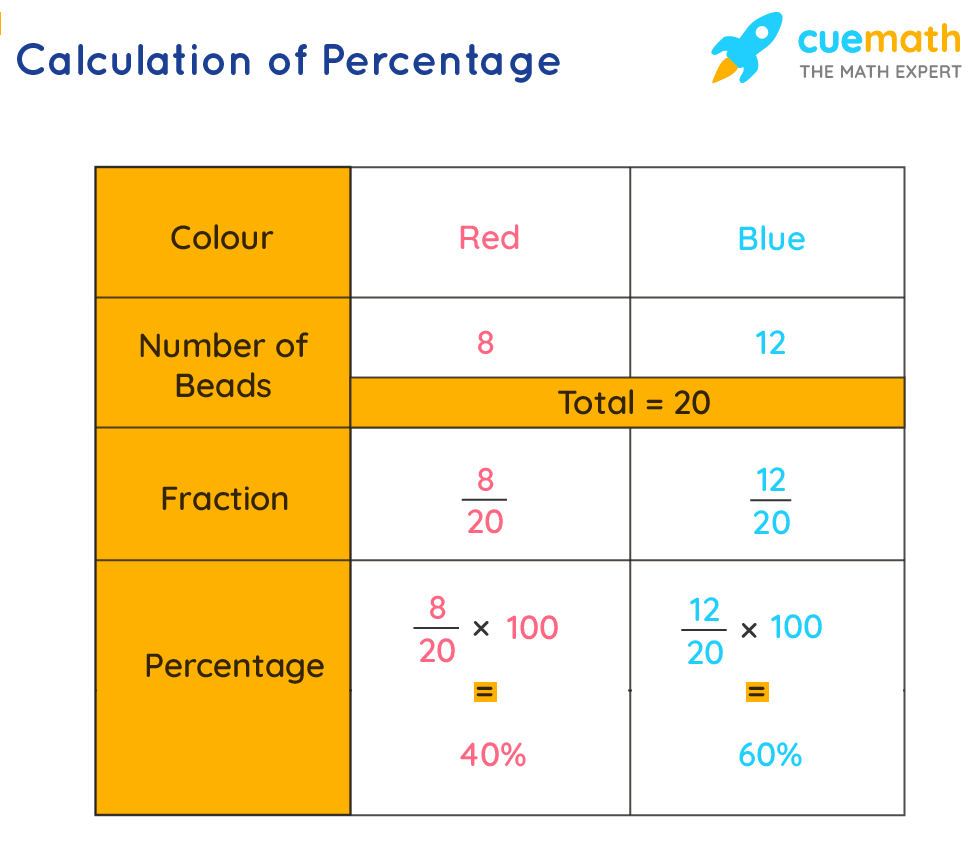
At its core, a percentage is a fraction of 100. The term “percent” literally means “per hundred.” To calculate a percentage, you typically take a part of a whole, divide it by the whole, and then multiply by 100.
- Finding a percentage of a number: To find X% of Y, you calculate (X/100) * Y. For example, 20% of $500 is (20/100) * $500 = $100.
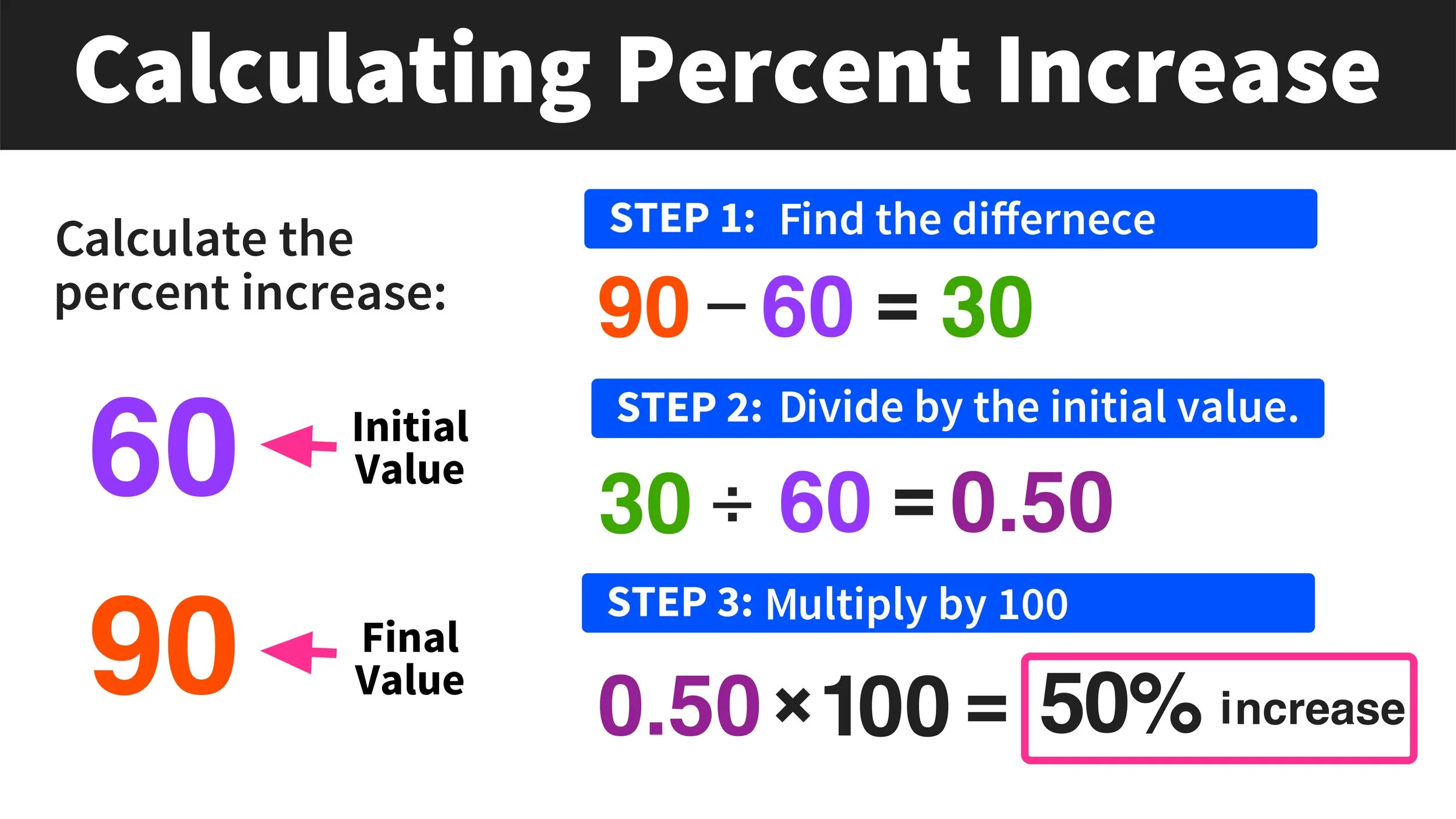
- Calculating a percentage increase or decrease: This involves finding the difference between the new and old values, dividing by the old value, and multiplying by 100.
- Percentage Increase:
((New Value - Old Value) / Old Value) * 100 - Percentage Decrease:
((Old Value - New Value) / Old Value) * 100
For instance, if your investment grew from $1,000 to $1,200, the percentage increase is (($1,200 – $1,000) / $1,000) * 100 = 20%.
- Percentage Increase:
These basic calculations form the basis for almost every financial percentage you’ll encounter, from sales tax to investment returns.
Practical Applications in Everyday Money Management
Percentages crop up constantly in daily financial transactions. Recognizing them and understanding their implications can save you money or help you budget more effectively.
- Discounts and Sales Tax: When an item is advertised at “25% off,” you’re looking at a percentage discount. If an item costs $100 and has a 25% discount, you save $25. Conversely, sales tax, often quoted as a percentage (e.g., 7%), is added to the price. Understanding how these percentages apply helps you calculate the final cost accurately before reaching the checkout.
- Tips and Gratuities: In many service industries, tipping is customary, typically ranging from 15% to 20% of the bill. Quickly calculating these percentages ensures you tip appropriately without overpaying or underpaying.
- Debt-to-Income Ratio (DTI): Lenders use DTI, expressed as a percentage, to assess your ability to manage monthly payments and repay debts. It’s calculated by dividing your total monthly debt payments by your gross monthly income. A lower DTI indicates less risk to lenders.
Budgeting with Percentages: Allocating Your Income
One of the most powerful uses of percentages in personal finance is for budgeting. Instead of fixed dollar amounts, allocating income by percentages offers a flexible, scalable approach that adjusts with your income changes.
- The 50/30/20 Rule: A popular budgeting guideline, this rule suggests allocating 50% of your after-tax income to needs (housing, groceries, utilities), 30% to wants (entertainment, dining out), and 20% to savings and debt repayment. This percentage-based framework provides a clear structure for managing your cash flow.
- Customizing Your Budget: While rules like 50/30/20 offer a starting point, you can tailor your percentages to your specific financial goals. Perhaps you prioritize aggressive debt repayment, dedicating 30% of your income to it, or you’re saving for a major purchase, increasing your savings percentage. Percentages make it easy to visualize and adjust these allocations.
Leveraging Percentages for Smart Investing and Wealth Growth
Beyond daily spending, percentages are the backbone of investment analysis and wealth accumulation. They quantify performance, risk, and the powerful effect of time on your money.
Calculating Investment Returns and ROI
The primary goal of investing is to generate returns, and these are almost always expressed as percentages.
- Return on Investment (ROI): ROI is a key metric to evaluate the efficiency of an investment. It’s calculated as
((Current Value of Investment - Cost of Investment) / Cost of Investment) * 100. A higher ROI indicates a more profitable investment relative to its initial cost. - Annualized Returns: To compare investments over different timeframes, investors use annualized returns, which smooth out volatility and show the average return per year. This allows for an apples-to-apples comparison of a stock that returned 50% in 3 years versus a bond that returned 10% in 1 year.
- Dividend Yield: For income-generating investments like stocks, dividend yield (annual dividends per share / share price * 100) indicates the percentage return an investor receives in dividends relative to the stock’s price.
Understanding Compounding and Its Percentage Power
The concept of compound interest, often hailed as the “eighth wonder of the world,” is entirely percentage-driven. Compounding means earning returns not only on your initial principal but also on the accumulated interest from previous periods.
- Growth Trajectory: A small percentage return compounded over many years can lead to exponential growth. For example, $1,000 invested at a 7% annual return for 30 years could grow to over $7,600. The key is that each year, the 7% is calculated on a larger base, including the previously earned interest.
- The Rule of 72: This simple rule of thumb, entirely based on percentages, estimates how long it will take for an investment to double at a fixed annual rate of return. You divide 72 by the annual percentage rate to get the approximate number of years. For example, at a 6% return, your money would roughly double in 12 years (72 / 6 = 12).
Risk Assessment and Portfolio Allocation Through Percentages
Percentages also play a crucial role in managing risk and structuring a diversified investment portfolio.
- Asset Allocation: This strategy involves dividing your investment portfolio among different asset categories—like stocks, bonds, and cash—based on your risk tolerance, financial goals, and time horizon. An aggressive investor might allocate 80% to stocks and 20% to bonds, while a conservative investor might reverse those percentages. These percentages guide the construction and rebalancing of your portfolio.
- Volatility: Investment risk is often measured by volatility, which is the degree of variation of a trading price series over time. While not a direct percentage calculation in itself, it’s often discussed in terms of percentage price movements or percentage standard deviation from an average return.
The Impact of Inflation: A Percentage Game Changer
Inflation, expressed as a percentage, erodes the purchasing power of money over time. Understanding its impact is crucial for long-term financial planning.
- Real vs. Nominal Returns: When your investments yield a nominal return (e.g., 5%), you must subtract the inflation rate (e.g., 3%) to find your real return (2%). It’s the real return that determines how much your purchasing power truly increased.
- Cost of Living Adjustments (COLAs): Pensions, social security benefits, and some salaries are often adjusted based on the percentage change in the cost of living, aimed at counteracting the effects of inflation.
Percentages in Business Finance and Entrepreneurship
For entrepreneurs and business owners, percentages are integral to operational analysis, financial reporting, and strategic decision-making. They provide concise metrics to gauge performance and health.
Analyzing Profit Margins and Revenue Growth
Business success is often distilled into key percentage metrics that reflect profitability and growth.
- Gross Profit Margin: Calculated as
((Revenue - Cost of Goods Sold) / Revenue) * 100, this percentage indicates how much profit a company makes from its sales after accounting for direct production costs. A higher percentage suggests efficient production. - Operating Profit Margin:
((Operating Income / Revenue) * 100)shows the profitability of a company’s core operations, before interest and taxes. - Net Profit Margin:
((Net Income / Revenue) * 100)reveals the percentage of revenue left after all expenses, including taxes and interest, have been deducted. This is the ultimate measure of a company’s overall profitability. - Revenue Growth Rate: Expressed as a percentage, this tracks the increase in a company’s revenue over a specific period. It’s a vital indicator of market expansion and business health.
Understanding Break-Even Points and Cost Structures
Percentages help businesses understand their cost structures and determine the sales volume needed to cover all expenses.
- Contribution Margin Percentage: This is the percentage of sales revenue that contributes to covering fixed costs and generating profit. It’s calculated as
((Sales Revenue - Variable Costs) / Sales Revenue) * 100. - Break-Even Analysis: While the break-even point is often given in units or sales dollars, the underlying cost and revenue relationships are percentage-driven. Understanding what percentage of your sales is variable cost versus fixed cost helps in forecasting profitability.
Using Percentages for Financial Reporting and Analysis
Financial statements are rife with percentages, making comparisons across time periods or against competitors much easier.
- Year-over-Year (YoY) Growth: Companies report YoY percentage changes in revenue, profit, and other key metrics to show performance trends.
- Common-Size Financial Statements: These statements express each line item as a percentage of a base figure (e.g., all income statement items as a percentage of revenue, or all balance sheet items as a percentage of total assets). This normalizes the data, making it easier to compare companies of different sizes or analyze trends within a single company over time.
- Key Performance Indicators (KPIs): Many KPIs, such as customer retention rate, conversion rate, or market share, are expressed as percentages, offering quick insights into business efficiency and effectiveness.
Navigating Loans, Debt, and Interest Rates with Percentages
For anyone borrowing or lending money, percentages are at the heart of the transaction, defining the cost of debt and the return on savings.
Demystifying Annual Percentage Rate (APR) and Annual Percentage Yield (APY)
These two terms are critical for understanding the true cost of borrowing and the true return on savings.
- Annual Percentage Rate (APR): This is the annual rate charged for borrowing, expressed as a percentage. For loans, it typically represents the yearly cost of the funds, including any fees or additional costs associated with the transaction, beyond the simple interest rate. APR helps consumers compare the true cost of different loan offers.
- Annual Percentage Yield (APY): This is the effective annual rate of return on an investment or savings account, taking into account the effect of compounding interest. APY is usually higher than the stated interest rate if interest is compounded more frequently than annually. When comparing savings accounts, always look at the APY to understand your actual annual earnings.
Calculating Loan Payments and Interest Accrual
Understanding how percentages drive loan calculations is vital for managing debt.
- Interest Calculation: The interest on a loan is calculated as a percentage of the principal amount. While simple interest is straightforward, most loans use compound interest, where interest is calculated on the principal plus any accumulated interest.
- Amortization Schedules: These schedules show how each loan payment is divided between principal and interest over the life of the loan. In the early stages of a loan, a higher percentage of your payment goes towards interest; as you pay down the principal, a larger percentage goes towards reducing the principal balance.
Strategies for Debt Reduction Using Percentage-Based Approaches
Percentages can also guide your debt reduction efforts.
- Debt Snowball/Avalanche: These popular debt repayment strategies involve paying off debts based on either their smallest balance (snowball) or highest interest rate (avalanche). Understanding the percentage interest rate on each debt helps you choose the most mathematically efficient strategy (avalanche) or the most psychologically motivating one (snowball).
- Percentage of Income for Debt: Financial advisors often recommend keeping your total debt payments (excluding mortgage) below a certain percentage of your income (e.g., 10-15%) to maintain financial health.
Advanced Applications and Common Pitfalls to Avoid
While percentages are powerful tools, their misuse or misinterpretation can lead to significant financial errors.
The Power of Percentage Change vs. Absolute Change
It’s crucial to distinguish between a percentage change and an absolute change, as context matters immensely.
- Contextualizing Small Bases: A “100% increase” sounds impressive, but if it’s an increase from $1 to $2, the absolute change is minimal. Conversely, a 1% increase on a multi-million dollar portfolio represents a substantial absolute gain. Always consider the base value from which the percentage is calculated.
- Successive Percentage Changes: A common mistake is to simply add or subtract successive percentage changes. If an item increases by 10% and then decreases by 10%, it does not return to its original price.
($100 * 1.10) * 0.90 = $99. Understanding this sequential application is key in investment analysis.
Avoiding Misinterpretations: Context is Key
Percentages can be manipulated or misunderstood without proper context.
- “Percentage of What?”: Always clarify what the percentage is a part of. Is it a percentage of revenue, profit, total assets, or something else? The denominator makes all the difference.
- Comparing Different Bases: Comparing a 20% growth rate for a startup with a 5% growth rate for an established corporation might seem to favor the startup, but the corporation’s 5% on a massive revenue base could represent a far greater absolute increase in dollars.
The Role of Financial Tools and Software in Percentage Calculations
While understanding the manual calculations is important, modern financial tools and software streamline the process, reducing errors and saving time.
- Spreadsheets (Excel, Google Sheets): These are invaluable for creating complex financial models, calculating various percentage metrics, and performing “what-if” analyses. Functions like
RATE,NPER,FV, andPVdirectly utilize percentage-based inputs. - Online Calculators: Numerous free online calculators exist for mortgage payments, retirement savings, loan interest, and more, all relying on percentage inputs.
- Financial Software and Apps: Budgeting apps, investment platforms, and accounting software often provide real-time percentage breakdowns of your spending, portfolio allocation, and profit margins, offering instant insights without manual computation.
In conclusion, “how to get percent” is far more than a simple arithmetic problem; it’s a fundamental approach to understanding, analyzing, and navigating the financial world. From managing daily expenses and planning personal budgets to making shrewd investment decisions and running a successful business, mastering percentages empowers you to interpret financial data, assess risks, identify opportunities, and ultimately chart a clear course toward financial prosperity. Embrace this powerful language, and you’ll unlock a deeper, more insightful understanding of your money.
aViewFromTheCave is a participant in the Amazon Services LLC Associates Program, an affiliate advertising program designed to provide a means for sites to earn advertising fees by advertising and linking to Amazon.com. Amazon, the Amazon logo, AmazonSupply, and the AmazonSupply logo are trademarks of Amazon.com, Inc. or its affiliates. As an Amazon Associate we earn affiliate commissions from qualifying purchases.