
The question “When will Wall Street open?” might seem simple, yet it unlocks a complex world of financial market dynamics, investor strategies, and the intricate global dance of capital. Wall Street, more than just a physical location, represents the pulsating heart of the U.S. financial system, encompassing the New York Stock Exchange (NYSE), the NASDAQ, and a vast ecosystem of brokerage firms, investment banks, and regulatory bodies. For anyone engaged in finance, from the seasoned institutional investor to the burgeoning retail trader, understanding its operational hours is not merely a matter of curiosity but a critical prerequisite for informed decision-making.
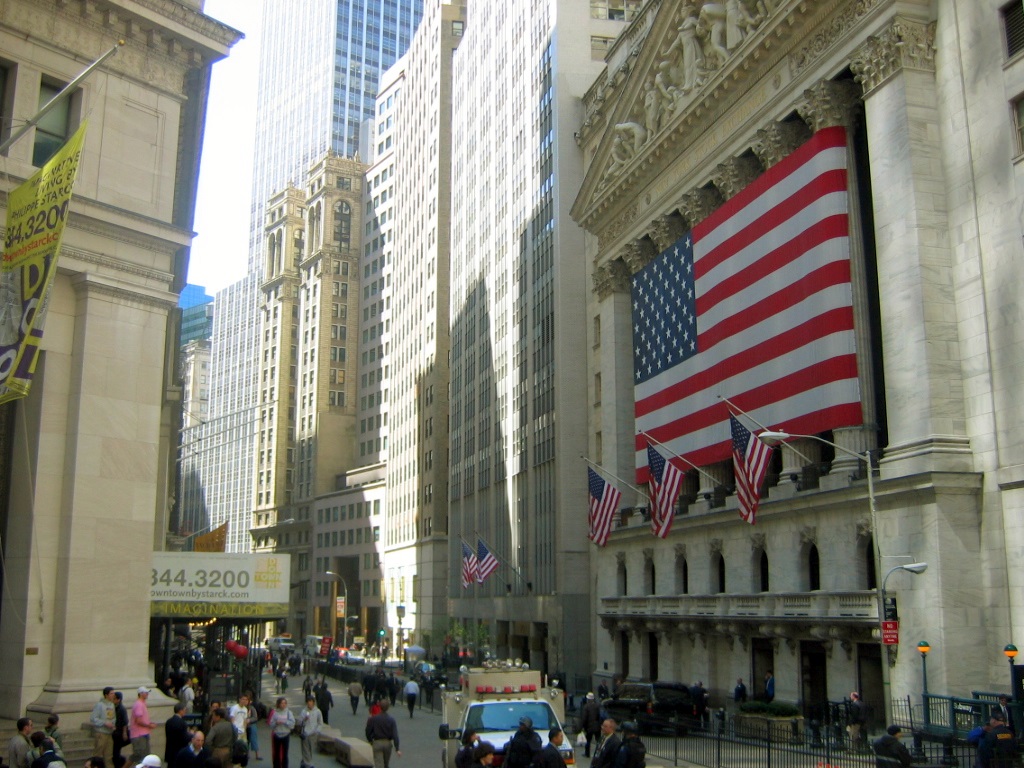
These market hours dictate liquidity, impact news cycles, and set the tempo for economic activity worldwide. While the image of a physical trading floor might conjure visions of bustling activity and ringing bells, the reality of modern finance extends far beyond these traditional confines. Electronic trading platforms ensure that the market’s influence is felt even when the traditional trading session has concluded, making the concept of “opening” and “closing” more nuanced than ever before. This article delves into the standard operating hours, the exceptions, the rationale behind them, and the profound implications they hold for investors and the global economy.
The Standard Pulse: Regular Trading Hours and Their Significance
At its core, understanding when Wall Street opens begins with the official trading hours of its primary exchanges. These times are meticulously set and widely publicized, serving as the foundational rhythm for countless financial operations.
NYSE and NASDAQ: Core Market Timings
For most investors, “Wall Street opening” refers to the operational hours of the two largest U.S. stock exchanges: the New York Stock Exchange (NYSE) and the NASDAQ Stock Market. Both exchanges adhere to the same standard schedule for their regular trading sessions:
- Opening Time: 9:30 AM Eastern Time (ET)
- Closing Time: 4:00 PM Eastern Time (ET)
This schedule applies from Monday to Friday, establishing a 6.5-hour trading window each weekday. These hours are non-negotiable under normal circumstances and form the bedrock upon which daily market activities are built. The “opening bell” at 9:30 AM ET and the “closing bell” at 4:00 PM ET are iconic symbols, often televised, marking the official commencement and conclusion of the trading day. While the ceremonial bells are still rung, largely by invited guests, the actual mechanism of market open and close is entirely electronic, a rapid-fire sequence of order matching that ensures fairness and efficiency.
The Rationale Behind Fixed Hours
The tradition of fixed market hours, though adapted over time, serves several crucial purposes. Historically, they facilitated the physical exchange of information and orders on a trading floor. In the modern, digitized era, fixed hours still provide:
- Orderly Market Function: Concentrating trading activity within a defined window enhances market liquidity. With most participants active simultaneously, there’s a higher chance of buyers meeting sellers, leading to tighter spreads and more efficient price discovery.
- Time for Processing and Reconciliation: The closure period allows financial institutions, brokers, and clearinghouses to process the day’s transactions, reconcile accounts, and prepare for the next trading session. This downtime is crucial for maintaining the integrity and accuracy of the financial system.
- Investor and Trader Focus: Fixed hours provide a framework for investors and traders to plan their strategies, analyze data, and react to news events within a predictable timeframe, preventing burnout and ensuring concentrated effort.
- Regulatory Oversight: Regulators can more effectively monitor market activities and enforce rules when trading is confined to specific hours, making it easier to detect and prevent market manipulation or other illicit activities.
Market Open and Close: Beyond Just a Bell
The moments of market open and close are often characterized by heightened volatility and trading volume. The initial minutes after 9:30 AM ET typically see a surge of orders that have accumulated overnight, leading to rapid price movements as the market digests new information. Similarly, the final hour, often dubbed “the power hour,” and especially the final minutes before 4:00 PM ET, can witness significant price swings as traders close positions, institutions execute large orders, and market participants react to late-breaking news or prepare for the next day. Understanding these periods is vital for traders looking to capitalize on, or mitigate risks from, short-term price fluctuations.
Beyond the Bell: Pre-Market, After-Hours, and Weekend Dynamics
While the official 9:30 AM to 4:00 PM ET window defines the regular trading session, the reality of modern financial markets is that trading activity extends well beyond these hours, thanks to technological advancements.
Extending the Trading Day: Opportunities and Risks
Pre-market and after-hours trading sessions allow investors to react to news released outside of regular hours, such as corporate earnings reports, economic data, or geopolitical developments. These extended hours offer both opportunities and distinct risks:
- Pre-Market Trading: Typically begins at 4:00 AM ET for some brokers, though activity usually picks up significantly around 7:00 AM ET, running until the official market open at 9:30 AM ET.
- After-Hours Trading: Commences immediately after the market closes at 4:00 PM ET and can extend until 8:00 PM ET.
The primary advantage of these sessions is the ability to trade immediately on new information, potentially capitalizing on price movements before the broader market reacts. However, the risks are considerable:
- Lower Liquidity: Fewer participants mean wider bid-ask spreads, making it more challenging to execute trades at desired prices. Large orders can significantly impact prices.
- Higher Volatility: Thinly traded markets are more susceptible to sharp price swings based on relatively small trading volumes or limited news.
- Limited Order Types: Not all order types (e.g., stop orders) may be available in extended hours, which can complicate risk management.
- Professional Dominance: These sessions are often dominated by institutional traders and professionals with sophisticated tools and real-time data feeds, placing retail investors at a potential disadvantage.
The Role of Electronic Communication Networks (ECNs)
The existence of pre-market and after-hours trading is largely facilitated by Electronic Communication Networks (ECNs). These automated systems match buy and sell orders electronically, bypassing the traditional exchange floor or human intermediaries. ECNs allow for continuous trading outside regular market hours, providing the infrastructure for participants to connect directly. While they increase access, they also contribute to the fragmented nature of liquidity during extended sessions. Investors typically access ECNs through their brokerage accounts, which route orders to these systems during non-standard hours.
Futures and Options: A 24/5 Perspective
It’s important to distinguish between stock market hours and the trading hours for other financial instruments. Futures and options markets, particularly those tied to major indices like the S&P 500 (E-mini S&P 500 futures) or commodities, operate on a nearly 24-hour cycle, five days a week. For instance, CME Group futures typically trade from Sunday evening through Friday afternoon, with only short breaks for maintenance. This continuous trading environment for derivatives allows investors to hedge portfolios or speculate on market movements around the clock, reflecting the truly global nature of financial markets and the constant flow of economic data and geopolitical events worldwide. This continuous trading impacts how news is absorbed and priced into future market movements, often setting the tone for the subsequent equity market open.
Navigating Exceptions: Holidays, Half-Days, and Unforeseen Closures

While the 9:30 AM to 4:00 PM ET schedule is the norm, Wall Street’s doors don’t always swing open at the usual time, nor do they always stay open for the full duration. These exceptions are crucial for investors to be aware of.
Federal Holidays: A Calendar of Market Downtime
U.S. financial markets observe several federal holidays, during which the NYSE and NASDAQ are closed for the entire day. These closures are pre-determined and published well in advance, allowing investors to plan accordingly. Common market holidays include:
- New Year’s Day
- Martin Luther King, Jr. Day
- Presidents’ Day
- Good Friday (though not a federal holiday, observed by markets)
- Memorial Day
- Juneteenth National Independence Day
- Independence Day
- Labor Day
- Thanksgiving Day
- Christmas Day
It’s worth noting that if a holiday falls on a Saturday or Sunday, the market closure is typically observed on the preceding Friday or the following Monday, respectively. These closures impact trading activity, news dissemination, and often lead to adjusted schedules for banks and other financial institutions.
Shortened Trading Sessions: Preparing for Early Closes
Beyond full-day closures, Wall Street also operates on shortened schedules for certain holidays. For example, on the day before Independence Day (if it falls on a weekday) or the day after Thanksgiving (Black Friday), the stock market typically closes early, usually at 1:00 PM ET. These half-days still present trading opportunities but require awareness of the truncated timeframe, as liquidity can drop significantly in the afternoon. Volume can often be light during these shortened sessions, making for less predictable market movements.
Black Swan Events: When Markets Halt
While rare, there have been instances where unforeseen circumstances have led to market closures or significant delays. These “black swan” events can range from natural disasters (e.g., Hurricane Sandy in 2012, which closed markets for two days) to national tragedies (e.g., the September 11th attacks in 2001, leading to a four-day closure) or even technical glitches (though these usually result in temporary halts rather than full-day closures). In such extreme cases, regulators and exchange officials prioritize market stability and the safety of personnel, making decisions that can temporarily override standard operating procedures. The ability to react swiftly to these events is a testament to the resilience and adaptability of the financial infrastructure, ensuring long-term integrity even amidst short-term disruption.
The Global Interconnection: Time Zones and International Investing
The question of “when will Wall Street open” takes on an even broader dimension when considering the global nature of financial markets. In a 24/7 interconnected economy, no single market operates in isolation.
Wall Street in a 24/7 Global Economy
While Wall Street might close for the evening, financial markets across the globe are always open somewhere. When New York sleeps, Tokyo, Hong Kong, London, Frankfurt, and other major financial centers are bustling. This continuous cycle means that news, economic data, and geopolitical events that occur outside of U.S. trading hours can significantly impact how Wall Street opens the next day. For instance, a major economic announcement from China or a policy decision from the European Central Bank can ripple through global markets, influencing futures prices and setting the pre-market tone for U.S. equities. This perpetual activity necessitates that global investors remain vigilant, monitoring developments even when their local markets are closed.
Syncing Strategies Across Continents
For international investors or those trading global assets, understanding the time zone differences and the concurrent opening hours of various exchanges is paramount. A U.S.-based investor looking at European equities will need to be active during European trading hours (e.g., London’s FTSE 100 operates from 8:00 AM to 4:30 PM GMT, which is 3:00 AM to 11:30 AM ET). Similarly, Asian markets begin their day while Wall Street is still closed. This requires careful strategic planning, potentially involving overnight monitoring or adjusting one’s trading schedule to align with target markets. Time zone calculators and global market calendars are indispensable tools for managing these complexities.
The Continuous Cycle of Information Flow
The interconnectedness of global markets also means an uninterrupted flow of information. News agencies, financial data providers, and social media platforms disseminate information instantly. A company’s earnings report released after the U.S. close might be digested and acted upon by Asian and European markets before Wall Street opens the following morning, potentially leading to a “gap” opening (where the opening price is significantly different from the previous day’s close) for the stock in New York. This continuous information cycle underscores the need for investors to stay informed and understand how global events can influence even domestically traded assets, making the question of “when Wall Street opens” a critical piece of a larger global puzzle.
Why Market Hours Matter: Strategic Implications for Investors
The specific timing of Wall Street’s operations is far more than an administrative detail; it has profound strategic implications for all market participants, influencing everything from trading decisions to risk management and portfolio construction.
Impact on Volatility and Liquidity
As discussed, market hours directly affect liquidity and volatility. Regular hours offer the highest liquidity, making it easier to enter or exit positions without significantly moving prices, especially for large orders. This environment is generally preferred for executing most trading strategies. Conversely, pre-market and after-hours sessions, with their reduced liquidity, often exhibit higher volatility. This can be a double-edged sword: it presents opportunities for significant gains on rapid price movements but also carries the risk of substantial losses due to wider spreads and less predictable trading patterns. Understanding these dynamics is crucial for adjusting order types and position sizing.
News Catalysts and Trading Decisions
The timing of market news releases is meticulously planned by companies and economic agencies, often coinciding with pre-market, after-hours, or weekend periods to allow market participants time to digest the information before regular trading begins. Corporate earnings, FDA approvals, merger announcements, and key economic indicators (like CPI or jobless claims) can act as powerful catalysts. Investors who are aware of these release schedules can strategize their trades, anticipating potential price movements. However, reacting impulsively to news during illiquid sessions can be perilous. A more disciplined approach often involves assessing the news and forming a strategy, then executing it during regular market hours when liquidity is higher and price discovery is more robust.
Planning Your Financial Day
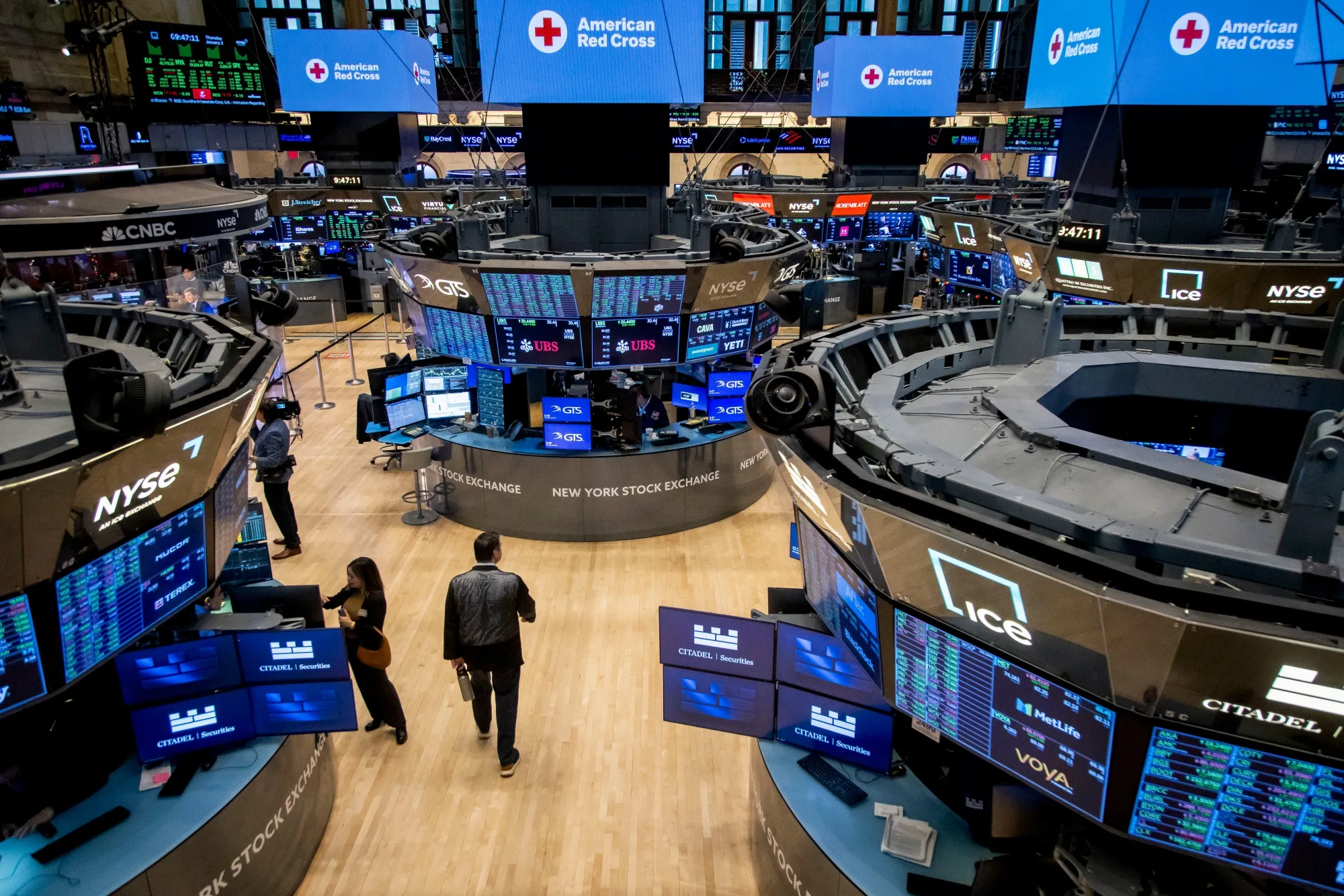
For active traders, the market’s operating hours dictate their entire workday. Pre-market analysis, monitoring news feeds, formulating trading plans, executing trades during the regular session, and post-market review become a structured routine. For long-term investors, while the minute-by-minute fluctuations might be less critical, understanding market hours is still important for placing limit orders, knowing when their orders will be filled, and staying informed about when major market-moving news is likely to occur. It impacts how quickly they can respond to changes in their portfolio value or make adjustments to their investment strategies. Ultimately, aligning one’s financial activities with the rhythmic pulse of Wall Street is key to effective and informed participation in the capital markets.
In conclusion, “when Wall Street will open” is a question with a multi-faceted answer, extending beyond a simple time stamp. It encompasses the standard daily schedule, the extended hours facilitated by technology, the planned closures for holidays, and the rare but impactful interruptions due to unforeseen events. More importantly, it highlights the profound implications of these timings for liquidity, volatility, news assimilation, and strategic planning for investors globally. To truly navigate the complexities of modern finance, a deep understanding of these market rhythms is not just beneficial but absolutely essential.
aViewFromTheCave is a participant in the Amazon Services LLC Associates Program, an affiliate advertising program designed to provide a means for sites to earn advertising fees by advertising and linking to Amazon.com. Amazon, the Amazon logo, AmazonSupply, and the AmazonSupply logo are trademarks of Amazon.com, Inc. or its affiliates. As an Amazon Associate we earn affiliate commissions from qualifying purchases.