
The world of financial trading is a complex, interconnected web operating across different time zones and regulatory frameworks. For anyone looking to participate, from novice investors to seasoned professionals, understanding when markets open and close is not merely a logistical detail – it’s a critical component of a successful trading strategy. The rhythm of market openings and closings dictates liquidity, volatility, and ultimately, opportunity. This comprehensive guide will delve into the intricacies of trading hours across various asset classes and geographies, offering insights to help you navigate the global financial landscape with confidence.
The Fundamentals of Trading Hours: Why Timing is Everything
At its core, the concept of trading hours is rooted in the practicalities of market operation, regulatory oversight, and human resource management. Stock exchanges, commodity markets, and even the seemingly 24/7 foreign exchange market have specific periods of heightened activity and, for many, definitive opening and closing bells. Understanding these timings is paramount because they directly influence market dynamics.
Understanding Market Liquidity and Volatility
Market liquidity refers to the ease with which an asset can be bought or sold without significantly affecting its price. When a market is “open” and actively trading, especially during peak hours, liquidity tends to be highest. This means bid-ask spreads are tighter, and large orders can be executed more easily. Conversely, during off-hours or low-volume periods, liquidity can dry up, leading to wider spreads and potentially larger price swings on smaller trades – a phenomenon known as increased volatility. For day traders and those employing short-term strategies, pinpointing periods of high liquidity and predictable volatility is crucial for successful execution.
The Impact of Geographic Location and Time Zones
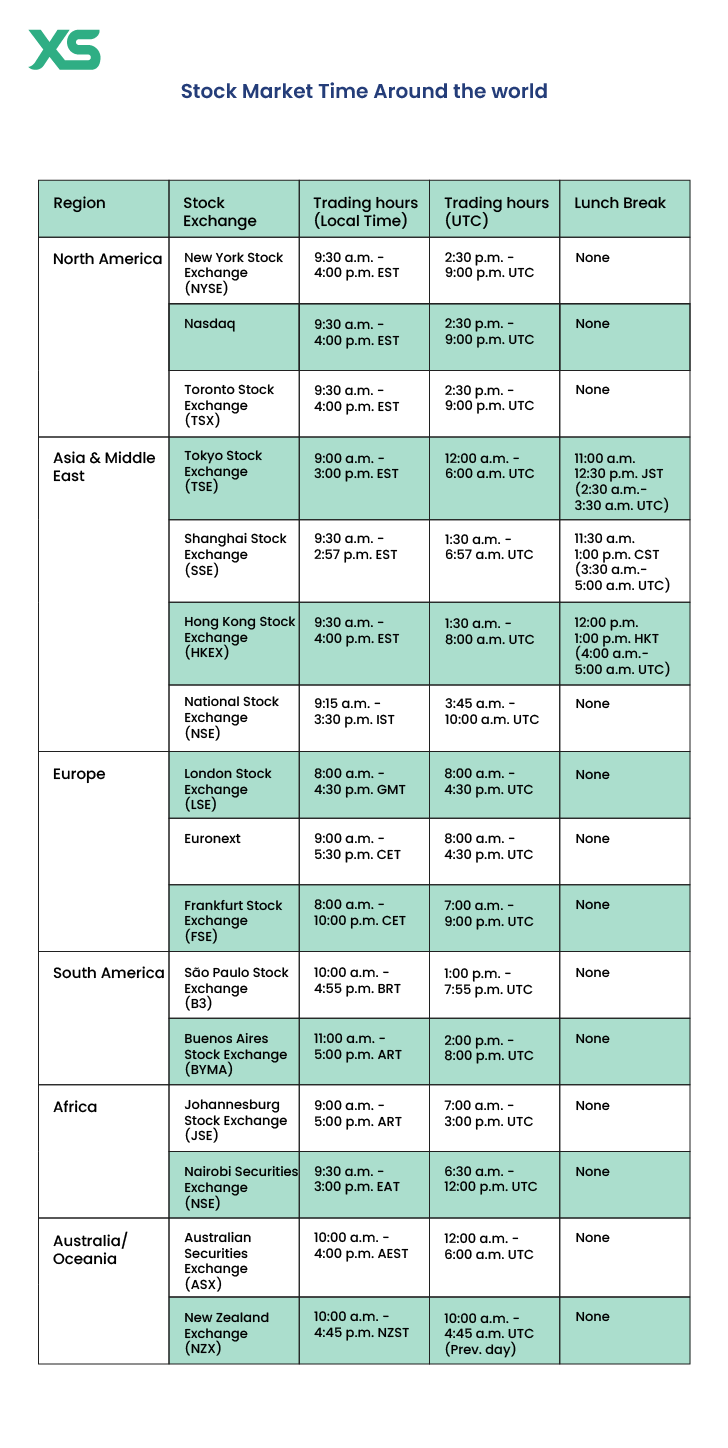
The global nature of finance means that when one market is closing, another is often just beginning its day. This continuous cycle is largely driven by the Earth’s rotation and the different time zones adopted by various countries. A market’s official trading hours are always local to its physical location. For example, when the New York Stock Exchange (NYSE) opens in the morning Eastern Time, the Tokyo Stock Exchange (TSE) has already been closed for several hours. Traders operating internationally must convert these local times to their own time zone to accurately track market openings and closures, a task made simpler by modern financial tools but still requiring diligence. This temporal overlap creates unique opportunities, particularly in markets like foreign exchange, where currency pairs involving different regions can be most active when both regions’ business hours overlap.
Key Regulatory Frameworks and Their Influence
Market operating hours are not arbitrary; they are typically set and enforced by regulatory bodies and the exchanges themselves. These regulations aim to ensure fair and orderly trading, protect investors, and prevent market manipulation. Regulators often mandate specific opening and closing times, introduce circuit breakers during periods of extreme volatility, and dictate procedures for holidays and emergencies. Understanding these frameworks is essential, as they govern the legal and operational parameters within which all trading activities must occur. Non-compliance, even unwitting, can lead to severe penalties, underscoring the importance of knowing the rules of each market you participate in.
Major Global Equity Markets: A Timetable for Stocks
Equity markets, where shares of publicly traded companies are bought and sold, are perhaps the most well-known type of financial market. Their opening and closing times are often signaled by an iconic bell and are critical for investors focusing on stocks.
North American Powerhouses: NYSE and NASDAQ
The New York Stock Exchange (NYSE) and the NASDAQ Stock Market are the two largest stock exchanges in the United States and among the largest globally. Both operate on similar schedules:
- Normal Trading Hours: 9:30 AM to 4:00 PM Eastern Time (ET), Monday through Friday.
- Pre-Market Trading: Generally, 4:00 AM to 9:30 AM ET.
- After-Hours Trading: Generally, 4:00 PM to 8:00 PM ET.
These extended hours, while offering flexibility, typically feature lower liquidity and higher volatility, making them riskier for less experienced traders.
European Giants: London, Frankfurt, Paris
Europe hosts several influential stock exchanges, each with its own operating hours:
- London Stock Exchange (LSE): 8:00 AM to 4:30 PM Greenwich Mean Time (GMT), Monday through Friday. London is a pivotal financial hub, and its trading hours often overlap with both Asian and American markets, creating a bridge for global activity.
- Deutsche Börse (Xetra, Frankfurt): 9:00 AM to 5:30 PM Central European Time (CET), Monday through Friday.
- Euronext (Paris, Amsterdam, Brussels, Lisbon): 9:00 AM to 5:30 PM CET, Monday through Friday.
These European exchanges play a crucial role in providing liquidity and price discovery for companies listed across the continent.
Asian Market Dynamics: Tokyo, Shanghai, Hong Kong
Asia’s financial markets are the first to open the global trading day, influencing sentiment across the globe:
- Tokyo Stock Exchange (TSE): 9:00 AM to 11:30 AM, and 12:30 PM to 3:00 PM Japan Standard Time (JST), Monday through Friday. The lunch break is a distinctive feature.
- Shanghai Stock Exchange (SSE) & Shenzhen Stock Exchange (SZSE): 9:30 AM to 11:30 AM, and 1:00 PM to 3:00 PM China Standard Time (CST), Monday through Friday. These exchanges are heavily influenced by domestic policies and investor sentiment.
- Hong Kong Stock Exchange (HKEX): 9:30 AM to 12:00 PM, and 1:00 PM to 4:00 PM Hong Kong Time (HKT), Monday through Friday. Hong Kong serves as a major gateway to mainland Chinese markets.
The early opening of Asian markets often sets the initial tone for the trading day in subsequent regions.
Pre-Market and After-Hours Trading: Extending the Day
While the “official” trading hours define the main period of activity, many exchanges facilitate trading outside these windows. Pre-market trading allows investors to react to news released overnight or before the market opens, while after-hours trading caters to reactions to earnings reports or late-breaking news. These extended sessions are typically conducted electronically and are characterized by lower trading volumes, wider bid-ask spreads, and increased price volatility. They are generally considered more suitable for experienced traders who understand the associated risks.
Beyond Equities: Opening Hours for Diverse Asset Classes
While stocks receive significant attention, a broad spectrum of other asset classes offers distinct trading opportunities, each with its own set of operating hours.
The 24/5 World of Forex Trading
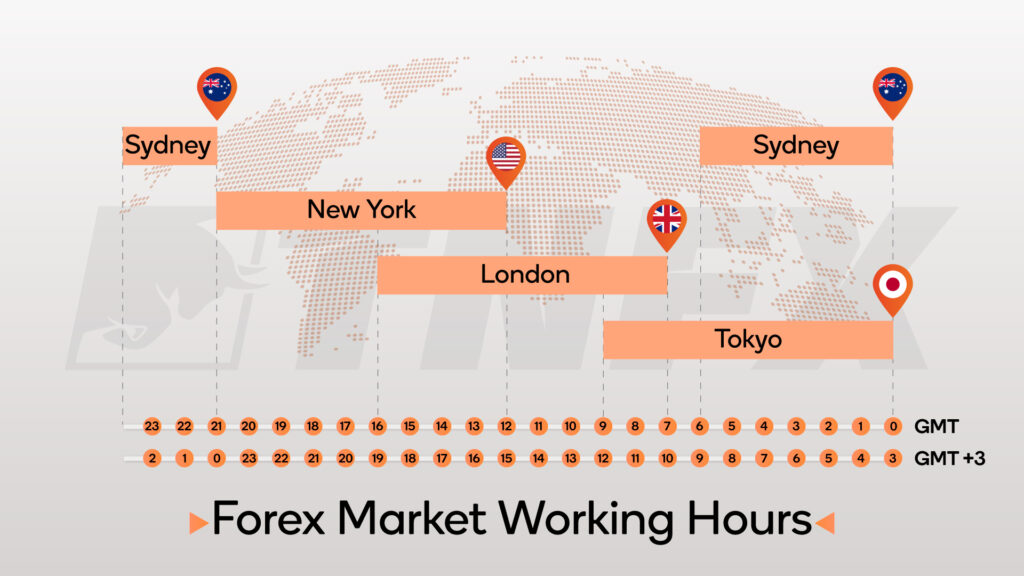
The foreign exchange (forex) market is unique in its continuous operation. Due to the decentralized nature and global participation, it operates 24 hours a day, five days a week, from Sunday evening to Friday afternoon EST. This “always-on” market is possible because as one major financial center closes, another in a different time zone is opening. The main forex trading sessions are generally aligned with the business hours of four key financial centers:
- Sydney Session: Opens first, followed by
- Tokyo Session: Overlaps with Sydney.
- London Session: Overlaps with Tokyo and New York.
- New York Session: Overlaps with London, and closes as Sydney prepares to open again.
The periods of greatest liquidity and volatility in forex often occur when two major sessions overlap (e.g., London and New York), as trading activity surges with participants from both regions.
Commodities Markets: Energy, Metals, and Agriculture
Commodities – raw materials like oil, gold, natural gas, and agricultural products – are traded on specialized exchanges. Their hours can vary significantly:
- Energy (e.g., Crude Oil Futures): Traded on exchanges like the New York Mercantile Exchange (NYMEX), often electronically from Sunday evening through Friday afternoon, with short daily breaks. For example, CME Globex for crude oil futures trades from 6:00 PM ET Sunday to 5:00 PM ET Friday, with a daily maintenance break from 5:00 PM to 6:00 PM ET.
- Precious Metals (e.g., Gold Futures): Similar to energy, often trading electronically for nearly 24 hours a day on exchanges like COMEX, with brief daily pauses.
- Agricultural Commodities (e.g., Corn, Wheat): Typically have more defined daytime trading hours, often aligning with agricultural news cycles and delivery schedules, for example, on the Chicago Board of Trade (CBOT) from 8:30 AM to 1:15 PM CT, with extended electronic sessions.
The trading hours for commodities are often influenced by global supply and demand factors, geopolitical events, and even weather patterns.
The Ever-Open Realm of Cryptocurrency Trading
Cryptocurrency markets operate on a truly 24/7 basis, 365 days a year. Unlike traditional financial markets, there are no official closing times, holidays, or weekend breaks. This continuous operation is a defining characteristic of decentralized digital assets like Bitcoin and Ethereum, traded on various global exchanges.
- 24/7 Availability: Trades can be executed at any time, anywhere in the world.
- Decentralized Nature: No single exchange dictates global hours, though individual exchange maintenance windows may occur.
While continuous, liquidity can still fluctuate, with certain times of the day (often coinciding with major traditional market overlaps) seeing higher trading volumes. The constant nature of crypto markets means investors must be vigilant against price swings at any time.
Bonds and Fixed Income Markets
Government bonds, corporate bonds, and other fixed-income securities are typically traded over-the-counter (OTC) or through electronic platforms, rather than on a central exchange with a single opening bell.
- Main Trading Hours: Often align with standard business hours in major financial centers (e.g., 8:00 AM to 5:00 PM ET for U.S. Treasury markets), Monday through Friday.
- Electronic Trading: Many bond markets offer extended electronic trading, but the primary liquidity resides within the core business day.
The fixed-income market is generally less volatile on an intraday basis compared to equities, but significant news or economic data releases can cause rapid price movements.
Special Considerations: Holidays, Closures, and Economic Announcements
Beyond the standard weekly schedule, several factors can disrupt or alter regular trading hours, demanding a trader’s keen attention.
National Holidays and Exchange Closures
Financial markets observe national holidays in their respective countries, leading to full-day closures. For example, U.S. markets close for holidays like New Year’s Day, Memorial Day, Independence Day, Thanksgiving, and Christmas. Similarly, exchanges in Europe and Asia have their own specific holiday calendars. It’s crucial for traders to consult the official holiday schedules of the exchanges they trade on to avoid unexpected disruptions or missed opportunities. Trading platforms and brokers typically publish these calendars well in advance.
Early Closures and Shortened Trading Sessions
In addition to full holidays, markets may have early closures or shortened trading sessions, often preceding or following major holidays, or for specific logistical reasons. For instance, U.S. equity markets might close early on the day before Thanksgiving or Christmas Eve. These shortened sessions can lead to reduced liquidity and higher volatility in the latter part of the trading day, presenting both risks and opportunities for those who understand these dynamics.
The Influence of Economic Data Releases
While not directly dictating opening or closing times, the timing of major economic data releases significantly impacts market activity. Reports such as non-farm payrolls, inflation data (CPI), interest rate decisions from central banks (e.g., FOMC meetings), and GDP figures are pre-scheduled. Their release times are keenly watched by traders, as they can trigger immediate and substantial price movements across various asset classes. Often, liquidity surges just before and after these announcements as traders position themselves or react to the news. Prudent traders adjust their strategies around these high-impact events, sometimes opting to sit out the immediate aftermath to avoid excessive volatility.
Strategic Trading: Aligning Your Approach with Market Hours
Understanding market hours is not just about knowing when you can place a trade; it’s about optimizing your trading strategy to align with prevailing market conditions. Different trading styles benefit from different market states associated with specific times.
Day Trading and the Open Bell Strategy
Day traders, who open and close all positions within a single trading day, often focus intensely on the market open. The first hour of trading, sometimes called the “open bell” or “power hour,” is characterized by exceptionally high volatility and liquidity as participants react to overnight news and pre-market activity. This period can offer significant profit opportunities but also carries substantial risk due to rapid price swings. Many day traders develop specific strategies for these initial hours, aiming to capture quick movements before the market settles into a more predictable pattern.
Swing Trading and Overnight Positions
Swing traders, who hold positions for several days or weeks to capture short-to-medium term trends, are less concerned with intraday volatility but must still consider market hours. Holding positions overnight or over weekends exposes them to “gap risk,” where prices can open significantly higher or lower than their previous close due to news or events that occurred when the market was closed. While not always avoidable, awareness of holiday closures and potential geopolitical events can help manage this risk. They often look for periods of sustained momentum rather than the intense, rapid moves of the open.
Long-Term Investing: Less Dependent on Hourly Fluctuations
For long-term investors, the precise opening and closing times of markets are generally less critical. Their focus is on fundamental analysis, economic trends, and the long-term growth prospects of companies or assets. While they still execute trades during market hours, the immediate fluctuations of an opening bell or an after-hours session have minimal impact on their overall investment horizon. They might use market openings as opportunities to place orders but are not actively seeking to profit from intraday volatility.
Adapting to Global Market Overlaps
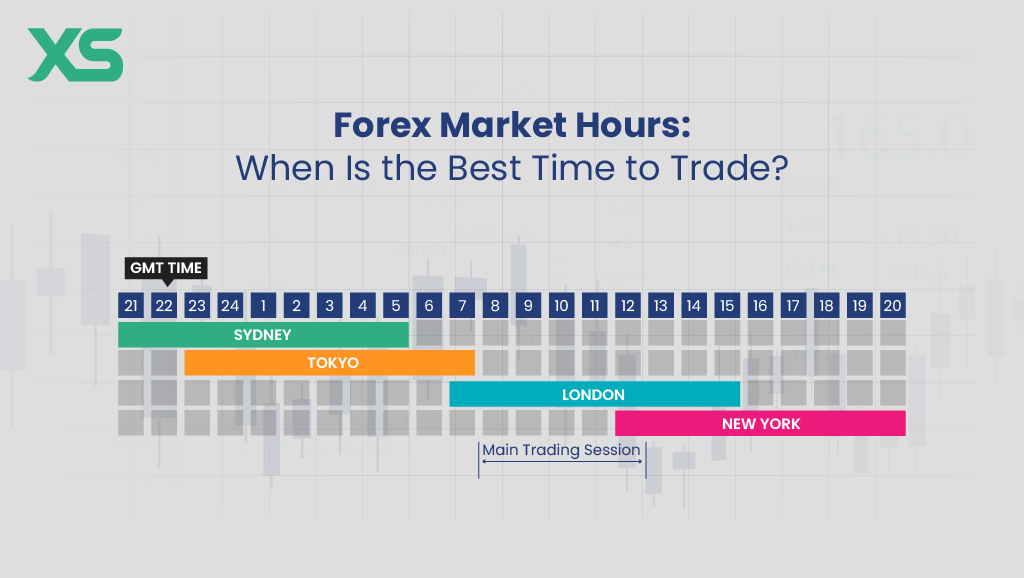
Savvy traders, particularly those involved in forex or global equity indices, leverage the overlaps between major market sessions. The period when the London and New York markets are both open (roughly 8:00 AM to 12:00 PM ET) is often the most active and liquid time for currency pairs involving USD, EUR, and GBP. Similarly, overlaps between Asian and European markets can present opportunities. Understanding these periods of heightened global activity allows traders to focus their efforts when market depth and movement are most pronounced, potentially leading to better execution and higher probability setups.
In conclusion, the question “When does trading open?” is far more nuanced than a simple answer. It encompasses a complex interplay of geographic locations, time zones, asset classes, regulatory structures, and strategic considerations. For any participant in the financial markets, developing a deep understanding of these various opening and closing times is not just good practice – it’s an indispensable foundation for informed decision-making, effective risk management, and ultimately, a more successful trading and investing journey. By meticulously tracking market schedules and adapting strategies accordingly, individuals can position themselves to capitalize on the dynamic opportunities the global financial markets present.
aViewFromTheCave is a participant in the Amazon Services LLC Associates Program, an affiliate advertising program designed to provide a means for sites to earn advertising fees by advertising and linking to Amazon.com. Amazon, the Amazon logo, AmazonSupply, and the AmazonSupply logo are trademarks of Amazon.com, Inc. or its affiliates. As an Amazon Associate we earn affiliate commissions from qualifying purchases.