
For investors, traders, and anyone engaged with the financial world, understanding the operational hours of capital markets is not merely a matter of trivia—it’s a critical component of risk management, strategic planning, and successful execution. The rhythm of the trading day dictates liquidity, volatility, and access to investment opportunities. In the United States, the closing bell for its primary stock exchanges marks a significant daily event, but the broader picture of “US markets” encompasses a diverse range of financial instruments, each with its own unique timetable. This exploration will delve into the precise closing times, the rationale behind them, and the strategic implications for participants, ensuring a comprehensive understanding of when the financial gears officially grind to a halt—and when they continue to whir in the background.
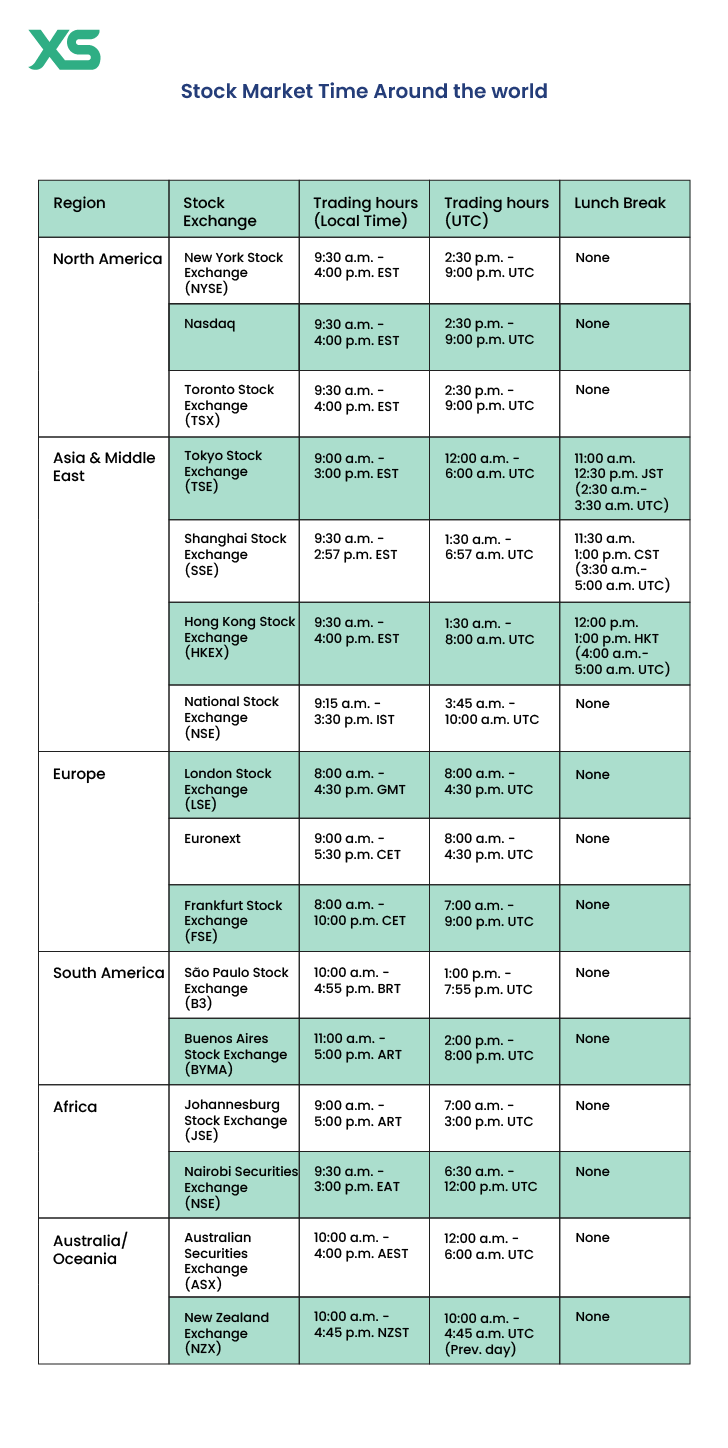
The Standard Operating Hours of Major US Stock Exchanges
The backbone of US equity trading comprises two giants: the New York Stock Exchange (NYSE) and the Nasdaq Stock Market. These institutions set the widely recognized standard for the traditional trading day, influencing the perception of “market hours” for countless investors.
New York Stock Exchange (NYSE) and Nasdaq: The Core Trading Window
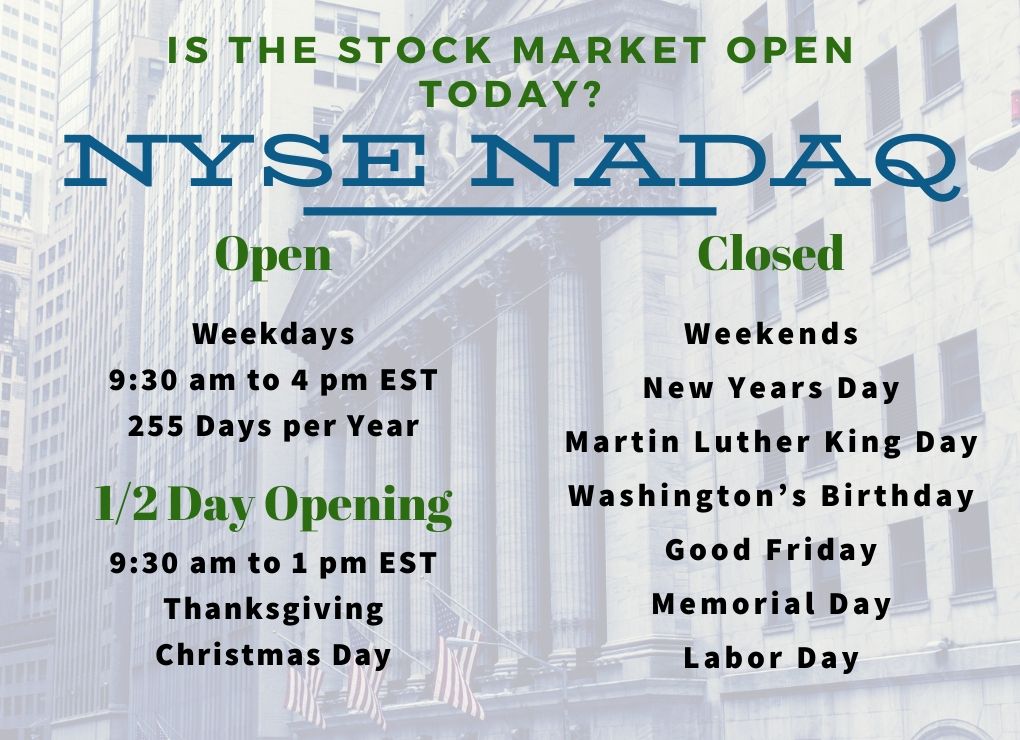
The two behemoths of US stock trading, the NYSE and Nasdaq, both adhere to a uniform schedule for their regular trading sessions. The closing bell for these exchanges typically rings at 4:00 PM Eastern Time (ET). The trading day commences at 9:30 AM ET, establishing a 6.5-hour window for active, continuous trading. This period is characterized by the highest liquidity and the most efficient price discovery, as the vast majority of market participants are actively engaged.
The significance of the 4:00 PM ET closing time extends beyond simply halting trades. It often marks the culmination of the day’s market movements, with many institutional investors executing their final trades, portfolio adjustments, and rebalancing activities in the minutes leading up to the close. This can sometimes lead to increased volatility in the final moments as large orders are processed, influencing the official closing prices that are widely reported and used for index calculations and valuation purposes. Understanding this standard window is fundamental for anyone looking to participate in the most liquid and robust phase of US equity trading.
Understanding Eastern Time and Global Implications
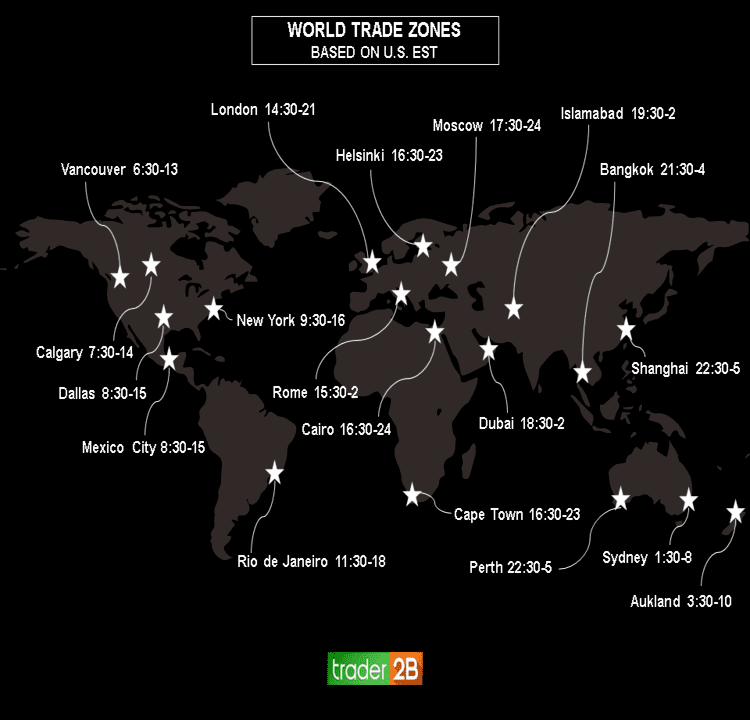
While the 4:00 PM ET closing time is fixed, its perception varies significantly across different geographical regions due to time zone differences. For instance, investors on the West Coast of the United States see the market close at 1:00 PM Pacific Time, while those in London witness the US market closure at 9:00 PM GMT (during Daylight Saving Time in the US, it would be 9:00 PM BST). This discrepancy highlights a crucial point for international investors and those managing global portfolios: market activity in one region often overlaps with off-hours in another.
The use of Eastern Time as the standard for US financial markets is deeply rooted in history, given New York City’s status as a global financial hub. For investors outside the Eastern Time zone, especially those in Europe, Asia, or other parts of the Americas, converting the market hours to their local time is an essential practice. This allows them to effectively plan their trading day, monitor their investments, and react to news and events during the most relevant periods. Furthermore, the closing time for US markets often signals a shift in focus to Asian or European markets as their trading days commence, creating a continuous, albeit segmented, global trading cycle.
Market Holidays and Early Closures
The regular trading schedule is not absolute and is subject to adjustments for various reasons, primarily national holidays and specific events. US stock markets observe several holidays throughout the year, during which they remain entirely closed. These typically include New Year’s Day, Martin Luther King, Jr. Day, Presidents’ Day, Good Friday, Memorial Day, Juneteenth National Independence Day, Independence Day, Labor Day, Thanksgiving Day, and Christmas Day. On these days, no regular trading occurs, and investors must factor this into their financial planning and transaction scheduling.
In addition to full-day closures, there are instances of early market closures. For example, on the day before or after certain holidays (like Thanksgiving or Christmas Eve), the stock market might close early, often at 1:00 PM ET. These shortened trading days can impact liquidity and trading volumes, potentially leading to more pronounced price movements due to a reduced participant pool. It is incumbent upon investors and financial professionals to consult official exchange calendars well in advance to stay informed of these deviations from the standard schedule, preventing missed opportunities or unexpected market unavailability.
Beyond the Bell: Exploring Extended Trading Hours
While the regular 9:30 AM to 4:00 PM ET window defines the core trading day, the advent of electronic trading platforms has significantly extended the actual hours during which market participants can buy and sell securities. These “extended trading hours” occur both before the market officially opens and after it closes, providing flexibility but also introducing different dynamics.
Pre-Market Trading: Setting the Stage
Pre-market trading refers to the period before the official market open at 9:30 AM ET. This session typically begins as early as 4:00 AM ET and extends right up to the opening bell. During pre-market hours, investors can place buy and sell orders for stocks electronically. The activity in this window is often driven by overnight news, earnings reports released before the market opens, or significant global economic data.
Pre-market trading serves as an important indicator of potential market sentiment for the upcoming regular session. While volumes are generally lower and spreads (the difference between bid and ask prices) can be wider compared to regular hours, it allows investors to react swiftly to breaking news or adjust positions ahead of the main trading day. For instance, a company announcing better-than-expected earnings before the market opens might see its stock price surge in pre-market trading, setting the tone for its performance once the regular session begins. This early access is particularly valuable for active traders and institutional investors who need to adjust their strategies based on immediate information.
After-Hours Trading: Reacting to News and Events
Following the 4:00 PM ET closing bell, after-hours trading commences, often running until 8:00 PM ET. Similar to pre-market trading, this session is facilitated by electronic communication networks (ECNs) and allows investors to trade outside of regular market hours. After-hours trading is frequently influenced by news that breaks immediately after the market closes, such as quarterly earnings announcements, analyst upgrades or downgrades, or major corporate developments.
The ability to trade after hours provides investors with the flexibility to respond to late-breaking information without waiting for the next trading day. This can be crucial for managing risk, capitalizing on swift market reactions, or executing trades based on company-specific events. For example, a pharmaceutical company announcing positive clinical trial results after 4:00 PM ET might experience a significant price increase in after-hours trading as investors rush to buy shares based on the new information. However, like pre-market, after-hours trading typically exhibits lower liquidity and higher volatility, making it a more challenging environment for some participants.
Risks and Opportunities in Extended Sessions
While extended trading hours offer undeniable advantages in terms of flexibility and responsiveness, they also come with distinct risks that investors must carefully consider. The primary concern is lower liquidity. With fewer participants actively trading, it can be more difficult to execute large orders without significantly impacting the price, leading to wider bid-ask spreads. This means investors might buy at a higher price or sell at a lower price than they would during regular hours.
Increased volatility is another characteristic of extended sessions. News-driven reactions in a less liquid environment can lead to sharper, more erratic price swings. An investor might find a stock’s price moving dramatically based on a single piece of news, only for it to revert or move in the opposite direction once regular trading resumes. Furthermore, price discovery can be less efficient due to the reduced trading volume and potentially limited access to real-time market data for all participants. Information asymmetry can be a greater factor.
Despite these risks, extended hours present clear opportunities. They allow investors to act on information immediately, potentially getting ahead of the curve before the broader market reacts. For those with a clear investment thesis and a strong conviction based on fresh data, extended sessions can be a valuable tool for strategic positioning. However, successful participation requires a robust understanding of the underlying dynamics, advanced trading tools, and a disciplined approach to risk management, emphasizing the need for caution and expertise in these less-regulated periods.
A Broader Look: Other US Financial Markets
While equity markets command significant public attention, the US financial landscape is vast, encompassing a variety of other markets, each with its own operational timetable. Understanding these different schedules is essential for a holistic view of the financial ecosystem.
Bond Markets: A Different Rhythm
The US bond market, which includes government bonds (Treasuries), corporate bonds, and municipal bonds, operates on a slightly different schedule than the stock market. While there isn’t a single “bond exchange” in the same way as the NYSE or Nasdaq, most bond trading occurs over-the-counter (OTC) through a network of dealers. The typical hours for US bond trading are from 8:00 AM ET to 5:00 PM ET. This means the bond market generally opens earlier and closes later than the stock market.
This extended window reflects the different nature of bond investing, which often involves large institutional players and a focus on interest rates and macroeconomic indicators. The Bond Market Association (now part of SIFMA, the Securities Industry and Financial Markets Association) typically recommends these hours, though trading can and does occur outside of them, especially for highly liquid instruments like US Treasuries. Similar to stocks, bond markets also observe holidays, and specific events can lead to early closures, particularly around major US holidays, where trading might cease at 2:00 PM ET.
Futures and Commodities: Nearly 24/7 Operations
Futures and commodities markets represent another distinct segment of the financial world, characterized by much longer trading hours, often bordering on 24/7. Futures contracts, which are agreements to buy or sell an asset at a predetermined price on a future date, trade on exchanges like the CME Group (Chicago Mercantile Exchange, CBOT, NYMEX, COMEX) and ICE (Intercontinental Exchange).
Many futures contracts, especially those for widely traded commodities like crude oil, natural gas, gold, silver, and agricultural products, as well as financial futures (e.g., S&P 500 E-mini futures, Treasury bond futures), operate almost around the clock. For instance, electronic trading for many CME products can run from Sunday evening (typically 6:00 PM ET) through Friday afternoon (typically 5:00 PM ET) with only brief daily breaks. This extended availability is necessary due to the global nature of commodity production, consumption, and the continuous flow of economic data and geopolitical events that impact their prices. For traders focused on these markets, “closing time” is less about a single daily bell and more about short, strategic pauses or the weekly end of trading.
Forex Markets: The Truly Global, Always-On Arena
Perhaps the most ‘open’ of all financial markets is the foreign exchange (forex or FX) market. The forex market, where currencies are traded, truly operates 24 hours a day, five days a week. There is no central exchange; instead, it’s a global, decentralized market operating through a network of banks, brokers, and other financial institutions.
The “day” in forex trading follows the sun, opening on Monday morning in Sydney and closing on Friday afternoon in New York. As one major financial center closes, another opens, ensuring continuous liquidity and trading opportunities. For example, when the New York session closes at 5:00 PM ET on Friday, the market remains open for a few hours in Asia/Pacific before concluding for the weekend. This constant activity means there is no single “closing time” for the forex market in the traditional sense, making it unique among financial instruments. However, specific currency pairs and brokers might have their own daily cut-off times for certain operations or weekend closures.
The Strategic Implications of Market Closing Times for Investors
The timing of market closures holds significant strategic weight for investors, influencing everything from trading tactics to long-term portfolio management. Understanding these implications is key to navigating market dynamics effectively.
Managing End-of-Day Volatility and Liquidity
The final hour of regular trading, often referred to as the “power hour,” and the minutes immediately preceding the closing bell (the “closing auction”) can be characterized by heightened volatility and substantial trading volumes. Institutional investors, mutual funds, and large portfolio managers frequently execute significant orders to rebalance their portfolios, meet redemption requests, or adjust positions to align with benchmark indices. This surge of activity can lead to rapid price movements and potentially wider spreads, making precise execution challenging.
For active traders, the end of the day presents both opportunities and risks. It’s a time when prices can move dramatically, offering chances for quick gains but also exposing traders to increased potential losses. Understanding how to manage orders (e.g., using limit orders instead of market orders, or participating in the closing auction) during this period is crucial. For long-term investors, while daily volatility might be less concerning, the official closing price is what determines the day’s performance for their holdings, impacting portfolio valuations. Therefore, an awareness of this end-of-day dynamic is essential for all market participants, whether they choose to engage in it or avoid it.
Decision-Making for Short-Term Traders
For day traders and short-term speculators, the market closing time is a hard deadline. Positions must often be squared away or carefully managed before the bell rings, especially if they wish to avoid overnight risk. Holding positions overnight exposes traders to “gap risk,” where a stock’s price might open significantly higher or lower the next day due to news that breaks after market close. This can lead to substantial, unforeseen losses or gains.
Traders often employ specific strategies around the close, such as “closing bell fades” or “end-of-day momentum plays,” attempting to capitalize on the final rush of institutional activity. They meticulously track news releases scheduled for after-hours and plan their strategies accordingly. Furthermore, the closing prices often establish key technical levels for the next trading day, influencing opening strategies. The decisions made in the last hour can significantly impact a short-term trader’s daily profit and loss, emphasizing the need for discipline, speed, and a clear exit strategy as the market approaches its close.
Long-Term Investor Perspectives: When Market Close Matters Less
For long-term investors focused on fundamental analysis and holding assets for months or years, the precise minute the US markets close holds less immediate significance. Their investment thesis is typically based on a company’s intrinsic value, growth prospects, industry trends, and macroeconomic factors, rather than daily price fluctuations. While the official closing price contributes to their daily portfolio valuation, they are less concerned with intra-day volatility or end-of-day trading tactics.
However, even for long-term investors, market closing times have indirect relevance. They determine when corporate earnings reports are typically released (often after the close), when economic data is published, and when major news announcements might trigger significant price movements. An investor might not be actively trading at 4:00 PM ET, but they will certainly be interested in checking their portfolio’s performance and reading any significant news released after the market closes, which could influence their long-term outlook or prompt a strategic review. Ultimately, while the daily closing bell is a tactical concern for traders, it forms part of the broader informational landscape that long-term investors must monitor to stay informed about their holdings.
Best Practices for Engaging with Market Hours
Effective engagement with US market hours, whether during regular sessions or extended periods, hinges on informed decision-making and strategic preparation. Adopting best practices can significantly enhance an investor’s ability to navigate the financial markets successfully.
Staying Informed with Financial Calendars
One of the most fundamental best practices is to consistently consult and understand financial calendars. These calendars are invaluable resources that detail not only market holidays and early closures but also a schedule of key economic data releases, corporate earnings announcements, and central bank meetings. Knowing in advance when these significant events are slated to occur allows investors to anticipate potential market volatility and adjust their strategies accordingly.
Subscribing to reliable financial news services, checking the official websites of exchanges (NYSE, Nasdaq), and utilizing financial planning tools that integrate these calendars can help ensure that investors are always aware of upcoming market schedule deviations or events that could impact their holdings. Proactive knowledge of these timelines is critical for avoiding surprises, managing risk, and capitalizing on anticipated movements around specific dates and times.
Leveraging Technology for Timely Trades
Modern financial technology plays a pivotal role in enabling timely and efficient trading, particularly around market opening and closing times, and during extended sessions. Advanced trading platforms offer features such as real-time data feeds, sophisticated order types (e.g., limit orders, stop-loss orders, market-on-close orders), and automated trading strategies. These tools empower investors to execute trades precisely when they intend, mitigating the risks associated with manual execution during volatile periods.
For those trading in pre-market or after-hours, electronic communication networks (ECNs) are essential. While traditional brokers may offer limited access, specialized platforms provide direct access to these networks, offering more comprehensive trading capabilities. Using mobile trading apps and setting up price alerts can also keep investors connected and informed, allowing them to react to critical market movements even when away from their primary trading desk. The intelligent application of these technological resources is paramount for maintaining an edge and ensuring optimal trade execution across all market hours.
The Importance of a Disciplined Trading Plan
Regardless of an investor’s time horizon or preferred market segment, a well-defined and disciplined trading plan is arguably the most crucial best practice. This plan should clearly outline investment goals, risk tolerance, entry and exit strategies, and specific rules for managing positions, especially around market opening and closing times. For short-term traders, this might involve strict limits on holding positions overnight or predefined profit targets and stop-loss levels for trades executed during the final hour.
A disciplined approach helps investors avoid emotional decision-making, which can be particularly prevalent during periods of high volatility like market closes. It encourages adherence to pre-set parameters, ensuring that actions are aligned with long-term financial objectives rather than impulsive reactions to short-term price swings. Regularly reviewing and refining this plan based on market experiences and evolving financial knowledge further strengthens its effectiveness, empowering investors to consistently navigate the complexities of market hours with confidence and strategic intent.
aViewFromTheCave is a participant in the Amazon Services LLC Associates Program, an affiliate advertising program designed to provide a means for sites to earn advertising fees by advertising and linking to Amazon.com. Amazon, the Amazon logo, AmazonSupply, and the AmazonSupply logo are trademarks of Amazon.com, Inc. or its affiliates. As an Amazon Associate we earn affiliate commissions from qualifying purchases.