
The quest for “the best stock” is a timeless pursuit that echoes through the halls of finance, tantalizing both novice investors and seasoned market veterans alike. It’s a question brimming with promise, suggesting a singular golden ticket to financial prosperity. Yet, the reality is far more nuanced. There isn’t a universally “best” stock, much like there isn’t a universally “best” diet or car for everyone. The ideal investment is a deeply personal construct, shaped by an individual’s unique financial landscape, aspirations, and tolerance for risk.
This article aims to demystify the search for the “best stock” by deconstructing the factors that define investment excellence within the realm of personal finance and investing. Rather than pointing to specific tickers that may or may not perform, we will equip you with the frameworks and insights necessary to identify the optimal investments aligned with your specific financial journey. We’ll explore how to personalize your investment strategy, conduct thorough due diligence, and build a resilient portfolio designed to navigate the dynamic currents of the stock market.
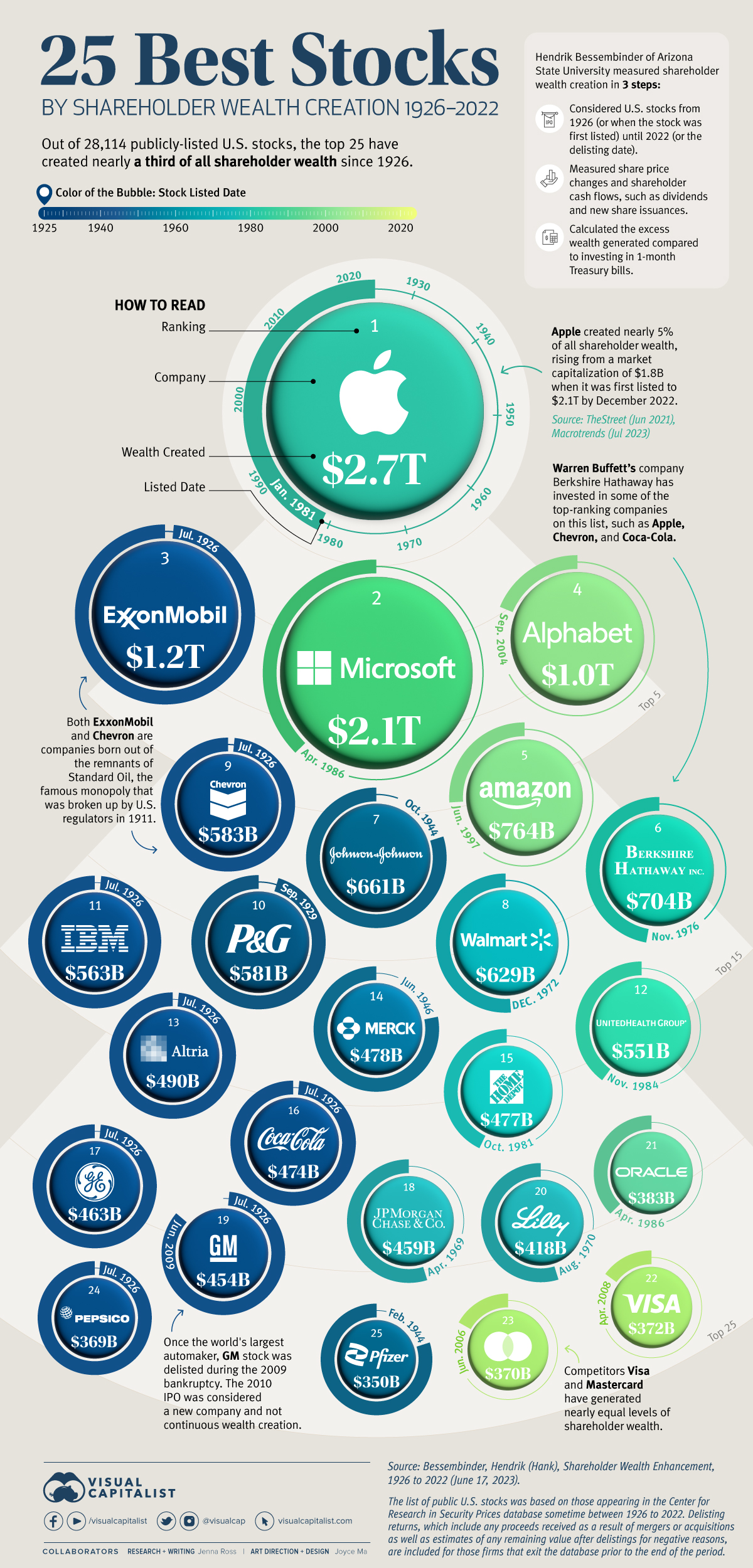
The Elusive “Best”: Why a Universal Answer Doesn’t Exist
The allure of a single “best stock” is powerful, often fueled by sensational headlines or anecdotes of early investors striking it rich with a particular company. However, relying on such a concept is a dangerous fallacy in the intricate world of finance. The notion of a universally superior stock fails to account for the myriad variables that shape investment outcomes and individual needs.
The Investor’s Unique Blueprint
At the heart of the “best stock” dilemma lies the unique blueprint of each investor. What constitutes a “good” or “best” investment is profoundly subjective and contingent on an individual’s specific circumstances. A young professional with decades until retirement might prioritize aggressive growth stocks, willing to stomach higher volatility for potentially greater long-term returns. Conversely, a retiree living off investment income would likely favor stable, dividend-paying companies and capital preservation over high-risk growth plays.
Factors such as age, current income, existing assets and liabilities, family obligations, and even personal ethical considerations all contribute to an investor’s unique profile. An investment that aligns perfectly with one person’s risk tolerance and financial goals could be entirely unsuitable, or even detrimental, to another’s. Therefore, the starting point for identifying your “best stock” is always a comprehensive self-assessment.
Market Dynamics and Economic Shifts
The stock market is a living, breathing ecosystem, constantly in flux. It reacts to a dizzying array of stimuli: economic data releases, geopolitical events, technological breakthroughs, industry disruptions, shifts in consumer behavior, and changes in monetary policy. A company that is performing exceptionally well today might face unforeseen headwinds tomorrow due to a new competitor, a regulatory change, or a broader economic downturn.
Industries rise and fall, business models evolve, and market sentiment can swing wildly. This dynamic nature means that yesterday’s darling stock can quickly become today’s underperformer, and vice versa. There is no single company immune to these broader forces, reinforcing the idea that “best” is a temporary descriptor, not a permanent label, for any given stock.
The Spectrum of Risk and Reward
Every investment carries an inherent relationship between risk and reward. Generally, higher potential returns are accompanied by higher risk, and lower risk typically implies lower potential returns. The “best stock” for you will invariably lie somewhere along this spectrum, reflecting how much volatility and potential loss you are comfortable enduring in pursuit of gains.
Some investors are comfortable with the high-risk, high-reward proposition of speculative growth stocks, which can offer exponential returns but also significant drawdowns. Others prefer the stability of mature, blue-chip companies, which may offer more modest growth but consistent dividends and lower volatility. Understanding where you sit on this risk-reward spectrum is critical for defining what “best” truly means for your portfolio.
Crafting Your “Best Stock” Strategy: Personalizing Your Approach
Since a universal “best stock” is a myth, the pragmatic approach is to define what “best” means for you. This requires a structured process of self-reflection and strategic planning, laying the groundwork for informed investment decisions.
Defining Your Investment Objectives
The cornerstone of any successful investment strategy is clearly defined objectives. What are you investing for? Without a clear purpose, your investment decisions risk becoming rudderless. Common objectives include:
- Retirement Savings: Long-term growth, often with a focus on compounding returns over decades.
- Down Payment for a Home: A mid-term goal that might require a balance of growth and capital preservation.
- Child’s Education Fund: Another long-term goal, potentially with a phased approach as the child nears college age.
- Wealth Accumulation: General growth of capital for future flexibility.
- Income Generation: Regular cash flow from dividends for living expenses or re-investment.
Each objective dictates a different strategic approach. A long-term retirement goal might allow for greater exposure to growth stocks, while saving for a home in three years would necessitate a more conservative stance to protect capital.
Assessing Your Risk Tolerance
An honest assessment of your risk tolerance is paramount. This isn’t just about what you hope to gain, but what you can comfortably lose. Ask yourself:
- How would I react if my portfolio dropped by 10%, 20%, or even 30% in a short period?
- Would I panic and sell, or would I see it as a buying opportunity?
- Does the thought of significant volatility keep me awake at night?
Understanding your true risk tolerance helps you avoid making impulsive decisions during market downturns and ensures your investments align with your psychological comfort levels. Tools like risk assessment questionnaires can provide a starting point, but ultimately, it’s a personal introspection. Conservative investors might lean towards stable, dividend-paying companies or exchange-traded funds (ETFs) that track broad market indices, while aggressive investors might explore individual growth stocks or emerging markets.
Determining Your Investment Time Horizon
The length of time you plan to hold your investments significantly influences your stock selection. This is known as your investment time horizon:
- Long-Term (10+ years): A longer time horizon generally allows for greater risk-taking. You have more time to recover from market downturns and benefit from the power of compounding returns. Growth stocks and cyclical industries can be considered.
- Mid-Term (3-10 years): Requires a balanced approach. While still allowing for growth, capital preservation becomes more important than in the long term. A diversified mix of growth and value stocks, or balanced funds, might be appropriate.
- Short-Term (Less than 3 years): Very little room for risk. Volatile stocks are generally unsuitable. For short-term goals, liquid assets or very conservative investments are typically recommended to avoid locking in losses.
Aligning your time horizon with your investment choices is crucial for maximizing your chances of achieving your financial goals without unnecessary stress.
Fundamental Analysis: Uncovering Intrinsic Value

Once you’ve personalized your investment strategy, the next step is to identify companies that align with it. Fundamental analysis is the bedrock of intelligent investing, involving the evaluation of a company’s financial health, management, and industry to determine its intrinsic value.
Deciphering Financial Statements
A company’s financial statements – the income statement, balance sheet, and cash flow statement – are like its report card.
- Income Statement: Reveals a company’s revenues, expenses, and profit (net income) over a period. Look for consistent revenue growth, healthy profit margins, and positive earnings per share (EPS).
- Balance Sheet: Provides a snapshot of assets, liabilities, and shareholder equity at a specific point in time. Assess debt levels, liquidity (current assets vs. current liabilities), and asset quality.
- Cash Flow Statement: Shows how much cash a company generates and uses. Positive and growing free cash flow is a strong indicator of financial health and operational efficiency.
Key Valuation Ratios and Their Significance
Beyond raw numbers, ratios provide context and enable comparisons.
- Price-to-Earnings (P/E) Ratio: Compares a company’s share price to its earnings per share. A high P/E might indicate high growth expectations, while a low P/E could suggest an undervalued stock or a company facing challenges.
- Price-to-Book (P/B) Ratio: Compares market value per share to its book value per share. Useful for valuing asset-heavy companies.
- PEG Ratio (P/E to Growth): Divides the P/E ratio by the annual earnings per share growth rate. A PEG ratio around 1 (or less) can signal a reasonably valued growth stock.
- Debt-to-Equity Ratio: Measures a company’s financial leverage. A lower ratio generally indicates less risk.
- Return on Equity (ROE): Shows how much profit a company generates for each dollar of shareholder equity. A higher ROE indicates efficient use of equity.
Evaluating Management Quality and Competitive Moats
Numbers alone don’t tell the whole story. The quality of a company’s management team and the strength of its competitive advantages are equally vital.
- Management: Look for experienced, ethical leadership with a clear vision and a track record of executing strategies. Assess how management communicates with shareholders and allocates capital.
- Competitive Moats: Warren Buffett popularized this term, referring to sustainable competitive advantages that protect a company’s long-term profits and market share. Examples include strong brand loyalty, patents, proprietary technology, network effects, high switching costs for customers, or significant cost advantages. A company with a wide moat is better positioned to withstand competition and generate consistent returns.
Diversification and Portfolio Construction: Mitigating Risk
Even after meticulous fundamental analysis, concentrating all your investments in one or a few “best” stocks is perilous. The true strength of a portfolio lies in its structure and diversification, which are critical for mitigating risk and ensuring long-term stability.
The Imperative of Diversification
Diversification is the strategy of spreading your investments across various assets, industries, and geographies to reduce exposure to any single risk. If one company or sector performs poorly, the impact on your overall portfolio is cushioned by the performance of others. Avoid putting all your eggs in one basket. A well-diversified portfolio might include:
- Different Companies: Investing in multiple companies, even within the same industry.
- Different Industries: Spreading investments across technology, healthcare, consumer staples, financials, etc.
- Different Geographies: Investing in domestic and international markets.
- Different Asset Classes: Combining stocks with bonds, real estate, or other alternative assets.
Strategic Asset Allocation
Asset allocation is the process of dividing your investment portfolio among different asset categories, such as stocks, bonds, and cash. This strategic decision is one of the most significant determinants of your long-term returns and overall portfolio risk. Your ideal asset allocation will depend directly on your investment objectives, risk tolerance, and time horizon. Younger investors with a long time horizon might have a higher allocation to stocks, while those nearing retirement might opt for a more conservative mix with a larger bond component.
The Role of ETFs and Mutual Funds
For many investors, especially those without the time or expertise for individual stock picking, Exchange-Traded Funds (ETFs) and Mutual Funds offer an accessible pathway to diversification and professional management.
- ETFs: Are baskets of securities (like stocks, bonds, or commodities) that trade on exchanges like individual stocks. They offer instant diversification, often with lower expense ratios than actively managed mutual funds. There are ETFs for almost every sector, index, and investment strategy imaginable.
- Mutual Funds: Are professionally managed portfolios of stocks, bonds, or other investments. They pool money from many investors and invest it in a diversified portfolio, providing instant diversification and expert management, though they often come with higher fees.
These pooled investment vehicles can be excellent tools for achieving broad market exposure and reducing idiosyncratic risk, making them a “best” option for efficient portfolio construction for many.
Continuous Monitoring and Adaptation: The Evolving Portfolio
Investing is not a “set it and forget it” endeavor. The financial landscape is constantly evolving, as are your personal circumstances. A truly optimized portfolio requires continuous monitoring, periodic adjustments, and a willingness to adapt.
Regular Portfolio Review and Rebalancing
Periodically reviewing your portfolio is essential to ensure it remains aligned with your original objectives and risk tolerance. At least once a year, or after significant life events, assess your investments.
- Rebalancing: This involves adjusting your portfolio back to your desired asset allocation. For example, if stocks have outperformed bonds, your stock allocation might now be higher than your target. Rebalancing would mean selling some stocks and buying more bonds to restore your original ratios. This disciplined practice helps to manage risk and lock in gains.
Staying Informed About Market Trends and Company Performance
While you don’t need to track daily market fluctuations, staying generally informed about economic news, industry developments, and the performance of your individual holdings is prudent. Subscribing to financial news, reading company earnings reports, and understanding broader macroeconomic trends can help you make more informed decisions about when to adjust your holdings.
When to Re-evaluate “Best”
The concept of “best” for a particular stock or strategy can change. Triggers for re-evaluation include:
- Fundamental Changes: A company’s business model is disrupted, its competitive moat erodes, or its financial health significantly deteriorates.
- Personal Life Events: Marriage, childbirth, job loss, or approaching retirement can alter your financial goals and risk tolerance, necessitating portfolio adjustments.
- Significant Market Shifts: Major economic downturns or prolonged bull markets might warrant a re-assessment of your asset allocation.
Maintaining a flexible mindset and being prepared to adapt your strategy are hallmarks of successful long-term investing.
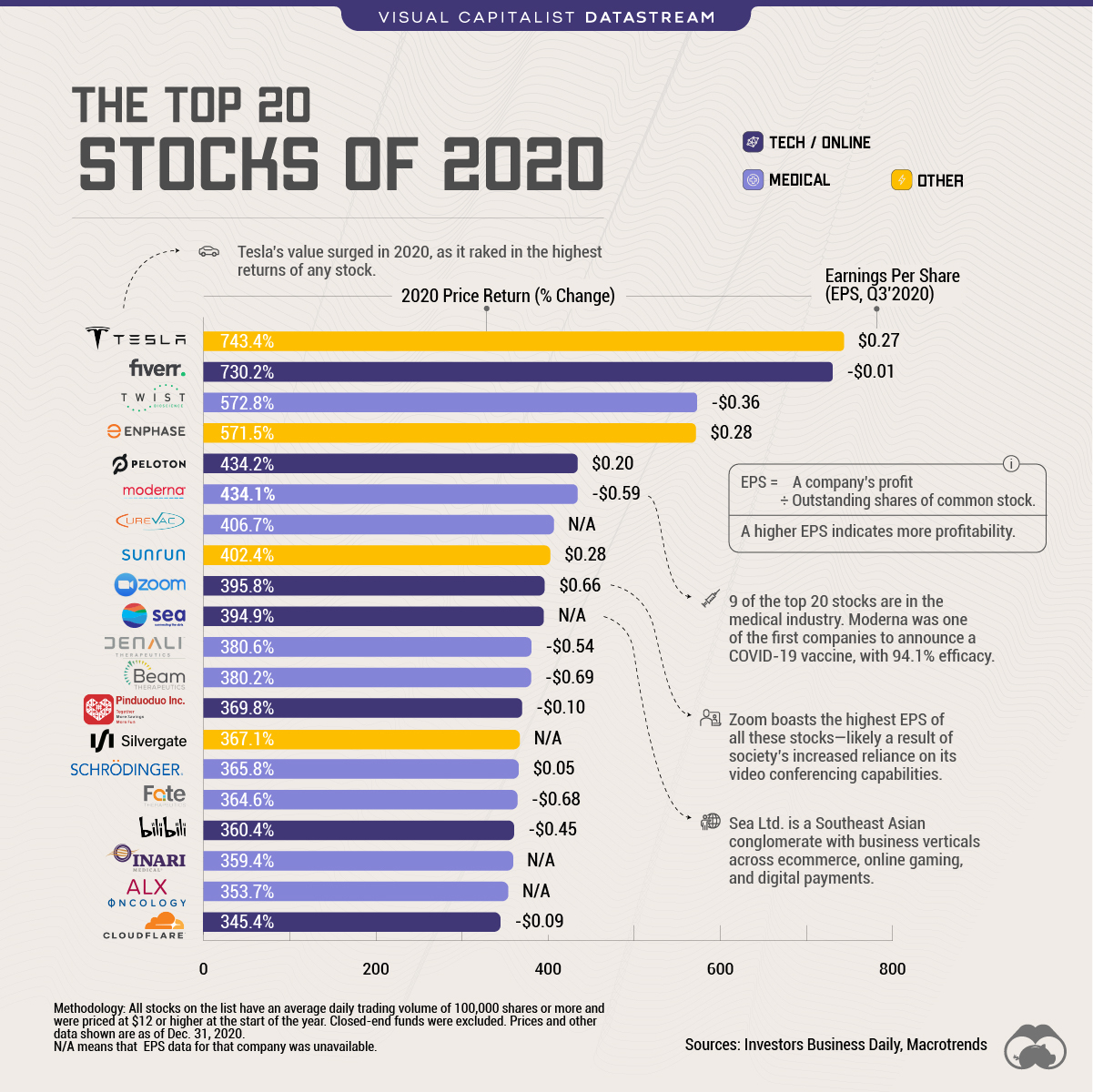
Conclusion
The pursuit of “the best stock” is ultimately a deeply personal journey, not a universal treasure hunt. There is no single investment that will satisfy every investor’s needs across all market conditions. Instead, “the best stock” for you is one that perfectly aligns with your clearly defined financial objectives, comfortably fits your risk tolerance, and is supported by a thorough understanding of fundamental value.
By meticulously defining your goals, honestly assessing your risk appetite, and committing to disciplined research and strategic portfolio construction, you empower yourself to navigate the complexities of the stock market effectively. Remember the crucial role of diversification to mitigate risk, and acknowledge that investing is an ongoing process of learning, monitoring, and adapting. While no crystal ball exists, adhering to sound financial principles and seeking advice from qualified financial professionals when needed can guide you toward building a robust and resilient portfolio designed to meet your unique financial aspirations and redefine what “best” truly means for your personal investment success.
aViewFromTheCave is a participant in the Amazon Services LLC Associates Program, an affiliate advertising program designed to provide a means for sites to earn advertising fees by advertising and linking to Amazon.com. Amazon, the Amazon logo, AmazonSupply, and the AmazonSupply logo are trademarks of Amazon.com, Inc. or its affiliates. As an Amazon Associate we earn affiliate commissions from qualifying purchases.