
Embarking on the journey of stock market investing can seem daunting at first glance. Images of Wall Street traders, complex financial jargon, and volatile market swings often deter aspiring investors before they even begin. However, the truth is far less intimidating. The stock market, at its core, is a powerful engine for wealth creation, accessible to virtually anyone willing to learn the ropes and commit to a long-term perspective. This guide is designed to demystify the process, providing a clear, step-by-step roadmap for beginners looking to invest in the stock market effectively and confidently.
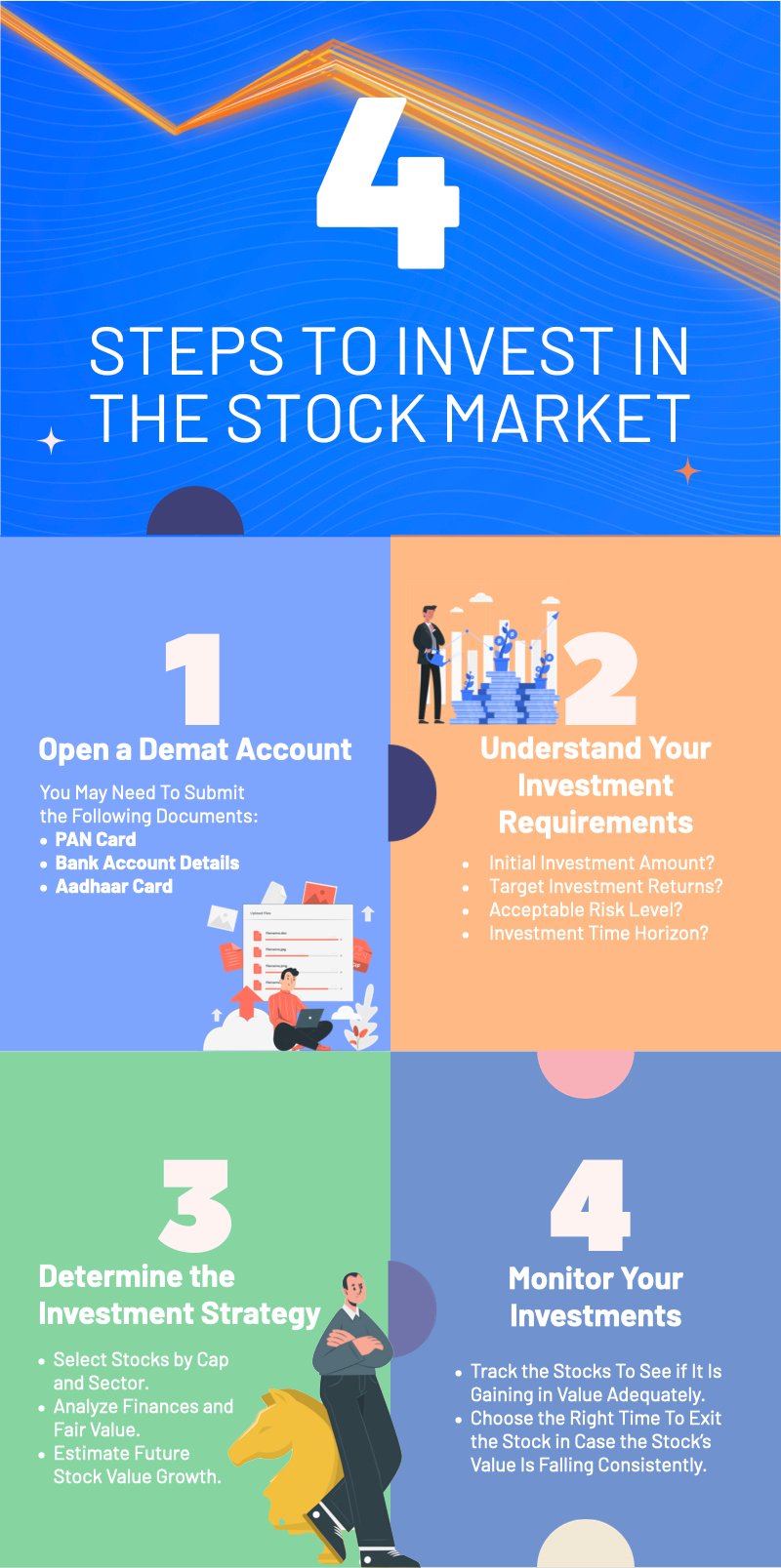
Investing in the stock market isn’t just for the wealthy or finance professionals; it’s a critical tool for achieving financial independence, growing your savings beyond inflation, and securing your future. Whether your goal is retirement planning, saving for a down payment, or simply building a robust financial portfolio, understanding how to navigate the stock market is an invaluable skill. With the right knowledge and a disciplined approach, you can transform modest savings into significant wealth over time, leveraging the power of compounding and economic growth.
Understanding the Fundamentals of Stock Market Investing
Before diving into the practicalities, it’s crucial to grasp the basic concepts that underpin the stock market. A solid foundational understanding will empower you to make informed decisions and build a resilient investment strategy.
What is the Stock Market and Why Invest?
At its simplest, the stock market is a marketplace where shares of publicly traded companies are bought and sold. When you buy a stock, you’re purchasing a tiny ownership stake in that company. Companies issue stocks to raise capital, which they then use to fund operations, expand, or develop new products. As an owner, you benefit when the company’s value increases, which typically drives its stock price higher.
Investing in the stock market offers several compelling advantages:
- Wealth Creation: Historically, the stock market has delivered higher returns over the long term compared to other asset classes like savings accounts or bonds, making it a powerful tool for growing wealth.
- Inflation Hedge: Over time, inflation erodes the purchasing power of your money. Stock market investments, particularly in growing companies, often outpace inflation, preserving and enhancing your wealth.
- Dividend Income: Many companies pay out a portion of their profits to shareholders in the form of dividends, providing a regular income stream.
- Accessibility: With the rise of online brokerages and low-cost investment options, investing in the stock market is more accessible than ever, even with a small starting capital.
Distinguishing Stocks from Other Assets
While stocks are a popular investment, it’s helpful to understand how they differ from other common asset classes:
- Bonds: Bonds are essentially loans made to governments or corporations. They are generally considered less risky than stocks and offer fixed interest payments, but typically provide lower returns.
- Real Estate: Investing in physical properties can offer rental income and appreciation, but it requires significant capital, involves illiquidity, and can be management-intensive.
- Cash/Savings Accounts: These are highly liquid and low-risk, but their returns often struggle to keep pace with inflation, meaning your purchasing power can slowly diminish.
- Mutual Funds & ETFs: These are diversified baskets of investments managed by professionals (mutual funds) or traded like stocks (ETFs). They often contain a mix of stocks, bonds, and other assets, offering diversification and professional management. For beginners, these can be an excellent starting point.
Demystifying Risk and Reward
Every investment carries some level of risk, and the stock market is no exception. Stock prices can fluctuate based on company performance, economic conditions, geopolitical events, and market sentiment. This volatility is what many beginners fear. However, it’s important to understand:
- Short-term Volatility vs. Long-term Growth: While stocks can be volatile in the short term, historical data consistently shows that over periods of 10 years or more, the stock market has trended upwards, delivering significant returns. Patience and a long-term mindset are key.
- Risk Management: You can mitigate risk through diversification (not putting all your eggs in one basket), investing in quality companies, and aligning your investments with your risk tolerance.
- Reward Potential: The potential for substantial returns is the primary driver for stock market investing. By taking calculated risks, you position yourself to participate in the growth of leading companies and the broader economy.
Laying Your Financial Foundation for Investing
Before you open a brokerage account and start buying stocks, it’s imperative to establish a solid financial base. This will ensure that your investment journey is sustainable and doesn’t jeopardize your immediate financial security.
Defining Your Financial Goals and Timeline
What do you want your money to do for you? Clearly defining your financial goals will shape your investment strategy.
- Short-term goals (under 5 years): For goals like a down payment on a house or a new car, you might consider less volatile investments or simply savings accounts, as the stock market’s short-term fluctuations could put your capital at risk.
- Medium-term goals (5-10 years): These could include funding a child’s education or a major home renovation. A diversified portfolio with a moderate allocation to stocks might be suitable.
- Long-term goals (10+ years): Retirement planning is the classic long-term goal. For these, a higher allocation to stocks is generally recommended due to their superior long-term growth potential and time to recover from downturns.
Your timeline directly impacts the level of risk you can comfortably take. More time typically allows for greater risk and potentially higher returns.
Assessing Your Personal Risk Tolerance
How comfortable are you with the idea of your investment value decreasing? Your risk tolerance is a crucial factor in determining your investment strategy.
- Conservative: You prioritize capital preservation over high returns, preferring stable, lower-risk investments.
- Moderate: You’re comfortable with some fluctuations in exchange for reasonable growth.
- Aggressive: You’re willing to accept significant volatility for the potential of higher returns.
Be honest with yourself. Investing beyond your comfort level can lead to panic selling during market downturns, locking in losses and undermining your long-term goals. Many online brokerage platforms offer questionnaires to help you assess your risk tolerance.
Building an Emergency Fund and Managing Debt
These two steps are non-negotiable prerequisites for sound investing:
- Emergency Fund: Before investing, ensure you have an easily accessible emergency fund covering 3-6 months of living expenses. This fund acts as a financial safety net, preventing you from having to sell your investments at an inopportune time (e.g., during a market downturn) if unexpected expenses arise. Keep this fund in a high-yield savings account, not the stock market.
- High-Interest Debt: Prioritize paying off high-interest debt (like credit card balances or personal loans) before investing. The guaranteed return from eliminating a 15-20% interest rate far outweighs the uncertain returns of the stock market. Once high-interest debt is gone, you can allocate more capital to investments without the burden of crippling interest payments.
Practical Steps to Begin Your Investment Journey
With your financial foundation secure, you’re ready to take the concrete steps toward becoming a stock market investor.
Opening a Brokerage Account
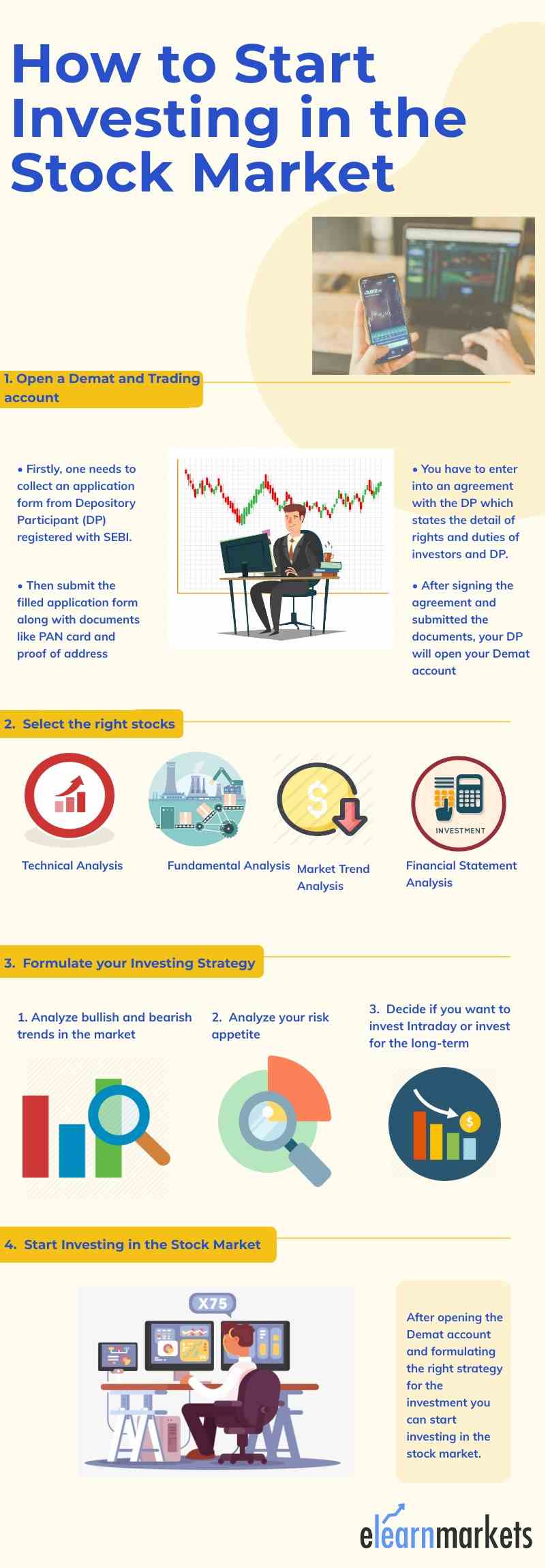
A brokerage account is your gateway to the stock market. This is where you’ll deposit money and buy/sell investments.
- Online Discount Brokers: For beginners, these are typically the best option. They offer low fees, intuitive platforms, and a wealth of educational resources. Popular examples include Fidelity, Charles Schwab, Vanguard, E*TRADE, and Robinhood.
- Types of Accounts:
- Taxable Brokerage Account: A standard investment account where capital gains and dividends are typically taxed annually.
- Retirement Accounts (IRAs, 401(k)s): These offer significant tax advantages for long-term retirement savings. For example, a Roth IRA allows tax-free withdrawals in retirement, while a Traditional IRA offers tax-deductible contributions. Maximize these accounts first if your primary goal is retirement.
- What to Look For: Consider factors like commission fees (many brokers now offer commission-free stock and ETF trading), minimum deposit requirements, available investment products, research tools, and customer service.
Choosing Your Investment Vehicles
As a beginner, you don’t necessarily need to pick individual stocks right away. Diversified funds are often a better starting point.
- Index Funds: These are a type of mutual fund or ETF designed to track a specific market index, like the S&P 500. They offer broad market diversification at very low costs and are excellent for beginners due to their simplicity and consistent long-term performance.
- Exchange-Traded Funds (ETFs): Similar to index funds, ETFs hold a basket of assets (stocks, bonds, commodities) and trade like individual stocks on an exchange. They offer diversification, low expense ratios, and flexibility. You can find ETFs that track various sectors, countries, or investment themes.
- Mutual Funds: Professionally managed funds that pool money from many investors to buy a diverse portfolio of stocks, bonds, or other securities. While generally more expensive than ETFs or index funds, they offer active management.
- Individual Stocks: While exciting, picking individual stocks requires significant research, understanding of financial statements, and a higher risk tolerance. It’s often best to start with diversified funds and gradually explore individual stocks as your knowledge and confidence grow.
Developing an Investment Strategy
Your strategy defines how you will approach your investments.
- Passive Investing (Indexing): This is highly recommended for most beginners. It involves investing in broad market index funds or ETFs and holding them for the long term, accepting market returns rather than trying to beat them. It’s low-cost, low-effort, and historically effective.
- Dollar-Cost Averaging: This strategy involves investing a fixed amount of money at regular intervals (e.g., $100 every month), regardless of the market’s performance. This averages out your purchase price over time, reducing the risk of buying all your shares at a market peak and removing emotional decisions.
- Long-Term Growth: Focus on companies with strong fundamentals, consistent earnings growth, and competitive advantages, or simply invest in broad market index funds that capture this growth.
- Value Investing: Seek out companies whose stocks appear to be trading for less than their intrinsic value, believing the market will eventually recognize their true worth. This requires more research.
- Dividend Investing: Focus on companies that regularly pay dividends, providing a steady income stream and often indicating financial stability.
For most new investors, a strategy centered on dollar-cost averaging into low-cost, diversified index funds or ETFs is the most prudent and effective approach.
Essential Principles for Long-Term Success
Investing in the stock market isn’t a get-rich-quick scheme; it’s a marathon, not a sprint. Adhering to fundamental principles will significantly increase your chances of long-term success.
The Power of Diversification
Diversification is the golden rule of investing: “Don’t put all your eggs in one basket.” By spreading your investments across different companies, industries, and asset classes, you reduce the impact of a poor performance by any single investment. If one stock or sector declines, others may rise, cushioning your overall portfolio. Index funds and ETFs naturally provide diversification, making them ideal for beginners.
Embracing a Long-Term Perspective
The stock market has historically delivered strong returns over extended periods, but it’s prone to short-term fluctuations. Market corrections and bear markets are a normal, albeit uncomfortable, part of the investment cycle. Investors who panic and sell during downturns often lock in losses, missing out on the subsequent recoveries.
- Compounding: This is the magic of long-term investing. It’s the process where your investment returns also start earning returns. The earlier you start and the longer you stay invested, the more powerful compounding becomes. Even small, consistent contributions can grow into significant wealth over decades.
- Time in the Market, Not Timing the Market: Trying to predict market tops and bottoms is notoriously difficult, even for professionals. Instead of attempting to time the market, focus on spending consistent time in the market.
Continuous Learning and Avoiding Emotional Decisions
The financial world is dynamic, and continuous learning is essential. Read financial news, understand economic indicators, and explore investment concepts. However, be wary of “hot tips” or emotional reactions to market news.
- Discipline Over Emotion: Fear and greed are the two biggest enemies of an investor. Fear can lead to selling low, while greed can lead to buying high or taking excessive risks. Stick to your predefined investment plan, even when market conditions are turbulent.
- Research and Due Diligence: If you venture into individual stocks, thoroughly research companies before investing. Understand their business model, financial health, competitive landscape, and management team. Don’t invest in what you don’t understand.
Navigating Common Pitfalls and Sustaining Growth
Even with a solid plan, pitfalls exist. Being aware of them can help you steer clear and maintain a healthy investment portfolio.
Common Mistakes First-Time Investors Make
- Chasing Trends and Hype: Investing in “hot” stocks or sectors solely based on recent price surges often leads to buying at the top and losing money when the trend reverses.
- Lack of Diversification: Concentrating too much capital in a single stock or a few related stocks exposes you to excessive risk.
- Ignoring Fees: High expense ratios on mutual funds or excessive trading commissions can eat into your returns over time. Always be aware of the costs associated with your investments.
- Emotional Trading: Making impulsive buy or sell decisions based on fear, excitement, or panic rather than a rational strategy.
- Not Having an Emergency Fund: As discussed, this leads to selling investments prematurely during personal financial crises.
- Investing Money You Can’t Afford to Lose: Only invest funds you won’t need for immediate or near-term expenses. The stock market is not a place for rent money or grocery money.
Monitoring Your Investments and Rebalancing
While a long-term strategy is passive, it doesn’t mean “set it and forget it” entirely.
- Regular Review: Periodically (e.g., annually) review your portfolio to ensure it still aligns with your financial goals, risk tolerance, and asset allocation targets.
- Rebalancing: Over time, some of your investments may grow faster than others, causing your asset allocation to drift from your original plan. Rebalancing involves selling some of your overperforming assets and buying more of your underperforming ones to bring your portfolio back to your desired allocation. This helps manage risk and maintains your investment strategy.
The Importance of Professional Guidance (When Needed)
For many beginners, self-directed investing with low-cost index funds is perfectly adequate. However, as your portfolio grows or your financial situation becomes more complex, you might consider professional advice.
- Financial Advisors: A certified financial planner (CFP) can help you create a comprehensive financial plan, optimize your investment strategy, and provide personalized guidance on taxes, estate planning, and more. Look for fee-only advisors who act as fiduciaries, meaning they are legally bound to act in your best interest.
- Robo-Advisors: These are automated investment platforms that use algorithms to build and manage diversified portfolios based on your goals and risk tolerance. They are a low-cost alternative to human advisors and can be an excellent option for beginners who want a hands-off approach.
Conclusion
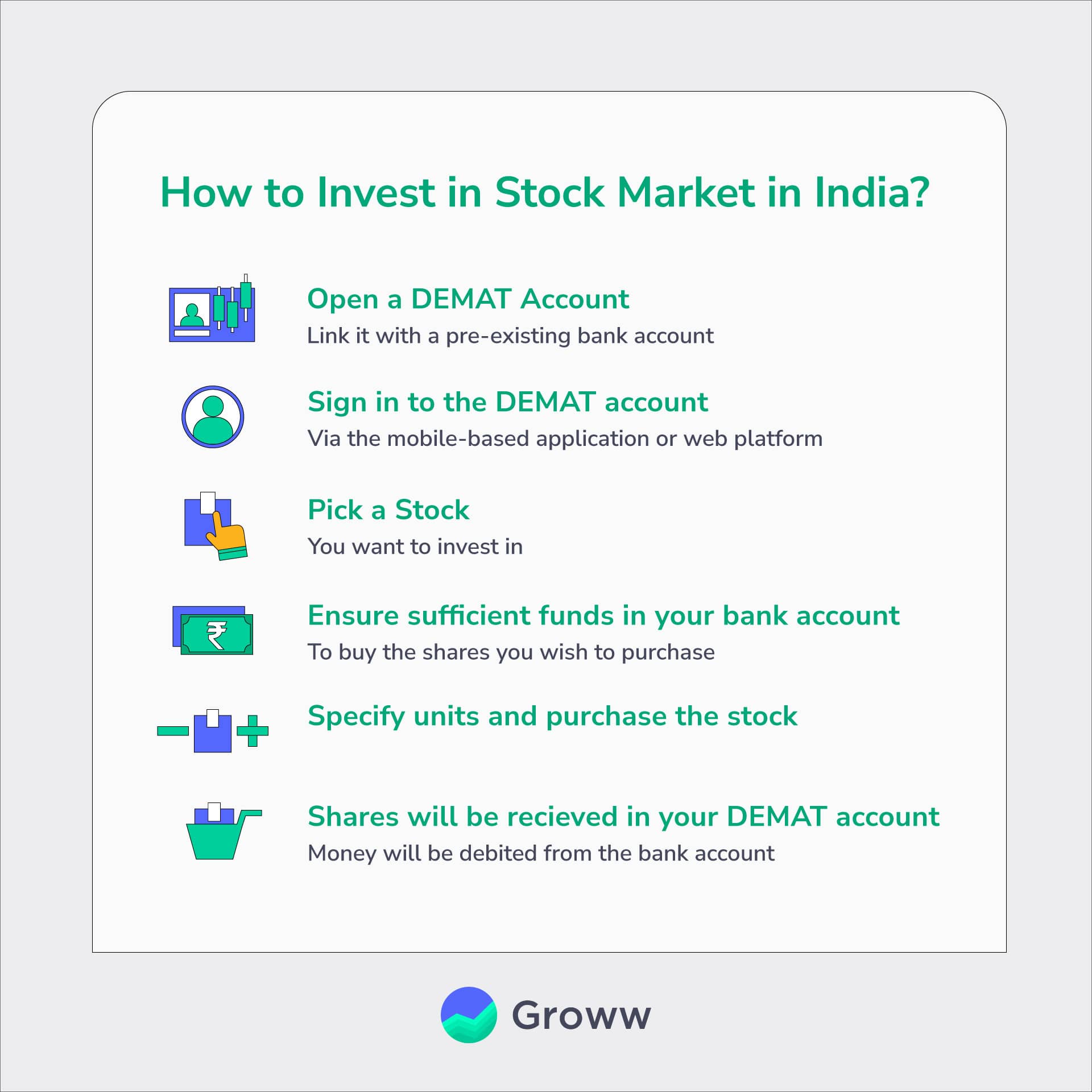
Starting to invest in the stock market is a journey of continuous learning and disciplined execution. By understanding the fundamentals, laying a strong financial foundation, and adhering to time-tested principles like diversification, dollar-cost averaging, and a long-term perspective, you equip yourself for success.
Remember, the goal isn’t to get rich overnight, but to steadily build wealth over time. Begin with what you can afford, stay informed, avoid emotional decisions, and most importantly, start now. The power of compounding works wonders for those who give it sufficient time. Take control of your financial future, and let the stock market work for you.
aViewFromTheCave is a participant in the Amazon Services LLC Associates Program, an affiliate advertising program designed to provide a means for sites to earn advertising fees by advertising and linking to Amazon.com. Amazon, the Amazon logo, AmazonSupply, and the AmazonSupply logo are trademarks of Amazon.com, Inc. or its affiliates. As an Amazon Associate we earn affiliate commissions from qualifying purchases.