
The New York Stock Exchange (NYSE), often dubbed “The Big Board,” is arguably the most iconic financial marketplace in the world. For countless investors, traders, and financial institutions globally, understanding its operational hours is not merely a matter of trivia but a fundamental requirement for strategic decision-making and successful portfolio management. The precise opening and closing bells of the NYSE dictate the rhythm of trading, influencing market liquidity, price discovery, and ultimately, investment outcomes across diverse asset classes. This deep dive explores the intricacies of the NYSE’s schedule, extended trading periods, market holidays, and the profound implications these timings hold for anyone engaged with the financial markets.

The Rhythmic Pulse of Global Finance: NYSE Trading Hours
The heart of global financial trading beats most visibly during the standard operating hours of the New York Stock Exchange. These hours, established decades ago, represent the core period when the vast majority of transactions occur, news is absorbed, and market sentiment solidifies.
Standard Operating Hours
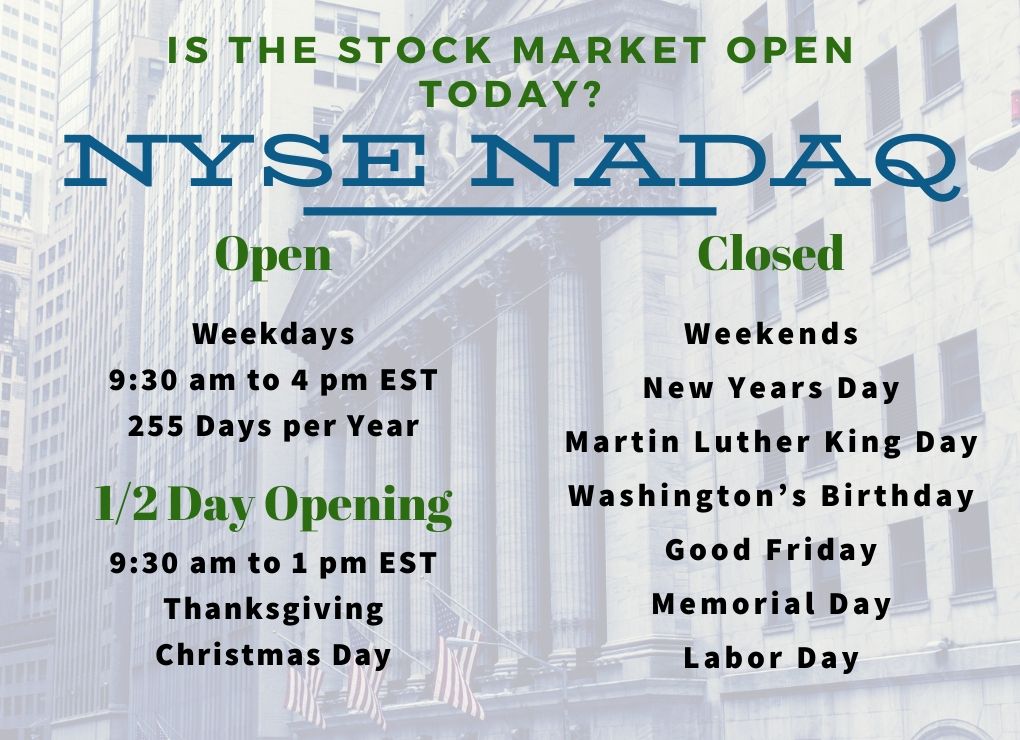
For most market participants, the crucial timeframe to remember is the NYSE’s regular trading session: 9:30 AM to 4:00 PM Eastern Time (ET), Monday through Friday. This 6.5-hour window is when the market is at its most active, characterized by high liquidity and efficient price discovery.
The opening bell, a symbol of commerce and opportunity, signals the official start of trading. It’s often a period of heightened volatility as pending orders from the overnight session are matched, and investors react to news that broke before the market opened. Similarly, the closing bell at 4:00 PM ET marks the end of regular trading, frequently accompanied by another surge in activity as traders square positions or execute end-of-day strategies. For many, these bells are not just ceremonial; they are critical markers that define trading strategies, risk management protocols, and informational flow. The standardization of these hours ensures predictability and fairness, creating a level playing field where all participants have access to market information and trading opportunities simultaneously.
Understanding Time Zones and Their Impact
While the NYSE operates on Eastern Time (ET), its influence is global. This necessitates an understanding of time zone conversions for investors and institutions located elsewhere in the world. For instance:
- London (GMT): When the NYSE opens at 9:30 AM ET, it’s 2:30 PM GMT in London. When it closes at 4:00 PM ET, it’s 9:00 PM GMT. This overlap means European markets are typically open for the first half of the NYSE session, allowing for continuous price action and arbitrage opportunities between the continents.
- Tokyo (JST): The 9:30 AM ET opening in New York translates to 10:30 PM JST in Tokyo. By the time the NYSE closes at 4:00 PM ET, it’s already 5:00 AM JST the next day. This significant time difference means that Asian markets often react to the previous day’s NYSE closing performance and overnight news during their own trading sessions.
- Pacific Time (PT): For investors on the U.S. West Coast, the NYSE opens at 6:30 AM PT and closes at 1:00 PM PT. This earlier start requires discipline for West Coast traders, often involving early morning analysis.
The global reach of financial markets means that economic data releases, corporate earnings announcements, and geopolitical events occurring outside the NYSE’s regular hours can significantly impact its opening sentiment. Professional traders and institutional investors often employ sophisticated strategies to monitor global markets and pre-market indicators to anticipate the NYSE’s opening trajectory. The interconnectedness facilitated by modern technology means that while the physical bells ring in New York, their echoes are heard and felt across every major financial hub worldwide.
Beyond the Bell: Pre-Market and After-Hours Trading
The traditional 9:30 AM to 4:00 PM ET schedule does not represent the entirety of stock market activity. Modern electronic trading systems have enabled significant price action to occur outside these standard hours, known as pre-market and after-hours trading. These extended sessions offer both unique advantages and distinct challenges for investors.
The Strategic Advantage of Extended Hours
Pre-market trading typically begins as early as 4:00 AM ET and extends until the regular market open at 9:30 AM ET. After-hours trading commences immediately after the 4:00 PM ET closing bell and can continue as late as 8:00 PM ET. These extended periods are primarily driven by electronic communication networks (ECNs) rather than the NYSE’s traditional auction system.
For many investors, especially those with busy daytime schedules or who reside in different time zones, these extended hours provide flexibility. Crucially, they also allow market participants to react swiftly to breaking news, such as:
- Earnings reports: Many companies release their quarterly earnings results either before the market opens (pre-market) or after it closes (after-hours).
- Economic data: Important economic indicators, like inflation figures or employment reports, are often published before 9:30 AM ET.
- Geopolitical events: Major international news that unfolds overnight can be immediately reflected in stock prices during pre-market trading.
- Company announcements: Mergers, acquisitions, product launches, or regulatory approvals can prompt immediate trading activity outside regular hours.
The ability to trade during these times can be a strategic advantage, allowing investors to capitalize on immediate price movements or adjust their portfolios in response to significant developments before or after the main trading session. It provides an extra layer of dynamism to market participation.
Risks and Opportunities in Non-Standard Trading
While extended-hours trading offers flexibility and rapid response capabilities, it comes with its own set of risks that investors must carefully consider:
- Lower Liquidity: The most significant drawback is generally lower trading volume compared to regular hours. Fewer buyers and sellers mean that large orders can have a disproportionate impact on stock prices, leading to wider bid-ask spreads and potentially less favorable execution prices.
- Higher Volatility: Due to lower liquidity and the immediate reaction to major news, stock prices can experience greater and more erratic swings during pre-market and after-hours sessions. This heightened volatility can present opportunities for savvy day traders but also significantly increases risk for less experienced investors.
- Limited Order Types: Some brokers may offer a more restricted set of order types for extended-hours trading, often limiting investors to limit orders to control price, as opposed to market orders which guarantee execution but not price.
- Competition with Professional Traders: These periods are often dominated by institutional investors, hedge funds, and professional traders with sophisticated tools and algorithms, which can put individual retail investors at a disadvantage.
Despite these risks, opportunities abound for those who understand the dynamics. Investors who conduct thorough research and act decisively based on concrete news can sometimes secure better entry or exit points than they might find during regular hours. However, it’s critical to approach extended-hours trading with caution, potentially using smaller position sizes and strict risk management strategies to mitigate potential losses.
Navigating Market Closures: Holidays and Special Events
Beyond the daily rhythm of opening and closing bells, the NYSE observes a specific calendar of holidays and occasional special closures or early dismissals. Being aware of these non-trading days is crucial for financial planning, managing portfolio liquidity, and anticipating market behavior.
Official NYSE Holiday Schedule
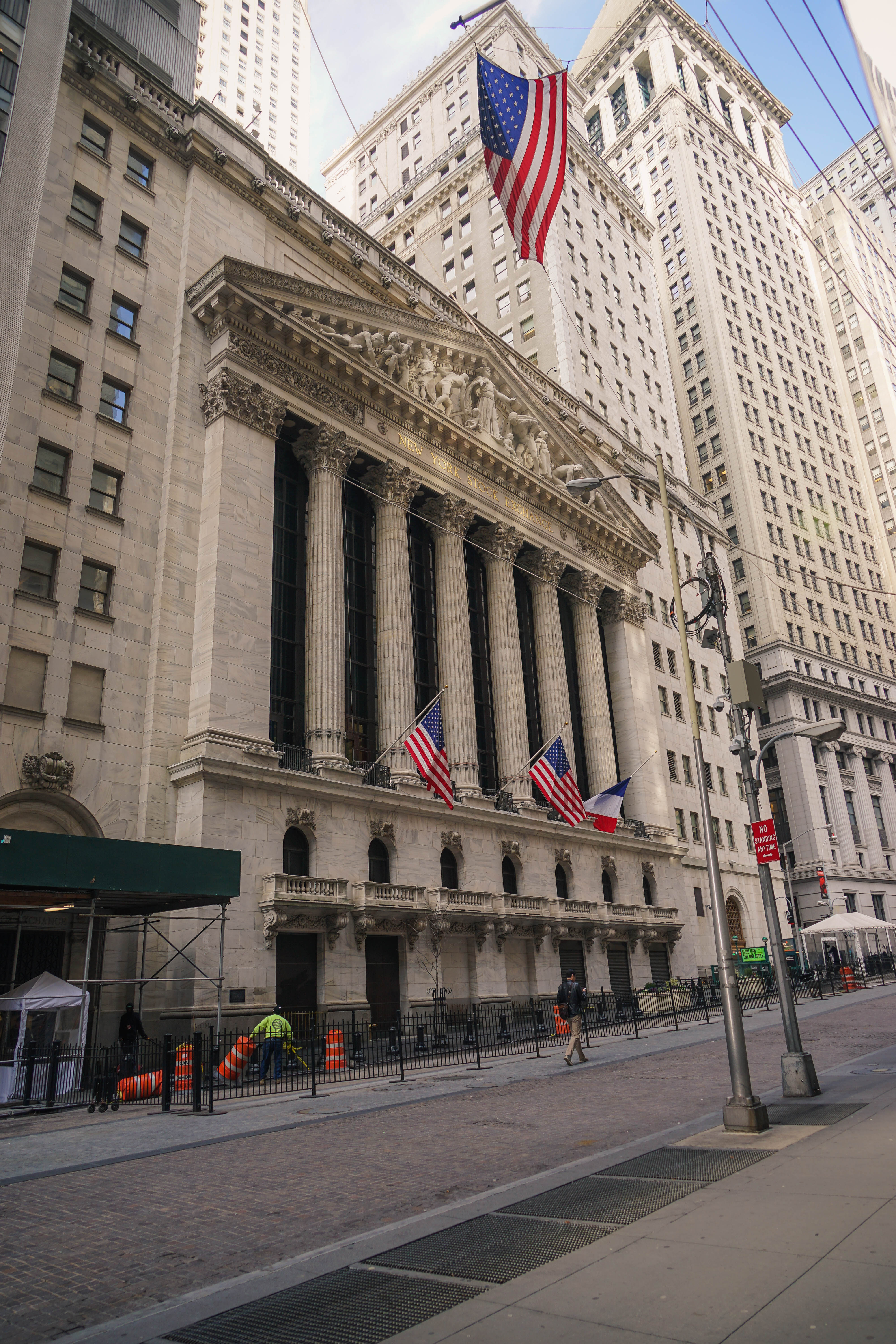
The NYSE’s holiday schedule generally aligns with major U.S. federal holidays, ensuring that the market is closed to allow for public observance and to prevent trading during periods of significantly reduced activity or potential staffing shortages across financial institutions. Here are the typical holidays observed by the NYSE annually:
- New Year’s Day (January 1)
- Martin Luther King, Jr. Day (Third Monday in January)
- Presidents’ Day (Third Monday in February)
- Good Friday (Friday before Easter)
- Memorial Day (Last Monday in May)
- Juneteenth National Independence Day (June 19)
- Independence Day (July 4)
- Labor Day (First Monday in September)
- Thanksgiving Day (Fourth Thursday in November)
- Christmas Day (December 25)
If a holiday falls on a weekend, the NYSE will typically observe it on the preceding Friday or the following Monday. For example, if Christmas Day falls on a Saturday, the market will be closed on the preceding Friday. If it falls on a Sunday, the market will be closed on the following Monday. It’s essential for investors to consult the official NYSE holiday calendar each year, as slight variations or additional closures can occur. These closures mean no trading, no order execution, and no official price discovery on these days.
Early Closures and Market Notices
In addition to full-day holidays, the NYSE occasionally operates on a shortened schedule, typically closing early. The most common instance of an early closure is the day after Thanksgiving (Black Friday), when the market usually closes at 1:00 PM ET. These shortened trading days can still see significant activity, particularly in the condensed hours of trading.
Historically, the NYSE has also had unscheduled closures or early dismissals in response to extraordinary circumstances, such as:
- Severe weather events: Major blizzards or hurricanes that impact New York City and make it unsafe for personnel to operate the exchange.
- National emergencies or tragedies: Events like the September 11th attacks led to multi-day closures to ensure market stability and security.
- Technical disruptions: Although rare, significant system failures could temporarily halt trading or force early closures.
These less frequent, unscheduled disruptions are always communicated through official market notices and news channels. Investors with active trades or those planning immediate transactions must remain vigilant for such announcements. During these periods, order execution can be delayed or impossible, and market conditions can become highly unpredictable upon reopening. Financial planning should always account for the possibility of market closures impacting liquidity needs or time-sensitive transactions.
Why Trading Hours Matter: Implications for Investors
The specific timing of market operations, from the daily opening and closing bells to holiday schedules, carries significant implications for various aspects of investing. Understanding these dynamics is crucial for making informed decisions, managing risk, and optimizing returns.
Volatility, Liquidity, and Decision Making
Volatility: The early moments of the trading day, shortly after the 9:30 AM ET opening bell, are often characterized by heightened volatility. This is when the market digests all the news and events that occurred overnight or during the pre-market session. Large numbers of pending orders from institutional investors and retail traders are executed, leading to rapid price swings. This can present opportunities for day traders but also increased risk for long-term investors if they make impulsive decisions. Similarly, the period just before the 4:00 PM ET closing bell can also see increased volatility as traders close positions or execute last-minute strategies.
Liquidity: The regular trading hours (9:30 AM – 4:00 PM ET) are generally the most liquid periods for the NYSE. High liquidity means there’s a large volume of buyers and sellers, resulting in tighter bid-ask spreads and the ability to execute trades quickly at prices very close to the market rate. Conversely, pre-market and after-hours sessions typically suffer from lower liquidity, leading to wider spreads and potentially significant price slippage for larger orders. This is a critical consideration for investors, as poor liquidity can lead to unfavorable execution prices and greater difficulty in entering or exiting positions.
Decision Making: The timing of market hours directly influences when investors can act on new information. A company’s strong earnings report released after hours might not be fully reflected in the stock price until the next day’s open, allowing some time for analysis. However, a major geopolitical event breaking during regular hours demands immediate consideration. Investors must develop strategies for monitoring news flow and deciding when to act, weighing the benefits of quick action against the risks of trading during less liquid or more volatile periods. For long-term investors, market opening and closing movements might be less critical than for active traders, but understanding these periods helps in appreciating daily price action.
Managing Global Portfolios Across Time Zones
For investors with diversified portfolios that include international assets or for those living outside of the Eastern Time Zone, the NYSE’s schedule adds another layer of complexity.
- Coordination with Global Markets: The NYSE’s trading hours overlap significantly with European markets (e.g., London, Frankfurt) and precede the opening of markets in the Americas (e.g., Toronto, São Paulo). This interconnectedness means that events in one market can quickly ripple across others. Investors managing global portfolios need to monitor these overlaps to understand how their holdings might be influenced by real-time events across different continents.
- Overnight Risk: For investors in Asia, the NYSE’s entire trading session occurs during their night. This means they are exposed to “overnight risk” – the possibility of significant market movements while their local markets are closed. Managing this involves careful consideration of news events, futures markets, and currency fluctuations that might impact U.S.-listed assets by the time their morning comes.
- Access and Strategy: Investors in different time zones must adapt their strategies. Someone in California might conduct their market analysis in the early morning to be ready for the NYSE opening. An investor in Australia might focus on after-hours trading or rely more heavily on professional fund managers who can actively manage positions during their waking hours. Tools like futures contracts (e.g., E-mini S&P 500 futures) trade almost 24 hours a day and can offer a way to hedge or speculate on U.S. market movements outside of regular NYSE hours. Effective management of a global portfolio requires a disciplined approach to monitoring news, understanding time zone impacts, and leveraging appropriate financial instruments.
The NYSE’s Enduring Legacy in the Financial World
Beyond the practicalities of its operational schedule, the New York Stock Exchange represents a powerful symbol and a critical mechanism within the global financial architecture. Its historical significance and ongoing evolution continue to shape the landscape of capital markets.
A Symbol of Capitalism and Economic Indicator
Since its inception in 1792 under a Buttonwood tree, the NYSE has grown to become the world’s largest stock exchange by market capitalization. It is more than just a place where stocks are bought and sold; it is a profound symbol of capitalism, free markets, and the potential for economic growth. The listing of multinational corporations on the NYSE provides these companies with access to vast pools of capital, enabling innovation, expansion, and job creation.
Moreover, the performance of the NYSE, particularly through its widely recognized indices like the Dow Jones Industrial Average and the S&P 500, serves as a crucial barometer for the health of the U.S. economy and, by extension, the global economy. When the NYSE thrives, it often signals investor confidence and economic optimism; conversely, periods of decline can indicate economic headwinds or uncertainty. The daily movements, aggregated sentiment, and volume traded on the NYSE offer invaluable insights into the collective perception of corporate value and future economic prospects, making it a pivotal reference point for economists, policymakers, and business leaders worldwide.
The Future of Trading: Automation and Global Access
The NYSE, while steeped in tradition with its iconic trading floor, has also embraced technological advancements to remain at the forefront of financial innovation. The future of trading is increasingly characterized by automation, algorithmic trading, and ever-greater global accessibility.
- Technological Integration: While the image of traders on the floor is enduring, much of the NYSE’s trading volume is now executed electronically through sophisticated matching engines. High-frequency trading firms utilize advanced algorithms to execute trades in microseconds, leading to greater market efficiency but also raising questions about fairness and stability. The exchange continuously invests in infrastructure to handle ever-increasing volumes and speeds.
- Global Interconnectedness: The rise of digital platforms and brokerages has democratized access to the NYSE for individual investors around the globe. While the physical location and local time zone remain fixed, the ability for an investor in Sydney or Singapore to buy shares of a U.S. company is now seamless. This global access, facilitated by technology, blurs geographical boundaries and intensifies the competition and interaction between diverse market participants.
- Evolving Market Structures: Discussions about shorter trading weeks, longer hours for specific asset classes, or even fully automated, 24/7 trading continue to emerge. While the NYSE’s current regular hours have proven robust for centuries, the relentless pace of technological change and increasing global integration suggest that the structure of financial markets, including trading hours, will continue to evolve. However, the core principles of liquidity, price discovery, and regulatory oversight will likely remain central to any future iterations of this vital institution.
In conclusion, understanding when the New York Stock Exchange opens, operates, and closes is far more than a simple scheduling exercise. It is a gateway to comprehending market dynamics, managing investment risk, capitalizing on opportunities, and appreciating the central role this venerable institution plays in the global financial ecosystem. For anyone serious about money and investing, mastering the NYSE’s pulse is a fundamental step toward financial acumen.
aViewFromTheCave is a participant in the Amazon Services LLC Associates Program, an affiliate advertising program designed to provide a means for sites to earn advertising fees by advertising and linking to Amazon.com. Amazon, the Amazon logo, AmazonSupply, and the AmazonSupply logo are trademarks of Amazon.com, Inc. or its affiliates. As an Amazon Associate we earn affiliate commissions from qualifying purchases.