
At the very core of global finance lies an intricate, dynamic ecosystem known as the stock exchange. Far from being a mere building or a digital platform where shares are bought and sold, a stock exchange is a highly regulated marketplace that serves as the nexus for capital formation, investment, and economic growth. It is where companies can raise essential capital to fund their operations and expansion, and where investors can deploy their savings in the hope of generating returns, thereby becoming part-owners of these businesses. Understanding the fundamental nature and multifaceted operations of a stock exchange is not just for seasoned financiers; it is crucial for anyone seeking to comprehend the mechanisms that drive modern economies and influence personal wealth.
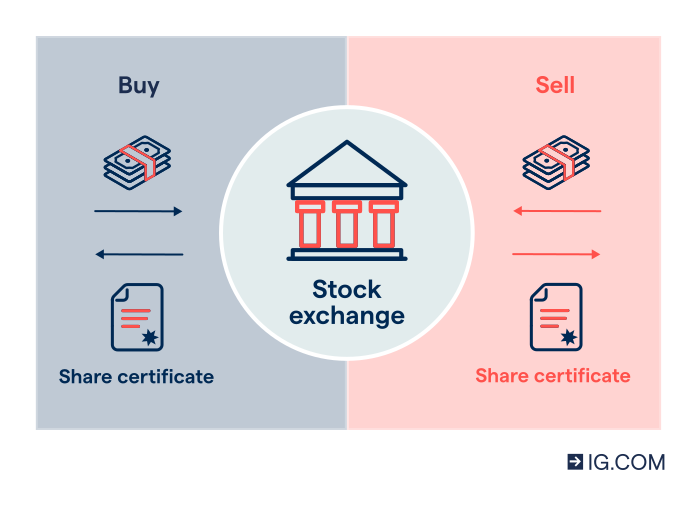
In essence, a stock exchange provides an organized and transparent environment for the trading of various securities, primarily stocks (equities), but often also bonds, exchange-traded funds (ETFs), and other financial instruments. It acts as an intermediary, bringing together buyers and sellers from around the world, ensuring fairness, liquidity, and security in transactions. Without these vital institutions, the process of capital allocation would be chaotic, inefficient, and fraught with prohibitive risk, stifling innovation and economic progress.
The Foundational Role of a Stock Exchange in the Economy
The significance of stock exchanges extends far beyond the daily fluctuations of share prices. They are indispensable pillars that uphold and propel the global financial system, performing several critical functions that benefit individuals, corporations, and national economies alike. Their very existence facilitates a continuous flow of capital, essential for the health and vitality of businesses and markets.
Facilitating Capital Formation and Business Growth
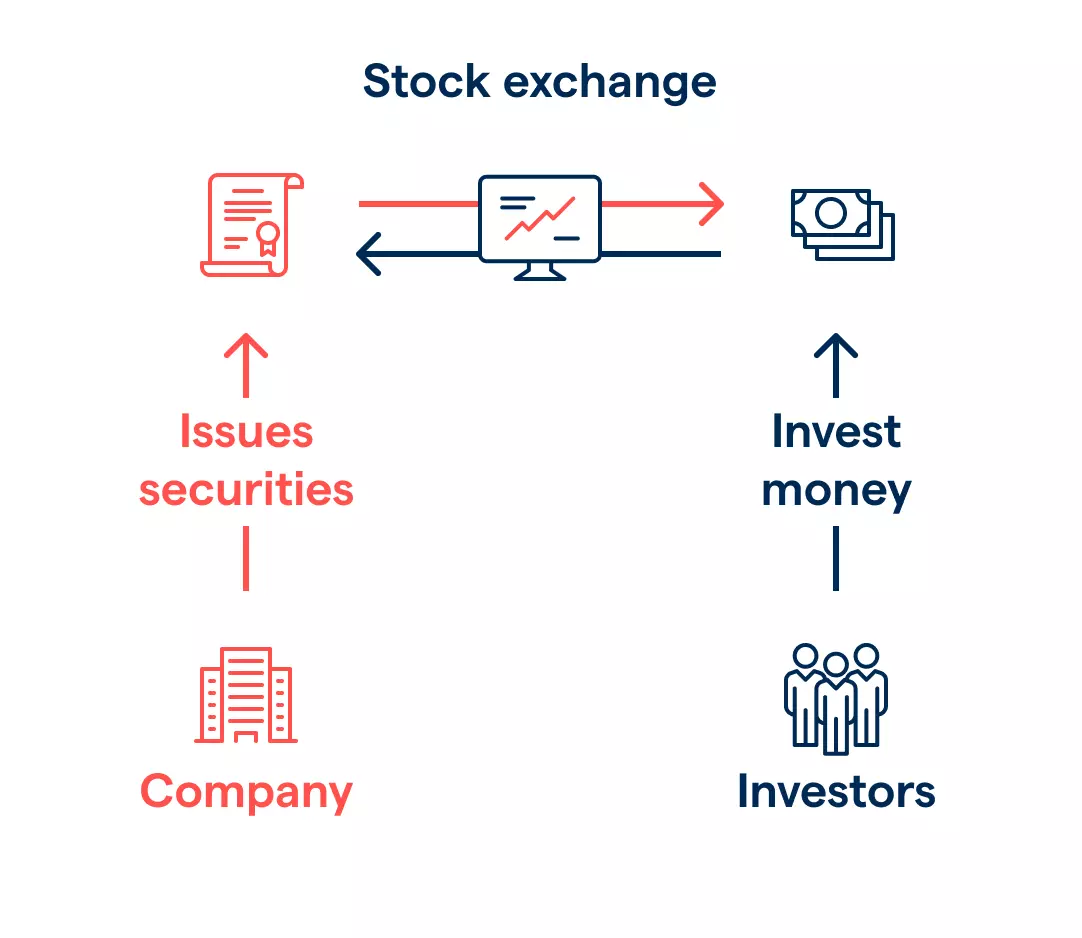
One of the primary functions of a stock exchange is to facilitate capital formation. This occurs in what is known as the “primary market,” where companies issue new stocks or bonds to the public for the first time through an Initial Public Offering (IPO) or subsequent offerings. By selling shares, companies gain access to a broad pool of capital from investors, which they can then use to fund research and development, expand operations, acquire other businesses, or pay down debt. This injection of capital is vital for business growth, fostering innovation, creating jobs, and ultimately contributing to overall economic prosperity. Without the ability to tap into public markets, many ambitious ventures would struggle to scale, and economic expansion would be severely hampered.
Providing Liquidity and Price Discovery
Equally crucial is the stock exchange’s role in providing liquidity and enabling price discovery. The “secondary market” is where investors trade existing securities among themselves. Liquidity refers to the ease with which an asset can be converted into cash without affecting its market price. A highly liquid market ensures that investors can buy or sell their shares quickly and efficiently, instilling confidence and encouraging participation. Without a liquid secondary market, investors would be hesitant to invest in the primary market, fearing they might be unable to exit their positions when needed.
Furthermore, the continuous interaction of buyers and sellers on an exchange leads to “price discovery.” Every trade executed reflects the current consensus value of a security based on supply and demand, company performance, economic outlook, and investor sentiment. This ongoing process establishes a fair and transparent market price for each security, providing valuable information to investors, companies, and analysts, helping them make informed decisions.
Investor Protection and Market Integrity
Stock exchanges operate under strict regulatory frameworks designed to protect investors and maintain market integrity. They enforce listing requirements that companies must meet to be traded, ensuring a certain level of transparency and financial health. Regulations also mandate disclosure of pertinent information, prevent insider trading, and ensure fair trading practices. These measures are critical for building and maintaining investor trust, which is the bedrock of any functioning financial market. Without robust regulation, markets would be susceptible to manipulation, fraud, and unfair practices, deterring participation and eroding confidence.
How Stock Exchanges Operate: The Mechanics of Trading
Understanding the operational mechanics of a stock exchange is key to grasping how transactions unfold and how market participants interact. From the moment a company decides to go public to the execution of a single trade, a structured process ensures efficiency and fairness.
Listing Requirements and Initial Public Offerings (IPOs)
For a company’s shares to be traded on a stock exchange, it must first meet stringent listing requirements. These typically include criteria related to profitability, market capitalization, minimum number of shareholders, and adherence to accounting standards. Once qualified, a company can undergo an Initial Public Offering (IPO), where its shares are offered to the public for the first time. This involves significant legal, financial, and marketing efforts, often managed by investment banks, to price the shares and generate investor interest. Upon successful IPO, the company’s shares become publicly traded, and it transitions from a private entity to a public one, subject to ongoing reporting and disclosure obligations.
Trading Mechanisms and Order Execution
Modern stock exchanges are predominantly electronic, leveraging sophisticated technology to facilitate rapid and efficient trade execution. While historically trading occurred on physical floors (like the NYSE’s trading floor), most transactions today happen through computer networks. Investors place orders (buy or sell) through brokerage firms, which then route these orders to the exchange.
There are various types of orders:
- Market Order: An instruction to buy or sell a security immediately at the best available current price.
- Limit Order: An instruction to buy or sell a security at a specified price or better. The trade will only execute if the market price reaches the specified limit.
- Stop Order: An order to buy or sell once a certain price (the “stop price”) is reached. Once the stop price is hit, the stop order becomes a market order.
These orders are matched electronically by the exchange’s trading system. When a buyer’s offer price meets a seller’s asking price, a trade is executed. This matching process happens in milliseconds, ensuring continuous trading and near real-time price updates.

Key Market Participants
A multitude of players interact within the stock exchange ecosystem:
- Individual Investors: Everyday people buying shares for personal investment goals.
- Institutional Investors: Large organizations like mutual funds, pension funds, hedge funds, and insurance companies that manage significant capital on behalf of their clients or members. They are often major players in the market.
- Brokers: Financial professionals or firms that execute trades on behalf of clients. They act as intermediaries between investors and the exchange.
- Market Makers: Firms or individuals that provide liquidity to the market by continuously quoting both buy and sell prices for a given security. They stand ready to buy from sellers and sell to buyers, ensuring that there’s always a counterparty for a trade, albeit for a small spread.
- Regulators: Government agencies (e.g., the Securities and Exchange Commission (SEC) in the U.S.) that oversee the stock exchange and its participants to ensure fair and orderly markets and protect investors.
Global Stock Exchanges: Pillars of the World Economy
While the underlying principles of stock exchanges are universal, their scale, influence, and specific operational nuances can vary significantly across the globe. Each major stock exchange plays a critical role in its respective region and often globally.
Major Players on the World Stage
- New York Stock Exchange (NYSE): Often referred to as “The Big Board,” the NYSE is one of the oldest and largest stock exchanges in the world by market capitalization. It is known for its hybrid market model, combining electronic trading with human specialists on a trading floor.
- NASDAQ Stock Market: The second-largest exchange globally by market capitalization, NASDAQ is entirely electronic and is particularly known for listing technology and growth companies.
- London Stock Exchange (LSE): A major European exchange, the LSE lists a vast array of international companies and is a key hub for global financial trading.
- Tokyo Stock Exchange (TSE): The largest stock exchange in Asia, playing a dominant role in the Japanese and broader Asian financial markets.
- Shanghai Stock Exchange (SSE) & Shenzhen Stock Exchange (SZSE): The two largest exchanges in mainland China, which have grown significantly with China’s economic expansion.
- Euronext: A pan-European exchange group operating markets in Paris, Amsterdam, Brussels, Lisbon, and Dublin.
These exchanges are not isolated entities; they are interconnected, influenced by global economic trends, geopolitical events, and technological advancements. Their collective performance often serves as a barometer for global economic health.
Regulation, Innovation, and the Future of Trading
The landscape of stock exchanges is continuously evolving, driven by technological innovation, increasing globalization, and the imperative for robust regulation. These forces shape how exchanges operate and how investors interact with markets.
The Ever-Present Role of Regulation
Regulation remains a cornerstone of stock exchange operations. Agencies like the SEC in the United States, the Financial Conduct Authority (FCA) in the UK, and similar bodies worldwide, are tasked with enforcing rules that ensure market fairness, transparency, and the prevention of illicit activities such as market manipulation and insider trading. This regulatory oversight is crucial for maintaining public confidence in financial markets and protecting individual and institutional investors. Continuous adjustments to regulatory frameworks are necessary to keep pace with new financial products, trading technologies, and global market dynamics.
Technological Advancements and Market Evolution
Technology has profoundly transformed stock exchanges. The shift from physical trading floors to electronic platforms has dramatically increased trading speed, reduced costs, and expanded accessibility. High-frequency trading (HFT) firms, utilizing advanced algorithms, execute millions of trades in milliseconds, accounting for a significant portion of market activity.
Looking ahead, emerging technologies like blockchain and artificial intelligence (AI) are poised to reshape the future of trading. Blockchain, the distributed ledger technology behind cryptocurrencies, holds the potential to enhance transparency, security, and efficiency in clearing and settlement processes. AI and machine learning are increasingly used for predictive analytics, risk management, and algorithmic trading strategies, promising to make markets even more sophisticated and data-driven. These innovations present both opportunities for efficiency and challenges for regulators to ensure fairness and stability.
Beyond the Basics: Impact and Considerations for Investors
For investors, understanding the stock exchange is more than just knowing where to buy shares; it’s about appreciating the broader implications of market participation and navigating its inherent complexities.
The Impact on Personal Finance and Wealth Creation
For many individuals, the stock exchange represents a powerful avenue for wealth creation. By investing in publicly traded companies, individuals can participate in the growth of the economy and potentially achieve long-term financial goals such as retirement planning, buying a home, or funding education. Diversifying investments across different companies and sectors listed on an exchange helps mitigate risk and leverage various growth opportunities. However, it is essential for investors to approach the market with a well-informed strategy, understanding that all investments carry a degree of risk.
Navigating Market Volatility and Risk
The stock exchange, while offering immense opportunities, is also subject to volatility. Stock prices can fluctuate dramatically due to company-specific news, industry trends, economic indicators, geopolitical events, or shifts in investor sentiment. This inherent volatility means that investments can lose value, and there is no guarantee of returns. Prudent investors acknowledge these risks and employ strategies such as diversification, long-term investing horizons, and regular portfolio rebalancing to manage potential downsides. Education and professional advice play crucial roles in navigating these complexities effectively.
In conclusion, the stock exchange is far more than a simple trading venue; it is a sophisticated, highly regulated engine of economic progress. By enabling companies to raise capital, providing liquidity for investors, ensuring price transparency, and fostering market integrity, stock exchanges are indispensable institutions that connect capital with opportunity, underpinning both global commerce and individual financial aspirations. As technology continues to advance and global economies become more interconnected, the role of the stock exchange will only continue to evolve, remaining a vital focal point for anyone engaged with the world of finance.
aViewFromTheCave is a participant in the Amazon Services LLC Associates Program, an affiliate advertising program designed to provide a means for sites to earn advertising fees by advertising and linking to Amazon.com. Amazon, the Amazon logo, AmazonSupply, and the AmazonSupply logo are trademarks of Amazon.com, Inc. or its affiliates. As an Amazon Associate we earn affiliate commissions from qualifying purchases.