
The term “stock” is a cornerstone of global finance, frequently appearing in news headlines, business conversations, and personal finance discussions. For many, however, its precise meaning and implications can remain opaque. Far from being a mere buzzword, understanding what stock means is fundamental to grasping how businesses are financed, how wealth is built, and how the broader economy functions. At its heart, a stock represents a slice of ownership in a company, but its significance extends far beyond this simple definition, encompassing intricate market dynamics, investor psychology, and economic principles.

This guide will demystify the concept of stock, breaking down its core components, explaining why companies issue it, why investors buy it, and how it plays a pivotal role in personal and corporate financial strategies. Whether you’re a budding investor, an entrepreneur, or simply curious about the world of finance, gaining a clear understanding of stock is an invaluable step towards financial literacy.
The Fundamental Concept: What is a Stock?
To truly grasp the essence of stock, we must begin with its foundational definition and the primary reasons for its existence. It’s more than just a piece of paper or a digital entry; it’s a representation of economic reality and a mechanism for growth.
Ownership in a Company
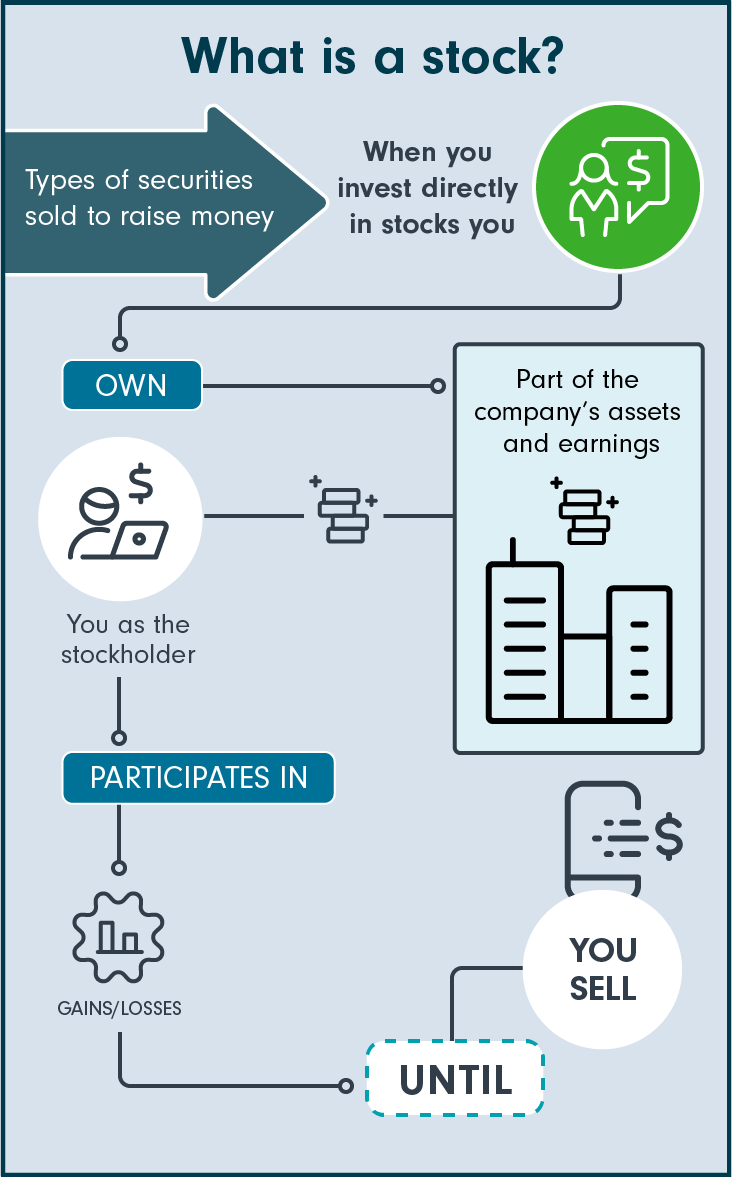
At its most basic level, a stock, also known as a share or equity, signifies partial ownership in a corporation. When you buy a share of a company’s stock, you become a shareholder, meaning you own a tiny fraction of that company. This ownership comes with certain rights, though they vary depending on the type of stock you hold. For common stock, these rights typically include the ability to vote on company matters (like electing the board of directors) and a claim on a portion of the company’s assets and earnings.
This concept of fractional ownership is crucial. It means that as the company performs well, your share of ownership theoretically increases in value. Conversely, if the company struggles, the value of your shares may decline. You are, in essence, a part-owner, and your financial fortunes are tied to the company’s success or failure.
Raising Capital for Growth
The primary reason companies issue stock is to raise capital. When a business needs money to expand operations, develop new products, enter new markets, or pay off debt, it has several options. One of the most common and effective ways for large companies is to sell shares of ownership to the public. This process is known as an Initial Public Offering (IPO) when a private company first goes public.
By selling stock, a company can secure significant funds without incurring debt (which requires interest payments) or relying solely on internal cash flow. Investors provide this capital in exchange for the potential to share in the company’s future profits and growth. This symbiotic relationship allows companies to fuel their ambitions while offering individuals and institutions an opportunity to invest in and benefit from those ambitions. It’s a powerful engine for economic development, enabling businesses to scale and innovate in ways that would otherwise be impossible.
Why Invest in Stocks? The Allure of Equity
Given the inherent risks, why do millions of people and institutions choose to invest their hard-earned money in stocks? The answer lies in the compelling potential for wealth creation and the unique benefits that equity investing offers compared to other asset classes.
Capital Appreciation: Buying Low, Selling High
One of the most attractive aspects of stock investing is the potential for capital appreciation. This occurs when the value of your shares increases over time. If you buy a stock at $50 per share and later sell it for $75 per share, you’ve realized a capital gain of $25 per share. This growth in value is typically driven by a company’s improving financial performance, positive market sentiment, industry growth, or even broader economic trends.
For many investors, especially those with a long-term horizon, capital appreciation is the primary goal. They seek out companies with strong fundamentals, innovative products, and capable management, betting that these businesses will grow and thrive, thereby increasing the intrinsic and market value of their shares. While there’s no guarantee of appreciation, historical data suggests that stocks have, over the long term, outperformed most other investment types, making them a powerful tool for building substantial wealth.
Dividends: Sharing in Company Profits
Beyond capital appreciation, many stocks offer another significant benefit: dividends. A dividend is a distribution of a portion of a company’s earnings to its shareholders. Not all companies pay dividends; growth-oriented companies, especially newer ones, often reinvest all their profits back into the business to fuel further expansion. However, mature, profitable companies frequently share their success with shareholders through regular dividend payments, often quarterly.
Dividends provide investors with a direct income stream, which can be particularly appealing for retirees or those seeking passive income. This income can be taken as cash or, in many cases, reinvested to purchase more shares of the same stock, leveraging the power of compounding to accelerate wealth accumulation. The combination of potential capital appreciation and regular dividend income makes dividend-paying stocks a popular choice for conservative and income-focused investors alike.
Diversification and Long-Term Growth
Stocks play a critical role in a diversified investment portfolio. By holding a variety of stocks across different industries, geographies, and company sizes, investors can mitigate risk. When one sector or company underperforms, others may be thriving, helping to smooth out overall portfolio returns. This diversification is a core tenet of prudent investing, and stocks, with their diverse range, offer ample opportunity to achieve it.
Furthermore, stocks are widely considered one of the best vehicles for long-term growth. Over decades, the stock market has consistently shown an upward trend, despite numerous corrections and bear markets. This long-term growth potential makes stocks an essential component for individuals saving for retirement, a child’s education, or other significant future financial goals. The power of compounding, combined with the historical upward trajectory of equities, provides a compelling argument for their inclusion in a long-term financial strategy.
Navigating the Stock Market: How Stocks Are Traded
Understanding what stock means is incomplete without understanding how these ownership shares are bought and sold. The “stock market” isn’t a single physical location but a vast, interconnected ecosystem facilitating these transactions.
Primary vs. Secondary Markets
The journey of a stock begins in the primary market. This is where companies first issue new shares directly to investors to raise capital. The most well-known event in the primary market is the Initial Public Offering (IPO), where a private company becomes public by selling its shares for the first time. Investment banks typically facilitate these offerings, helping companies determine the initial price and distribute shares to institutional and individual investors.
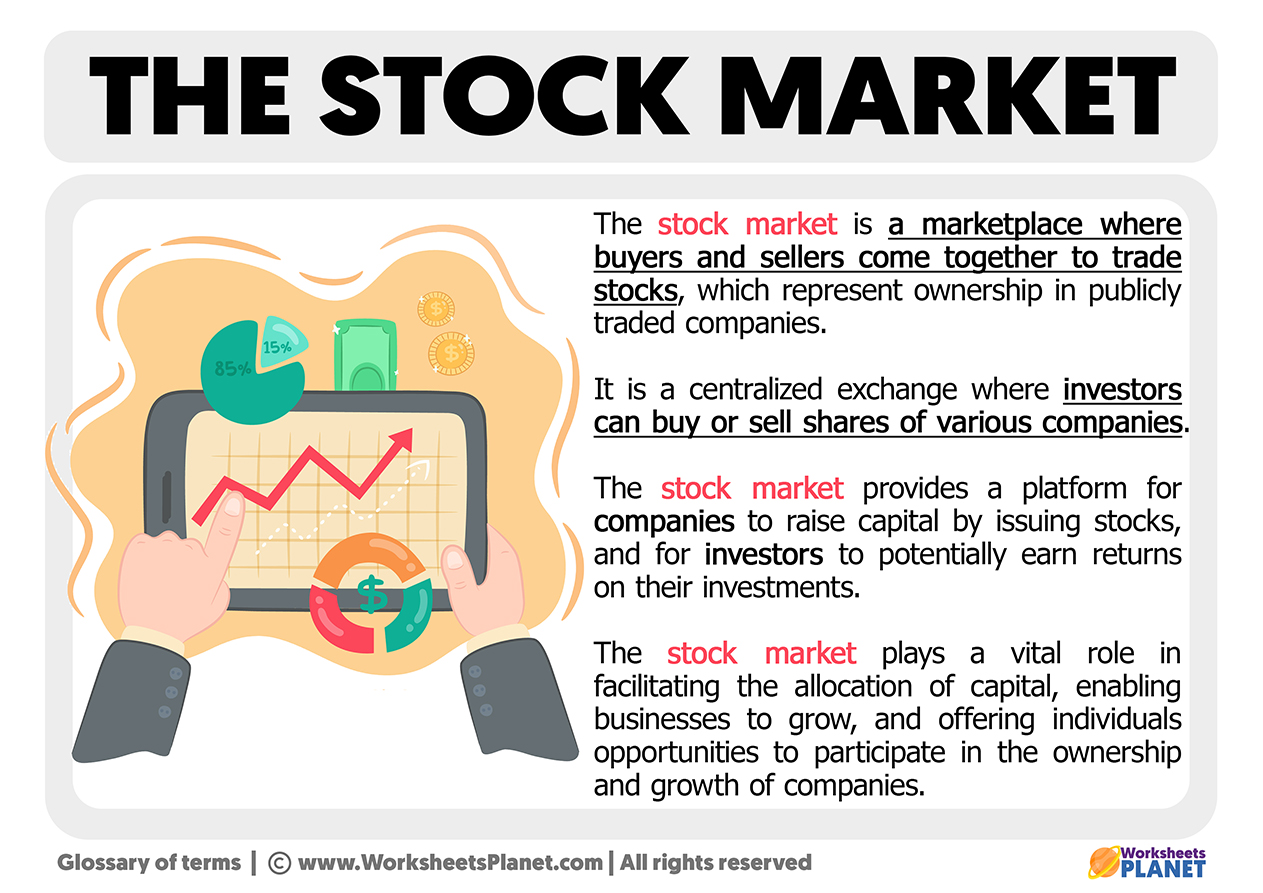
Once shares are issued in the primary market, they then trade hands in the secondary market. This is what most people typically refer to as the “stock market.” Here, investors buy and sell existing shares from one another, rather than directly from the issuing company. Major stock exchanges like the New York Stock Exchange (NYSE) and NASDAQ are examples of secondary markets. The prices of stocks in the secondary market fluctuate constantly based on supply and demand, company news, economic data, and investor sentiment. It’s this secondary market where the vast majority of daily stock trading occurs, and where investors realize capital gains or losses.
The Role of Exchanges and Brokers
Stock exchanges are organized marketplaces where buyers and sellers can connect to trade stocks. They provide the infrastructure, rules, and transparency necessary for efficient trading. These exchanges don’t own the stocks themselves but act as intermediaries, ensuring fair and orderly transactions. Technology has largely automated these processes, with electronic trading systems executing millions of trades per second.
For individual investors, accessing these exchanges requires the services of a brokerage firm. A broker acts as an intermediary, executing buy and sell orders on behalf of their clients. In today’s digital age, most individual investors use online brokerage platforms, which provide tools for research, order placement, and portfolio management. These platforms have democratized stock investing, making it accessible to a much broader audience than ever before. Choosing the right broker, one that aligns with your investment goals, fees, and services, is an important first step for any aspiring investor.
Understanding Market Dynamics
The prices of stocks in the secondary market are in constant flux, driven by a complex interplay of factors known as market dynamics. Supply and demand are fundamental: if more people want to buy a stock than sell it, its price tends to rise; conversely, if more people want to sell, the price tends to fall. Beyond this basic principle, a multitude of elements influence these dynamics:
- Company-specific news: Earnings reports, product launches, management changes, mergers, or scandals can dramatically impact a stock’s price.
- Industry trends: Growth or decline in an entire sector can lift or sink the stocks within it.
- Economic indicators: Interest rates, inflation data, employment figures, and GDP growth reports can sway overall market sentiment.
- Geopolitical events: Wars, trade disputes, or political instability can introduce uncertainty and volatility.
- Investor psychology: Fear and greed often play a significant role, sometimes leading to irrational market movements or “bubbles” and “crashes.”
Understanding these dynamics helps investors make more informed decisions, recognizing that short-term price movements can be unpredictable, but long-term trends are often tied to fundamental economic and business performance.
Key Terminology and Types of Stocks
As you delve deeper into stock investing, you’ll encounter various terms and distinctions that are crucial for comprehensive understanding. These help differentiate investment opportunities and risks.
Common vs. Preferred Stock
While both represent ownership, there are two main types of stock:
- Common Stock: This is the most prevalent type and what people usually refer to when they say “stock.” Common stockholders have voting rights, allowing them to influence corporate policy and elect the board of directors. They also have the potential for greater capital appreciation. However, they are at the bottom of the priority list if a company goes bankrupt; they receive assets only after bondholders and preferred stockholders have been paid.
- Preferred Stock: Preferred stockholders typically do not have voting rights. Their primary advantage is that they receive fixed dividend payments before common stockholders and have a higher claim on the company’s assets in the event of liquidation. Preferred stock often behaves more like a bond, offering more stable income but with less potential for significant capital appreciation compared to common stock. It’s often favored by investors seeking stable income and lower volatility.
Market Capitalization and Share Price
Two frequently used metrics help categorize and evaluate companies in the stock market:
- Share Price: This is simply the cost of one share of a company’s stock at any given moment. It’s the most immediate indicator of a stock’s value, but it doesn’t tell the whole story without context. A high share price doesn’t necessarily mean a company is “expensive,” nor does a low share price mean it’s “cheap.”
- Market Capitalization (Market Cap): This is the total value of a company’s outstanding shares. It’s calculated by multiplying the current share price by the total number of shares issued. Market cap is a much better indicator of a company’s size than its share price alone. Companies are often categorized by market cap:
- Large-cap: Companies with market caps typically above $10 billion (e.g., Apple, Microsoft). These are generally more stable and less volatile.
- Mid-cap: Companies with market caps between $2 billion and $10 billion (e.g., Etsy, HubSpot). These offer a balance of growth potential and stability.
- Small-cap: Companies with market caps below $2 billion (e.g., many emerging tech firms). These often have higher growth potential but also higher risk and volatility.
Volatility, Liquidity, and Risk
These terms describe key characteristics of stocks and the market:
- Volatility: Refers to how much a stock’s price fluctuates over time. Highly volatile stocks can experience rapid and significant price swings, offering both greater potential gains and greater potential losses. Less volatile stocks tend to have more stable prices.
- Liquidity: Describes how easily a stock can be bought or sold without significantly impacting its price. Highly liquid stocks have many buyers and sellers, making it easy to enter or exit a position. Illiquid stocks, often those of smaller companies, can be harder to trade quickly without affecting their market price.
- Risk: Stock investing always involves risk. The primary risk is losing money if the company performs poorly or if market sentiment turns negative. Other risks include market risk (the risk that the entire market declines), industry-specific risk, and company-specific risk. Understanding and managing these risks through diversification and appropriate investment strategies is paramount.
Getting Started with Stock Investing
For those looking to venture into the world of stock investing, a thoughtful and informed approach is essential. It’s not about jumping in blindly but building a solid foundation of knowledge and strategy.
Research and Due Diligence
Before investing in any stock, comprehensive research and due diligence are critical. This means analyzing the company’s financial health, management team, competitive landscape, industry outlook, and growth prospects. Key financial metrics to examine include revenue growth, profitability, debt levels, and cash flow. Reading annual reports (10-K filings for U.S. companies), quarterly earnings calls, and independent analyst reports can provide valuable insights. Understanding the business model and the factors that drive its success (or failure) is paramount. Don’t invest in what you don’t understand.
Investment Strategies and Risk Tolerance
There are numerous investment strategies, and the best one for you depends on your financial goals, time horizon, and risk tolerance. Some common strategies include:
- Value Investing: Seeking out undervalued stocks that are trading below their intrinsic worth, with the expectation that the market will eventually recognize their true value.
- Growth Investing: Focusing on companies with high growth potential, even if they don’t pay dividends or have high valuations.
- Income Investing: Prioritizing dividend-paying stocks for a steady stream of income.
- Index Investing: Investing in exchange-traded funds (ETFs) or mutual funds that track a broad market index, offering diversification and often lower fees.
Your risk tolerance is a crucial factor. Are you comfortable with significant fluctuations in your portfolio for the chance of higher returns, or do you prefer a more conservative approach with lower volatility? Being honest about your capacity for risk will guide your investment choices and help prevent emotional, reactive decisions during market downturns.
Choosing a Brokerage Account
To buy and sell stocks, you’ll need to open a brokerage account. Many reputable online brokerage firms offer user-friendly platforms, extensive research tools, and competitive commission structures (often commission-free for stock trades). When choosing a broker, consider:
- Fees: Look at trading commissions, account maintenance fees, and any other charges.
- Investment Options: Does the broker offer access to all the types of investments you’re interested in (stocks, ETFs, mutual funds, options, etc.)?
- Research Tools and Education: Does the platform provide robust analytical tools, market data, and educational resources to help you make informed decisions?
- Customer Service: Is reliable customer support available when you need it?
- Minimum Deposit: Some brokers require a minimum amount to open an account, though many now offer accounts with no minimum.
Starting small, consistently contributing, and focusing on long-term growth rather than short-term speculation are often the most effective paths to success in stock investing.
Conclusion
Understanding “what stock means” is far more than just knowing a definition; it’s about comprehending a fundamental mechanism of wealth creation, corporate finance, and economic growth. A stock is a share of ownership that allows companies to raise vital capital and offers investors the potential for capital appreciation, dividend income, and long-term wealth building. While stock investing comes with inherent risks, a thoughtful approach, grounded in research, diversification, and an awareness of market dynamics, can make it a powerful component of any financial strategy. By demystifying these concepts, individuals are empowered to make informed decisions, participate more actively in the economy, and ultimately work towards achieving their financial aspirations.
aViewFromTheCave is a participant in the Amazon Services LLC Associates Program, an affiliate advertising program designed to provide a means for sites to earn advertising fees by advertising and linking to Amazon.com. Amazon, the Amazon logo, AmazonSupply, and the AmazonSupply logo are trademarks of Amazon.com, Inc. or its affiliates. As an Amazon Associate we earn affiliate commissions from qualifying purchases.