
In the dynamic landscape of modern technology, the ability to reinstall or upgrade an operating system is a fundamental skill for any computer user. While disc drives have largely become obsolete, the humble USB stick has emerged as the most versatile and efficient medium for installing Windows. Whether you’re setting up a new PC, reviving a struggling system, or performing a clean slate for enhanced performance and security, understanding how to install Windows from a USB drive is an invaluable asset. This comprehensive guide will walk you through every step, from preparing your tools to optimizing your newly installed system, ensuring a smooth and successful transition.
Why Install Windows from a USB? The Modern Approach to OS Deployment
Gone are the days of fumbling with optical drives and physical installation discs. Installing Windows from a USB offers a multitude of advantages that make it the preferred method for tech enthusiasts, IT professionals, and everyday users alike. This approach is not just a convenience; it’s a strategic choice that aligns with current technology trends and best practices in digital security and productivity.
The Advantages of USB Installation
The primary benefit of using a USB drive is speed. USB 3.0 and newer drives offer significantly faster read/write speeds compared to traditional DVDs, drastically cutting down the installation time. This efficiency translates directly into greater productivity, as you spend less time waiting and more time working.
Portability and Accessibility are also key. A small, lightweight USB drive can easily be carried anywhere, making it ideal for mobile technicians or users who need to perform installations on multiple machines. Most modern computers, including ultra-thin laptops and custom-built gaming rigs, often lack optical drives entirely, making a bootable USB the only viable option.
Furthermore, USB drives are reusable and easily updateable. Unlike single-use DVDs, a USB drive can be reformatted and reused countless times. This flexibility allows you to update your installation media with the latest Windows version or different operating systems as needed, ensuring you always have the most current and secure installation files at your fingertips. This constant access to the latest versions is crucial for maintaining digital security against evolving threats and leveraging the newest features.
Common Scenarios for USB Installation
Understanding why you might need to install Windows from a USB often clarifies the importance of this skill. One common scenario is building a new PC. When assembling components from scratch, there’s no pre-installed operating system, making a bootable USB the essential first step to bring your machine to life.
Another frequent use case is upgrading your operating system or performing a clean installation. Over time, Windows can accumulate clutter, slow down, or develop stability issues. A clean install, often referred to as a “fresh start,” wipes your primary drive and reinstalls Windows from scratch, leading to a much faster, more responsive, and more secure system. This is an excellent way to boost productivity by eliminating software conflicts and unnecessary background processes.
Finally, a bootable USB is a lifesaver for troubleshooting and recovery. If your Windows installation becomes corrupted, unbootable, or infected with malware, you can often use a bootable USB to access recovery options, repair your system, or even reinstall Windows entirely, salvaging your computer and data. This proactive approach to digital security and system maintenance can save significant time and money in the long run.
Essential Preparations Before You Begin: Laying the Groundwork
Before embarking on the Windows installation journey, a meticulous preparation phase is paramount. Skipping these critical steps can lead to data loss, frustrating errors, or a compromised installation. Think of it as preparing your workspace before a complex project – proper groundwork ensures a smooth and successful outcome, safeguarding your data and optimizing your time.
Gathering Your Tools and Software
To ensure a seamless installation, you’ll need a few essential items:
- A USB Flash Drive: This is your primary tool. It should have a minimum capacity of 8GB (for Windows 10) or 16GB (for Windows 11) to comfortably hold the operating system files. It’s crucial that this drive is either empty or contains data you are willing to lose, as the process of making it bootable will erase all its contents. For optimal speed, a USB 3.0 drive is recommended if your computer supports it.
- A Reliable Internet Connection: You’ll need this to download the Windows ISO file or the Windows Media Creation Tool from Microsoft’s official website. A stable connection prevents corrupted downloads and ensures you get the latest, most secure version of Windows.
- A Working Computer: This “host” computer is used to download the necessary files and create the bootable USB drive. It doesn’t have to be the computer you’re installing Windows on, but it needs to be functional.
- Windows Product Key (Optional but Recommended): While you can often install Windows without immediately entering a product key, you will eventually need one to activate the operating system and unlock all features. Having it ready expedites the setup process. Purchasing licenses from official channels ensures you have legitimate software, which is a cornerstone of digital security and reliable performance.
Critical Pre-Installation Checks
Beyond gathering your physical tools, several critical checks and actions are necessary to protect your data and prevent complications:
- Back Up All Important Data: This is perhaps the single most crucial step. Installing Windows, especially a clean install, will erase all data on the target drive. Copy all your documents, photos, videos, applications, and any other vital files to an external hard drive, cloud storage (like OneDrive, Google Drive, or Dropbox), or another computer. This safeguard prevents irreversible data loss and offers peace of mind. For businesses or professionals, data backup is not just a recommendation but a fundamental aspect of digital security and business continuity.
- Ensure Your System Meets Minimum Requirements: Before you commit to an installation, particularly with newer versions like Windows 11, verify that your computer meets the minimum hardware specifications (processor, RAM, storage, graphics card, secure boot/TPM for Windows 11). Attempting to install Windows on an incompatible system can lead to performance issues, instability, or outright failure.
- Charge Laptops or Connect to Power: If you’re installing Windows on a laptop, ensure it’s fully charged or, better yet, plugged into a power outlet. An unexpected power loss during installation can corrupt your hard drive and render your system unbootable, potentially requiring more advanced recovery efforts.
- Disconnect Unnecessary Peripherals: Temporarily disconnect any non-essential USB devices (printers, external hard drives, webcams, etc.) from the target computer. This minimizes potential conflicts during the boot and installation process, streamlining the entire experience.
By diligently completing these preparations, you set the stage for a smooth, secure, and successful Windows installation, maximizing your productivity and minimizing potential headaches.
Creating Your Bootable Windows USB Drive: The Heart of the Process
With your preparations complete, the next vital step is to transform your ordinary USB drive into a powerful bootable medium. This drive will contain all the necessary Windows installation files, allowing your computer to start directly from it and begin the setup process. The most straightforward and recommended method involves using Microsoft’s official tool.
Obtaining the Windows ISO File and the Media Creation Tool
Microsoft provides a free and user-friendly tool specifically designed to create bootable Windows installation media: the Windows Media Creation Tool. This tool simplifies the entire process by handling both the download of the correct Windows ISO file (an image file containing the operating system) and the preparation of your USB drive.
To get started:
- Navigate to Microsoft’s Official Website: Open your web browser on your working computer and go to the official Microsoft download page for Windows 10 or Windows 11 (a quick search for “Windows 10/11 download” will typically lead you there). Always use official sources to ensure you download legitimate, secure software, protecting your system from potential malware or compromised installers.
- Download the Media Creation Tool: Locate the section for “Create Windows 10/11 installation media” and click the “Download tool now” button. This will download a small executable file.
Utilizing the Windows Media Creation Tool
Once you have the tool, the process is largely automated:
- Run the Media Creation Tool: Double-click the downloaded
MediaCreationTool.exefile. You may need to grant administrator permissions. - Accept Terms: Read and accept the license terms.
- Choose “Create installation media (USB flash drive, DVD, or ISO file) for another PC”: Select this option and click “Next.” Even if you’re installing on the same PC, this option is the one you need to create the bootable USB.
- Select Language, Architecture, and Edition: The tool will usually recommend options based on your current PC. You can uncheck “Use recommended options for this PC” if you need to choose a different language, a 64-bit or 32-bit architecture, or a specific Windows edition (e.g., Home or Pro). For modern systems, 64-bit is almost always the correct choice. Click “Next.”
- Choose USB Flash Drive: When prompted to “Choose which media to use,” select “USB flash drive” and click “Next.”
- Select Your USB Drive: The tool will list detected USB drives. Carefully select the correct drive you intend to use. Double-check this step, as selecting the wrong drive will erase its contents. Click “Next.”
- Download and Create: The Media Creation Tool will now download the Windows files and then write them to your USB drive, making it bootable. This process can take some time, depending on your internet speed and USB drive performance.
- Finish: Once completed, you’ll see a “Your USB flash drive is ready” message. Click “Finish.”
Your bootable Windows USB drive is now ready to use. It contains everything needed to start the installation process on your target computer.
Advanced Options: Third-Party Tools (e.g., Rufus)
While the Media Creation Tool is the official and easiest method, advanced users or those needing more control might opt for third-party tools like Rufus. Rufus allows for more specific customizations, such as creating non-standard boot schemes (e.g., for older systems that only support MBR partitions) or bypassing certain Windows 11 requirements (like TPM or Secure Boot, though this is generally not recommended for security and stability).
To use Rufus:
- Download Rufus: Obtain the latest version from its official website (
rufus.ie). - Download the Windows ISO Separately: Unlike the Media Creation Tool, Rufus requires you to have the Windows ISO file already downloaded. You can still download the ISO directly from Microsoft’s website using a browser trick (changing your user agent to a non-Windows OS often reveals direct ISO download links) or by using the Media Creation Tool to specifically create an ISO file instead of a USB drive.
- Insert USB and Run Rufus: Connect your USB drive, then launch Rufus.
- Configure Settings:
- Device: Select your USB drive from the dropdown.
- Boot selection: Click “SELECT” and browse to your downloaded Windows ISO file.
- Partition scheme and Target system: These are crucial. For most modern systems (UEFI, GPT partition scheme), Rufus will usually detect the correct settings. For older systems, you might need MBR and BIOS (or UEFI-CSM).
- Volume label: You can give your drive a custom name.
- Start: Click “START” to begin the process. Rufus will warn you that all data on the USB drive will be destroyed. Confirm to proceed.
While Rufus offers granular control, the Media Creation Tool is sufficient for the vast majority of users and is less prone to misconfiguration, ensuring a secure and standard installation.
Configuring Your System for USB Boot: Guiding Your PC to the Right Path
Even with a perfectly crafted bootable USB drive, your computer won’t automatically start the Windows installation unless it’s instructed to do so. This instruction happens in your system’s firmware, either the BIOS (Basic Input/Output System) or its modern successor, UEFI (Unified Extensible Firmware Interface). Understanding how to access and modify these settings is a fundamental skill for any tech enthusiast.

Accessing Your System’s Firmware
The method for entering BIOS/UEFI setup varies depending on your computer’s manufacturer and model. This usually involves pressing a specific key immediately after powering on your PC.
Common keys include:
- Dell: F2 or F12
- HP: F10 or Esc
- Lenovo: F1, F2, Fn+F2, or Enter then F1/F2
- Acer: F2 or Del
- ASUS: Del or F2
- Microsoft Surface: Volume Up button (when pressing power)
- Custom-built PCs (Motherboard specific): Del, F2, F10, or F12 (consult your motherboard manual)
Steps to Access:
- Shut down your computer completely.
- Insert your bootable Windows USB drive into an available USB port.
- Power on your computer.
- Immediately and repeatedly press the designated BIOS/UEFI key until the setup utility appears. You might need to be quick, as the window of opportunity is often very short. If Windows starts loading, you’ve missed it and will need to restart.
Once inside the BIOS/UEFI interface, you’ll typically navigate using your keyboard (arrow keys, Enter, Esc). Some modern UEFI interfaces also support mouse input.
Prioritizing the USB Drive
Within the BIOS/UEFI settings, you need to tell your computer to try booting from the USB drive before attempting to boot from your existing hard drive or SSD. This ensures the Windows installer launches instead of your current operating system.
Look for a section related to “Boot,” “Boot Options,” “Boot Order,” “Startup,” or similar.
Key settings to adjust:
- Change Boot Order: In the Boot Order list, you’ll see a hierarchy of devices (e.g., Hard Drive, CD-ROM Drive, Network Boot, USB Drive). Use the designated keys (often F5/F6 or +/-) to move your “USB Drive,” “Removable Devices,” or the specific brand/model name of your USB drive to the top of the boot priority list.
- UEFI vs. Legacy/CSM: Modern systems use UEFI, which often works hand-in-hand with Secure Boot. Ensure your BIOS is set to UEFI mode (if applicable) for modern Windows installations. If you’re installing on a very old system, or if your bootable USB was created with an MBR partition scheme, you might need to enable “Legacy Support” or “CSM (Compatibility Support Module).” For a standard Windows 10/11 installation, stick to UEFI.
- Disable Secure Boot (if necessary): While Windows 11 requires Secure Boot to be enabled post-installation, some systems might require it to be temporarily disabled to boot from a non-standard source (even if it’s your bootable USB). If you encounter issues, try disabling Secure Boot and re-enabling it after Windows is installed.
- Save and Exit: After making your changes, navigate to the “Exit” tab and select “Save Changes and Exit” (or similar wording). Your computer will restart, and if configured correctly, it should now boot directly from your USB drive, initiating the Windows installation process.
This step is crucial for gaining control over your system’s startup behavior, a valuable skill not just for OS installation but also for advanced troubleshooting and system maintenance.
The Step-by-Step Windows Installation Process: Bringing Your System to Life
With your computer successfully booting from the USB drive, you’ve reached the core of the operation: installing Windows. This phase involves a series of guided prompts where you’ll make crucial decisions about language, partition management, and initial system configuration. Take your time, read each screen carefully, and proceed systematically.
Initial Setup and Language Selection
Once your computer boots from the USB drive, you’ll see the Windows logo appear, followed by the initial setup screen.
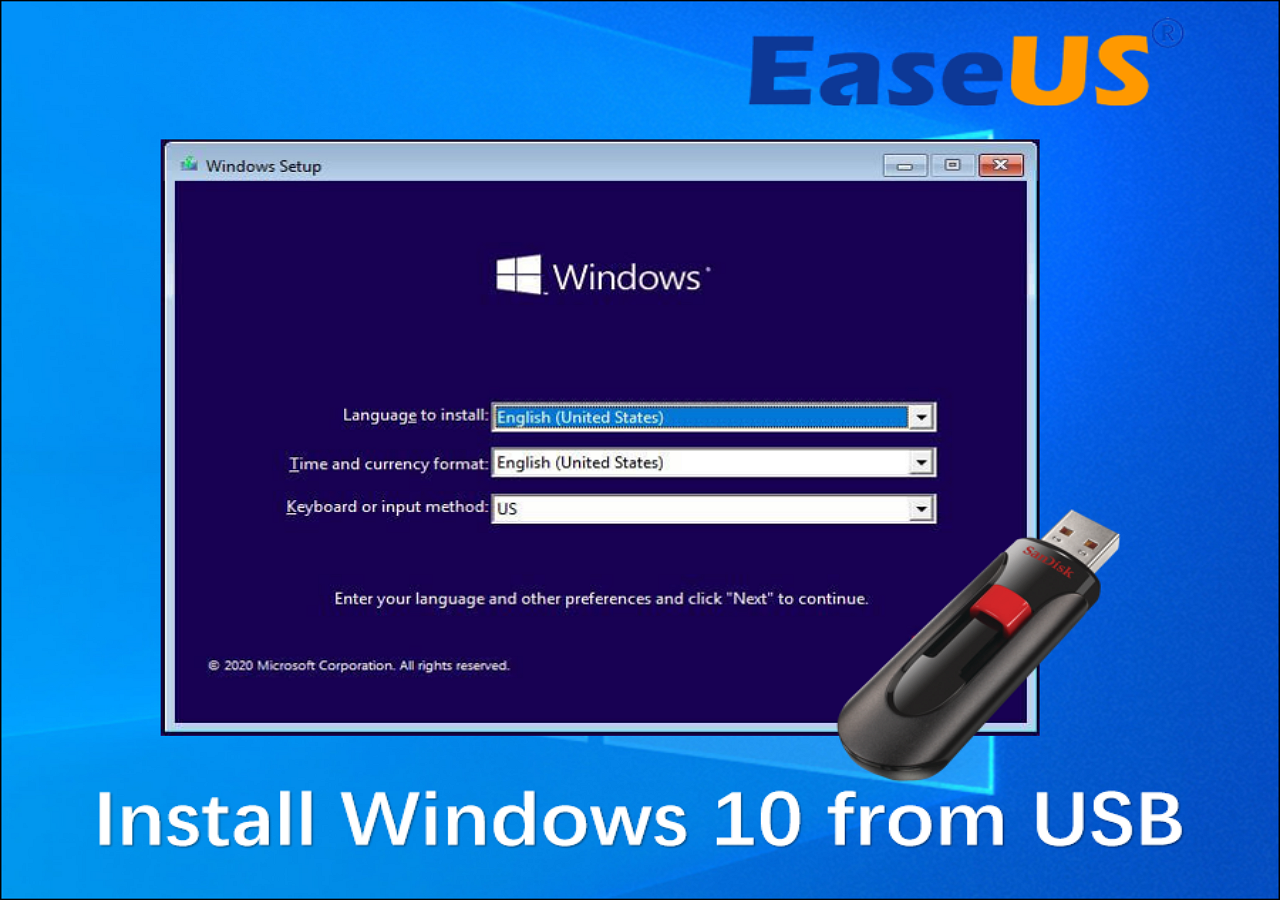
- Language, Time, and Keyboard: The first screen will ask you to select your preferred language, time and currency format, and keyboard or input method. Make your selections and click “Next.”
- Install Now: On the next screen, click the large “Install now” button.
- Product Key: You’ll be prompted to enter your Windows product key.
- If you have a key, enter it and click “Next.”
- If you don’t have one readily available or plan to activate later, click “I don’t have a product key.” Windows will still install, but you’ll need to activate it within a certain period to unlock all features.
- Choose Operating System (if applicable): If your installation media contains multiple versions of Windows (e.g., Home and Pro), you’ll be asked to choose which edition you want to install. Select your preferred edition and click “Next.”
- License Terms: Read through the Microsoft Software License Terms. If you agree, check the “I accept the license terms” box and click “Next.”
- Type of Installation: This is a critical choice:
- Upgrade: Install Windows and keep files, settings, and applications: This option is for upgrading an existing Windows installation while preserving your data. However, for most USB installations, especially clean installs, this is not the desired path as it generally won’t work from a bootable USB.
- Custom: Install Windows only (advanced): This is the option you want for a clean installation on a new PC, an existing PC you want to wipe, or if you’re dual-booting. Select this.
Partitioning Your Drive and Installation Location
The “Custom” installation option leads you to the drive partitioning screen, where you decide where Windows will be installed. This step requires careful attention, as incorrect choices can lead to data loss.
- Identify Your Drives: You’ll see a list of drives (Drive 0, Drive 1, etc.) and their partitions. If you have multiple physical drives, ensure you know which one is your target drive.
- Managing Partitions:
- For a clean install on an existing drive: Select each partition on your target drive (e.g., Drive 0 Partition 1, Drive 0 Partition 2, etc.) and click “Delete.” This will remove all existing data and create unallocated space. Be absolutely certain you are deleting partitions on the correct drive to avoid wiping data from other drives.
- For a new drive or after deleting partitions: You’ll see “Drive X Unallocated Space.” You have two options:
- Let Windows create partitions: Select the “Unallocated Space” and click “Next.” Windows will automatically create the necessary system, recovery, and primary partitions. This is the simplest and recommended approach for most users.
- Manually create partitions: If you want a specific partition layout (e.g., a smaller C: drive for Windows and a larger D: drive for data), select the “Unallocated Space,” click “New,” enter the desired size for your first partition (e.g., 200GB for Windows), and click “Apply.” Windows will create the system partitions, and then you can create more partitions from the remaining unallocated space.
- Select Installation Location: Once your desired partition structure is set, select the primary partition where you want Windows to be installed (typically the largest one you just created, marked as “Primary”) and click “Next.”
Windows will now begin copying files and installing. This process involves several restarts. Do not remove the USB drive until Windows has fully installed and restarted into the desktop setup.
Completing the Setup and Initial Configuration
After the main installation files are copied and the system restarts, you’ll be guided through the final stages of setting up your new Windows environment.
- Region and Keyboard Layout: Confirm your region and keyboard layout.
- Network Connection: Connect to a Wi-Fi or Ethernet network. This is often required for Windows 11 setup and allows for immediate updates and account syncing.
- Sign in with Microsoft Account (or Offline Account):
- Microsoft Account: This is the recommended and default path, offering integration with OneDrive, Xbox, and other Microsoft services. Enter your Microsoft account email and password.
- Offline Account (Limited, mostly for Windows 10 Pro or specific setups): In some versions (especially Windows 10 Pro) or by disconnecting from the internet, you might be able to create a local offline account. For Windows 11 Home, an internet connection and Microsoft account are generally mandatory.
- PIN Creation: Set up a PIN for faster sign-in.
- Privacy Settings: Review and adjust your privacy settings (location, diagnostic data, tailored experiences, etc.). Customize these to your comfort level, balancing convenience with data privacy and digital security.
- Customization (Windows 11): You might be asked how you plan to use your device (gaming, school, work, creativity, entertainment). This helps Windows suggest relevant apps and services.
- OneDrive Setup: Choose whether to back up your files to OneDrive.
- Windows Hello (Optional): If your hardware supports it, you’ll have the option to set up facial recognition or fingerprint login.
- Updates: Windows will often check for and install critical updates in the background. Allow this process to complete.
Once these steps are done, you’ll be greeted by your brand-new Windows desktop. Congratulations, your system is now up and running!
Post-Installation Essentials and Optimization: Securing and Maximizing Your Investment
Installing Windows is just the beginning. To truly harness your system’s potential, ensure its security, and maximize your productivity, a series of post-installation steps are crucial. These actions turn a basic operating system into a robust, secure, and efficient personal or professional tool.
Driver Installation and Updates
Drivers are software components that allow your operating system to communicate with your hardware (graphics card, motherboard chipset, network adapter, sound card, etc.). While Windows often installs generic drivers, installing the latest manufacturer-specific drivers is vital for optimal performance and stability.
- Check Device Manager: Right-click the Start button and select “Device Manager.” Look for any devices with yellow exclamation marks, indicating missing or problematic drivers.
- Windows Update: The first place to check for drivers is Windows Update. Go to
Settings > Windows Updateand click “Check for updates.” Many essential drivers are distributed through Windows Update, especially for integrated components. - Manufacturer Websites: For graphics cards (NVIDIA, AMD), motherboard chipsets, and dedicated network cards, visit the respective manufacturer’s website. Download and install the latest drivers. These are often crucial for gaming performance, professional software, and overall system responsiveness. For laptops, visit the laptop manufacturer’s support page, enter your model number, and download all recommended drivers.
- Restart: After installing drivers, restart your computer to ensure they take full effect.
Keeping drivers updated is not just about performance; it’s also a significant aspect of digital security, as driver updates often patch vulnerabilities.
Security and Software Essentials
A fresh Windows installation is a blank canvas, but it needs immediate attention to security and essential software.
- Run Windows Update (Again): After all drivers are in place, run Windows Update again to ensure all the latest security patches and feature updates for Windows itself are installed. This is your primary defense against known vulnerabilities.
- Antivirus Software: While Windows Defender provides robust protection, you might opt for a third-party antivirus solution if you have a preference. Ensure your chosen security software is active and up-to-date. Consistent antivirus protection is non-negotiable for digital security in today’s threat landscape.
- Web Browser: Install your preferred web browser (Chrome, Firefox, Edge, Brave, etc.).
- Essential Productivity Software: Install your critical applications:
- Office Suite: Microsoft Office (Word, Excel, PowerPoint), LibreOffice, Google Workspace desktop apps.
- Communication Tools: Zoom, Microsoft Teams, Slack, Discord.
- Creativity Tools: Adobe Creative Cloud, GIMP, OBS Studio, etc.
- Cloud Storage Clients: OneDrive, Google Drive, Dropbox desktop apps for seamless file synchronization.
- Password Manager: Start using a password manager (LastPass, Bitwarden, 1Password) if you aren’t already. This is a crucial tool for improving your digital security by managing strong, unique passwords for all your online accounts.
- Firewall Configuration: Windows Firewall is usually enabled by default, but familiarize yourself with its settings under
Settings > Network & internet > Windows Security > Firewall & network protection. Ensure it’s active and configured to block unauthorized access.

Optimizing for Performance and Productivity
Beyond the essentials, a few tweaks can further optimize your new system for maximum performance and a streamlined workflow.
- Configure Restore Points: Windows System Restore can be a lifesaver if a new driver or software causes problems. Ensure it’s enabled: Search for “Create a restore point” in the Start menu.
- Optimize Storage:
- Disk Cleanup: Use the built-in Disk Cleanup tool to remove temporary files and system clutter.
- Storage Sense: In
Settings > System > Storage, enable Storage Sense to automatically free up space by deleting temporary files and managing cloud content.
- Startup Programs: Check your startup programs in Task Manager (
Ctrl+Shift+Esc > Startup tab). Disable any unnecessary applications that launch with Windows, as they can slow down boot times and consume resources. - Personalize Your Desktop: Set up your desktop background, theme, taskbar layout, and Start menu shortcuts to create an environment conducive to your personal productivity. A well-organized digital workspace can significantly enhance efficiency.
- Learn Keyboard Shortcuts: Familiarize yourself with Windows keyboard shortcuts (e.g., Win + D for desktop, Win + E for File Explorer, Win + Tab for Task View) to navigate your system more rapidly.
By diligently following these post-installation steps, you not only establish a secure and up-to-date operating system but also tailor it to your specific needs, transforming it into a powerful tool that boosts your productivity and protects your digital assets. This investment in setup and maintenance will pay dividends in system longevity, performance, and peace of mind.
aViewFromTheCave is a participant in the Amazon Services LLC Associates Program, an affiliate advertising program designed to provide a means for sites to earn advertising fees by advertising and linking to Amazon.com. Amazon, the Amazon logo, AmazonSupply, and the AmazonSupply logo are trademarks of Amazon.com, Inc. or its affiliates. As an Amazon Associate we earn affiliate commissions from qualifying purchases.