
The ephemeral thrill of Halloween—a single night of costumes, candy, and community—belies a sophisticated and financially significant retail operation that begins months in advance. For many, the question “when do Halloween stores open?” is a simple query born of anticipation for spooky delights. For economists, business owners, and investors, however, it unlocks a complex narrative of seasonal retail strategy, inventory management, consumer spending patterns, and the intricate financial dance that underpins a multi-billion dollar industry. Understanding the timing of these pop-up shops and dedicated retailers offers more than just a calendar reminder; it provides a window into strategic financial planning, risk management, and the cyclical economics of holiday consumption.

The Seasonal Retail Calendar: A Strategic Financial Maneuver
The opening dates of Halloween stores are far from arbitrary; they are the result of meticulous financial forecasting, market analysis, and a keen understanding of consumer behavior. These businesses operate on tight margins and compressed timelines, making every strategic decision, particularly the launch date, critical to their financial success.
Early Birds and Profit Margins: Why August/September Openings Matter
While Halloween is officially October 31st, the retail frenzy often kicks off as early as August, intensifying through September. This “early bird” strategy is a calculated financial gamble designed to maximize the selling season and enhance profitability. By opening in late summer, retailers tap into several crucial financial advantages:
- Extended Selling Window: A longer operational period translates directly into more opportunities for sales revenue. Each additional week provides a cushion against unforeseen dips in demand and allows for multiple purchasing cycles from different consumer segments.
- Capturing Early Planner Spending: A significant portion of Halloween enthusiasts are meticulous planners who prefer to secure unique costumes and decorations well in advance. These early shoppers are often less price-sensitive and willing to spend more to ensure desired items are available, leading to higher average transaction values and improved gross margins for retailers.
- Inventory Turnover Optimization: Spreading sales over a longer period helps retailers achieve better inventory turnover rates. This reduces the risk of having large quantities of unsold merchandise close to the holiday, which would necessitate deep discounts and significantly erode profit margins. Early sales allow for real-time inventory adjustments, reducing carrying costs and optimizing working capital.
- Strategic Market Dominance: Opening early allows the first-movers to capture initial market share, build brand awareness (even for a temporary store), and establish themselves as the primary destination before competitors fully enter the fray. This can translate into a sustained revenue advantage throughout the season.
October’s Peak and Price Elasticity: Maximizing Late-Stage Revenue
As the calendar flips to October, the Halloween retail market enters its most frantic and financially critical phase. This period is characterized by distinct consumer behaviors and pricing strategies aimed at optimizing final revenue streams.
- Last-Minute Shopper Influx: The weeks immediately preceding Halloween see a surge in foot traffic and online orders from procrastinators or those making last-minute adjustments. This high-demand environment allows retailers to maintain stronger pricing, as consumer price elasticity decreases when options become limited and time runs out.
- Impulse Buys and Add-ons: The urgency of October drives impulse purchases. Retailers strategically place high-margin accessories, makeup, and small decorative items near checkouts to encourage additional spending, significantly boosting average order values and overall revenue.
- Dynamic Pricing Strategies: Sophisticated retailers may employ dynamic pricing models, subtly adjusting prices based on demand, remaining inventory, and competitive actions. As Halloween approaches, items that are selling well might see price stability or even slight increases, while slow-moving inventory might be prepped for targeted, minimal discounts to clear stock before the holiday.
- Post-Halloween Clearance and Liquidation: The financial strategy doesn’t end on October 31st. The immediate aftermath involves aggressive clearance sales to liquidate remaining inventory. While these sales operate on reduced margins, they are crucial for recovering capital, minimizing storage costs, and avoiding write-downs on unsold goods. Effective liquidation is a critical component of maximizing the season’s net profit.
Beyond the Pop-Up: Year-Round Financial Planning for Seasonal Businesses
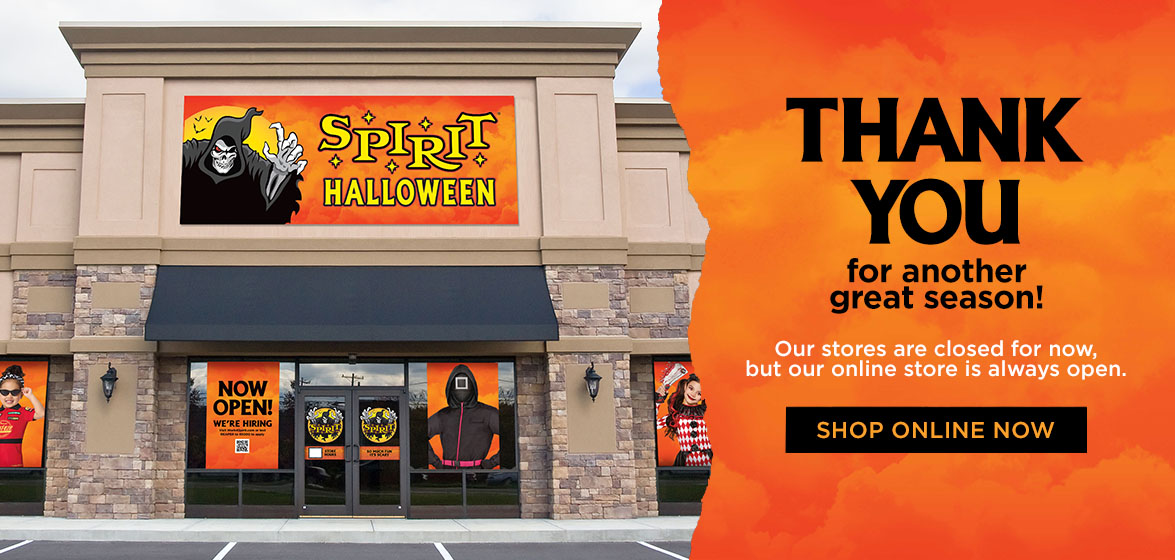
The “pop-up” nature of many Halloween retailers, particularly giants like Spirit Halloween, belies the extensive, year-round financial planning required to sustain such a model. Their business finance is a masterclass in managing cyclical cash flows and operational logistics.
- Off-Season Storage Costs: A significant expense for seasonal retailers is the storage of fixtures, displays, and often, initial inventory batches during the off-season. Lease agreements for warehouses, security, and maintenance represent ongoing costs that must be factored into the pricing strategy for the selling season.
- Lease Agreement Management: Negotiating short-term leases for prime retail locations is a core competency. These agreements must be cost-effective, flexible, and ideally situated for high foot traffic. The financial terms of these leases, often including percentage rent clauses, directly impact profitability.
- Employee Retention and Seasonal Hiring: Managing labor costs is paramount. While many staff are seasonal, companies invest in training and often seek to rehire experienced staff year after year, which can involve retention bonuses or preferential re-employment terms. The cost of recruitment, onboarding, and payroll for a large, temporary workforce is a major financial undertaking.
- Capital Management and Funding: Seasonal businesses face unique capital requirements. They need significant working capital to purchase inventory months in advance, often before any revenue is generated. This necessitates robust relationships with lenders or investors, and careful management of cash flow projections throughout the year to ensure liquidity.
Inventory Management and Supply Chain: The Financial Backbone of Halloween Retail
At the heart of any retail operation, particularly one as time-sensitive as Halloween, lies the intricate dance of inventory management and supply chain logistics. Every decision in this realm has profound financial consequences, directly impacting profitability and customer satisfaction.
Forecasting Demand: Mitigating Financial Risks of Overstocking/Understocking
Accurate demand forecasting is perhaps the single most critical financial challenge for Halloween retailers. The consequences of error are severe:
- Overstocking Risk: Excessive inventory ties up working capital, incurs storage costs, and significantly increases the risk of markdown losses post-Halloween. For a seasonal business, carrying over unsold inventory often means it’s obsolete for the next year, leading to write-offs. This directly impacts gross profit margins and cash flow.
- Understocking Risk: Insufficient inventory leads to lost sales opportunities, frustrated customers, and potential brand damage. While it avoids carrying costs, the opportunity cost of missed revenue can be substantial, especially for high-demand “hot items” that sell out quickly.
- Data Analytics and Historical Sales: Sophisticated retailers leverage historical sales data, popular culture trends, social media analytics, and even weather forecasts to predict demand for specific categories and items. Investing in robust predictive analytics tools is a crucial financial decision that can yield significant returns by optimizing inventory levels.
Sourcing Strategies and Cost Control: Global Supply Chain Dynamics
The Halloween industry relies heavily on a global supply chain, primarily from Asian manufacturers. Managing this supply chain efficiently is key to controlling costs and maintaining healthy profit margins.
- Import Costs and Lead Times: Sourcing internationally involves significant import duties, shipping costs, and lengthy lead times. Financial planning must account for these expenses and the capital tied up in goods in transit. Delays can result in missed sales opportunities, making reliable logistics partners a financial necessity.
- Bulk Purchasing and Economies of Scale: To reduce per-unit costs, retailers typically engage in bulk purchasing. This strategy, while financially advantageous, increases the upfront capital requirement and the risk associated with overstocking if demand forecasts are inaccurate.
- Supplier Relationships and Risk Mitigation: Establishing strong relationships with multiple suppliers helps mitigate risks associated with production delays, quality issues, or geopolitical disruptions. Diversifying suppliers can prevent single points of failure that could have catastrophic financial implications for inventory supply.
- Currency Fluctuations: International sourcing exposes retailers to currency exchange rate risks. Hedging strategies or careful monitoring of currency markets are financial tools used to protect profit margins from adverse fluctuations.
Logistics and Distribution: Optimizing Financial Efficiency from Warehouse to Shelf
Getting products from manufacturers to store shelves efficiently is a complex logistical and financial undertaking. Every step incurs costs that must be managed judiciously.

- Warehousing Expenses: Beyond off-season storage, dedicated warehouses are needed for receiving, sorting, and distributing inventory during the peak season. These costs include rent, utilities, labor, and security.
- Distribution Networks: Establishing and managing an effective distribution network, often involving third-party logistics (3PL) providers, is critical. The cost of freight, fuel, and last-mile delivery directly impacts the final cost of goods sold.
- Temporary Staffing for Receiving: The surge in inventory requires a temporary workforce for unloading, scanning, and stocking. Labor costs for these operations are a significant line item in the budget. Optimizing these processes to reduce labor hours directly impacts financial efficiency.
Marketing, Sales, and Consumer Spending: Driving Revenue in a Niche Market
Beyond the operational intricacies, the financial success of Halloween retail hinges on effective marketing and a deep understanding of consumer spending psychology.
Budgeting for Seasonal Marketing Campaigns: Maximizing ROI
Marketing during a short, intense season requires strategic budget allocation to maximize return on investment (ROI).
- Digital Marketing Focus: Online advertising (social media, search engine marketing), email campaigns, and influencer collaborations offer targeted reach and measurable results, allowing for precise budget allocation and real-time optimization to drive traffic and sales.
- In-Store Promotions and Experiential Retail: Creating an engaging in-store experience, often through elaborate displays and themed music, encourages longer visits and higher spending. Promotions like “buy one get one free” or bundled deals are designed to increase average transaction values.
- Targeted Demographics: Marketing efforts are often segmented to target different consumer groups—families, teens, adults—with tailored messaging and product showcases, ensuring marketing spend is not wasted on irrelevant audiences.
Understanding Consumer Spending Habits: Capitalizing on Impulse and Emotion
Halloween is inherently an emotional holiday, and retailers expertly tap into this to encourage spending.
- Average Spend Per Customer: Retailers aim to increase the average amount each customer spends. This is achieved through strategic store layouts, cross-selling (e.g., suggesting makeup with a costume), and upselling (e.g., premium versions of props).
- The “Trick-or-Treat” Effect on Budgets: Many consumers set a specific budget for Halloween, encompassing costumes, decorations, and candy. Retailers compete for a share of this budget, often positioning their offerings as essential elements for a “perfect” Halloween.
- The Experience Economy: As consumers increasingly value experiences, Halloween retailers that offer unique, engaging shopping environments or access to exclusive items can command higher prices and foster greater loyalty, leading to repeat purchases and higher lifetime value for seasonal customers.
The E-commerce Factor: Expanding Revenue Streams Beyond Brick-and-Mortar
The rise of e-commerce has significantly reshaped the financial landscape of Halloween retail, offering new opportunities and challenges.
- Online Sales Platforms: Dedicated e-commerce sites and marketplace presence (Amazon, eBay) extend the reach of Halloween retailers beyond physical store locations, allowing them to tap into a broader customer base and generate additional revenue streams.
- Shipping Costs and Consumer Expectations: While online sales offer convenience, managing shipping costs and meeting consumer expectations for fast, affordable delivery is a critical financial consideration. Free shipping offers, while attractive to customers, can significantly impact profit margins if not managed carefully.
- Digital Marketing Reach and Competition: The online space offers immense marketing potential but also intense competition. Retailers must invest in SEO, SEM, and social media advertising to stand out, constantly evaluating the ROI of their digital marketing spend.
Financial Performance and Investment Opportunities in the Halloween Sector
For those evaluating the Halloween retail sector from a financial perspective, understanding its performance metrics and potential investment avenues is key.
Analyzing Profitability: Key Financial Metrics for Seasonal Retailers
Assessing the financial health and success of a seasonal business requires a focus on specific metrics.
- Gross Margin: This is paramount, reflecting the profitability of sales after accounting for the cost of goods sold. For Halloween retailers, high gross margins are essential to cover the extensive operational overhead of a compressed selling season.
- Net Profit: The ultimate measure of success, net profit indicates how much money a business makes after all expenses (COGS, operating expenses, taxes) are deducted. Consistent net profitability across multiple seasons signifies a sustainable business model.
- Inventory Turnover Ratio: A high inventory turnover ratio indicates efficient sales and less capital tied up in stock, which is critical for seasonal businesses to avoid obsolescence and free up cash flow for the next cycle.
- Return on Investment (ROI): Investors and business owners closely monitor the ROI on capital expenditures, whether it’s for new store openings, technology upgrades, or marketing campaigns, to ensure resources are allocated effectively.
Investment Considerations: Private Equity and Venture Capital in Niche Retail
The predictable, albeit seasonal, nature of Halloween spending makes it an intriguing, if niche, sector for financial investors.
- Attractiveness of Seasonal Businesses: While perceived as high-risk due to seasonality, well-managed Halloween retailers demonstrate robust cash flow during their peak, offering attractive returns for investors willing to understand the cyclical nature of the business.
- Growth Potential and Scalability: Investors look for opportunities to scale operations, whether through opening more pop-up locations, expanding e-commerce capabilities, or diversifying into related seasonal holidays (e.g., Christmas, New Year’s).
- Acquisition Targets: Established Halloween retail brands, with proven logistics and a strong market presence, can become attractive acquisition targets for larger retail conglomerates looking to diversify their portfolio or secure a segment of the holiday market.
The Future of Halloween Retail: Innovation and Long-Term Financial Viability
The Halloween retail landscape is not static; it continually evolves, requiring businesses to adapt to maintain financial viability.
- Sustainability Trends: Growing consumer awareness of environmental impact is pushing retailers to source eco-friendly products and packaging. Investing in sustainable practices can be a financial differentiator, appealing to a segment of consumers willing to pay a premium.
- Experiential Retail Integration: The move towards more immersive and interactive shopping experiences, both online and offline, can drive engagement and spending. This could involve virtual try-on tools for costumes or in-store haunted house elements, requiring strategic capital investment.
- Technology Integration: Leveraging AI for demand forecasting, optimizing supply chains with IoT, and enhancing customer experience with AR/VR are investments that can improve operational efficiency and competitiveness, ultimately boosting financial performance.
- Adapting to Changing Consumer Tastes: The financial health of Halloween retailers depends on their ability to quickly adapt to shifting trends in pop culture, fashion, and social values, ensuring their product offerings remain relevant and desirable to maximize sales.
In conclusion, the simple question of “when do Halloween stores open” unravels a sophisticated tapestry of financial decisions. From the strategic timing of their initial launch to the meticulous management of global supply chains, inventory, and marketing budgets, every aspect is a calculated move designed to optimize revenue, control costs, and maximize profitability within a highly compressed, yet incredibly lucrative, seasonal window. For consumers, it’s about fun; for businesses, it’s about a finely tuned financial machine operating at peak efficiency.
aViewFromTheCave is a participant in the Amazon Services LLC Associates Program, an affiliate advertising program designed to provide a means for sites to earn advertising fees by advertising and linking to Amazon.com. Amazon, the Amazon logo, AmazonSupply, and the AmazonSupply logo are trademarks of Amazon.com, Inc. or its affiliates. As an Amazon Associate we earn affiliate commissions from qualifying purchases.