
Investing in the stock market is one of the most reliable vehicles for long-term wealth creation. Historically, the equity market has provided returns that significantly outpace inflation, allowing individuals to grow their purchasing power over decades. However, for the uninitiated, the world of tickers, ratios, and market fluctuations can appear daunting. Navigating this landscape requires more than just capital; it requires a strategic framework, an understanding of market mechanics, and the psychological fortitude to stay the course during periods of volatility.
Establishing Your Financial Foundation
Before deploying a single dollar into the stock market, it is imperative to ensure that your financial house is in order. Investing is a long-term endeavor, and success often depends on your ability to leave your capital untouched for years, if not decades.
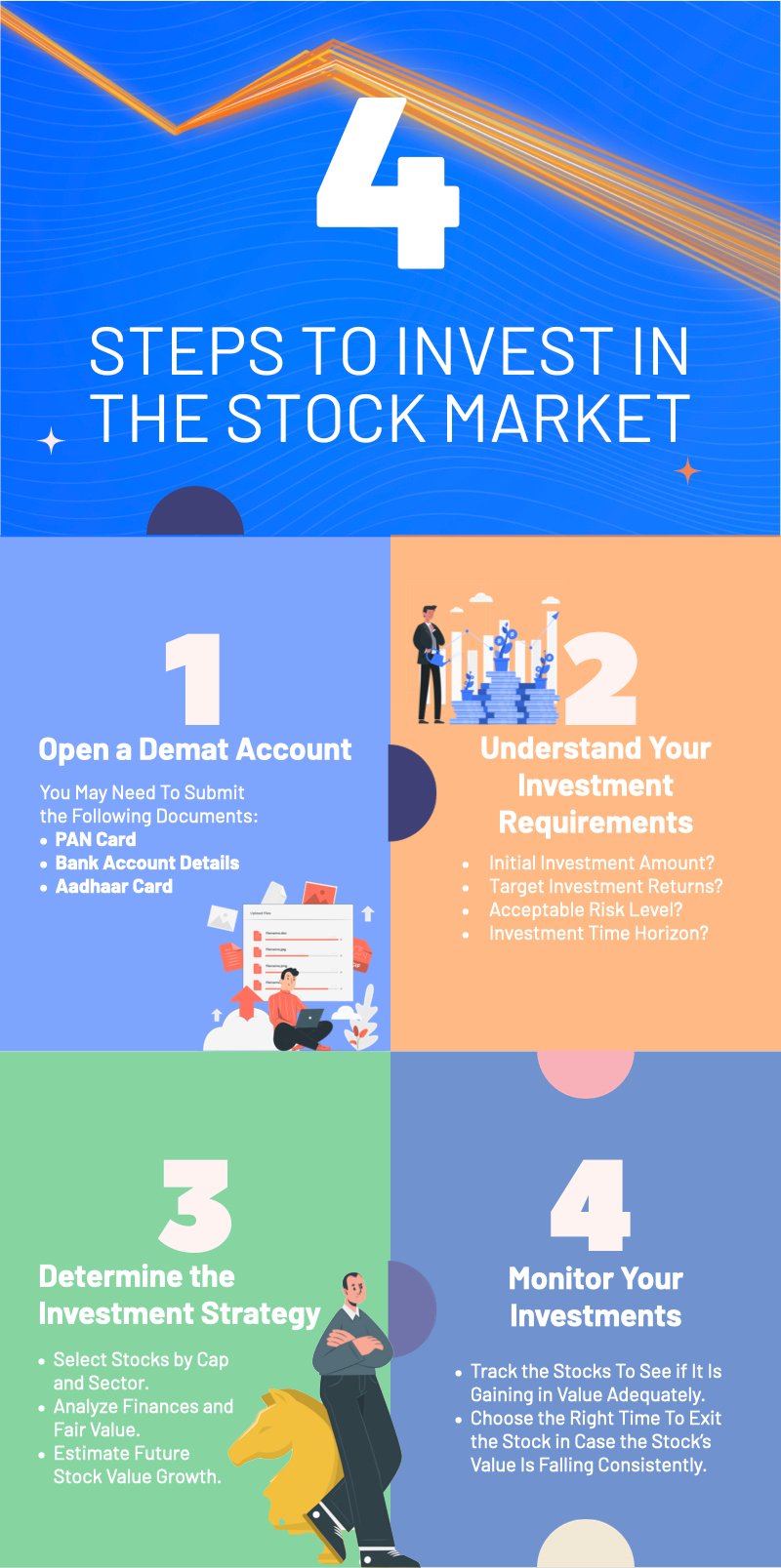
Assessing Risk Tolerance and Financial Goals
Every investor has a unique profile defined by their financial goals and their capacity to endure market swings. Risk tolerance is a combination of two factors: your psychological ability to see your portfolio value drop without panicking, and your financial “risk capacity”—how much money you can actually afford to lose without compromising your lifestyle.
Setting clear goals is the next step. Are you investing for retirement thirty years away, or are you saving for a down payment on a house in five years? The shorter your time horizon, the less exposure you should generally have to volatile stocks, as you may not have enough time to recover from a market downturn.
Building an Emergency Buffer and Managing Debt
The stock market is not a high-interest savings account. Because prices fluctuate, you should never invest money that you might need for an emergency. Financial experts generally recommend having three to six months of living expenses in a liquid savings account before entering the market. Furthermore, addressing high-interest debt, such as credit card balances, is a mathematical necessity. If your debt carries a 20% interest rate and the stock market historically returns 10%, paying off the debt is the superior “investment” with a guaranteed return.
Selecting the Right Investment Approach
Once your foundation is set, you must decide how you will participate in the market. The stock market offers various paths, ranging from “set it and forget it” strategies to deep-dive fundamental analysis.
Passive Investing through Index Funds and ETFs
For the vast majority of individual investors, passive investing is the most effective route. This strategy involves buying index funds or Exchange-Traded Funds (ETFs) that track a specific market segment, such as the S&P 500.
The primary advantage of this approach is diversification. Instead of betting on the success of a single company, you are betting on the growth of the entire economy. Furthermore, index funds typically have lower “expense ratios” (management fees) than actively managed funds. Over time, these low fees can save an investor hundreds of thousands of dollars in lost compounding potential.
Active Stock Picking: Fundamental Analysis
If you have the time and the interest to research individual companies, active investing allows you to hand-pick stocks that you believe will outperform the broader market. This requires a deep dive into fundamental analysis—the process of evaluating a company’s financial health, management team, and competitive “moat.”
When analyzing a stock, investors look at key metrics such as:
- Price-to-Earnings (P/E) Ratio: How much you are paying for every dollar of the company’s profit.
- Revenue Growth: Is the company expanding its top-line sales over time?
- Debt-to-Equity: Does the company have a manageable level of debt relative to its ownership value?
- Free Cash Flow: Does the business generate actual cash that can be used for expansion or returned to shareholders?
Dividend Growth Investing for Cash Flow
Some investors prioritize income over capital appreciation. Dividend stocks are shares of companies that distribute a portion of their earnings back to shareholders on a regular basis. Dividend growth investing focuses on companies that not only pay dividends but consistently increase them year after year. This strategy can provide a growing stream of passive income, which can be particularly beneficial during retirement or for reinvesting to accelerate the power of compounding.
Navigating Brokerages and Account Structures

Where you hold your stocks is just as important as which stocks you buy. The choice of brokerage and account type can have significant implications for your taxes and long-term returns.
Tax-Advantaged vs. Taxable Accounts
In many jurisdictions, the government provides incentives for long-term investing through specific account types. In the United States, for example, 401(k) plans and Individual Retirement Accounts (IRAs) offer tax deductions on contributions or tax-free growth on withdrawals.
A taxable brokerage account, while offering more flexibility (you can withdraw funds at any time without penalty), requires you to pay capital gains taxes on your profits and taxes on any dividends received. A sophisticated investor typically maximizes their tax-advantaged contributions before putting significant capital into a taxable account.
Evaluating Trading Platforms
Modern technology has democratized access to the stock market. When choosing a brokerage, consider the following:
- Commission Fees: Most major brokerages now offer $0 commissions for online stock trades.
- User Experience: Is the mobile app and website intuitive?
- Research Tools: Does the platform provide analyst reports, real-time data, and educational resources?
- Customer Support: Can you reach a human representative if there is an issue with your account?
Executing Your First Trade and Portfolio Construction
Moving from theory to practice involves the actual execution of a trade and the deliberate structuring of your holdings to minimize risk.
Understanding Market and Limit Orders
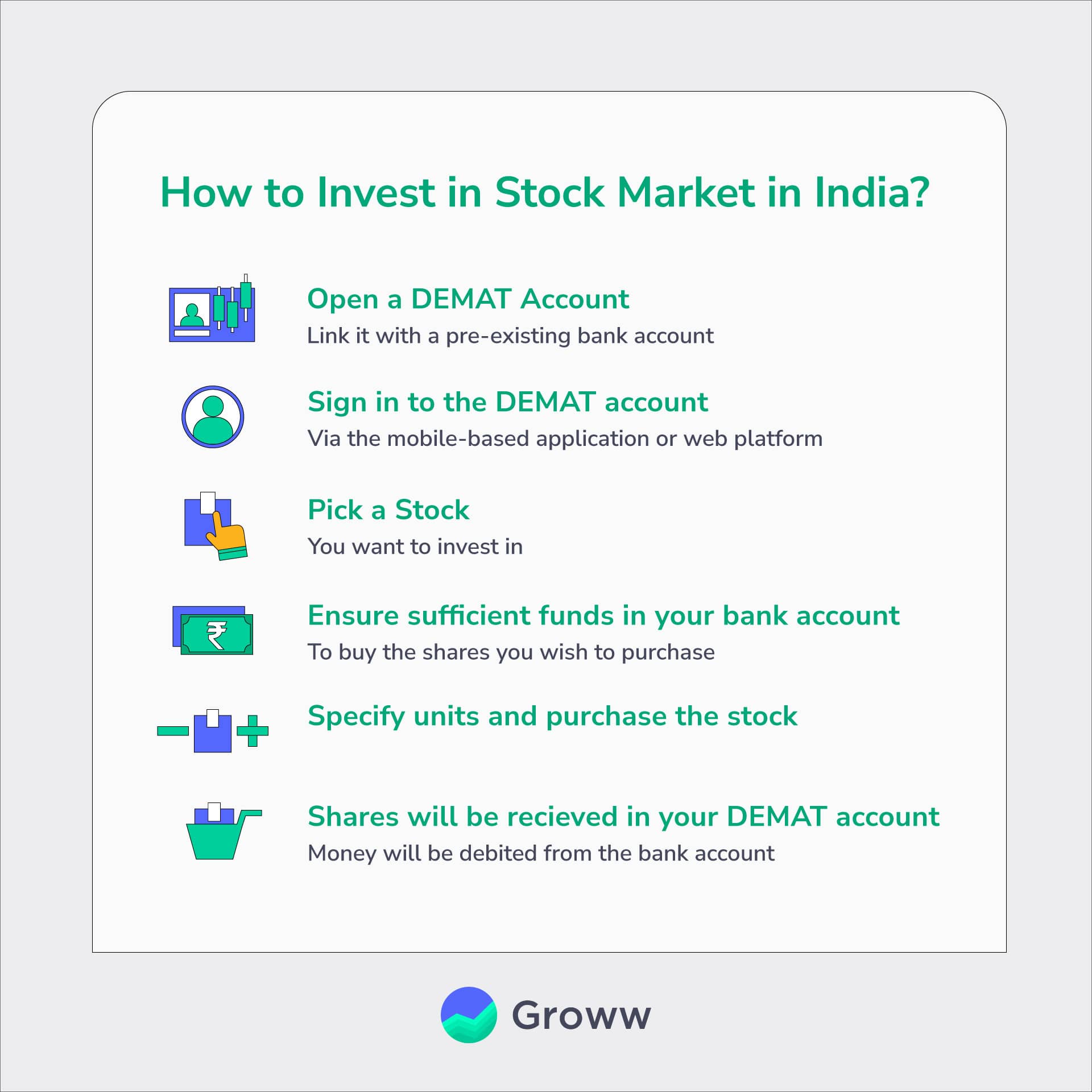
When you are ready to buy a stock, you will encounter different order types. A Market Order instructs the broker to buy the stock immediately at the best available current price. While fast, you may end up paying slightly more than the last quoted price in a fast-moving market.
A Limit Order allows you to set a specific price at which you are willing to buy. If the stock price does not reach your limit, the trade will not execute. This provides price protection but carries the risk that you might miss out on the investment if the stock price moves upward before hitting your limit.
The Importance of Diversification
The only “free lunch” in investing is diversification. By spreading your investments across different sectors (technology, healthcare, energy, consumer staples) and different geographies, you reduce the impact of a single company’s failure on your total portfolio. Even if you are an active stock picker, it is generally recommended not to have more than 5% to 10% of your total wealth in any single stock.
Dollar-Cost Averaging
Many new investors worry about “timing the market”—buying at the peak right before a crash. Dollar-cost averaging (DCA) is a strategy designed to mitigate this fear. By investing a fixed amount of money at regular intervals (e.g., $500 every month), you naturally buy more shares when prices are low and fewer shares when prices are high. This removes the emotional pressure of trying to predict short-term market movements.
Mastering Investment Psychology and Maintenance
The greatest challenge in investing is often not the math, but the psychology. The stock market is a platform where the impatient transfer wealth to the patient.
The Impact of Compound Interest
Albert Einstein famously referred to compound interest as the “eighth wonder of the world.” The process involves earning returns on your initial investment, and then earning returns on those returns. In the early years, the growth may seem slow. However, after a decade or two, the curve steepens dramatically. The key to capturing the full power of compounding is time; the longer you remain invested, the more the math works in your favor.
Managing Emotional Volatility
The market does not move in a straight line. Corrections (drops of 10%) and bear markets (drops of 20% or more) are a natural and necessary part of the economic cycle. Successful investors view these downturns as “sales” rather than disasters. The most common mistake is selling in a panic when prices are low, effectively locking in losses. Developing a “long-term mindset” means focusing on the fundamental value of the businesses you own rather than the daily fluctuations of their ticker symbols.
Portfolio Rebalancing
Over time, some of your investments will perform better than others, causing your portfolio to become lopsided. For example, if your target was 60% stocks and 40% bonds, a massive stock market rally might push your equity exposure to 75%. Rebalancing involves selling a portion of your winning investments and buying more of your underperforming ones to return to your original target. This disciplined approach forces you to “buy low and sell high” on a systematic basis, ensuring that your risk level remains aligned with your original goals.
Investing in stocks is a journey of continuous learning. By starting with a solid foundation, choosing a strategy that fits your personality, and maintaining the discipline to stay invested through all market cycles, you can harness the growth of the world’s most successful companies to secure your financial future.
aViewFromTheCave is a participant in the Amazon Services LLC Associates Program, an affiliate advertising program designed to provide a means for sites to earn advertising fees by advertising and linking to Amazon.com. Amazon, the Amazon logo, AmazonSupply, and the AmazonSupply logo are trademarks of Amazon.com, Inc. or its affiliates. As an Amazon Associate we earn affiliate commissions from qualifying purchases.