
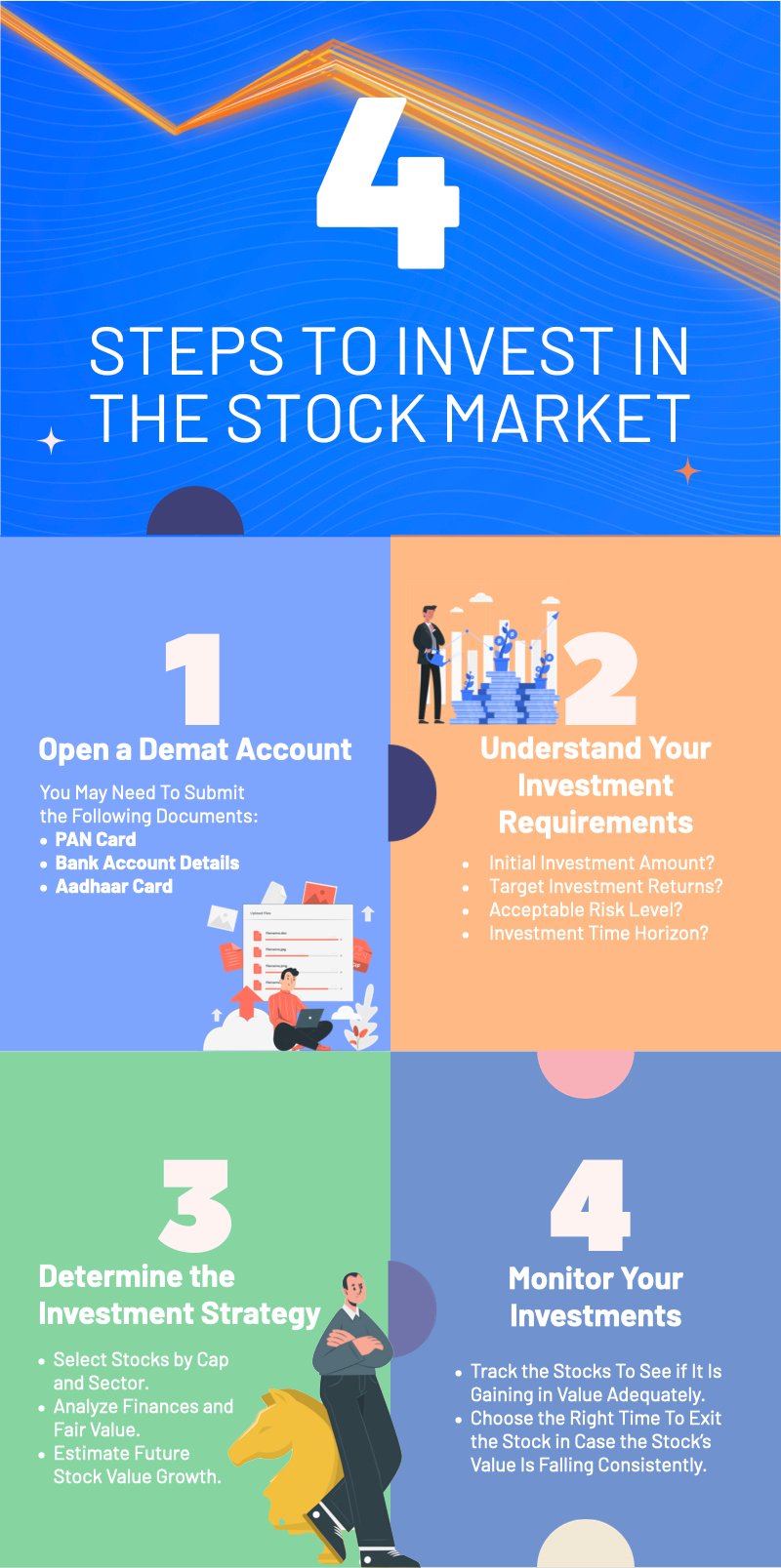
Investing in the stock market can seem daunting, a complex world reserved for financial experts and seasoned traders. However, for many, it represents a powerful avenue for wealth creation, a means to grow savings beyond traditional bank accounts, and a pathway to achieving long-term financial goals. Understanding “how do I invest in stock” is the first critical step in demystifying this process and empowering individuals to take control of their financial future. This comprehensive guide will break down the essentials, offering insights into the fundamentals, practical steps, smart strategies, and crucial considerations for anyone looking to enter the world of stock investing.
Understanding the Fundamentals of Stock Investing
Before diving into the mechanics of buying and selling, it’s essential to grasp what stocks are, why they are a popular investment choice, and to clear up any common misconceptions that might deter potential investors.
What Exactly Are Stocks?
At its core, a stock (also known as equity) represents a fractional ownership interest in a company. When you buy a share of stock, you become a part-owner of that company. Companies issue stock to raise capital, which they then use to fund operations, expand, develop new products, or repay debt. As an owner, you gain certain rights, such as voting on company matters (for common stock) and potentially receiving a portion of the company’s profits in the form of dividends. The value of your stock can increase (or decrease) based on the company’s performance, industry trends, economic conditions, and market sentiment.
Why Consider Investing in Stocks?
The primary allure of stock investing lies in its potential for significant returns over the long term. Historically, the stock market has outperformed most other asset classes, including bonds and savings accounts, making it a powerful tool for combating inflation and growing wealth.
- Capital Appreciation: The most common way investors profit is when the value of their shares increases. If you buy a stock at $50 and sell it later at $70, you’ve made a $20 profit per share (excluding fees).
- Dividends: Many established companies distribute a portion of their earnings to shareholders as dividends. These can be a source of regular income and, when reinvested, can significantly boost long-term returns through compounding.
- Inflation Hedge: Over time, inflation erodes the purchasing power of money. Stocks, particularly those of companies with strong pricing power, can often provide returns that outpace inflation, preserving and growing real wealth.
Dispelling Common Misconceptions
Many people shy away from stock investing due to myths:
- “It’s too risky”: While stocks carry risk, it can be managed through diversification and a long-term perspective. Short-term speculation is risky, but long-term investment in a diversified portfolio is generally less so.
- “You need a lot of money to start”: This is no longer true. Many brokerage firms allow you to open accounts with small amounts, and fractional shares enable you to buy portions of expensive stocks.
- “It’s like gambling”: Investing is based on research and analysis of underlying company fundamentals and market trends, not random chance. While no investment is guaranteed, it’s far removed from gambling when approached strategically.
Laying the Groundwork: Preparing for Your Investment Journey
Successful stock investing isn’t just about picking the right company; it starts with a robust personal financial foundation and a clear understanding of your own goals and limitations.
Defining Your Financial Goals and Risk Tolerance
Before you invest a single dollar, ask yourself: Why am I investing?
- Short-term vs. Long-term Goals: Are you saving for a down payment on a house in five years, or retirement in 30 years? Your timeline dictates your investment strategy and risk appetite. Longer timelines generally allow for more aggressive, growth-oriented investments, as there’s more time to recover from market downturns.
- Risk Tolerance: How comfortable are you with the idea of your investment losing value? Everyone has a different level of comfort. A high-risk tolerance might lead you to individual growth stocks, while a low-risk tolerance might favor diversified index funds or dividend-paying stocks. Be honest with yourself; understanding this helps prevent panic selling during market volatility.
Budgeting and Emergency Funds: Essential Prerequisites
Investing should never compromise your immediate financial stability.
- Solid Budget: Ensure you have a clear understanding of your income and expenses. Only invest money you can comfortably afford to lose, or at least money you won’t need in the immediate future.
- Emergency Fund: Before investing, prioritize building an emergency fund. This typically means having 3-6 months’ worth of living expenses saved in an easily accessible, liquid account (like a savings account). This fund acts as a financial safety net, preventing you from having to sell investments at an inopportune time if an unexpected expense arises.
Choosing the Right Investment Account
The type of account you open depends on your goals and tax situation.
- Brokerage Account (Taxable Account): This is the most common type of account for general investing. It offers flexibility but any capital gains or dividends are generally subject to taxes in the year they are realized.
- Retirement Accounts (Tax-Advantaged):
- IRA (Individual Retirement Account): Traditional IRAs offer tax-deductible contributions, with taxes paid upon withdrawal in retirement. Roth IRAs feature after-tax contributions, with qualified withdrawals in retirement being tax-free.
- 401(k) or 403(b): Employer-sponsored plans that offer significant tax advantages and often come with employer matching contributions, which is essentially “free money” for your retirement.
- These accounts are designed for long-term retirement savings and come with rules regarding withdrawals.
Navigating the Investment Landscape: Where and How to Buy
Once your financial foundation is solid, the next step is to choose your investment platform and understand the various ways to participate in the stock market.

Selecting a Reputable Brokerage Firm
A brokerage firm is an intermediary that facilitates the buying and selling of securities. Your choice largely depends on the level of service you require and the fees you’re willing to pay.
- Discount Brokerage Firms: These are ideal for self-directed investors. They offer low (often zero) commission trades, a wide range of investment products, and robust online platforms. Examples include Charles Schwab, Fidelity, Vanguard, and Robinhood.
- Full-Service Brokerage Firms: These firms offer personalized advice, financial planning, and managed portfolios, often at a higher cost. They are suitable for investors who prefer a hands-off approach and professional guidance.
- Robo-Advisors: These platforms use algorithms to manage your investments based on your financial goals and risk tolerance. They offer automated portfolio management at a lower cost than traditional financial advisors. Examples include Betterment and Wealthfront.
When choosing, consider fees, minimum deposit requirements, available investment products, customer service, and ease of use of their platform.
Understanding Different Investment Vehicles
You don’t have to buy individual stocks right away. Different vehicles offer varying levels of diversification and risk.
- Individual Stocks: Buying shares of specific companies (e.g., Apple, Microsoft). This requires significant research and carries higher risk but also potential for higher returns if your chosen companies perform well.
- Exchange-Traded Funds (ETFs): These are baskets of securities (like stocks, bonds, or commodities) that trade on exchanges like individual stocks. ETFs offer instant diversification at a low cost. For instance, an S&P 500 ETF tracks the performance of the 500 largest U.S. companies.
- Mutual Funds: Professionally managed portfolios of stocks, bonds, or other investments. They are pooled investments from many investors. Mutual funds are typically actively managed (meaning a fund manager makes buy/sell decisions), though passively managed index mutual funds also exist. They often have higher fees than ETFs and trade only once a day after the market closes.
- Index Funds: A type of mutual fund or ETF that aims to replicate the performance of a specific market index (e.g., S&P 500, Dow Jones Industrial Average). They are passively managed, have low fees, and are an excellent choice for broad market exposure and long-term growth.
The Mechanics of Placing a Trade
Once your account is set up and funded:
- Research: Use your brokerage firm’s tools or independent financial news sources to research potential investments.
- Select Your Investment: Decide whether you want to buy individual stocks, an ETF, or a mutual fund.
- Place an Order:
- Market Order: Buys or sells shares at the best available current price. This executes immediately but the price might fluctuate.
- Limit Order: Specifies the maximum price you’re willing to pay (for buying) or the minimum price you’re willing to accept (for selling). The order will only execute if the stock reaches that price or better.
- Confirm: Review your order details before executing the trade.
Strategies for Smart Stock Investing
Successful stock investing is rarely about “getting rich quick.” It’s about implementing sound, disciplined strategies over time.
The Power of Diversification
This is arguably the most crucial principle in investing: “Don’t put all your eggs in one basket.”
- Across Companies: Invest in multiple companies across different industries to avoid over-reliance on a single business’s success.
- Across Asset Classes: While this article focuses on stocks, a truly diversified portfolio might also include bonds, real estate, or other alternative investments.
- Geographical Diversification: Invest in companies from various countries to reduce exposure to the economic risks of any single region.
ETFs and mutual funds are excellent tools for achieving instant diversification with less effort than buying individual stocks.
Long-Term vs. Short-Term Approaches
- Long-Term Investing (Buy and Hold): This strategy involves buying quality assets and holding them for many years (often decades). It leverages the power of compounding and reduces the impact of short-term market volatility. This is the recommended approach for most individual investors.
- Short-Term Trading: This involves frequently buying and selling stocks to profit from price fluctuations. It requires significant time, research, and expertise, and is generally much riskier for novice investors. It’s often associated with higher transaction costs and potential for greater losses.
Research and Due Diligence: Informed Decision-Making
For individual stock pickers, thorough research is paramount.
- Company Fundamentals: Look at financial statements (income statements, balance sheets, cash flow statements), earnings reports, revenue growth, profit margins, and debt levels.
- Industry Analysis: Understand the competitive landscape, growth prospects, and challenges within the industry where the company operates.
- Management Team: Assess the experience and track record of the company’s leadership.
- Valuation: Compare the company’s valuation metrics (e.g., Price-to-Earnings ratio, Price-to-Book ratio) against its peers and historical averages to determine if it’s over or undervalued.
For those investing in ETFs or mutual funds, understand the fund’s objective, underlying holdings, expense ratio (annual fee), and historical performance.
The Importance of Regular Contributions (Dollar-Cost Averaging)
Dollar-cost averaging is a strategy where you invest a fixed amount of money at regular intervals, regardless of market fluctuations.
- Mitigates Risk: By investing consistently, you buy more shares when prices are low and fewer when prices are high, averaging out your purchase price over time. This reduces the risk of investing a large sum at an unfortunate peak.
- Simplifies Decisions: It removes the need to “time the market,” which is notoriously difficult even for professionals.
- Promotes Discipline: Regular contributions foster a disciplined savings habit, building wealth steadily over time.
Managing Risks and Sustaining Growth
Investing isn’t a “set it and forget it” endeavor entirely. While long-term investing advocates for minimal tinkering, regular review and a proactive approach to risk management are crucial for sustained growth.
Identifying and Mitigating Investment Risks
Every investment carries some level of risk.
- Market Risk: The risk that the overall stock market declines, affecting even good companies. Diversification and a long-term horizon help mitigate this.
- Company-Specific Risk: The risk that an individual company performs poorly due to bad management, competition, or specific issues. Diversification across multiple stocks helps manage this.
- Inflation Risk: The risk that your investment returns don’t keep pace with inflation, eroding your purchasing power. Growth-oriented stocks and inflation-protected securities can help here.
- Liquidity Risk: The risk that you can’t easily sell an investment without significantly impacting its price. Most publicly traded stocks are highly liquid.
- Interest Rate Risk: Changes in interest rates can impact stock valuations, especially for interest-sensitive sectors.
Monitoring Your Portfolio and Rebalancing
While “buy and hold” doesn’t mean ignoring your investments, it does imply less frequent action.
- Periodic Review: Annually or semi-annually, review your portfolio to ensure it still aligns with your financial goals and risk tolerance. Major life events (marriage, children, job change) might necessitate a more immediate review.
- Rebalancing: Over time, some assets in your portfolio may grow faster than others, shifting your asset allocation away from your target. Rebalancing involves selling a portion of your overperforming assets and buying more of your underperforming ones to restore your desired allocation. This helps manage risk and can be a disciplined way to “buy low and sell high.”
Continuous Learning and Adapting
The financial world is dynamic. Market conditions, economic landscapes, and innovative companies constantly evolve.
- Stay Informed: Read financial news, reputable investment books, and educational resources. Understand economic indicators and their potential impact on your investments.
- Adjust as Needed: Be prepared to adapt your strategy if your financial situation, goals, or the market environment undergoes significant changes. However, avoid impulsive decisions based on short-term market noise.
Investing in stocks is a journey that requires patience, discipline, and continuous learning. By understanding the fundamentals, building a strong financial foundation, choosing appropriate investment vehicles, and employing smart strategies, you can confidently answer the question, “how do I invest in stock?” and embark on a path towards achieving your financial aspirations. Remember, the best time to start investing was yesterday; the second best time is today.
aViewFromTheCave is a participant in the Amazon Services LLC Associates Program, an affiliate advertising program designed to provide a means for sites to earn advertising fees by advertising and linking to Amazon.com. Amazon, the Amazon logo, AmazonSupply, and the AmazonSupply logo are trademarks of Amazon.com, Inc. or its affiliates. As an Amazon Associate we earn affiliate commissions from qualifying purchases.