
Securing a business loan is a pivotal step for countless entrepreneurs and established companies looking to grow, innovate, or simply manage cash flow effectively. From startups needing initial capital to mature businesses expanding operations, external funding often acts as the fuel for progress. However, the lending landscape can appear vast and complex, making the initial question “Where can I get a business loan?” both fundamental and daunting. This comprehensive guide aims to demystify the process, illuminating the diverse array of funding sources available and equipping you with the knowledge to make informed decisions for your business’s financial future.
Understanding the Landscape of Business Loans
Before diving into specific lenders, it’s crucial to grasp the fundamental types of business loans and the overarching considerations that will shape your search. Not all loans are created equal, and the “best” option is highly dependent on your business’s unique needs, stage, and financial health.
Why Business Loans Matter
Business loans serve a multitude of purposes, each vital for different stages of a company’s lifecycle. For nascent businesses, a startup loan might cover initial operational costs, equipment purchases, or inventory. Established businesses might seek working capital loans to bridge seasonal gaps, equipment financing for new machinery, or lines of credit for flexible spending. Growth-focused companies often leverage expansion loans, real estate loans, or even acquisition financing to scale rapidly. Understanding your specific need is the first step in identifying the right type of loan. Beyond immediate financial relief, securing a business loan can also build your company’s credit history, opening doors to more favorable terms and larger sums in the future.
Key Considerations Before Seeking Funding
Before you even begin approaching lenders, a thorough internal assessment is non-negotiable. Lenders will want to see a clear picture of your business’s financial standing and future prospects. This includes a robust business plan outlining your strategy, market analysis, and financial projections. You’ll also need to evaluate your personal and business credit scores, as these are critical indicators of creditworthiness. Understanding your capacity for repayment, your desired loan amount, and how quickly you need the funds will significantly narrow down your options. Furthermore, consider the collateral you might be able to offer and whether you’re comfortable with personal guarantees, as these often influence loan approval and interest rates.
Traditional Lenders: Banks and Credit Unions
For many, the first thought when seeking a business loan turns to traditional financial institutions. Banks and credit unions have historically been the backbone of business lending, offering a wide array of products often characterized by competitive interest rates and structured terms.
Pros and Cons of Bank Loans
Pros:
- Lower Interest Rates: Generally, traditional banks offer some of the lowest interest rates, especially for well-established businesses with strong credit.
- Higher Loan Amounts: Banks are often equipped to lend larger sums, making them suitable for significant investments like real estate purchases or major expansions.
- Structured Repayment Terms: Typically, bank loans come with predictable monthly payments over a fixed term, simplifying budgeting.
- Relationship Building: Establishing a relationship with a local bank can lead to other financial services and future lending opportunities.
Cons:
- Strict Eligibility Requirements: Banks usually have stringent criteria regarding credit scores, business history, collateral, and revenue, which can be challenging for startups or businesses with less-than-perfect credit.
- Lengthy Application Process: The due diligence required by banks means the application and approval process can be time-consuming, sometimes taking weeks or even months.
- Extensive Documentation: Expect to provide a detailed business plan, comprehensive financial statements, tax returns, and possibly personal financial information.
- Collateral and Personal Guarantees: Many bank loans, particularly for smaller businesses, will require significant collateral and/or personal guarantees from the business owners, putting personal assets at risk.
Navigating the Application Process for Traditional Loans
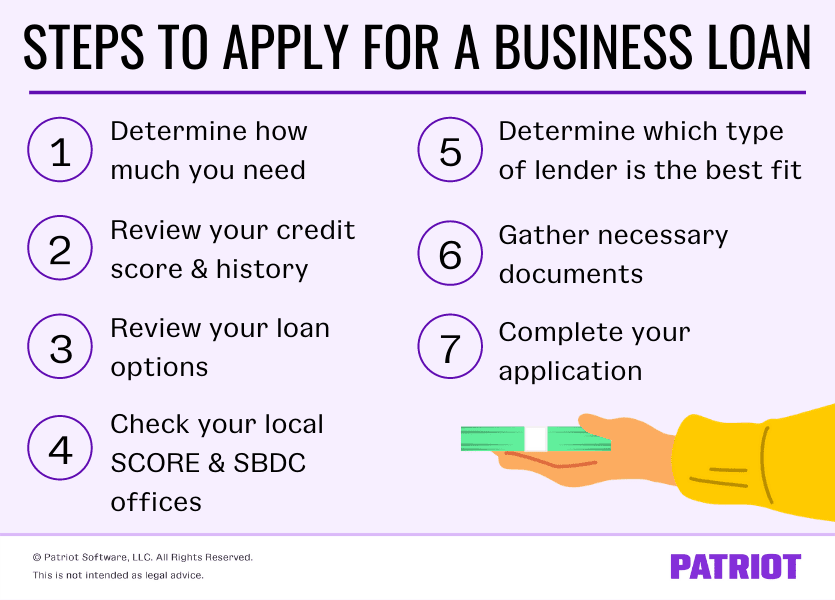
To maximize your chances with a traditional lender, preparation is paramount. Start by developing a clear and concise business plan that details your mission, market, management team, and financial projections. Gather all necessary financial documents, including income statements, balance sheets, cash flow statements, and tax returns for the past several years. Be prepared to discuss how the loan will be used and how it will contribute to your business’s profitability. Consider reaching out to a business banking specialist at your chosen institution, as they can guide you through their specific requirements and help tailor a suitable loan product. Demonstrating a strong understanding of your financial health and a clear repayment strategy will significantly strengthen your application.
The Rise of Online and Alternative Lenders
In recent years, the lending landscape has diversified dramatically with the emergence of online platforms and various alternative funding solutions. These options often cater to businesses that might not qualify for traditional bank loans or those needing quicker access to capital.
Fintech Companies and Online Platforms
Online lenders have disrupted the traditional banking model by leveraging technology to streamline the application and approval process. Companies like OnDeck, Funding Circle, and Kabbage offer various loan products, including term loans, lines of credit, and invoice financing.
Pros:
- Faster Approval and Funding: Many online lenders can provide decisions within hours or days, with funds disbursed shortly thereafter.
- Less Stringent Requirements: They often have more flexible eligibility criteria, making them accessible to startups, businesses with shorter operating histories, or those with lower credit scores.
- Simplified Application Process: Applications are typically online and require less paperwork than traditional banks.
- Variety of Products: Online platforms offer a diverse range of niche products tailored to specific business needs.
Cons:
- Higher Interest Rates: The convenience and increased risk tolerance often come with higher interest rates and fees compared to bank loans.
- Shorter Repayment Terms: Some online loans may have shorter repayment periods, leading to higher monthly payments.
- Less Personal Interaction: While efficient, the process can be less personalized than working with a dedicated bank lender.
Government-Backed Programs and Microloans
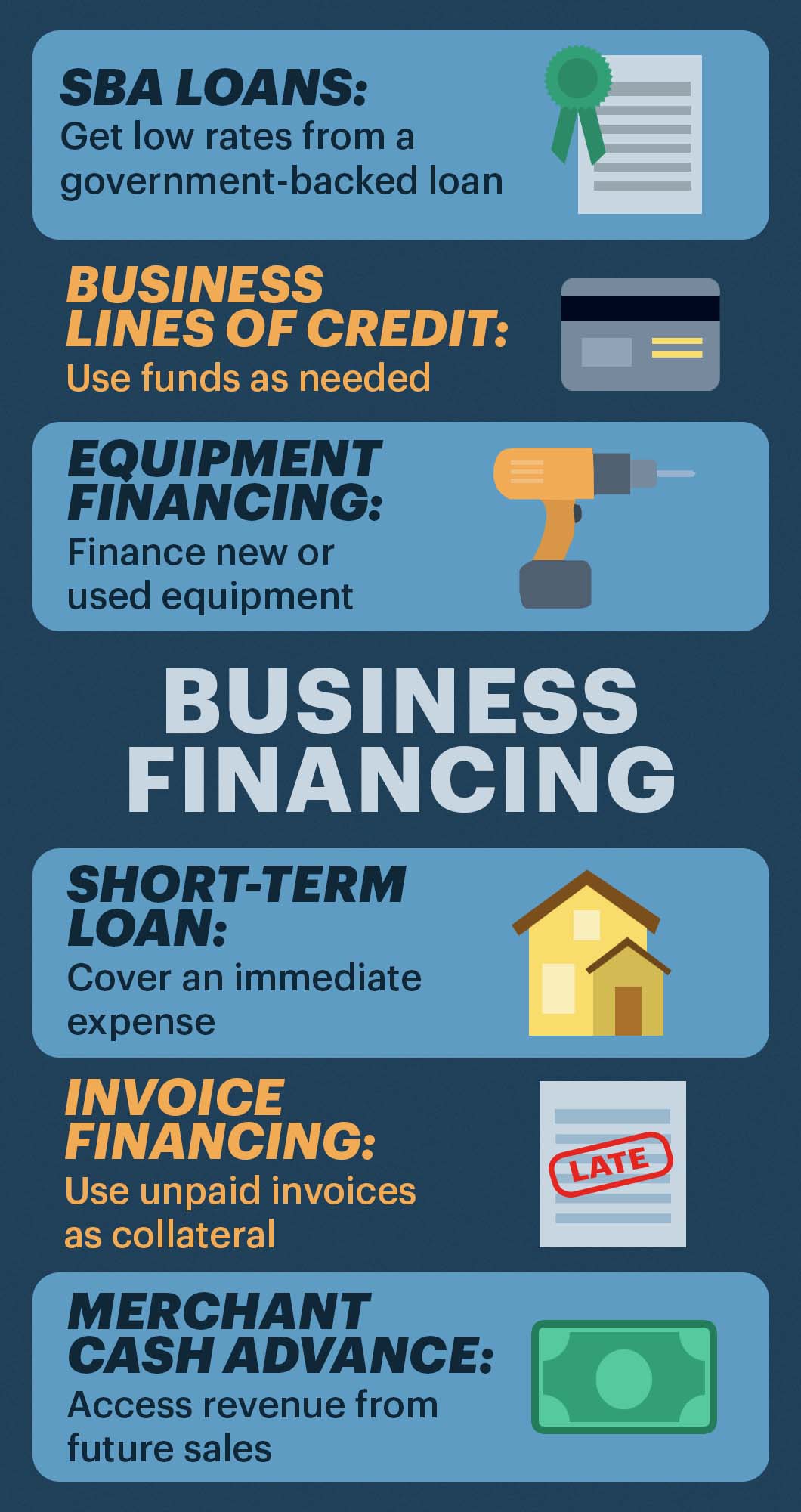
For small businesses, particularly those facing challenges securing traditional financing, government-backed loan programs can be invaluable. In the U.S., the Small Business Administration (SBA) is a prime example, offering various loan guarantee programs (e.g., SBA 7(a), CDC/504) that reduce risk for lenders, making them more willing to lend to small businesses. While the SBA doesn’t lend directly (except for disaster relief), it partners with banks and other lenders to facilitate these loans.
Microloans, offered by non-profit organizations and community development financial institutions (CDFIs), provide small amounts of capital (typically under $50,000) to startups and small businesses, often those in underserved communities or run by women and minorities. These often come with lower interest rates and provide business support services alongside the funding.
Other Nontraditional Funding Avenues
Beyond loans, several other financing options exist:
- Invoice Factoring/Financing: Selling your unpaid invoices to a third party (a factor) for immediate cash, minus a fee. Useful for businesses with slow-paying clients.
- Merchant Cash Advances (MCAs): An advance on your future credit card sales. Repayment is typically a percentage of daily credit card transactions. While quick and accessible, MCAs often have very high effective interest rates.
- Equipment Financing: Loans specifically for purchasing machinery or equipment, using the equipment itself as collateral.
- Crowdfunding: Raising small amounts of capital from a large number of individuals, often via online platforms. Can be donation-based, reward-based, equity-based, or debt-based.
- Venture Capital/Angel Investors: Equity-based financing for high-growth potential businesses, where investors take an ownership stake in exchange for capital. Less common for traditional loans, but a significant source for scalable startups.
Preparing for Your Loan Application: What Lenders Look For
Regardless of the type of lender you approach, a well-prepared application significantly increases your chances of approval. Lenders want confidence that their investment is secure and will be repaid.
Essential Documents and Financial Projections
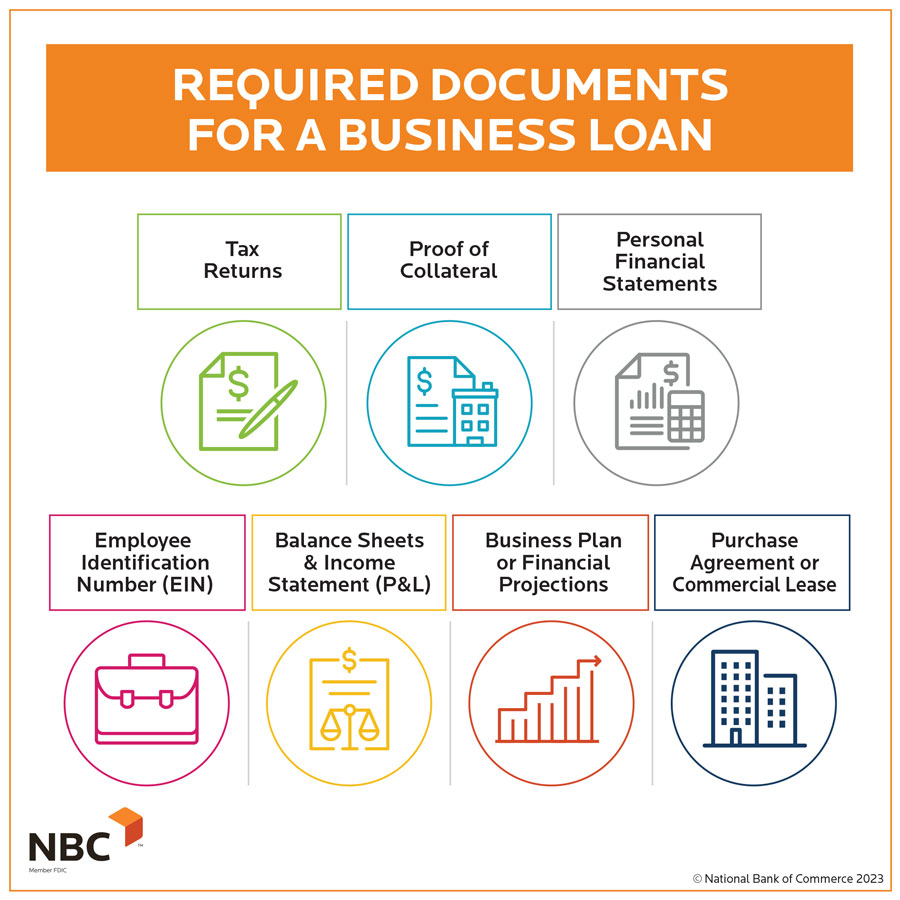
To present a complete picture of your business, you’ll need to gather a comprehensive set of documents:
- Business Plan: Outlines your business model, market analysis, marketing strategy, and management team.
- Financial Statements: Profit & Loss statements, balance sheets, and cash flow statements, ideally for the past 2-3 years, and up-to-date interim statements.
- Tax Returns: Business and personal tax returns for the past 2-3 years.
- Bank Statements: Business bank statements for recent months to show cash flow patterns.
- Legal Documents: Business licenses, articles of incorporation, leases, and contracts.
- Personal Financial Statement: An overview of your personal assets, liabilities, and net worth.
- Collateral Documentation: If offering collateral, proof of ownership and valuation.
- Loan Request/Purpose Statement: A clear explanation of why you need the loan and how you plan to use the funds.
Additionally, realistic and well-supported financial projections (e.g., revenue forecasts, expense budgets) are crucial for demonstrating your business’s future viability and repayment capacity.
Understanding Your Creditworthiness
Lenders assess two primary types of credit:
- Business Credit Score: Built on your business’s payment history with suppliers, vendors, and other creditors. Dun & Bradstreet PAYDEX score, Experian Intelliscore, and FICO Small Business Scoring Service (SBSS) are common examples. A strong business credit score indicates reliability.
- Personal Credit Score: For small and medium-sized businesses, your personal credit score (FICO score, VantageScore) is often heavily weighed, especially if the business is young or you are providing a personal guarantee. A score of 680+ is generally considered good, while 720+ is excellent.
Monitor both your business and personal credit reports regularly for accuracy and work to improve any areas of concern before applying for a loan.
Crafting a Compelling Business Plan
Your business plan isn’t just a formality; it’s your story and your roadmap. A well-written plan convinces lenders that you have a viable business model, a clear path to profitability, and the management expertise to execute your strategy. It should articulate:
- Executive Summary: A concise overview of your entire plan.
- Company Description: What your business does, its mission, and its legal structure.
- Market Analysis: Understanding your industry, target market, and competitive landscape.
- Organization and Management: Your team’s experience and roles.
- Service or Product Line: Detailed description of what you offer.
- Marketing and Sales Strategy: How you will reach customers and generate revenue.
- Funding Request: How much money you need, how you’ll use it, and how it will be repaid.
- Financial Projections: Forecasts of future performance based on realistic assumptions.
A strong business plan demonstrates your professionalism, foresight, and commitment, greatly enhancing your appeal to potential lenders.
Making the Right Choice: Selecting the Best Loan for Your Business
With numerous options available, choosing the right business loan requires careful evaluation beyond just getting approved. The “best” loan is one that aligns perfectly with your business’s financial situation, growth trajectory, and risk tolerance.
Comparing Interest Rates and Terms
It’s tempting to focus solely on the advertised interest rate, but it’s crucial to look at the Annual Percentage Rate (APR), which includes all fees and charges, giving you a more accurate picture of the total cost of borrowing. Also, consider:
- Loan Term: Shorter terms mean higher monthly payments but less total interest paid. Longer terms offer lower monthly payments but accumulate more interest over time.
- Repayment Schedule: Daily, weekly, or monthly payments. Understand what fits your cash flow.
- Fees: Origination fees, closing costs, administrative fees, late payment fees, and prepayment penalties can significantly impact the overall cost.
- Collateral Requirements: What assets are you pledging? Are you comfortable with the risk?
- Covenants: Specific conditions or restrictions imposed by the lender (e.g., maintaining certain financial ratios).
Create a detailed comparison spreadsheet for all potential loans, outlining these factors to see a side-by-side comparison of the true costs and commitments.
Assessing Lender Reputation and Support
Beyond the numbers, the lender itself matters. Research their reputation by reading reviews, checking industry standing, and looking for any complaints with regulatory bodies. A good lender will be transparent about their terms, responsive to your questions, and supportive throughout the loan process. Consider their level of customer service and whether they offer any additional resources or advice for small businesses. A lender that understands your industry and business model can be a valuable partner, not just a source of funds.
The Importance of Professional Advice
Navigating the complexities of business finance can be overwhelming. Don’t hesitate to seek advice from financial professionals. A certified public accountant (CPA) can help you prepare accurate financial statements and projections, evaluate the tax implications of different loan structures, and assess your repayment capacity. A business advisor or mentor can offer insights into suitable funding sources for your specific industry and stage of growth. Even a financial consultant specializing in small business lending can help you understand the fine print, negotiate terms, and ultimately choose the best financial path forward for your enterprise. Their expertise can save you time, money, and potential headaches in the long run.
In conclusion, finding the right business loan is a strategic decision that requires diligent research, thorough preparation, and a clear understanding of your business’s financial health and future needs. By exploring both traditional and alternative lenders, meticulously preparing your application, and comparing options critically, you can secure the capital necessary to propel your business toward sustained success and growth.
aViewFromTheCave is a participant in the Amazon Services LLC Associates Program, an affiliate advertising program designed to provide a means for sites to earn advertising fees by advertising and linking to Amazon.com. Amazon, the Amazon logo, AmazonSupply, and the AmazonSupply logo are trademarks of Amazon.com, Inc. or its affiliates. As an Amazon Associate we earn affiliate commissions from qualifying purchases.