
In an increasingly digital world, the allure of establishing an online business has captivated countless aspiring entrepreneurs. The promise of flexibility, scalability, and direct access to a global market presents an unprecedented opportunity for wealth creation and financial independence. However, the path to a successful online venture is not merely about having a great idea or a captivating product; it is fundamentally about astute financial planning, strategic investment, and diligent management of every dollar spent and earned.
Opening an online business is, at its core, an exercise in financial engineering. From the initial conceptualization of a profitable niche to scaling operations and managing long-term growth, every decision has a direct impact on the bottom line. This comprehensive guide will navigate the financial landscape of launching and nurturing an online business, offering insights into capital allocation, revenue generation, cost control, and the critical financial discipline required to thrive in the digital economy. It’s a roadmap for transforming a nascent idea into a robust, financially viable enterprise.
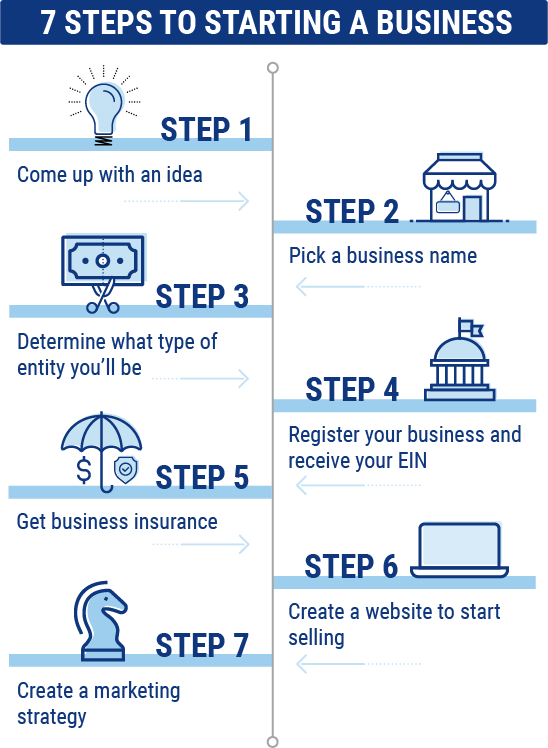
Laying the Financial Foundation: Ideation and Market Validation for Profit
Before any code is written or product is sourced, the financial viability of your online business concept must be meticulously assessed. This foundational stage is not just about brainstorming ideas; it’s about identifying where money meets demand and understanding the inherent financial implications of various business models.
Identifying Profitable Niches: Where Money Meets Demand
The digital marketplace is vast, but not all niches are equally lucrative. A financially astute entrepreneur begins by researching market gaps and unmet needs where customers are demonstrably willing to spend money. This involves analyzing market trends, consumer spending habits, and the competitive landscape from a financial perspective.
- Market Research for Revenue Potential: Instead of simply looking for popular topics, focus on pain points that consumers are actively searching for solutions to and, critically, willing to pay for. Tools like Google Keyword Planner, SEMrush, and Ahrefs can reveal search volumes and competitive advertising costs, indicating areas of high commercial intent. Analyzing competitor pricing strategies and their customer reviews can also provide insights into perceived value and willingness-to-pay.
- Assessing Target Audience Spending Power: Understanding your ideal customer isn’t just about demographics; it’s about psychographics related to their disposable income and purchasing habits. Are you targeting a market segment with discretionary income for premium products, or are you aiming for mass appeal with lower-priced, high-volume sales? This directly impacts your pricing strategy and projected revenue.
- Niche Profitability vs. Passion: While passion is a driver, it must be tempered with profitability. A niche might be interesting, but if the market size is too small, the competition too fierce for a newcomer to gain traction, or the potential profit margins too thin after accounting for costs, it may not be a financially sound endeavor. Prioritize niches that demonstrate a clear path to generating sustainable income.
Cost-Benefit Analysis of Business Models
Different online business models carry vastly different financial structures, startup costs, operational expenses, and profit potential. A thorough cost-benefit analysis is crucial to select the model that best aligns with your financial resources and long-term objectives.
- Dropshipping and E-commerce: While seemingly low-cost to start (no inventory), dropshipping involves marketing expenses, payment gateway fees, and often lower profit margins due to reseller pricing. Traditional e-commerce with inventory requires upfront capital for purchasing goods, warehousing, and shipping, but often allows for higher profit margins and greater control over product quality and branding. The financial decision hinges on your capital availability, risk tolerance, and desired profit margins.
- Digital Products and Services: Creating and selling digital products (e-books, online courses, software) or offering services (consulting, freelance writing, web design) often boasts the highest profit margins, as the primary cost is time and intellectual capital. Once created, digital products can be replicated at near-zero marginal cost. However, the initial investment in skill development, marketing, and platform fees must be factored in.
- Affiliate Marketing and Content Creation: These models generally have very low startup costs, primarily revolving around website hosting, domain registration, and content creation tools. Revenue is generated through commissions or advertising, making scalability a key financial consideration. Building an audience and trust takes significant time, impacting the initial return on investment.
Calculating Startup Costs and Initial Investment
One of the most critical financial steps is to meticulously itemize all potential startup expenses. Underestimating these costs is a common pitfall that can derail an online business before it even launches.
- Essential Infrastructure: This includes domain registration (annual fee), website hosting (monthly/annual), website builder/e-commerce platform subscriptions (Shopify, WordPress, Wix, etc.), and potentially professional theme/template purchases.
- Tools and Software: Consider subscriptions for email marketing platforms, graphic design tools, project management software, accounting software, and customer relationship management (CRM) systems.
- Legal and Administrative Fees: Registration of your business entity (LLC, sole proprietorship), obtaining necessary licenses or permits, and potentially consulting a lawyer for terms and conditions, privacy policies, or intellectual property protection. These are often one-time but essential costs.
- Initial Marketing and Advertising: Budget for initial outreach, social media advertising, search engine marketing, or influencer collaborations to gain early traction. This is an investment in customer acquisition.
- Product/Service Development Costs: If you’re creating a product, this includes research and development, prototyping, manufacturing (for physical goods), or the time invested in creating digital content or developing service offerings. For physical goods, initial inventory purchase is a significant upfront cost.
A comprehensive spreadsheet detailing these expected costs, along with a contingency fund of 15-20% for unforeseen expenses, is invaluable. This sum represents your initial investment, a critical number that informs your funding strategy.
Funding Your Digital Venture: Securing Capital and Managing Cash Flow
Once you have a clear understanding of your initial financial requirements, the next step is to secure the necessary capital and establish robust cash flow management practices. How you fund your business directly impacts its financial health and your ownership stake.
Self-Funding, Bootstrapping, and Lean Operations
For many online entrepreneurs, self-funding or “bootstrapping” is the preferred route. This involves using personal savings or income from other sources to finance the business.
- Advantages of Bootstrapping: Retaining full ownership and control, avoiding debt, and fostering a lean, resourceful mindset from day one. It forces you to prioritize essential spending and seek cost-effective solutions.
- Strategies for Lean Operations: Minimize overhead by leveraging free or freemium tools initially, outsourcing non-core functions judiciously, and delaying major investments until revenue streams are established. Focus on minimum viable products (MVPs) to test market demand before committing significant capital. Prioritize activities that directly generate revenue or drastically reduce costs. Every expense must be justified by its direct contribution to profit or operational efficiency.
- Managing Personal Finances Alongside Business: When self-funding, it’s crucial to separate personal and business finances. Establish a dedicated business bank account and track all income and expenses meticulously. This not only simplifies accounting but also provides a clear picture of the business’s financial performance distinct from your personal financial health.
Exploring External Funding Options
While bootstrapping is ideal, some online businesses, particularly those requiring significant upfront inventory, technology development, or aggressive marketing, may require external capital.
- Small Business Loans: Traditional banks or online lenders offer various loan products. Understanding interest rates, repayment schedules, and collateral requirements is paramount. Evaluate the long-term financial commitment and the impact on your business’s cash flow.
- Angel Investors and Venture Capital (VC): For high-growth potential startups, these investors provide capital in exchange for equity. While offering significant funding and mentorship, this means relinquishing a portion of ownership and potentially control. The financial negotiation involves valuation, equity dilution, and exit strategies. This path is generally more suitable for ventures with substantial scalability and defensible competitive advantages.
- Grants and Crowdfunding: Grants (government or private) can be non-dilutive capital but are often highly competitive and specific to certain industries or objectives. Crowdfunding (e.g., Kickstarter, Indiegogo) can raise capital while validating market demand, but requires a compelling campaign and delivers on promises to backers, which can have significant cost implications.
Establishing a Budget and Financial Projections
A detailed budget is your financial roadmap, and robust financial projections provide a glimpse into the future financial health of your business.
- Creating an Operational Budget: Break down all anticipated monthly or quarterly expenses, including fixed costs (software subscriptions, hosting) and variable costs (advertising, production per unit). Allocate funds for marketing, administrative tasks, and contingency. Regularly review and adjust this budget based on actual spending and performance.
- Sales Forecasts and Revenue Projections: Based on your market research, pricing strategy, and marketing plan, project conservative, realistic, and optimistic sales figures. Translate these into revenue projections.
- Profit and Loss (P&L) Statements: Develop projected P&L statements for the next 12-24 months. This will show your anticipated revenue, cost of goods sold, operating expenses, and ultimately, your net profit or loss. This document is vital for internal planning and for attracting external investors.
- Cash Flow Statements: Forecast the movement of cash in and out of your business. A positive profit doesn’t always mean positive cash flow. Managing the timing of receivables (money coming in) and payables (money going out) is crucial to avoid liquidity crises.
Monetization Strategies and Revenue Optimization
The core objective of any business is to generate revenue. For online businesses, this involves not only attracting customers but also converting them effectively and maximizing the financial value of each interaction.
Pricing Your Products and Services for Profitability
Pricing is a delicate balance between perceived value, market competitiveness, and your own cost structure. It’s a key lever for profitability.
- Cost-Plus Pricing: Calculate all costs associated with delivering your product or service, then add a desired profit margin. This ensures you cover expenses and generate profit, but may not reflect market value.
- Value-Based Pricing: Set prices based on the perceived value your product or service delivers to the customer. This often allows for higher margins, especially for unique or highly effective solutions. It requires a deep understanding of customer pain points and the benefits you provide.
- Competitive Pricing: Benchmark your prices against competitors. This is crucial for market entry, but avoid undercutting to a degree that erodes your profit margins or undervalues your offering.
- Tiered Pricing and Upsells/Cross-sells: Offer different pricing tiers (basic, premium) to cater to various customer segments and budget levels. Strategically integrate upsells (e.g., a premium version) and cross-sells (e.g., complementary products) to increase the average transaction value. Each addition should be financially evaluated for its potential ROI.
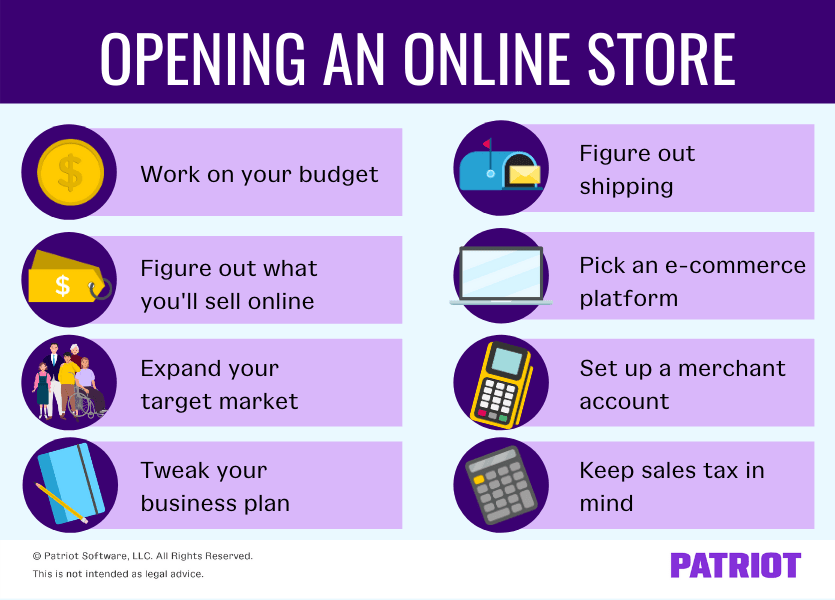
Diversifying Income Streams for Financial Stability
Reliance on a single revenue source can be precarious. Diversifying your income streams creates financial resilience and reduces risk.
- Product Expansion: Introduce related products or services that cater to your existing customer base. For an e-commerce store, this might mean adding accessories; for a digital product creator, a follow-up course or membership.
- Subscription Models: For products or services with recurring value (software, content, curated boxes), a subscription model provides predictable recurring revenue, which is highly valued by investors and provides financial stability.
- Affiliate Partnerships: If you have an established audience, promoting complementary products or services from other businesses through affiliate links can generate passive income without significant additional operational costs.
- Advertising and Sponsorships: For content creators, monetizing through display ads or sponsored content can provide supplementary income, but must be balanced against user experience and brand integrity.
Strategies for Sales Conversion and Customer Lifetime Value
Attracting visitors is only half the battle; converting them into paying customers and retaining them for repeat purchases significantly impacts your financial success.
- Optimizing Conversion Rates: Analyze your website analytics (e.g., Google Analytics) to identify drop-off points in your sales funnel. A/B test different calls to action, landing page designs, and checkout processes to improve the percentage of visitors who complete a purchase. Even a small increase in conversion rate can lead to a significant boost in revenue.
- Customer Lifetime Value (CLV): Understand the total revenue a customer is expected to generate over their relationship with your business. Focus on strategies to increase CLV through excellent customer service, loyalty programs, and personalized communication. Investing in customer retention is often more cost-effective than constantly acquiring new customers.
- Cart Abandonment Recovery: Implement automated email sequences to remind customers of items left in their cart, often with an incentive like a small discount, to recover lost sales and boost revenue.
- Strategic Discounts and Promotions: Use discounts judiciously to drive sales during specific periods or to clear inventory, but avoid constant discounting that can devalue your brand and erode profit margins. Always calculate the net financial impact of any promotion.
Financial Management and Scaling for Long-Term Profitability
Beyond initial setup and revenue generation, the long-term success of an online business hinges on vigilant financial management and strategic scaling. This means continuous monitoring, shrewd expense control, and making informed decisions about reinvestment.
Tracking Key Financial Metrics (KPIs)
You cannot manage what you don’t measure. Regularly tracking key financial performance indicators (KPIs) provides insights into your business’s health and guides strategic adjustments.
- Profit Margin: Gross Profit Margin (Revenue – Cost of Goods Sold / Revenue) and Net Profit Margin (Net Income / Revenue) are crucial for understanding the profitability of your products/services and the overall business efficiency.
- Customer Acquisition Cost (CAC): The total cost of marketing and sales efforts divided by the number of new customers acquired. A low CAC is indicative of efficient marketing spending.
- Return on Investment (ROI): Measures the profitability of an investment relative to its cost. Essential for evaluating marketing campaigns, new product development, or technology upgrades.
- Break-Even Point: The point at which total costs and total revenue are equal, meaning there is no net loss or gain. Knowing this helps you set sales targets.
- Cash Flow: Monitoring cash inflows and outflows ensures you have enough liquidity to meet operational needs and pursue growth opportunities.
Managing Expenses and Operational Costs Effectively
Even as revenue grows, uncontrolled expenses can quickly diminish profitability. A disciplined approach to cost management is essential.
- Regular Vendor Reviews: Periodically review contracts with suppliers, software providers, and service providers. Look for opportunities to negotiate better rates or switch to more cost-effective alternatives without compromising quality.
- Automate Where Possible: Invest in automation tools for repetitive tasks (e.g., customer service, email marketing, social media scheduling) to reduce manual labor costs and improve efficiency.
- Outsource Non-Core Functions: Instead of hiring full-time staff for tasks like accounting, graphic design, or specialized IT, consider outsourcing to freelancers or agencies on an as-needed basis to control payroll and benefits costs.
- Inventory Management (for E-commerce): Optimize inventory levels to minimize holding costs and avoid dead stock. Implement just-in-time inventory strategies where feasible to reduce capital tied up in unsold goods.
Reinvesting Profits for Sustainable Growth
Once your business becomes profitable, the strategic reinvestment of earnings is crucial for sustainable scaling and long-term financial success.
- Growth-Oriented Investments: Allocate profits towards initiatives that directly contribute to growth, such as developing new products, expanding into new markets, upgrading technology, or investing in more robust marketing campaigns with proven ROI.
- Building a Financial Buffer: Maintain a healthy cash reserve (an emergency fund) to navigate unexpected downturns, market shifts, or unforeseen expenses without jeopardizing operations. A general rule of thumb is 3-6 months of operating expenses.
- Debt Reduction: If you’ve taken on debt, using profits to pay it down can significantly reduce interest expenses and improve your financial stability.
- Owner’s Compensation: While reinvestment is key, it’s also important to establish a reasonable and sustainable compensation structure for yourself as the owner, especially if the business is your primary income source.
Understanding Taxes and Legal Financial Compliance
Navigating the tax landscape and ensuring legal financial compliance is critical to avoid penalties and maintain good standing.
- Business Structure Implications: The legal structure of your online business (sole proprietorship, LLC, S-Corp, C-Corp) has significant implications for how you are taxed and your personal liability. Consult with a financial advisor or accountant to choose the most advantageous structure.
- Sales Tax and VAT: Understand your obligations regarding collecting and remitting sales tax (in the US) or Value Added Tax (VAT, internationally) based on where your customers are located and your business nexus. E-commerce platforms often have tools to assist with this, but ultimate responsibility lies with the business owner.
- Income Tax and Deductions: Keep meticulous records of all income and deductible expenses. Understand what business expenses qualify for tax deductions to minimize your taxable income.
- Professional Financial Advice: Engaging with a qualified accountant or financial advisor early on can save significant money and stress in the long run by ensuring compliance, optimizing tax strategies, and providing expert financial guidance.
Mitigating Financial Risks and Building Resilience
The digital landscape is dynamic, and online businesses face unique financial risks. Proactive measures to mitigate these risks and build financial resilience are essential for longevity.
Emergency Funds and Financial Buffers for Online Businesses
Just as individuals need personal emergency funds, online businesses require financial reserves to weather storms. Economic downturns, unexpected platform changes, or a sudden dip in sales can severely impact cash flow. Maintaining a separate business savings account with at least 3-6 months of operating expenses provides a vital safety net, preventing the need to incur high-interest debt or make drastic operational cuts during challenging periods. This financial buffer allows for strategic decision-making rather than reactive panic.
Insurance and Risk Management Strategies
While often overlooked, appropriate insurance is a critical financial safeguard for online businesses.
- General Liability Insurance: Protects against claims of bodily injury or property damage caused by your business operations or products.
- Cyber Liability Insurance: Essential for online businesses, this covers costs associated with data breaches, cyberattacks, and privacy violations, including legal fees, notification costs, and reputational damage.
- Product Liability Insurance: Crucial for businesses selling physical products, it covers claims of injury or damage caused by your products.
- Business Interruption Insurance: Replaces lost income and covers operating expenses if your business cannot operate due to a covered event (e.g., website outage caused by a physical server issue, natural disaster impacting your physical location if applicable).
Understanding these insurance types and their financial costs versus the potential risk of an uninsured event is paramount to protecting your assets and maintaining financial stability.

Adapting to Market Shifts and Economic Fluctuations
The online business environment is constantly evolving. Financial resilience means being agile and able to adapt your business model and financial strategies in response to external changes.
- Diversify Customer Acquisition Channels: Over-reliance on a single marketing channel (e.g., one social media platform) creates financial vulnerability. If that channel changes algorithms or becomes too expensive, your customer acquisition costs could skyrocket, or your lead generation could dry up. Diversifying across SEO, paid ads, social media, email marketing, and partnerships spreads financial risk.
- Stay Informed on Industry Trends: Regularly monitor emerging technologies, shifts in consumer behavior, and changes in the competitive landscape. This allows for proactive financial planning and adjustment of product offerings or marketing budgets to capitalize on new opportunities or mitigate threats.
- Scenario Planning: Conduct “what if” financial analyses. What if sales drop by 20%? What if a key supplier raises prices by 15%? By projecting the financial impact of various scenarios, you can develop contingency plans and allocate resources more effectively to maintain profitability.
- Build Strong Vendor Relationships: Having reliable suppliers and partners can be a financial lifesaver during disruptions. A strong relationship might allow for more flexible payment terms or priority service during times of crisis.
By systematically addressing these financial considerations from initial ideation through ongoing management and risk mitigation, online entrepreneurs can build not just a business, but a financially robust and sustainable enterprise capable of navigating the complexities of the digital economy and generating lasting wealth.
aViewFromTheCave is a participant in the Amazon Services LLC Associates Program, an affiliate advertising program designed to provide a means for sites to earn advertising fees by advertising and linking to Amazon.com. Amazon, the Amazon logo, AmazonSupply, and the AmazonSupply logo are trademarks of Amazon.com, Inc. or its affiliates. As an Amazon Associate we earn affiliate commissions from qualifying purchases.