
The digital age has opened unprecedented avenues for entrepreneurship, transforming the traditional landscape of commerce. Building an online business is no longer a niche pursuit but a mainstream aspiration for millions seeking financial independence, flexibility, and the ability to reach a global audience. While the technical infrastructure and brand identity are critical components, the fundamental driver and ultimate measure of an online business’s success lie squarely in its financial viability, strategic income generation, and astute fiscal management. This guide delves into the essential monetary considerations and strategies required to launch, sustain, and scale a profitable online venture.
I. Laying the Financial Foundation for Your Online Venture
Every successful online business begins with a robust financial blueprint. Before writing a single line of code or designing a logo, entrepreneurs must thoroughly understand the economic landscape they plan to enter and meticulously plan their financial roadmap. This foundational phase is crucial for mitigating risks and ensuring a sustainable path to profitability.
Identifying Profitable Niches and Business Models
The first step in making an online business is to identify a niche that possesses both significant market demand and the potential for healthy profit margins. A profitable niche is one where customers have a problem they are willing to pay to solve, or a desire they are eager to fulfill. This requires thorough market research to uncover underserved segments or areas where existing solutions are inadequate.
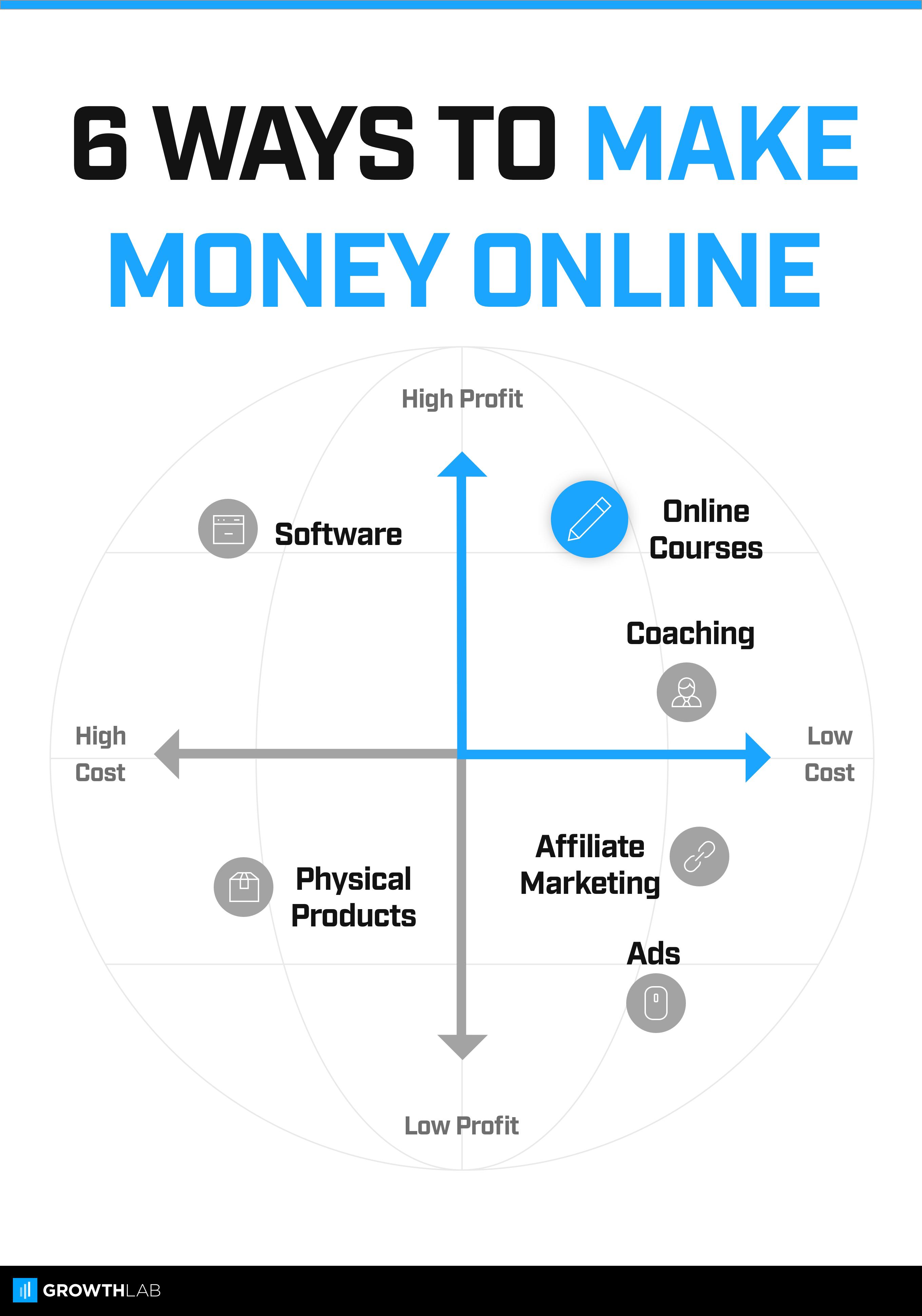
Once a promising niche is identified, selecting the right business model becomes paramount. Each model carries distinct revenue generation mechanisms, cost structures, and scalability potentials:
- E-commerce (Product Sales): Selling physical or digital products directly to consumers via an online store. Profitability hinges on product cost, shipping, marketing expenses, and pricing strategy.
- Service-Based Businesses: Offering professional skills (e.g., consulting, coaching, freelance writing, web development) to clients online. This model often has lower startup costs, with profitability driven by hourly rates or project fees and efficient time management.
- Digital Products (Courses, Ebooks, Software): Creating and selling intellectual property with high-profit margins once the initial development cost is covered, as replication costs are minimal.
- Subscription Models: Providing ongoing access to content, software, or curated products for a recurring fee. This offers predictable recurring revenue (MRR/ARR) and higher customer lifetime value (CLV).
- Affiliate Marketing: Earning commissions by promoting other companies’ products or services. This model requires traffic generation and strong conversion rates, with minimal direct product overhead.
Understanding the revenue streams, operational costs, and scalability of each model is critical for forecasting potential profitability.
Validating Your Idea and Market Demand
Before committing substantial financial resources, it’s imperative to validate your online business idea. Validation is a process of testing your assumptions about market demand and customer willingness to pay. This reduces the risk of investing time and money into a venture that won’t achieve financial traction.
Techniques for financial validation include:
- Pre-selling: Offering your product or service before it’s fully developed. This provides immediate revenue, gauges interest, and helps refine your offering based on early customer feedback.
- Minimum Viable Product (MVP): Launching a basic version of your product or service with just enough features to satisfy early adopters and gather feedback. This minimizes initial investment and allows for iterative development based on actual market response.
- Surveys and Interviews: Directly engaging potential customers to understand their pain points, preferred solutions, and the price they would be willing to pay.
- Competitor Analysis: Studying what successful competitors are doing, how they price their offerings, and where there might be gaps in the market you can exploit. This isn’t about copying, but understanding the financial landscape and competitive pricing strategies.
Effective validation ensures that your online business is built on a foundation of genuine demand, significantly increasing its chances of financial success.
Crafting a Sustainable Business Plan
A comprehensive business plan serves as your financial roadmap, outlining your venture’s objectives, strategies, and, most importantly, its financial projections. For an online business, this plan should be dynamic and heavily focused on financial sustainability.
Key financial components of a robust business plan include:
- Revenue Forecasts: Detailed projections of sales volume, pricing, and anticipated income streams over specific periods (e.g., monthly, quarterly, annually).
- Expense Tracking and Budgeting: A clear breakdown of all anticipated costs, including fixed costs (website hosting, software subscriptions) and variable costs (marketing spend, transaction fees, cost of goods sold). Establishing a realistic budget is crucial for managing cash flow.
- Break-Even Analysis: Calculating the point at which your total revenue equals your total costs. Understanding your break-even point helps set realistic sales targets and assess the feasibility of your pricing strategy.
- Funding Requirements: If external funding is needed, the plan must detail the amount required, how it will be used, and the projected return on investment for potential lenders or investors.
- Key Performance Indicators (KPIs): Identifying the critical financial metrics that will be tracked to monitor the business’s health and progress.
A well-researched and regularly updated business plan is invaluable for making informed financial decisions and attracting necessary capital.
II. Building Your Online Business Model for Revenue Generation
With a solid financial foundation established, the next phase involves constructing the operational framework designed to generate revenue effectively. This focuses on the specific mechanisms through which value is exchanged for monetary gain in the online environment.
Selecting Your Product or Service and Pricing Strategy
The heart of any online business is its offering. For an online business to thrive financially, its product or service must not only solve a problem or fulfill a desire but also be priced strategically to ensure profitability and market competitiveness.
Considerations for product/service and pricing:
- Value Proposition: Clearly articulate the unique value your offering brings to the market. Higher perceived value often justifies premium pricing.
- Cost Analysis: Understand all direct and indirect costs associated with creating, delivering, and supporting your product or service. This is the baseline for setting a profitable price.
- Pricing Models:
- Cost-Plus Pricing: Adding a markup percentage to the total cost. Simple but may not reflect market value.
- Value-Based Pricing: Setting prices primarily based on the perceived value to the customer. This often allows for higher profit margins.
- Competitive Pricing: Benchmarking against competitors, but being mindful of your unique value proposition.
- Tiered Pricing: Offering different packages or levels of service at varying price points to cater to diverse customer segments and increase average transaction value.
- Freemium Model: Offering a basic version for free to attract users and then charging for premium features.
- Profit Margins: Continuously evaluate and optimize your profit margins. Small adjustments in pricing or cost control can have a significant impact on overall profitability.
- Scalability: Choose products or services that can be scaled without a proportional increase in costs, enabling exponential growth in revenue. Digital products and automated services are excellent examples.
Establishing Your Online Presence and Sales Funnel
Your online presence is more than just a website; it’s a carefully constructed ecosystem designed to attract, engage, and convert visitors into paying customers. The sales funnel maps the customer’s journey from initial awareness to final purchase, with a strong focus on maximizing conversion rates and revenue.
Key elements include:
- E-commerce Platform Selection: Choosing a platform (e.g., Shopify, WooCommerce, Etsy, Gumroad) that aligns with your business model and budget. Consider transaction fees, customization options, and scalability.
- Payment Gateways: Integrating secure and convenient payment processing options (e.g., Stripe, PayPal, Square). Understanding their fee structures is crucial for managing costs.
- Customer Acquisition Cost (CAC): Calculating how much it costs to acquire a new customer through various marketing channels (e.g., paid ads, content marketing, social media). Optimizing CAC is vital for profitability.
- Conversion Rate Optimization (CRO): Continuously improving your website design, product pages, and checkout process to increase the percentage of visitors who make a purchase. Higher conversion rates directly translate to more revenue from the same traffic volume.
- Average Order Value (AOV): Strategies like upselling, cross-selling, and bundling products can increase the average amount customers spend per transaction, boosting overall revenue.
- Customer Lifetime Value (CLV): Focusing on customer retention and repeat purchases. A higher CLV means more revenue from existing customers, reducing the reliance on constantly acquiring new ones.
Managing Initial Capital and Funding Sources
The financial health of an online business often hinges on how effectively initial capital is managed. While online businesses can have lower startup costs compared to brick-and-mortar ventures, judicious allocation of funds is still paramount.
Common funding approaches include:
- Bootstrapping: Funding your business solely through personal savings and initial revenues. This minimizes debt and external control but requires careful budgeting and a lean operational approach.
- Personal Savings: Utilizing your own funds, offering maximum control but also personal financial risk.
- Small Business Loans: Traditional bank loans or SBA-backed loans can provide significant capital but require a solid business plan and credit history.
- Crowdfunding: Raising small amounts of capital from a large number of individuals, often via platforms like Kickstarter or Indiegogo. This can also serve as a market validation tool.
- Angel Investors/Venture Capital: For high-growth potential businesses, seeking investment from individuals or firms in exchange for equity.
Regardless of the source, the emphasis should be on minimizing unnecessary expenses, prioritizing investments that directly contribute to revenue generation, and maintaining a healthy cash flow from the outset.
III. Strategic Financial Management and Growth
Once established, the ongoing success of an online business depends on shrewd financial management and a clear strategy for sustainable growth. This involves continuous monitoring, adaptation, and optimization of financial processes.
Mastering Online Income Streams and Diversification
Relying on a single income stream can be precarious. Savvy online entrepreneurs master the art of diversifying their revenue streams to build resilience and maximize earning potential. This often involves leveraging existing customer bases or creating complementary offerings.
Strategies for diversification include:
- Expanding Product/Service Lines: Introducing new products or services that align with your existing niche and customer needs.
- Creating Premium Offerings: Developing higher-priced versions or exclusive access (e.g., private communities, one-on-one coaching) for a segment of your audience.
- Subscription Models: If not already in place, introducing recurring revenue options for content, software, or specialized access.
- Affiliate Partnerships: Collaborating with other businesses to promote their relevant products/services for a commission.
- Advertising/Sponsorships: For content-heavy businesses (blogs, podcasts, YouTube channels), integrating ads or securing sponsorships can provide additional income.
- Licensing Digital Assets: Licensing your unique digital creations (e.g., stock photos, music, software components) for others to use.
Diversification not only increases overall revenue but also mitigates risk by ensuring that if one income stream falters, others can sustain the business.
Tracking Key Financial Metrics and Performance
Data-driven decision-making is crucial for online business success. Regularly tracking and analyzing key financial metrics allows entrepreneurs to understand their business’s health, identify areas for improvement, and make informed strategic choices.
Essential financial KPIs for online businesses include:
- Gross Profit Margin: (Revenue – Cost of Goods Sold) / Revenue. Indicates the profitability of your products/services before overhead.
- Net Profit Margin: (Net Income / Revenue). Shows the percentage of revenue left after all expenses, including taxes.
- Customer Acquisition Cost (CAC): Total marketing/sales spend / Number of new customers. Helps evaluate the efficiency of your marketing efforts.
- Customer Lifetime Value (CLV): Average purchase value * Average purchase frequency * Average customer lifespan. A crucial metric for understanding long-term revenue potential per customer.
- Return on Investment (ROI): (Net Profit / Cost of Investment) * 100. Measures the efficiency of an investment.
- Cash Flow: The movement of money into and out of your business. Positive cash flow is vital for operational stability.
- Conversion Rate: The percentage of visitors who complete a desired action (e.g., make a purchase).
- Churn Rate: The percentage of customers who stop using your service over a given period (especially for subscription models).
Utilizing analytics tools (Google Analytics, platform-specific dashboards) and financial software is essential for accurate tracking and insightful reporting.
Scaling Your Business Profitably
Scaling an online business means growing revenue significantly without a proportionate increase in costs, thereby increasing profit margins. This requires strategic planning and leveraging automation and technology.
Key aspects of profitable scaling include:
- Automation: Investing in tools and software that automate repetitive tasks (e.g., email marketing, customer service chatbots, inventory management). This reduces labor costs and increases efficiency.
- Outsourcing: Delegating non-core functions (e.g., virtual assistance, specialized marketing, accounting) to external experts, often at a lower cost than hiring full-time staff.
- Leveraging Technology: Utilizing cloud computing, AI tools, and advanced analytics to optimize operations, personalize customer experiences, and drive sales more efficiently.
- Strategic Reinvestment: Reinvesting a portion of your profits back into areas that offer the highest ROI, such as product development, targeted advertising campaigns, or infrastructure improvements.
- Market Expansion: Strategically entering new markets or targeting new customer segments, carefully analyzing potential revenue vs. additional costs.
- Operational Efficiency: Continuously refining internal processes to reduce waste and improve productivity, directly impacting the bottom line.
Profitable scaling is about smart growth, ensuring that every increase in revenue is accompanied by an even greater increase in profit.
IV. Legal and Financial Compliance for Long-Term Success
Overlooking legal and financial compliance can lead to significant penalties, jeopardize your online business, and erode trust. Establishing a robust legal and financial framework from the outset is non-negotiable for long-term stability and credibility.
Understanding Business Registration and Taxation
The legal structure and tax obligations for an online business can vary significantly based on location, revenue, and business type. Proper registration and understanding tax liabilities are crucial for compliance.
Considerations include:
- Choosing a Legal Structure:
- Sole Proprietorship: Simple to set up, but offers no personal liability protection. Taxes are filed with personal income.
- Limited Liability Company (LLC): Offers personal liability protection for owners, separating business and personal assets. More complex to set up but highly favored by online businesses.
- Corporation (S-Corp, C-Corp): More complex structure, often for larger businesses, with distinct tax implications and greater regulatory requirements.
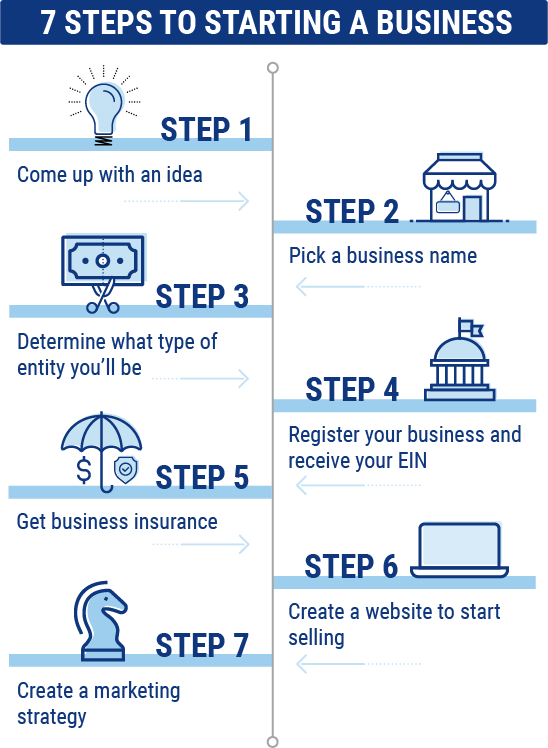
- Business Registration: Registering your business name and legal entity with the appropriate local, state, or federal authorities.
- Employer Identification Number (EIN): Obtaining an EIN from the IRS (in the US) is necessary for opening a business bank account, hiring employees, and filing taxes.
- Sales Tax: Understanding and collecting sales tax for products sold online. This varies by jurisdiction and often depends on “nexus” (physical or economic presence). Digital products may also be subject to sales tax in some regions.
- Income Tax: Reporting all business income and deducting eligible expenses. This varies based on your chosen legal structure and country of operation.
- International Tax Considerations: If selling globally, understanding Value Added Tax (VAT), Goods and Services Tax (GST), and other international tax obligations is essential to avoid legal issues and ensure accurate pricing.
Consulting with a legal and tax professional is highly recommended to ensure full compliance and optimize your tax strategy.
Setting Up Business Banking and Accounting Systems
Separating personal and business finances is a fundamental rule for any serious online entrepreneur. This not only simplifies accounting and tax preparation but also protects personal assets and lends credibility to your business.
Key financial system setup steps:
- Dedicated Business Bank Account: Open a separate checking and savings account exclusively for your online business. This is crucial for clear record-keeping and often a requirement for LLCs and corporations.
- Business Credit Card: Obtain a business credit card to manage business expenses, build business credit, and track expenditures separately.
- Accounting Software: Implement reliable accounting software (e.g., QuickBooks Online, Xero, FreshBooks) from the start. This allows you to:
- Track income and expenses.
- Generate financial reports (profit and loss statements, balance sheets).
- Manage invoices and payroll.
- Simplify tax preparation.
- Expense Tracking: Develop a rigorous system for tracking all business-related expenses. Digital tools and apps can automate this, ensuring you capture all eligible deductions.
- Regular Financial Review: Schedule regular times to review your financial statements, reconcile accounts, and analyze your KPIs. This proactive approach helps identify potential issues early and informs strategic adjustments.
By meticulously handling these legal and financial aspects, online entrepreneurs can build a resilient, compliant, and ultimately, more profitable business capable of sustained growth and long-term success in the dynamic digital economy.
aViewFromTheCave is a participant in the Amazon Services LLC Associates Program, an affiliate advertising program designed to provide a means for sites to earn advertising fees by advertising and linking to Amazon.com. Amazon, the Amazon logo, AmazonSupply, and the AmazonSupply logo are trademarks of Amazon.com, Inc. or its affiliates. As an Amazon Associate we earn affiliate commissions from qualifying purchases.