
Securing capital is often the most significant hurdle for small business owners and aspiring entrepreneurs. While traditional funding avenues like bank loans and venture capital demand repayment or equity, small business grants stand out as a highly coveted source of non-dilutive capital. Grants provide funds that do not need to be repaid, offering a crucial lifeline for startups, expansions, or projects with a strong social impact. However, the path to obtaining a grant is competitive and often misunderstood. It requires diligent research, meticulous preparation, and a deep understanding of what grant-making organizations are looking for. This article will demystify the process, guiding you through the intricate landscape of small business grants and equipping you with the strategies needed to successfully secure funding that can propel your business forward.
Understanding the Landscape of Small Business Grants
Before diving into the application process, it’s essential to grasp what small business grants truly are, their benefits, and to dispel some common myths surrounding them. This foundational understanding will set the stage for a more effective and targeted search.
What is a Small Business Grant?
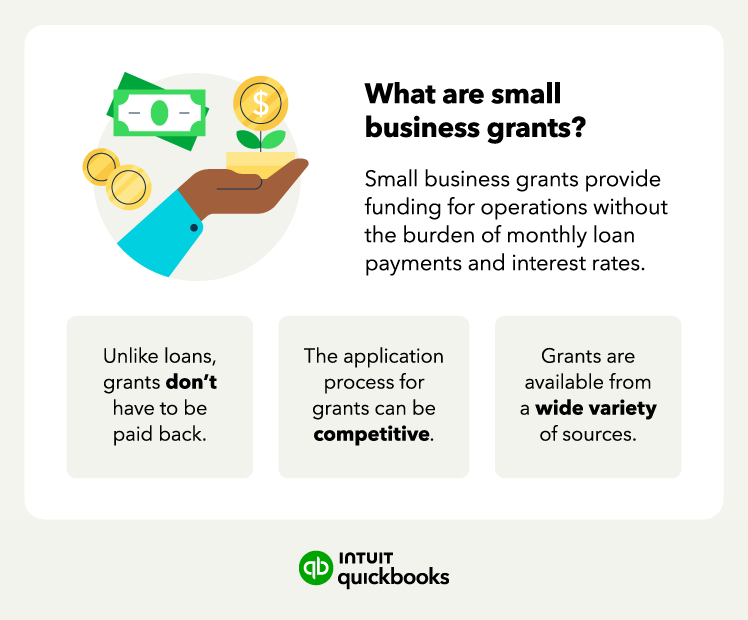
A small business grant is essentially a sum of money provided by a government agency, corporation, foundation, or non-profit organization to a business or individual, typically for a specific project or purpose, without the expectation of repayment. These funds are usually allocated to businesses that align with the grant provider’s mission, which might include promoting economic development, fostering innovation, supporting specific demographics, or addressing community needs. Unlike loans, grants are not debt; unlike equity investments, they do not require you to give up ownership in your company. This makes them an exceptionally attractive, albeit competitive, form of funding.
Why Grants are a Game-Changer for Small Businesses
The benefits of securing a small business grant extend far beyond immediate financial relief. Firstly, the non-repayable nature of grants means less financial burden and risk for your business, allowing you to allocate resources directly to growth, research, or operational improvements without the pressure of debt service. Secondly, being awarded a grant often lends significant credibility and prestige to your business. It signals to potential customers, partners, and investors that your business has been vetted and deemed worthy by an external, often reputable, entity. This can open doors to further funding, partnerships, and market opportunities. Thirdly, grants can enable businesses to undertake projects they might otherwise deem too risky or expensive, such as developing new technologies, expanding into new markets, or implementing community programs, thereby fostering innovation and sustainable growth.
Dispelling Common Misconceptions
Many entrepreneurs approach grants with unrealistic expectations or misunderstandings. One common myth is that grants are “free money” with no strings attached. In reality, grants come with strict reporting requirements, performance milestones, and specific usage guidelines that must be adhered to. Another misconception is that grants are readily available for any business idea. Grant providers typically have very narrow focus areas and specific criteria; a general business plan is rarely enough. Furthermore, some believe that grants are only for specific types of businesses, like non-profits or tech startups. While certain sectors receive more attention, opportunities exist across a wide range of industries, including retail, service, manufacturing, and agriculture, provided the business aligns with the grant’s objectives. Understanding these realities is crucial for a realistic and strategic approach.
Navigating the Diverse World of Grant Opportunities
The grant landscape is vast and varied, encompassing a multitude of sources each with distinct objectives and eligibility criteria. Identifying the right type of grant for your business is the first critical step toward a successful application.
Federal Grants: A Powerful Resource
The U.S. federal government is a significant source of small business funding, primarily through agencies like the Small Business Administration (SBA), the National Institutes of Health (NIH), and the National Science Foundation (NSF). Federal grants are often substantial in value but are also highly competitive and come with stringent requirements. They typically target businesses engaged in research and development, those with innovative technologies, or those contributing to national priorities like energy efficiency, healthcare, or defense. The primary portal for federal grants is Grants.gov, a comprehensive database where businesses can search for opportunities by category, agency, or keyword. It’s crucial to understand that federal grants often have a long application process and strict compliance protocols.
State and Local Programs: Tapping into Community Support
Beyond federal opportunities, state and local governments, as well as economic development agencies, offer a wide array of grants designed to stimulate local economies, create jobs, and support specific regional initiatives. These grants might target businesses in designated revitalization zones, those committed to hiring local residents, or businesses in industries critical to the state’s economic plan. For instance, many states offer grants for rural development, workforce training, or clean energy projects. Your state’s Department of Commerce, local Chamber of Commerce, or municipal economic development offices are excellent starting points for identifying these localized opportunities. These grants can be less competitive than federal grants and often have more tailored requirements, making them a more accessible option for many small businesses.
Corporate and Foundation Grants: Philanthropy Meets Purpose
Many large corporations and private foundations dedicate significant resources to philanthropic efforts, including grants for small businesses that align with their corporate social responsibility initiatives or charitable missions. These grants might focus on specific demographics (e.g., women-owned businesses, minority-owned businesses), environmental sustainability, community development, or educational programs. Researching the philanthropic arms of major corporations in your industry or foundations with a relevant focus can uncover unique opportunities. Websites like the Foundation Directory Online (from Candid) or corporate social responsibility pages are invaluable tools for identifying these grantmakers. Understanding their specific philanthropic goals is key to tailoring a compelling proposal.
Niche and Industry-Specific Grants
In addition to broad categories, countless niche and industry-specific grants exist. These are often offered by industry associations, trade groups, or specialized foundations aiming to foster growth and innovation within a particular sector. For example, there are grants specifically for agricultural businesses, artists, tech startups, culinary ventures, or businesses focused on social impact. While these grants might be smaller in individual value, they can be less competitive due to their specialized nature. Actively participating in your industry associations and subscribing to their newsletters can keep you informed about these highly targeted opportunities that might be perfectly suited for your business.
The Grant Application Process: From Research to Submission
Successfully securing a small business grant hinges on a meticulous approach to the application process. This involves strategic research, understanding the fine print of eligibility, and crafting a compelling narrative that resonates with the grant provider’s mission.
Strategic Research: Finding the Right Fit
The first and most critical step is thorough research. It’s not enough to simply find a grant; you must find the right grant. Start by clearly defining your business’s needs, project goals, and target outcomes. Then, use the resources mentioned above (Grants.gov, state economic development sites, foundation directories, industry associations) to identify grants that genuinely align with your business’s mission, values, and specific project. Look for grants whose stated objectives directly match what your business aims to achieve. Pay close attention to the grant-making organization’s history, previous recipients, and preferred project types. Applying for grants that are a poor fit is a waste of valuable time and resources. Create a spreadsheet to track potential grants, including deadlines, eligibility, and key requirements.
Understanding Eligibility Criteria
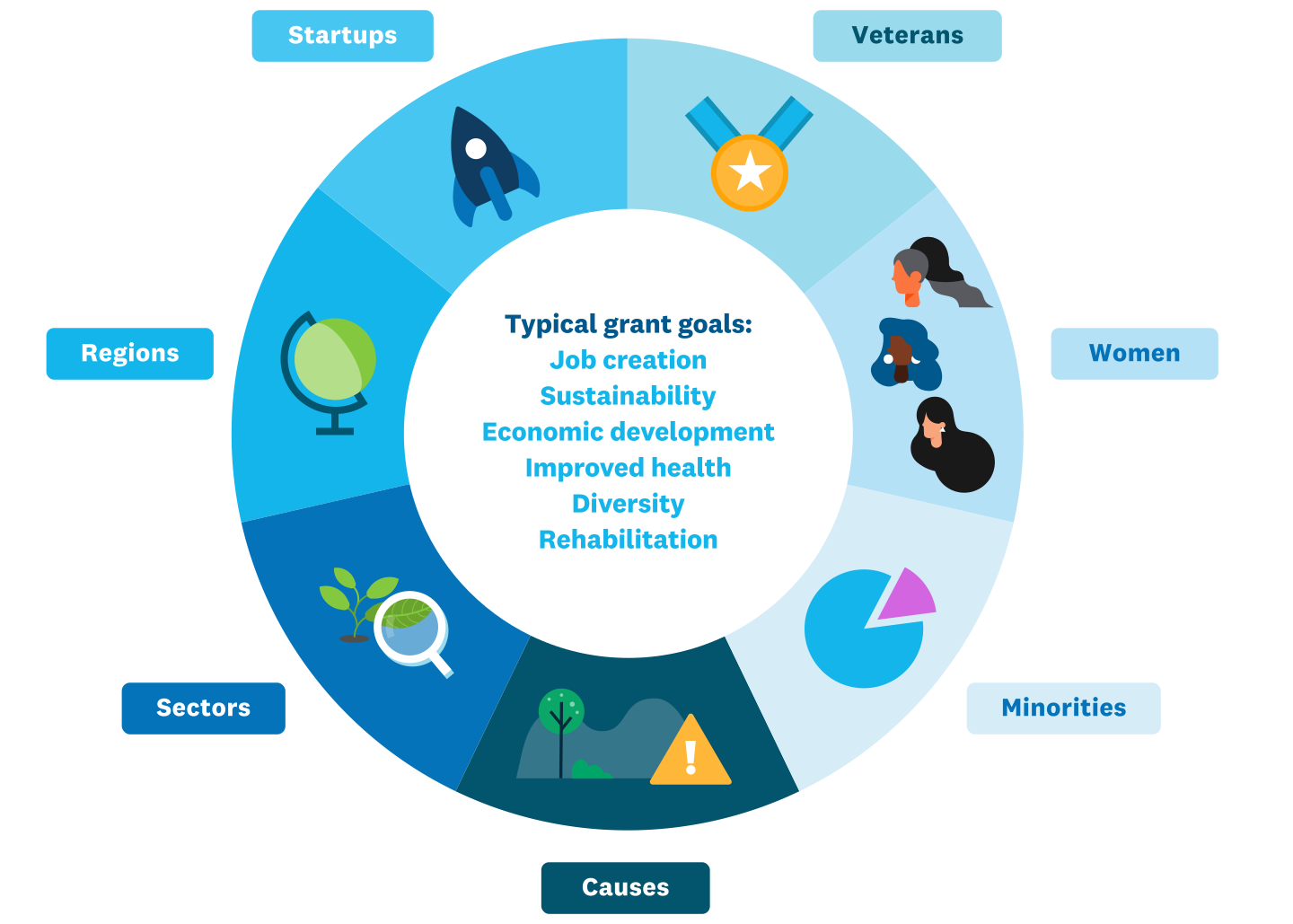
Every grant has specific eligibility requirements, and failure to meet even one criterion will lead to immediate disqualification. These criteria can include business age, revenue thresholds, number of employees, industry, geographic location, ownership demographics (e.g., women-owned, veteran-owned), or a specific social impact component. Before investing time in an application, meticulously review the eligibility guidelines. If there’s any ambiguity, contact the grant administrator for clarification. Do not assume; verify. Ensure your business meets all the basic requirements before proceeding.
Crafting a Compelling Grant Proposal
The grant proposal is your opportunity to tell your story, make your case, and convince the grantmaker that your business is a worthy investment. A compelling proposal is clear, concise, well-structured, and persuasive. It should articulate a clear problem your business is solving, how your proposed project will address that problem, and the specific impact it will have. Emphasize how your project aligns with the grant provider’s mission and objectives. Use strong, data-backed arguments to demonstrate feasibility and potential for success. Avoid jargon and write in plain, engaging language. Remember, the reviewers may not be experts in your specific field, so clarity is paramount.
Essential Application Components
While specific requirements vary, most grant applications will request several key components:
- Executive Summary: A concise overview of your entire proposal.
- Organizational Background: Details about your business, its history, mission, and current operations.
- Problem Statement/Needs Assessment: Clearly define the problem you are addressing and why your solution is necessary.
- Project Description: A detailed outline of the proposed project, including goals, activities, timeline, and expected outcomes.
- Budget and Justification: A detailed breakdown of how the grant funds will be used, with a clear justification for each line item.
- Evaluation Plan: How you will measure the success and impact of your project.
- Resumes of Key Personnel: Demonstrating the team’s capacity to execute the project.
- Letters of Support: From community partners, clients, or stakeholders, if applicable.
- Financial Statements: To demonstrate your business’s financial health and sustainability.
Each component must be carefully prepared and tailored to the specific grant.
Strategies for Maximizing Your Grant Success
The journey to securing a grant is often a marathon, not a sprint. Success hinges on a combination of strategic planning, meticulous execution, and unwavering persistence.
Building a Strong Business Case
Beyond merely listing your business activities, a strong grant application articulates a compelling business case. This means clearly demonstrating your unique value proposition, market opportunity, and competitive advantage. Grantmakers want to fund sustainable businesses with a clear path to impact and, often, profitability. Highlight your business’s track record, leadership team’s expertise, and any positive community or economic contributions it has already made. Quantify your potential impact wherever possible, using metrics such as job creation, revenue growth, or community beneficiaries. Show that you’ve thought through the long-term viability of your business and how the grant funds will contribute to that sustainability, rather than just acting as a temporary fix.
Attention to Detail and Following Instructions
This cannot be overstressed: follow every single instruction meticulously. Grant applications are often complex, with specific formatting requirements, page limits, font sizes, and attachment guidelines. Missing a deadline, failing to provide a required document, or deviating from formatting rules are common reasons for immediate disqualification. Treat the application process like a legal brief – every detail matters. Proofread your entire application multiple times for grammar, spelling, and factual accuracy. Have someone else review it for clarity and completeness. A well-organized, error-free application conveys professionalism and respect for the grantmaker’s time.
The Power of Networking and Mentorship
While grants are often awarded based on merit, networking can significantly enhance your understanding of the grant landscape and improve your application quality. Attend workshops, webinars, and conferences hosted by grant-making organizations or related industry groups. Connect with previous grant recipients to learn from their experiences. Seek out mentors or consultants who specialize in grant writing; their insights can be invaluable in refining your approach. Building relationships within your industry and with potential grantors can provide crucial insights into funding priorities and even lead to direct opportunities you might not find through general searches.
Persistence and Learning from Rejection
Grant applications are highly competitive, and rejection is a common part of the process. Do not be discouraged by initial setbacks. Each rejection offers an opportunity to learn and refine your approach. Request feedback from grant administrators if possible, to understand why your application was unsuccessful. Use this feedback to strengthen your next proposal. Persistence is key; many successful grant recipients applied multiple times before securing funding. Maintain a positive attitude, continuously improve your application materials, and keep searching for new opportunities. The right grant for your business is out there.
Beyond Grants: Exploring Supplementary Funding Avenues
While grants are an excellent source of non-dilutive capital, they are not always sufficient or guaranteed. A well-rounded financial strategy for a small business often involves exploring a mix of funding options.
Low-Interest Loans and Microloans
When grants aren’t an immediate option, or when you need additional capital, low-interest loans can provide accessible funding without the high cost of traditional credit. The SBA offers several loan programs, such as the 7(a) loan and Microloan programs, which are facilitated through partner lenders and often come with favorable terms. Community Development Financial Institutions (CDFIs) are another excellent resource, offering microloans and technical assistance to businesses in underserved communities. These loans typically have lower interest rates and more flexible repayment terms than commercial bank loans, making them suitable for small businesses that might not qualify for traditional financing.
Equity Financing and Angel Investors
For businesses with significant growth potential and a clear exit strategy, equity financing from angel investors or venture capitalists might be a viable option. Angel investors are high-net-worth individuals who invest their own money in early-stage companies in exchange for an equity stake. Venture capitalists, on the other hand, invest institutional money in businesses with proven traction and high-growth potential. While this route means giving up a percentage of ownership, it can provide substantial capital, strategic guidance, and valuable connections. It’s particularly suited for scalable tech startups or businesses with a strong intellectual property portfolio.

Crowdfunding Platforms
Crowdfunding has emerged as a popular and accessible way for small businesses to raise capital directly from a large number of individuals. Platforms like Kickstarter and Indiegogo are ideal for product-based businesses or creative projects, allowing you to raise funds by offering pre-orders or unique rewards. Equity crowdfunding platforms, such as StartEngine or WeFunder, enable businesses to sell small equity stakes to a broader public, democratizing investment opportunities. Crowdfunding not only provides capital but also serves as a powerful marketing tool, generating buzz and validating market demand for your product or service.
Securing a small business grant is a challenging yet highly rewarding endeavor. It demands strategic planning, meticulous execution, and an unwavering commitment to presenting your business’s vision and impact effectively. By understanding the diverse landscape of grant opportunities, meticulously preparing your application, and employing robust strategies for success, you significantly increase your chances of obtaining non-dilutive capital that can fuel your growth and contribute meaningfully to your community. Remember, a comprehensive financial strategy often integrates grants with other funding mechanisms, ensuring your business has the resources it needs to thrive in a competitive marketplace.
aViewFromTheCave is a participant in the Amazon Services LLC Associates Program, an affiliate advertising program designed to provide a means for sites to earn advertising fees by advertising and linking to Amazon.com. Amazon, the Amazon logo, AmazonSupply, and the AmazonSupply logo are trademarks of Amazon.com, Inc. or its affiliates. As an Amazon Associate we earn affiliate commissions from qualifying purchases.