
Securing the necessary capital is arguably one of the most critical challenges and pivotal determinants of success for any aspiring entrepreneur or growing enterprise. The journey from a brilliant idea to a thriving business is paved with expenses – from initial setup costs and operational overheads to marketing endeavors and expansion plans. Without a robust financial foundation, even the most innovative concepts can falter. Understanding how to effectively finance a business is not merely about finding money; it’s about strategizing capital acquisition, managing risk, and aligning funding sources with your long-term vision. This comprehensive guide delves into the diverse avenues available, offering insights to help you navigate the complex landscape of business finance and make informed decisions that propel your venture forward.
Understanding Your Capital Needs and Business Stage
Before embarking on the quest for funding, a foundational step is to clearly define your financial requirements and accurately assess your business’s current stage of development. This clarity will significantly streamline your search and help you identify the most appropriate financing options.
Assessing Your Financial Requirements
A meticulous financial assessment is paramount. Begin by itemizing all anticipated expenses. This includes, but is not limited to, startup costs (legal fees, permits, equipment, inventory), operating costs (rent, utilities, salaries, marketing), and contingency funds for unforeseen circumstances. Create detailed financial projections, including cash flow statements, profit and loss statements, and balance sheets, typically for the next 3-5 years. This exercise not only provides a concrete figure for the capital you need but also demonstrates your understanding of your business’s financial mechanics to potential lenders or investors. Differentiate between short-term working capital needs and long-term investment requirements, as these often call for different types of financing.
Matching Funding to Your Business Lifecycle
The stage your business is in heavily influences the types of financing available and suitable for you.
- Seed Stage: At this nascent phase, businesses often rely on personal savings, friends and family, angel investors, or small business grants. The risk is high, and formal institutions are often hesitant.
- Startup Stage: As the business develops a prototype or gains initial traction, it might attract more angel investment, crowdfunding, or early-stage venture capital. Small business loans could also become an option, particularly if there’s a solid business plan and collateral.
- Growth Stage: Companies in a growth phase, demonstrating consistent revenue and a clear path to profitability, can access a wider range of options including larger bank loans, venture capital, private equity, and even lines of credit for expansion.
- Maturity Stage: Established businesses with stable cash flows might look towards corporate bonds, public offerings, or strategic debt for further market penetration, acquisitions, or diversification.
Aligning your funding strategy with your business’s lifecycle stage ensures you pursue realistic and appropriate capital sources, maximizing your chances of success.
Exploring Diverse Debt Financing Avenues
Debt financing involves borrowing money that must be repaid, typically with interest, over a specified period. This path allows business owners to retain full ownership and control, but it also comes with the obligation of regular repayments, regardless of business performance.
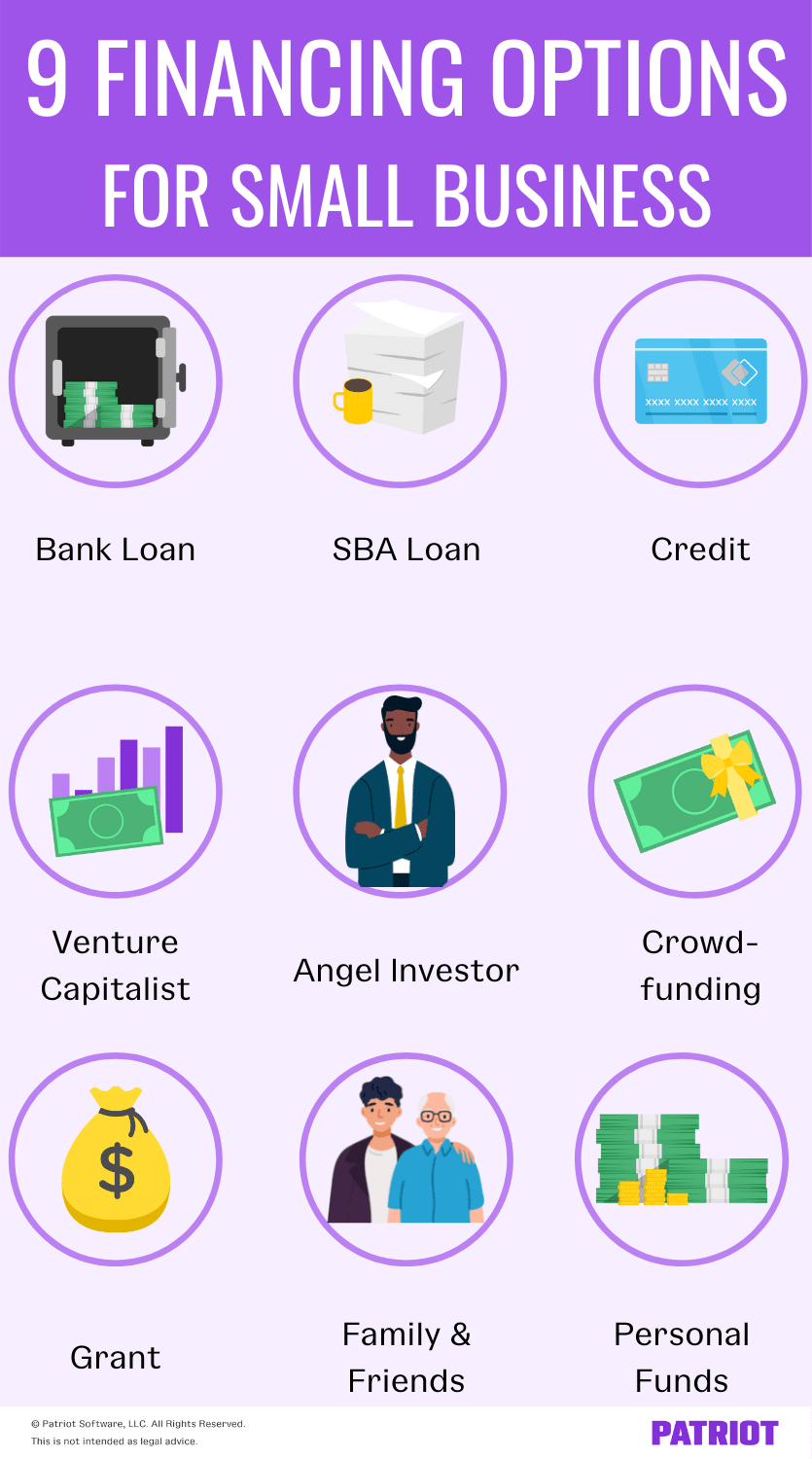
Traditional Bank Loans and Lines of Credit
Commercial banks remain a primary source of debt financing for established businesses with strong credit histories and collateral.
- Term Loans: These provide a lump sum of capital that is repaid over a fixed term, with either fixed or variable interest rates. They are often used for significant capital expenditures like equipment purchases or facility expansion.
- Lines of Credit: Similar to a credit card for your business, a line of credit offers flexible access to funds up to a certain limit. Businesses can draw upon it as needed and repay what they use, making it ideal for managing working capital fluctuations or bridging short-term cash flow gaps. Banks typically require a solid business plan, financial statements, and sometimes personal guarantees or collateral.
Government-Backed (SBA) Loans
In the United States, the Small Business Administration (SBA) does not lend money directly but guarantees a portion of loans made by commercial lenders. This reduces the risk for banks, making them more willing to lend to small businesses that might not qualify for conventional loans. SBA loans, such as the 7(a) loan program, offer longer repayment terms and lower down payments than traditional loans, making them highly attractive for startups and small businesses. Eligibility often depends on business size, industry, and the purpose of the loan.
Alternative Lenders and Online Platforms
The rise of financial technology (fintech) has led to a proliferation of alternative lenders and online platforms. These lenders often have less stringent requirements than traditional banks and can provide quicker access to capital.
- Online Lenders: Websites like Funding Circle, OnDeck, and Kabbage offer various loan products, including term loans and lines of credit, often with streamlined application processes and faster approval times. While convenient, interest rates can sometimes be higher than traditional bank loans.
- Peer-to-Peer (P2P) Lending: Platforms such as Prosper and LendingClub connect businesses directly with individual investors willing to lend money. This model can offer competitive rates for borrowers with good credit.
Equipment Financing and Invoice Factoring
Specific debt financing options cater to particular business needs.
- Equipment Financing: If your business needs to acquire new machinery or technology, equipment loans allow you to finance the purchase, with the equipment itself serving as collateral. This preserves your working capital for other operational needs.
- Invoice Factoring (Accounts Receivable Financing): For businesses that deal with slow-paying customers, invoice factoring involves selling your unpaid invoices to a third-party company (a “factor”) at a discount. The factor then collects the payment from your customers. This provides immediate cash flow, improving liquidity, but at a cost.
Tapping into Equity Investment Opportunities
Equity financing involves selling a portion of your company’s ownership in exchange for capital. While this means relinquishing some control and sharing future profits, it eliminates the burden of debt repayment, freeing up cash flow for growth.
Bootstrapping and Personal Savings
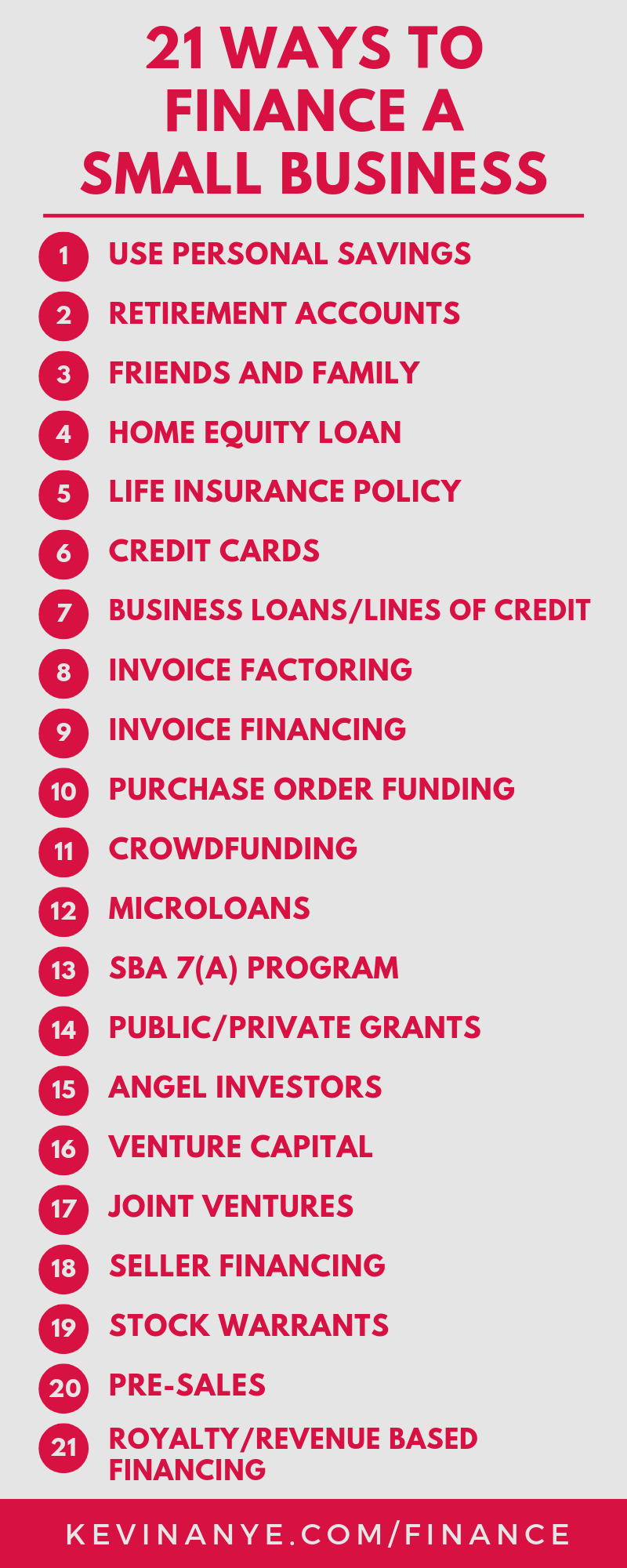
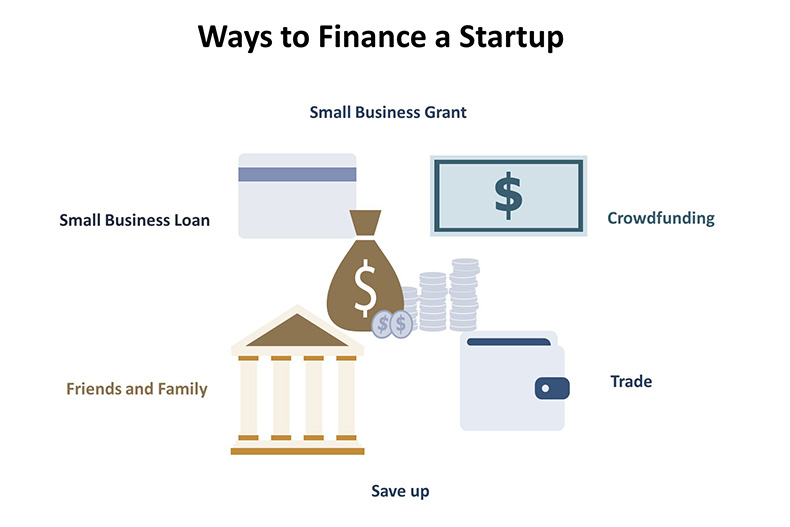
Many businesses begin by bootstrapping, funding operations through personal savings, credit cards, or early revenues. This approach demands lean operations and careful financial management but allows entrepreneurs to maintain complete control and prove their concept without external pressures. It builds a solid foundation and often makes a business more attractive to investors later on.
Friends, Family, and Angel Investors
Once personal resources are exhausted, entrepreneurs often turn to their immediate network.
- Friends and Family: This can be a quick and accessible source of capital, but it’s crucial to treat these arrangements professionally with clear terms, even if they are more flexible than traditional loans.
- Angel Investors: High-net-worth individuals who invest their own money in early-stage startups in exchange for equity. Angels often bring valuable industry experience, mentorship, and connections in addition to capital. They typically invest smaller amounts than venture capitalists and are crucial for many nascent businesses.
Venture Capital and Private Equity
For businesses with high growth potential and scalability, venture capital (VC) firms and private equity (PE) funds are significant sources of equity.
- Venture Capital: VC firms invest in startups and young companies that have demonstrated rapid growth potential but require substantial capital to scale. They typically take a significant equity stake and often demand a seat on the board, offering strategic guidance and operational expertise. VC funding is highly competitive and often sought after by tech startups and disruptive innovators.
- Private Equity: PE firms generally invest in more mature, established companies that are looking to restructure, expand, or undergo ownership changes. They typically invest larger sums and aim for a controlling interest.
Crowdfunding for Equity and Rewards
Crowdfunding platforms have democratized access to capital, allowing businesses to raise funds from a large number of individuals, often via the internet.
- Equity Crowdfunding: This allows companies to sell small equity stakes to a broad base of individual investors, enabling public participation in early-stage investments, often through regulated platforms.
- Rewards-Based Crowdfunding: Platforms like Kickstarter and Indiegogo allow businesses to pre-sell products or offer unique rewards in exchange for funding, without giving up equity. This not only raises capital but also helps validate market demand and build a community around the product.
Preparing for a Successful Funding Pitch
Regardless of the financing path you choose, thorough preparation is non-negotiable. Lenders and investors alike scrutinize various aspects of your business to assess risk and potential return.
Crafting a Compelling Business Plan
Your business plan is the cornerstone of your funding application. It must clearly articulate your vision, mission, market opportunity, competitive advantages, operational strategy, management team, and, critically, your financial projections. A well-researched, realistic, and persuasive business plan demonstrates your understanding of the market and your capability to execute. It should answer key questions about your product/service, target market, revenue model, and growth strategy.
Robust Financial Projections and Models
Investors and lenders need to see a clear path to profitability and return on investment. Develop detailed financial forecasts, including startup costs, operational budgets, sales projections, cash flow statements, and projected balance sheets for at least three to five years. Be prepared to justify every assumption made in your projections. Highlighting potential risks and outlining mitigation strategies will also strengthen your credibility. Consider different scenarios (best-case, worst-case, realistic) to show comprehensive planning.
Building a Strong Management Team and Credit Profile
Lenders and investors often invest in people as much as ideas. A strong, experienced management team with a proven track record is a significant asset. Highlight the expertise and complementary skills of your team members.
For debt financing, your personal and business credit scores are paramount. Ensure your personal credit is in excellent shape, as many small business loans require a personal guarantee. For established businesses, building a strong business credit profile by paying bills on time, managing debt responsibly, and establishing credit with suppliers can significantly improve your chances of securing favorable loan terms.
Strategic Considerations for Choosing the Right Funding Path
The decision of how to finance your business is rarely straightforward. It requires a careful evaluation of various factors that extend beyond just the amount of capital offered.
Retaining Control vs. Sharing Ownership
One of the most fundamental trade-offs in financing is between debt and equity. Debt financing allows you to retain full ownership and control but burdens you with repayment obligations. Equity financing dilutes your ownership and may involve ceding some control or board seats, but it offers capital without the immediate pressure of debt repayment. Your comfort level with sharing decision-making and your long-term vision for autonomy should heavily influence this choice.
Cost of Capital and Repayment Terms
Evaluate the true cost of each financing option. For debt, this includes interest rates, origination fees, and other associated charges. For equity, the “cost” is the percentage of ownership you give up and the potential dilution of future profits. Compare repayment schedules, grace periods, and any penalties for early repayment or default. Understand how interest is calculated (fixed vs. variable) and what collateral might be required. A lower interest rate might look appealing, but unfavorable terms or short repayment periods could strain cash flow.
Risk Assessment and Future Growth Potential
Consider the level of risk associated with each funding source. Can your business comfortably manage the debt repayments even during lean periods? Are you comfortable with the expectations and potential exit strategies of equity investors? Some financing options are more suited for high-growth, high-risk ventures, while others are better for stable, predictable businesses. Think about your long-term growth aspirations. Will the chosen financing option provide sufficient capital for future expansion, or will it limit your ability to secure further funding down the line?
Financing a business is a dynamic and ongoing process that requires careful planning, diligent research, and strategic decision-making. There is no one-size-all solution; the ideal financing mix is unique to each business’s stage, industry, and goals. By thoroughly understanding your needs, exploring the diverse options available, meticulously preparing your pitch, and thoughtfully considering the strategic implications, you can secure the capital necessary not just to launch, but to sustain and scale your business towards enduring success. The journey may be challenging, but with the right financial strategy, your entrepreneurial vision can truly take flight.
aViewFromTheCave is a participant in the Amazon Services LLC Associates Program, an affiliate advertising program designed to provide a means for sites to earn advertising fees by advertising and linking to Amazon.com. Amazon, the Amazon logo, AmazonSupply, and the AmazonSupply logo are trademarks of Amazon.com, Inc. or its affiliates. As an Amazon Associate we earn affiliate commissions from qualifying purchases.