
Embarking on the entrepreneurial journey is often described as exhilarating, daunting, and incredibly rewarding. For many, the dream of being their own boss, innovating, and creating value is a powerful motivator. However, turning that dream into a tangible reality hinges fundamentally on one critical element: astute financial management. Opening a business isn’t just about a great idea; it’s about meticulously planning, securing, and managing the capital that will bring that idea to life and sustain it through its nascent stages and beyond. This article will guide you through the essential financial steps to open your own business, ensuring a solid foundation for sustainable growth and profitability.

Laying the Financial Foundation: Business Planning and Funding
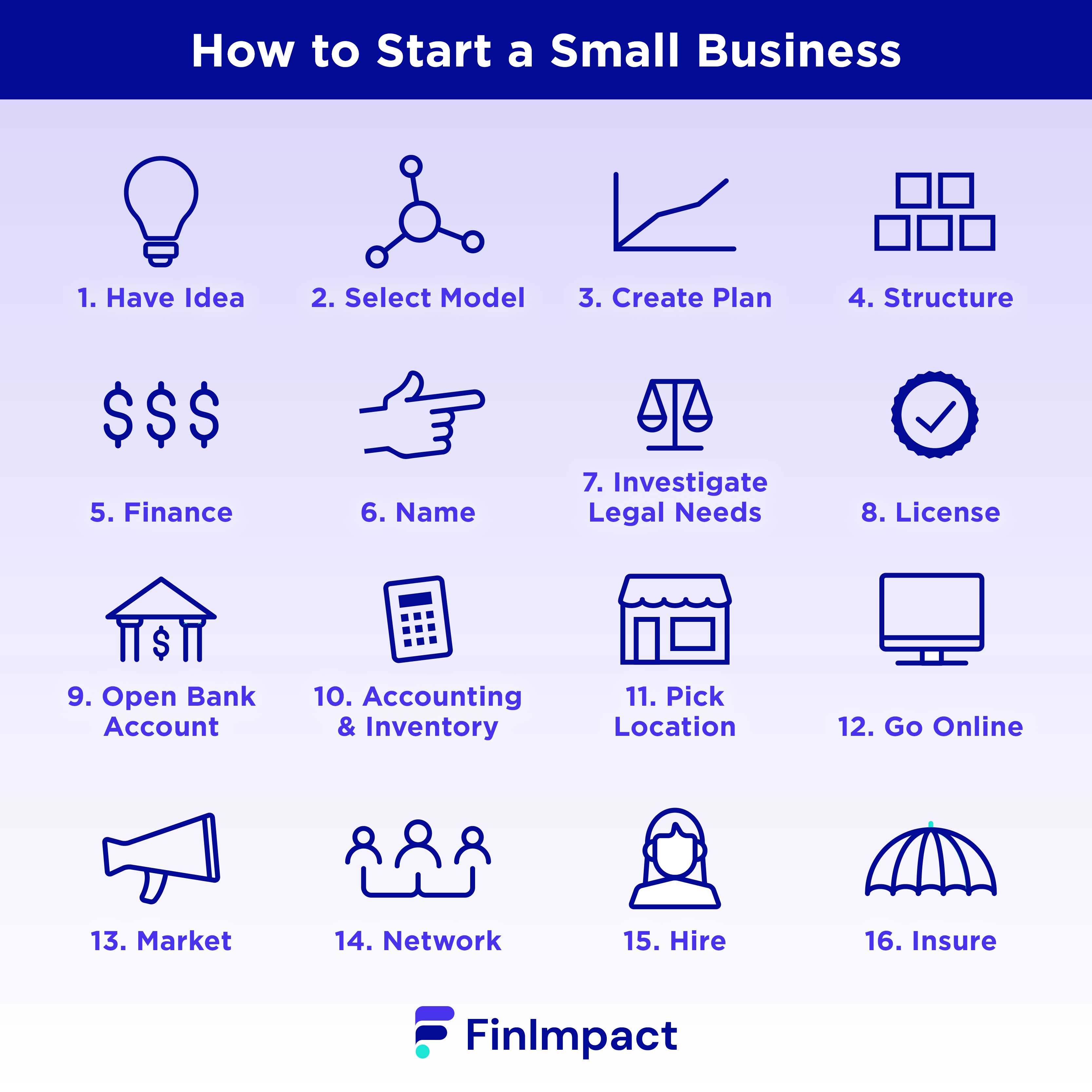
Before a single product is sold or service rendered, the financial architecture of your business must be meticulously designed. This involves rigorous planning and strategically securing the necessary capital.
Developing a Robust Business Plan (with a Financial Lens)
A business plan is far more than a document to impress investors; it’s your operational blueprint and, crucially, your financial roadmap. Every section, from market analysis to operational strategies, must be viewed through a financial lens.
- Financial Projections: This is the bedrock of your business plan. You’ll need to forecast revenue, direct costs (Cost of Goods Sold – COGS), operating expenses (salaries, rent, utilities, marketing), and ultimately, your projected profit margins. Be realistic, but also consider different scenarios (best-case, worst-case, most likely). These projections will inform pricing strategies, budget allocations, and future investment decisions.
- Market Analysis and Financial Viability: Understand your target market’s spending habits, purchasing power, and willingness to pay. This research helps you set competitive and profitable pricing strategies. A deep dive into competitors’ financial models can also offer invaluable insights into industry benchmarks for costs and profitability.
- Operational Costs Assessment: Break down every single cost associated with running your business. This includes one-time startup costs (equipment, legal fees, initial inventory) and ongoing operational expenses. Overlooking small costs can quickly erode initial capital.
- Break-Even Analysis: Calculate the point at which your total revenue equals your total expenses, meaning you’re neither making a profit nor incurring a loss. This figure is critical for understanding how much you need to sell or how many services you need to provide just to cover your costs. It helps set sales targets and pricing.
Securing Essential Funding for Your Venture
Once your financial projections are clear, the next step is to secure the capital needed to launch and operate until profitability. This requires understanding various funding sources and their implications.
- Bootstrapping: This involves self-funding your business, typically through personal savings, credit cards, or generating early revenue. Bootstrapping maintains full ownership and control but often limits growth speed and capital available for scaling. It demands a lean startup approach, focusing on cost efficiency and rapid revenue generation.
- Debt Financing: This involves borrowing money that must be repaid with interest. Common forms include:
- Bank Loans: Traditional loans from financial institutions, often requiring a solid business plan, collateral, and a good personal credit score.
- Lines of Credit: Flexible borrowing options that allow access to funds as needed, up to a certain limit.
- SBA Loans: Loans guaranteed by the U.S. Small Business Administration, making it easier for banks to lend to small businesses.
- Equity Financing: This involves selling a portion of your company’s ownership in exchange for capital.
- Angel Investors: High-net-worth individuals who provide capital for startups, often in exchange for ownership equity or convertible debt. They may also offer mentorship.
- Venture Capital (VC): Funds managed by professional investors who provide capital to companies with high growth potential, typically in exchange for significant equity stakes. VCs usually seek substantial returns and often have a more hands-on approach. Understanding valuation and potential dilution of your ownership is critical here.
- Alternative Funding Sources:
- Grants: Non-repayable funds, often from government agencies or foundations, usually tied to specific criteria (e.g., innovation, social impact).
- Crowdfunding: Raising small amounts of capital from a large number of people, often through online platforms. This can be donation-based, reward-based, equity-based, or debt-based.
Regardless of the source, a well-prepared financial proposal, demonstrating meticulous planning and a clear path to profitability, is paramount for attracting investors or securing loans.
Legal & Financial Structures: Safeguarding Your Future
Choosing the right legal structure for your business has profound financial implications, affecting everything from personal liability to taxation and the ease of attracting investment.
Choosing the Right Business Structure (Tax & Liability Implications)
The legal structure determines how your business is taxed, your personal liability for business debts, and the administrative burden.
- Sole Proprietorship: Simplest to set up, owned by one individual. Business and owner are legally inseparable, meaning unlimited personal liability for business debts. Profits are taxed as personal income.
- Partnership: Two or more individuals agree to share in profits or losses. General partnerships involve unlimited personal liability for all partners. Limited partnerships (LP) and Limited Liability Partnerships (LLP) offer some liability protection for certain partners, but often require more complex agreements.
- Limited Liability Company (LLC): Offers the liability protection of a corporation (separating personal and business assets) with the simplified pass-through taxation of a sole proprietorship or partnership (profits are taxed only once at the owner’s individual income tax rate). It’s a popular choice for small to medium-sized businesses.
- Corporation (C-Corp, S-Corp): A corporation is a separate legal entity from its owners.
- C-Corp: Offers the strongest liability protection. Profits are taxed at the corporate level, and then again when distributed to shareholders as dividends (double taxation). Best for businesses planning to raise significant capital through equity or eventually go public.
- S-Corp: Avoids double taxation by passing income, losses, deductions, and credits through to its shareholders’ personal income. It has strict requirements regarding the number and type of shareholders.
Carefully consider your personal risk tolerance, anticipated profits, and future growth plans when selecting a structure. Consulting with a legal and tax professional is highly recommended to understand the precise financial ramifications for your specific situation.
Understanding Registrations, Licenses, and Compliance Costs

Beyond the business structure, establishing legal legitimacy involves a series of registrations and adherence to various regulations, each often carrying a cost.
- Federal Registrations: If you plan to hire employees, you’ll need an Employer Identification Number (EIN) from the IRS, which is essential for tax purposes.
- State and Local Registrations: This includes registering your business name (doing business as – DBA), obtaining general business licenses, and potentially sales tax permits if you’re selling taxable goods or services. These vary significantly by location and industry.
- Industry-Specific Permits and Licenses: Many industries (e.g., food service, healthcare, construction) require specialized licenses and permits to operate legally, often involving inspections and fees.
- Compliance Costs: Be prepared for ongoing costs related to compliance, including legal fees for contracts and agreements, accounting fees for tax preparation and financial audits, and annual renewal fees for licenses and registrations.
- Separating Personal and Business Finances: From day one, establish separate bank accounts and credit cards for your business. This is crucial for accurate financial tracking, simplified tax preparation, and maintaining the legal distinction between you and your business, especially if operating as an LLC or corporation.
Managing Your Business Finances: Operations and Growth
Opening your business is just the beginning. Sustainable success hinges on diligent and proactive financial management of day-to-day operations and strategic planning for growth.
Essential Financial Management Practices from Day One
Effective financial management is a continuous process that safeguards your business’s health.
- Budgeting and Cash Flow Management: A robust budget serves as your financial guardrail, allocating funds to different areas of your business. Crucially, focus on cash flow – the actual money moving in and out of your business. Positive cash flow is vital for paying bills, employees, and suppliers on time. Monitor your cash flow statement regularly to identify potential shortages or surpluses.
- Bookkeeping and Accounting Systems: Implement a reliable system for recording all financial transactions. This can range from simple spreadsheets for very small businesses to dedicated accounting software like QuickBooks, Xero, or FreshBooks. Accurate bookkeeping is essential for tax compliance, financial reporting, and making informed decisions. Consider hiring a professional accountant or bookkeeper, especially as your business grows.
- Expense Tracking and Cost Control: Meticulously track all business expenses. This not only aids in tax deductions but also helps identify areas where costs can be reduced without compromising quality or operational efficiency. Regularly review vendor contracts and operational processes for potential savings.
- Pricing Strategies and Profit Margin Optimization: Continuously evaluate your pricing. Is it competitive? Does it adequately cover your costs and provide a healthy profit margin? Understand how changes in volume, costs, or market demand impact your margins. Don’t be afraid to adjust pricing as your business evolves and market conditions shift.
Financial Tools and Resources for Entrepreneurs
Leveraging the right tools can significantly streamline financial management.
- Accounting Software: Solutions like QuickBooks, Xero, and FreshBooks automate many bookkeeping tasks, generate financial reports, and simplify tax preparation.
- Payment Processing Solutions: Secure and efficient payment gateways (e.g., Stripe, PayPal, Square) are essential for collecting revenue, whether online or in person. Understand their transaction fees and how they impact your profit margins.
- Financial Forecasting Tools: While your initial business plan has forecasts, ongoing tools can help you model future revenue and expenses based on current performance and market trends. Many accounting software packages include these features.
- Business Banking Services: Choose a bank that offers services tailored to small businesses, such as business checking accounts, savings accounts, and potentially lines of credit or merchant services.
- Professional Financial Advice: Regular consultations with an accountant, financial advisor, or business coach specializing in finance can provide invaluable insights, help with tax planning, and guide strategic financial decisions.
Sustainable Growth and Financial Scaling
Opening your business is the first chapter; the goal is to write many more chapters of growth and success. This requires strategic financial planning for expansion and continuous monitoring of financial performance.
Reinvesting Profits and Strategic Financial Planning
As your business begins to generate profits, critical decisions arise regarding how to utilize these funds for future growth.
- Deciding on Profit Allocation: You’ll need to weigh reinvesting profits back into the business (e.g., for new equipment, product development, increased marketing, hiring more staff), paying down debt, or distributing profits to owners. A balanced approach often works best, ensuring both stability and growth.
- Scaling Operations: Growth often requires additional capital. Strategic financial planning involves forecasting these needs for expanding into new markets, developing new products or services, increasing production capacity, or acquiring other businesses. This may necessitate revisiting funding sources.
- Building a Business Emergency Fund: Just like personal finance, a business needs a buffer. Setting aside a portion of profits into an emergency fund can protect your business from unforeseen downturns, major equipment failures, or economic shocks, providing crucial liquidity when needed.
Monitoring Financial Performance and Adapting
Continuous financial oversight is non-negotiable for long-term success.
- Key Performance Indicators (KPIs): Identify and regularly track relevant financial KPIs. These might include revenue growth rate, gross profit margin, net profit margin, customer acquisition cost (CAC), customer lifetime value (LTV), inventory turnover, and operating cash flow. These metrics provide a snapshot of your business’s health and efficiency.
- Regular Financial Reviews and Adjustments: Don’t let your financial plan gather dust. Conduct quarterly or monthly reviews of your financial statements (Income Statement, Balance Sheet, Cash Flow Statement) against your budget and projections. Identify discrepancies, understand their causes, and be prepared to adapt your business model, pricing, or operational strategy based on these insights.
- Understanding Financial Statements: Familiarize yourself with the three core financial statements. The Income Statement (or Profit & Loss statement) shows your profitability over a period. The Balance Sheet provides a snapshot of your assets, liabilities, and equity at a specific point in time. The Cash Flow Statement tracks the actual movement of cash, distinguishing between operating, investing, and financing activities. A thorough understanding empowers you to make data-driven decisions.
Opening your own business is an endeavor that combines passion with practicality. While a compelling vision and a strong product or service are vital, it is the meticulous attention to financial planning, securing appropriate funding, establishing sound legal and financial structures, and diligent ongoing financial management that truly forms the bedrock of a successful and sustainable enterprise. Approach your venture with financial acumen, and you’ll be well-equipped to navigate the challenges and seize the immense opportunities that entrepreneurship offers.
aViewFromTheCave is a participant in the Amazon Services LLC Associates Program, an affiliate advertising program designed to provide a means for sites to earn advertising fees by advertising and linking to Amazon.com. Amazon, the Amazon logo, AmazonSupply, and the AmazonSupply logo are trademarks of Amazon.com, Inc. or its affiliates. As an Amazon Associate we earn affiliate commissions from qualifying purchases.