
In an era defined by dynamic economic shifts and an ever-evolving digital landscape, the allure of entrepreneurship has never been stronger. Millions worldwide are seeking to transcend traditional employment, captivated by the promise of financial autonomy, personal fulfillment, and the ability to build something truly their own. The question, “What is a great small business to start?” is more than just a query; it’s a foundational step towards identifying ventures that offer not only personal satisfaction but also robust financial viability and sustainable growth. This exploration will delve into the core principles of identifying, launching, and nurturing small businesses that promise significant returns on investment—both monetary and personal—all within the purview of sound financial strategy.
The Core Principles of Financially Sound Small Businesses
Starting a business is inherently a financial endeavor. Its “greatness” is often measured not just by its innovative spirit or societal impact, but by its ability to generate consistent revenue, manage expenses efficiently, and ultimately, build wealth for its owner. Understanding these financial underpinnings is crucial before even brainstorming ideas.
Identifying High-Demand, Low-Overhead Opportunities
A cornerstone of a financially sound small business is its ability to operate leanly while tapping into a significant market need. High-demand ensures a steady stream of customers, while low-overhead minimizes initial capital outlay and ongoing operational costs, thereby accelerating the path to profitability. Consider businesses that leverage existing skills, digital tools, or readily available resources rather than requiring significant inventory, expensive real estate, or a large workforce. For instance, consulting services, virtual assistance, specialized online tutoring, or digital marketing agencies often have minimal startup costs but address pressing needs for individuals and other businesses. The key here is maximizing the gross profit margin from the outset.
Prioritizing Scalability and Profit Margins
A “great” small business isn’t just profitable today; it possesses the potential for growth without a proportional increase in costs. Scalability is a financial superpower, allowing you to serve more customers and generate more revenue with incremental additions to your operational expenses. Businesses offering digital products (e-books, online courses, software subscriptions), recurring services (subscription boxes, SaaS), or repeatable processes (franchise models, licensing) are inherently scalable. High profit margins mean that a larger portion of every dollar earned contributes to your bottom line, insulating you against market fluctuations and providing more capital for reinvestment and expansion. Analyze potential ventures not just on their revenue potential, but on how much of that revenue translates into actual profit after all costs are considered.
Understanding Your Target Market’s Spending Habits
Financial success hinges on meeting a market need at a price point customers are willing to pay. A deep understanding of your target market’s demographics, psychographics, pain points, and spending behaviors is paramount. Are they price-sensitive or value-driven? Do they prefer convenience over customization? Are they willing to pay a premium for quality or exclusivity? Conducting thorough market research—surveys, focus groups, competitive analysis—will provide invaluable insights into pricing strategies, product positioning, and effective marketing channels, ensuring your financial projections are grounded in reality. This understanding helps in forecasting sales, optimizing marketing spend, and ultimately, securing your revenue streams.
Low-Cost Startup Ventures with High Return Potential
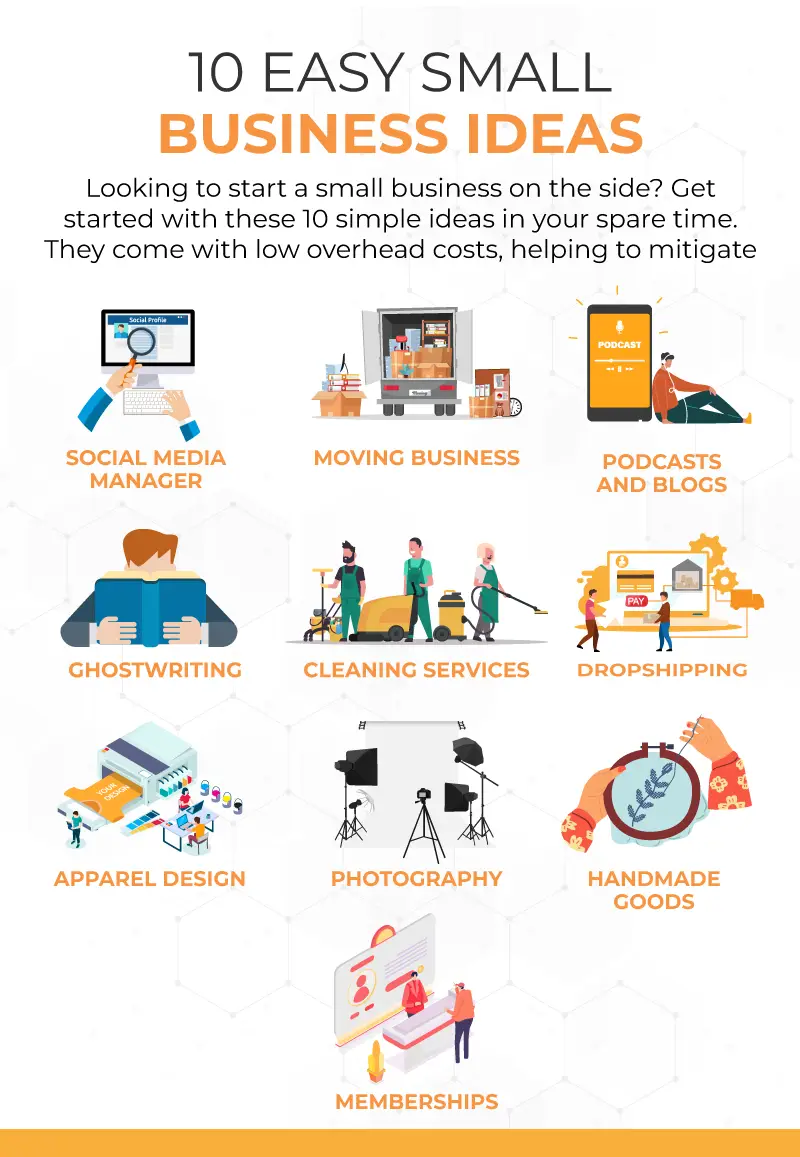
For aspiring entrepreneurs with limited capital, the focus shifts to business models that require minimal initial investment but offer significant upside. These ventures often leverage personal skills, digital platforms, and innovative service delivery.
Service-Based Businesses: Leveraging Your Skills for Direct Income
Service-based businesses are often the most accessible entry point into entrepreneurship. If you possess a marketable skill—be it writing, graphic design, web development, accounting, personal training, or handyman services—you can package it as a service. The “cost” is primarily your time and expertise, with minimal overhead for tools or software. The return potential is direct and immediate; you get paid for your output. The financial benefit here is that there’s usually no inventory to manage, no physical storefront, and often, clients pay upfront or in stages, improving cash flow. Focus on specialized niches where your skills can command premium rates, transforming a side hustle into a full-fledged income stream.
E-commerce and Dropshipping: Digital Stores with Minimal Inventory Risk
The digital marketplace offers unprecedented opportunities for retail without the traditional overheads. E-commerce platforms (Shopify, Etsy) make it easy to set up an online store. Dropshipping takes this a step further by eliminating the need to hold inventory. You act as the middleman, taking orders from customers and having a third-party supplier ship products directly to them. While profit margins can be tighter in dropshipping due to competitive pricing and supplier costs, the financial risk is dramatically reduced as you only pay for goods once they’ve been sold. The focus shifts to marketing and customer acquisition, which can be managed with relatively low digital ad spend if targeted correctly.
Content Creation and Digital Products: Monetizing Expertise and Creativity
The creator economy is booming, presenting myriad opportunities to monetize knowledge, passion, and creativity. Whether it’s starting a YouTube channel, a podcast, a blog, writing an e-book, or developing online courses, the initial investment is often in time and basic equipment (camera, microphone, editing software). Once created, digital products can be sold repeatedly without additional production costs, leading to very high-profit margins. Revenue streams can diversify through advertising, sponsorships, affiliate marketing, and direct sales. This model offers incredible scalability and the potential for passive income, making it a highly attractive option for long-term financial freedom.
Navigating the Financial Landscape of a New Venture
Once an idea takes root, the practicalities of managing its finances come to the forefront. Sound financial management is not just about tracking expenses; it’s about strategic planning that ensures longevity and profitability.

Securing Initial Funding and Managing Cash Flow
Many small businesses start with personal savings, a low-interest loan from family, or a microloan. For some, bootstrapping—funding growth solely through retained earnings—is the preferred method. Regardless of the source, meticulously planning your initial funding and forecasting your cash flow is critical. Understand your burn rate (how quickly you spend through cash) and establish clear financial milestones. Implementing robust invoicing systems, negotiating favorable payment terms with suppliers, and having a reserve fund are all essential practices to maintain healthy cash flow, preventing one of the most common reasons for small business failure.
Pricing Strategies for Profitability and Market Competitiveness
Setting the right price for your products or services is a delicate balance. Price too high, and you might deter customers; price too low, and you’ll struggle to cover costs and make a profit. Consider various pricing models: cost-plus pricing (adding a markup to your costs), value-based pricing (charging based on the perceived value to the customer), competitive pricing (matching or beating competitors), or tiered pricing (offering different packages). Your chosen strategy must align with your target market, brand positioning, and crucially, ensure a healthy profit margin while remaining competitive. Regular review and adjustment of pricing based on market feedback and cost changes are vital.
Essential Financial Tools and Practices for Small Businesses
Even the smallest business benefits from professional financial management. Utilize accounting software (e.g., QuickBooks, Xero, FreshBooks) to track income and expenses, generate financial reports, and streamline tax preparation. Separate business and personal finances from day one by opening a dedicated business bank account. Implement budgeting practices to control spending and allocate resources effectively. Regularly review key performance indicators (KPIs) such as gross profit margin, net profit margin, customer acquisition cost (CAC), and customer lifetime value (CLTV) to gauge financial health and inform strategic decisions. Proactive financial management isn’t just about compliance; it’s a powerful tool for growth.
Niche Markets: Finding Your Financial Sweet Spot
The pursuit of a “great” small business often leads to specialized niche markets. These smaller, more focused segments can offer significant financial advantages over trying to compete in broad, saturated markets.
Identifying Underserved Communities and Specific Needs
Rather than broadly serving “everyone,” a successful financial strategy often involves identifying a specific group with unmet needs or a unique problem. These underserved communities, while smaller in number, often exhibit high loyalty and willingness to pay for solutions tailored precisely to them. Examples include eco-friendly products for specific dietary restrictions, specialized software for a particular industry, or bespoke services for a unique hobbyist group. By narrowing your focus, you can become the go-to expert, attracting customers who are actively searching for what you offer, reducing marketing costs, and enhancing financial predictability.
Building Expertise and Authority to Command Premium Pricing
In a niche market, you have the opportunity to establish yourself as an authority or expert. This positioning allows you to command higher prices for your products or services, as customers are often willing to pay a premium for specialized knowledge, superior quality, or a highly tailored solution. Investing time and effort into continuous learning, thought leadership (e.g., blogging, speaking), and building a strong reputation within your niche translates directly into increased perceived value and, consequently, increased revenue and profit margins. This strategy shifts the focus from competing on price to competing on value and expertise.
Sustainable Growth and Long-Term Financial Viability
Niche markets, when cultivated correctly, can lead to highly sustainable businesses. With a loyal customer base and a strong reputation, repeat business and word-of-mouth referrals become powerful drivers of growth, reducing reliance on expensive marketing campaigns. Focusing on a specific segment also allows for deeper customer relationships and more accurate forecasting, enabling better financial planning. The goal is not just short-term profit but building a resilient business that can adapt, evolve, and generate consistent financial returns over many years, creating lasting wealth.
The Entrepreneurial Mindset: Beyond the Balance Sheet
While financial acumen is critical, the entrepreneurial journey demands a certain psychological toolkit that supports the financial decisions and navigates the inevitable challenges.
Resilience and Adaptability in Financial Planning
The path of a small business is rarely linear. Market conditions can shift, unexpected expenses can arise, and initial projections may fall short. A great small business owner possesses resilience—the ability to bounce back from financial setbacks—and adaptability—the willingness to pivot financial strategies when necessary. This means regularly reviewing your budget, reassessing market trends, and being prepared to adjust your revenue models or cost structures. Financial planning is an ongoing, dynamic process, not a static document.
Continuous Learning and Market Reassessment
The business world is constantly evolving, especially in the digital age. Great entrepreneurs are continuous learners, staying abreast of new technologies, market trends, and changes in consumer behavior that could impact their financial outlook. This includes understanding new payment gateways, emerging marketing channels, or changes in regulatory frameworks. Proactively seeking knowledge and reassessing your market position ensures that your business remains competitive and your financial strategies stay relevant, positioning you for sustained success.
The Importance of a Strong Financial Foundation for Future Growth
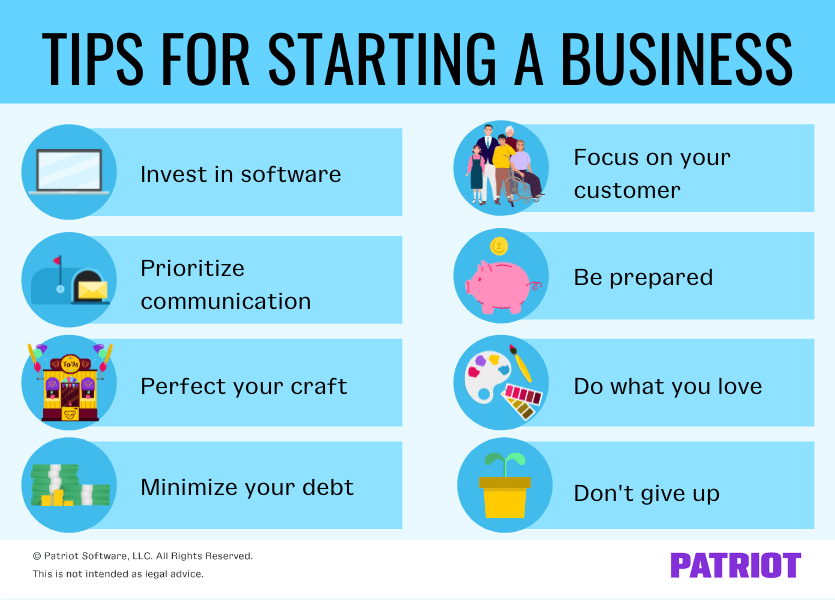
Ultimately, a great small business is one built on a strong financial foundation. This means not only generating profit but also managing debt responsibly, building reserves, and making strategic investments back into the business for future growth. A solid financial footing provides the stability needed to innovate, expand, and weather economic storms, transforming a promising idea into a thriving, wealth-generating enterprise that contributes positively to both your personal finances and the wider economy.
In conclusion, identifying “what is a great small business to start” involves a meticulous evaluation through a financial lens. It’s about more than just a good idea; it’s about a viable business model characterized by low overhead, high demand, scalability, and robust financial management. By focusing on these principles, aspiring entrepreneurs can unlock genuine opportunities for financial growth and build businesses that are not only personally rewarding but also enduringly profitable.
aViewFromTheCave is a participant in the Amazon Services LLC Associates Program, an affiliate advertising program designed to provide a means for sites to earn advertising fees by advertising and linking to Amazon.com. Amazon, the Amazon logo, AmazonSupply, and the AmazonSupply logo are trademarks of Amazon.com, Inc. or its affiliates. As an Amazon Associate we earn affiliate commissions from qualifying purchases.