
For investors, traders, and anyone engaged with the financial world, understanding the operational hours of global markets is not merely a matter of trivia—it’s a fundamental aspect of strategy, risk management, and effective decision-making. The seemingly simple question, “When does the market close today?” unlocks a complex landscape of market mechanics, regulatory frameworks, and global interconnectivity that directly impacts investment outcomes. This guide delves into the intricacies of market closing times, exploring their significance, common variations, and the critical implications for your financial journey.
Understanding Standard Market Trading Hours
The financial markets operate on a structured schedule, designed to facilitate orderly trading and provide a predictable environment for participants. While the general perception often revolves around a single “market,” the reality is a diverse ecosystem of exchanges, each with its own specific operating hours tailored to the asset classes it trades and its geographical location.
The Rhythms of Equities: NYSE and NASDAQ
In the United States, the equity markets are dominated by two major exchanges: the New York Stock Exchange (NYSE) and the NASDAQ Stock Market. Both exchanges adhere to a standard trading schedule that is critical for most stock market participants.
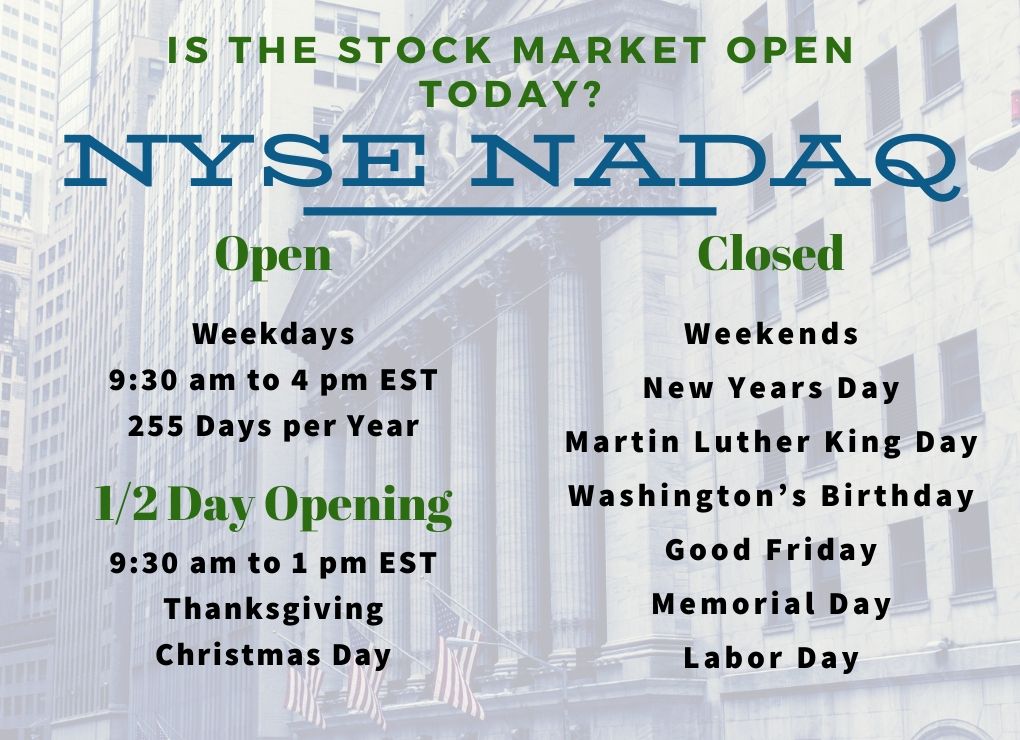
Typically, the regular trading session for both the NYSE and NASDAQ runs from 9:30 AM Eastern Time (ET) to 4:00 PM ET, Monday through Friday. This 6.5-hour window is when the vast majority of stock transactions occur, characterized by high liquidity and regulated price discovery. These hours represent the core period where market orders are executed, limit orders are filled, and daily closing prices are established. For investors, these hours define the period of peak activity, where news can have immediate and pronounced effects on stock prices. Understanding this rhythm is crucial for setting trading strategies, monitoring portfolios, and reacting to breaking corporate or economic news within the active trading day.
Bond Market Nuances: A Different Schedule
Unlike the equity markets, the bond market often operates on a slightly different schedule, particularly in the U.S. Fixed income trading, which encompasses government bonds, corporate bonds, and municipal bonds, typically concludes earlier than stock markets, often at 3:00 PM ET. This earlier close can be attributed to various factors, including the institutional nature of bond trading, which relies heavily on over-the-counter (OTC) transactions and less on direct exchange-based trading for retail investors. While the primary bond market closes earlier, some electronic trading platforms may extend their hours. The nuances of bond market hours become particularly relevant around holidays or specific economic releases, where early closures are more common than in the equity markets. Investors in fixed income need to be aware of these distinct timings, as they impact settlement procedures, interest rate adjustments, and the liquidity available for buying or selling bonds.
Global Perspectives: Markets Beyond Borders
The concept of “the market” closing today is inherently localized to one’s geographical and investment focus. However, in an interconnected global economy, understanding market hours extends far beyond domestic borders. When the U.S. market closes, other major financial centers around the world are either in full swing or preparing to open.
For instance, as the U.S. market winds down, Asian markets like the Tokyo Stock Exchange (TSE) and the Shanghai Stock Exchange (SSE) have already closed for their day or are preparing for the next, while European markets such as the London Stock Exchange (LSE) and the Frankfurt Stock Exchange (XTRA) operate during their respective business hours, often overlapping with the early hours of U.S. trading. This sequential opening and closing of global markets creates a continuous, 24-hour trading cycle across various asset classes, particularly in foreign exchange (Forex) markets. Global market activity significantly influences investor sentiment, commodity prices, and currency valuations, which can then impact domestic markets upon their opening. Staying informed about key global market hours is therefore essential for international investors or those whose portfolios are sensitive to global economic trends.
Navigating Exceptions and Special Circumstances
While standard trading hours provide a foundational structure, the financial markets are not immune to disruptions or planned alterations. These exceptions, ranging from public holidays to unexpected technical glitches, are critical for investors to monitor, as they can significantly impact liquidity, trading strategies, and the timing of financial decisions.
Public Holidays and Early Closures
Financial markets observe a specific set of public holidays, during which they remain completely closed. In the U.S., these typically include New Year’s Day, Martin Luther King, Jr. Day, Presidents’ Day, Good Friday, Memorial Day, Juneteenth National Independence Day, Independence Day, Labor Day, Thanksgiving Day, and Christmas Day. On these days, no regular trading occurs, and all market activity is paused.
Beyond full closures, markets also frequently observe early closures on days preceding or following certain holidays, such as the day before Independence Day or the day after Thanksgiving. On these days, the market might close at 1:00 PM ET instead of the usual 4:00 PM ET. These early closures reduce the trading window and can lead to lower liquidity and increased volatility in the abbreviated session. Investors must consult the official holiday schedules published by exchanges (like the NYSE or NASDAQ) well in advance to plan their trading and investment activities, avoid unexpected order delays, and manage potential liquidity constraints.
Unexpected Disruptions and Market Halts
In addition to scheduled closures, markets can experience unexpected disruptions that lead to temporary trading halts or even full closures. These can be triggered by a variety of factors:
- Technical Glitches: System failures, software bugs, or network issues within an exchange’s infrastructure can necessitate a temporary halt to trading to prevent disorderly markets or incorrect executions.
- Circuit Breakers: These are pre-defined mechanisms designed to curb panic selling or extreme volatility. If market indexes fall by a certain percentage within a specific timeframe (e.g., S&P 500 drops by 7%, 13%, or 20%), trading can be temporarily halted across the entire market to allow investors to reassess and prevent further rapid declines.
- Major News Events: While less common for full market closures, exceptionally significant geopolitical events, natural disasters, or unprecedented economic shocks could, in extreme circumstances, lead regulators to temporarily close markets to maintain stability.
Such halts, whether for individual stocks or the entire market, are critical events that investors must be aware of. They can interrupt order execution, affect real-time portfolio valuations, and require quick adjustments to trading strategies. Information regarding these disruptions is usually disseminated rapidly through financial news wires and brokerage platforms.
Pre-Market and After-Hours Trading
While the regular trading session dictates core market hours, technology has enabled trading to extend beyond these conventional windows through pre-market and after-hours sessions.
- Pre-Market Trading: Typically runs from 4:00 AM ET to 9:30 AM ET.
- After-Hours Trading: Usually extends from 4:00 PM ET to 8:00 PM ET.
These extended hours allow investors to react to news released outside of regular trading, such as corporate earnings announcements, analyst upgrades/downgrades, or late-breaking economic data. However, trading in these sessions comes with distinct characteristics and risks. Liquidity is generally much lower than during regular hours, leading to wider bid-ask spreads and potentially greater price volatility. Only certain order types (e.g., limit orders) are often accepted, and not all brokers offer the same access to these sessions. While offering flexibility, investors must exercise caution and understand the increased risks associated with trading when the market “technically” isn’t fully open.
The Strategic Importance of Market Closing Times for Investors
Beyond simply knowing when trading ceases, the market closing time holds profound strategic importance for investors. It marks a critical juncture that influences order execution, risk exposure, and the subsequent analysis of market performance. Savvy investors leverage this understanding to refine their approaches and protect their capital.
Order Execution and Volatility
The closing bell isn’t just a symbolic end to the trading day; it’s a period of concentrated activity. Many institutional investors and mutual funds place “market-on-close” or “limit-on-close” orders to rebalance portfolios or execute large block trades that aim for the day’s closing price. This rush of activity can often lead to increased volatility and significant price movements in the final minutes of trading.
For retail investors, understanding this phenomenon is vital. Placing market orders just before the close can expose one to unexpected price swings, potentially leading to less favorable execution prices than anticipated. Conversely, observing price action near the close can provide insights into institutional sentiment. Strategic investors might avoid placing urgent orders in the final minutes or, conversely, use limit orders to capitalize on potential short-term volatility. The settlement of trades also hinges on the closing price, impacting capital requirements and available funds for future transactions.
Impact on Portfolio Management and Risk
The market’s closure fundamentally shifts the nature of portfolio management from active trading to passive holding. Once markets close, investors are temporarily locked into their positions, unable to react to breaking news, economic reports, or global market shifts until the next trading day begins. This “lock-in” period introduces overnight risk. A company could announce disappointing earnings after hours, a geopolitical event could unfold, or a major economic indicator could be released, all of which could dramatically impact stock prices by the time the market reopens.
Effective portfolio management requires anticipating and mitigating this overnight risk. This might involve reducing exposure to highly volatile assets before the close, setting stop-loss orders (though these can be gapped over by significant overnight moves), or diversifying holdings to spread risk. Moreover, the closing prices are used to calculate daily portfolio valuations, performance metrics, and margin requirements, making the closing bell a crucial data point for financial reporting and risk assessment.
Data Analysis and Decision-Making Post-Closure
When the market closes, the active phase of trading ends, but the analytical phase truly begins. The closing bell provides a definitive end-point for the day’s data, allowing investors to process information, analyze trends, and refine their strategies without the immediate pressure of real-time price fluctuations.
After market close, a wealth of data becomes available: official closing prices, daily volume figures, sector performance summaries, and detailed technical analysis indicators. This is the ideal time to review individual stock performance, assess the impact of the day’s news, and conduct thorough research. Many corporate earnings calls and investor presentations occur after market close, providing new information that can inform decisions for the next trading day. Effective investors utilize the hours after the market closes for deep dives into financial statements, macroeconomic reports, and industry trends, transforming raw daily data into actionable insights for future investments. This period of reflection is critical for informed decision-making and avoiding impulsive reactions during active trading hours.
Tools and Resources for Tracking Market Schedules
Staying informed about market hours, especially during holidays or periods of potential disruption, is a non-negotiable aspect of successful investing. Fortunately, a wide array of reliable tools and resources are available to help investors keep track of ever-changing schedules.
Financial News Outlets and Websites
Major financial news outlets are indispensable resources for real-time market information, including updates on trading hours, holiday schedules, and unexpected market closures. Websites like Bloomberg, Reuters, The Wall Street Journal, CNBC, and Yahoo Finance regularly publish articles and dedicated sections detailing market calendars. These platforms are quick to report any early closures, temporary halts, or changes to standard operating hours. Many also offer interactive calendars that highlight upcoming holidays and special trading days. Subscribing to their newsletters or setting up news alerts can ensure that critical updates are delivered directly to your inbox or mobile device, allowing you to react promptly to any changes that might affect your trading plans.
Brokerage Platforms and Mobile Apps
Your personal brokerage platform is often the most direct and personalized source of market hour information. Most online brokers, such as Charles Schwab, Fidelity, E*TRADE, Interactive Brokers, and Robinhood, integrate market calendars and provide alerts directly within their web portals and mobile applications. These platforms often highlight specific holiday hours for the markets you actively trade, and some even send push notifications for early closures or unexpected halts. Furthermore, these platforms are where you execute trades, making their information on trading hours directly relevant to your ability to place or modify orders. Familiarizing yourself with your broker’s calendar and notification settings is a practical step toward avoiding missed opportunities or unexpected trading restrictions.
Official Exchange Calendars
For the most authoritative and up-to-date information, consulting the official websites of the exchanges themselves is always recommended. The New York Stock Exchange (NYSE) and NASDAQ both maintain comprehensive calendars on their respective websites, outlining regular trading hours, full holiday closures, and early closing days for the upcoming year. These calendars are typically organized by month or quarter, providing a clear overview of the schedule. For those trading international markets, similar official calendars can be found on the websites of exchanges like the London Stock Exchange (LSE), Tokyo Stock Exchange (TSE), and Euronext. While these may require a direct search, they offer the ultimate source of truth regarding market operational schedules and are invaluable for long-term planning, particularly for institutional investors or those involved in cross-border trading.
Beyond the Bell: What Happens After Markets Close?
The closing bell may signal the end of active trading, but it by no means signifies a halt to market-moving activities. In fact, the hours after the market closes are often bustling with events and information releases that shape investor sentiment and set the stage for the next trading day. Understanding what transpires “beyond the bell” is crucial for informed decision-making and anticipating future market movements.
Corporate News and Earnings Releases
A significant amount of corporate news, particularly quarterly earnings reports, is deliberately released after market close (or sometimes before market open). Companies choose these times to allow investors and analysts ample opportunity to digest the information without the immediate pressure of an open trading session. These announcements, which include revenue, profit, future guidance, and other key financial metrics, often contain critical data that can profoundly impact a stock’s price. A strong earnings beat or a disappointing miss can send a stock soaring or plummeting in after-hours trading and often dictate its trajectory for the following day’s regular session. Investors must track earnings calendars and be prepared to analyze these reports promptly to adjust their strategies or consider potential trades for the next morning.
Economic Data and Global Market Reactions
Major economic data, such as inflation reports, unemployment figures, interest rate decisions from central banks, or GDP growth numbers, are also frequently released outside of regular trading hours, particularly if they pertain to regions whose markets are closed. While U.S. markets are closed, global markets remain open and react to this data. For instance, an unexpected inflation report from Europe after the U.S. market closes could trigger significant movements in European equity and bond markets, currency exchange rates, and commodity prices. These reactions can then “bleed over” into U.S. futures markets and often influence the sentiment and direction of U.S. stock indices when they reopen. Astute investors monitor these global reactions and economic calendars to gauge potential market opening gaps or shifts in investor confidence.
Planning for the Next Trading Day
The hours after the market closes are an invaluable period for reflection, research, and planning. It’s the time when investors can step back from the real-time noise of intraday trading and calmly analyze the day’s performance, identify emerging trends, and strategize for the future. This includes:
- Reviewing Portfolio Performance: Assessing which investments performed well or poorly and why.
- Conducting Research: Delving deeper into company news, industry reports, or macroeconomic forecasts.
- Identifying Potential Trades: Screening for opportunities based on after-hours news or technical analysis.
- Adjusting Strategies: Fine-tuning risk management, setting new limit orders, or planning entry/exit points.
By utilizing this post-market window effectively, investors can transform potential overnight risks into informed opportunities, ensuring they are well-prepared and strategically positioned when the market reopens for another day of trading. The answer to “when market close today” is just the beginning of understanding the full financial cycle.