
For investors, analysts, and everyday observers alike, the question “What’s the Dow right now?” is more than a casual inquiry; it’s a direct peek into the health and sentiment of the U.S. stock market. The Dow Jones Industrial Average (DJIA), often simply referred to as “the Dow,” is one of the most widely watched stock market indices globally. While this article cannot provide you with a real-time, minute-by-minute quote – as that information is constantly in flux and best sourced from live financial data platforms – it aims to equip you with a comprehensive understanding of what the Dow represents, how to interpret its movements, and why its performance matters in the broader context of personal finance and investment strategy.
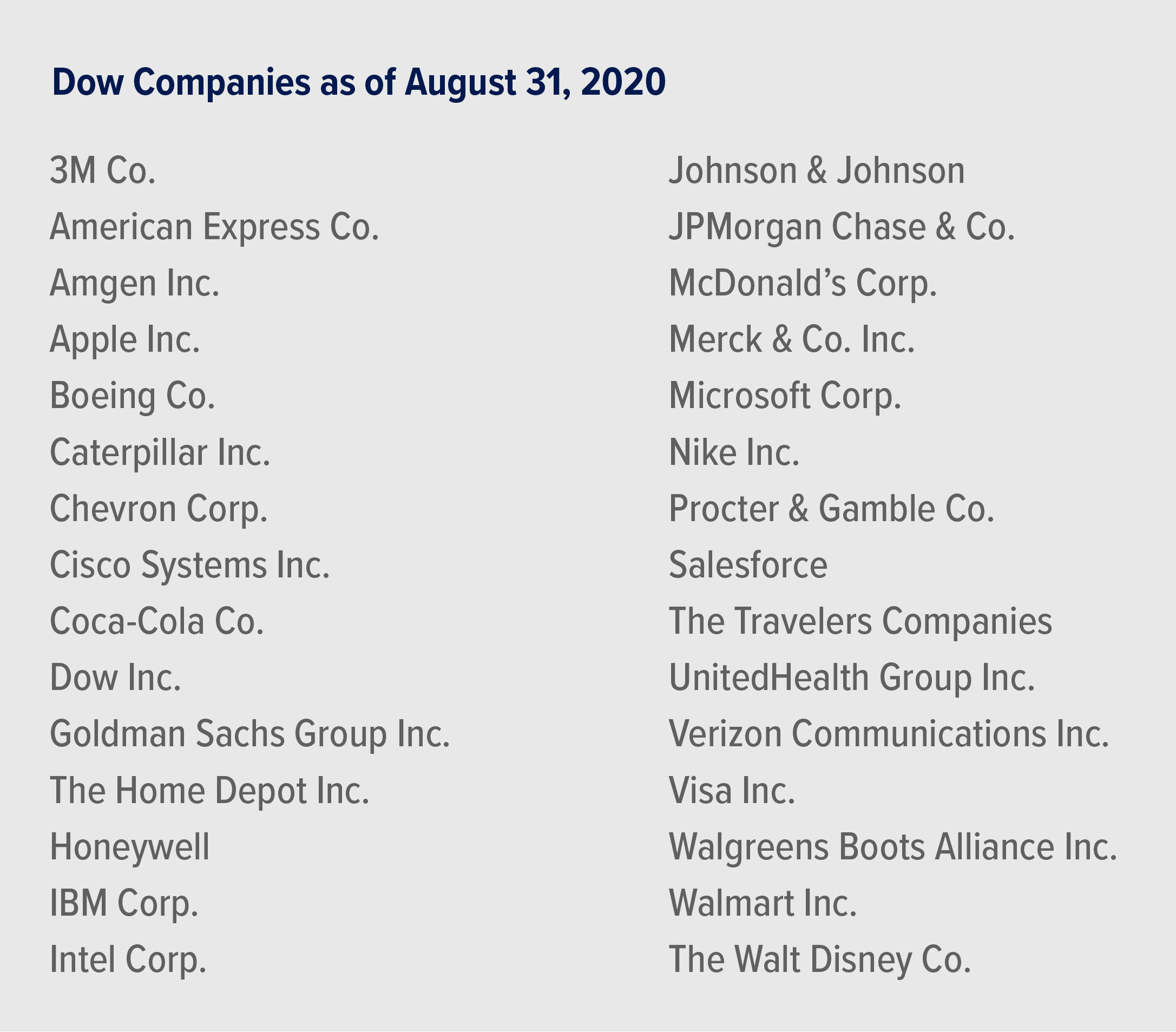
The Dow isn’t just a number; it’s a barometer of the performance of 30 of America’s largest and most influential publicly traded companies. Its daily fluctuations reflect a complex interplay of economic data, corporate earnings, geopolitical events, and investor psychology. Understanding these underlying factors is crucial for anyone looking to make informed financial decisions or simply grasp the narratives shaping the economic landscape. This exploration will delve into the Dow’s history, its current dynamics, and its role as an investment tool, offering insights that transcend mere numerical updates.
Understanding the Dow Jones Industrial Average (DJIA)
To truly appreciate the significance of “what’s the Dow right now,” one must first grasp its foundational elements. The Dow Jones Industrial Average is not merely a collection of stocks; it’s a carefully curated index designed to provide a snapshot of the industrial sector’s performance, although its scope has broadened significantly over its long history.
A Brief History and Calculation
Conceived by Charles Dow in 1896, the DJIA initially comprised 12 industrial companies. Its purpose was to track the performance of the dominant sectors of the American economy. Over time, as the economic landscape evolved, so too did the components of the Dow, now including companies from diverse sectors such as technology, healthcare, and finance, alongside traditional industrials. While the name “Industrial Average” remains, its composition reflects a much broader representation of the U.S. economy’s leading corporations.
Unlike many modern indices, the DJIA is a price-weighted average. This means that companies with higher stock prices have a greater impact on the index’s value than those with lower prices, regardless of their market capitalization. This unique calculation method, which involves dividing the sum of the prices of the 30 component stocks by a “Dow Divisor” (adjusted for stock splits, dividends, and other structural changes), distinguishes it from market-capitalization-weighted indices like the S&P 500. This price-weighted methodology is often a point of discussion among financial professionals, as it can sometimes lead to a single high-priced stock disproportionately influencing the index’s movement. Nevertheless, its long history and consistent methodology have solidified its place as a cornerstone of market analysis.
Why the Dow Matters
The Dow’s importance stems from several key factors that make it a critical indicator for investors and the public. Firstly, its components are some of the most recognizable and financially robust “blue-chip” companies in the world. These are often household names—companies like Apple, Microsoft, Johnson & Johnson, and JPMorgan Chase—whose performance is seen as a bellwether for corporate America. Their collective health offers valuable insights into the broader economic environment, reflecting trends in consumer spending, technological innovation, and global trade.
Secondly, the Dow’s movements are widely reported across all forms of media, often serving as the primary metric when discussing “the market.” Its straightforward nature—a single number moving up or down—makes it easily digestible for a broad audience, from seasoned investors to individuals with only a passing interest in finance. This accessibility contributes to its role in shaping public sentiment about the economy. A rising Dow is often associated with prosperity and investor confidence, while a falling Dow can signal economic headwinds or uncertainty. For many, it’s the simplest way to gauge the overall performance of the stock market and, by extension, the direction of the economy.
Navigating Current Market Dynamics
Understanding “what’s the Dow right now” involves more than just looking at a number; it requires an appreciation for the myriad forces that drive its daily, weekly, and yearly performance. The market is a dynamic entity, constantly reacting to new information and shifting perspectives.
Key Factors Influencing the Dow
Several critical factors consistently exert pressure on the Dow’s components and, consequently, on the index itself.
- Economic Indicators: Macroeconomic data points are paramount. Reports on GDP growth, inflation (Consumer Price Index, Producer Price Index), unemployment rates, manufacturing output, and retail sales all provide clues about the health of the economy. Positive indicators generally fuel optimism and push the Dow higher, as they suggest stronger corporate earnings potential. Conversely, negative data can trigger sell-offs.
- Corporate Earnings: The fundamental driver of stock prices is a company’s profitability. Quarterly earnings reports from the 30 Dow components are meticulously scrutinized. Strong earnings beats, positive guidance for future performance, and robust revenue growth often lead to rallies for individual stocks and contribute positively to the Dow’s overall performance. Missed expectations or cautious outlooks can have the opposite effect.
- Interest Rates and Monetary Policy: Decisions by the Federal Reserve, particularly regarding interest rates, have a profound impact. Higher interest rates can increase borrowing costs for businesses and consumers, potentially slowing economic growth and making fixed-income investments more attractive relative to stocks. Conversely, lower rates can stimulate economic activity and boost stock valuations. The Fed’s commentary on inflation and future policy direction is always closely watched.
- Geopolitical Events and Global News: International conflicts, trade disputes, political instability, and even major weather events can create significant market volatility. Companies within the Dow often have extensive global operations, making them susceptible to international developments. A trade war with a major economic partner, for example, could impact supply chains and profitability, leading to a decline in stock prices.
- Consumer Sentiment: The collective mood of consumers regarding their financial situation and the broader economy can influence spending habits, which in turn affects corporate revenues and earnings. Strong consumer confidence is a positive sign for the economy and the stock market.
How to Interpret Daily Movements
Observing the Dow’s daily movements requires a nuanced approach. A significant swing up or down on any given day can be alarming or exhilarating, but it’s crucial to put these short-term fluctuations into perspective.
- Short-Term vs. Long-Term: While daily headlines often focus on the immediate percentage change, savvy investors understand that the Dow’s true utility lies in its long-term trends. A single day’s movement, even a dramatic one, doesn’t necessarily indicate a fundamental shift in the market’s direction. It could be a reaction to a single piece of news, programmed trading, or simple market noise.
- Volatility and Market Noise: The market is inherently volatile. Factors like algorithmic trading, options expiration, and speculative activity can amplify daily swings. It’s important not to overreact to every uptick or downtick. Instead, look for consistent trends over weeks or months, as these are more indicative of underlying economic and corporate performance.
- Context is King: Always consider the context behind the movements. Was there a major economic report released? Did a prominent Dow component announce groundbreaking news? Is there a significant geopolitical event unfolding? Understanding why the Dow is moving helps in differentiating meaningful signals from transient noise. For instance, a rise driven by robust earnings from multiple companies is fundamentally different from a rise based on speculative rumors.
Beyond the Headlines: A Deeper Dive for Investors
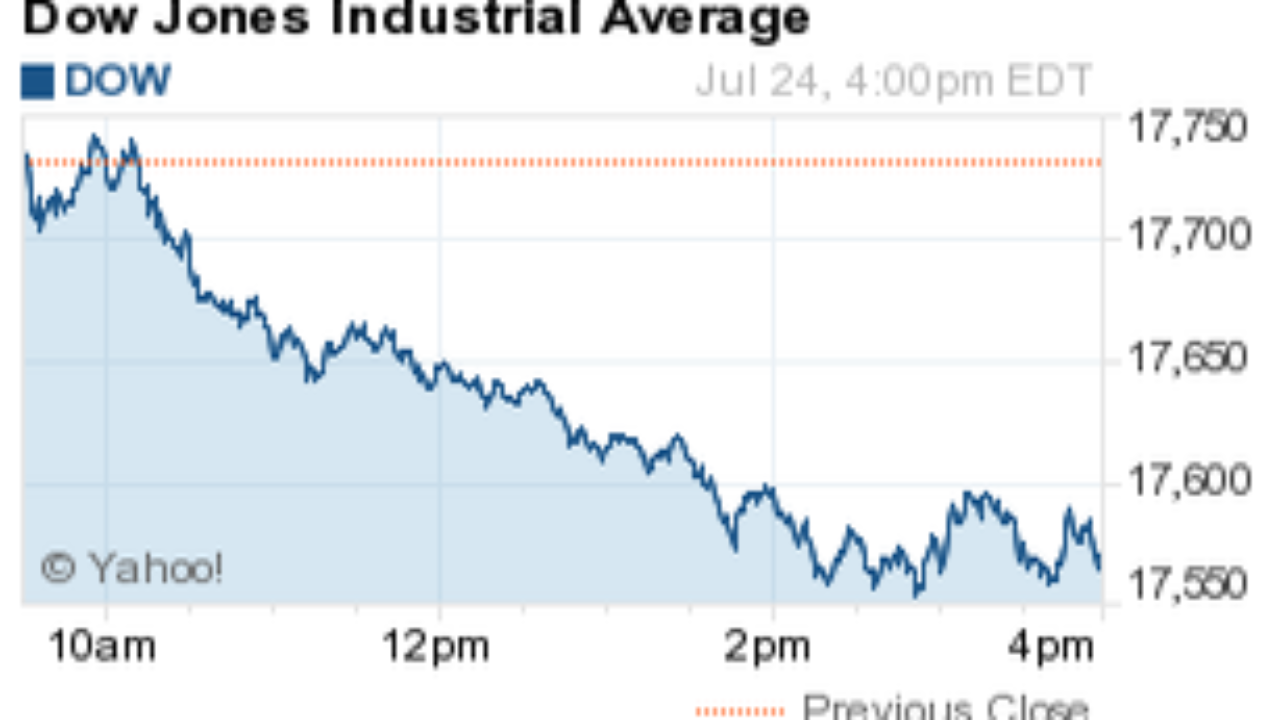
While “what’s the Dow right now” provides a quick snapshot, a deeper understanding of its strengths, limitations, and strategic application is vital for any serious investor. The Dow, despite its prominence, is just one piece of the investment puzzle.
The Dow’s Strengths and Limitations as a Market Barometer
The DJIA offers several undeniable strengths as a market indicator. Its focus on 30 large, established, and financially sound “blue-chip” companies means it represents a significant portion of U.S. economic output and corporate success. These companies are generally stable, well-diversified, and resilient, making the Dow a good proxy for the performance of the mature, leading edge of American capitalism. Its long history provides a valuable benchmark for comparing current market conditions with past economic cycles, offering a rich dataset for historical analysis. Furthermore, its simplicity and widespread recognition make it an excellent tool for communicating broad market sentiment to a general audience.
However, the Dow also has notable limitations that investors should be aware of.
- Narrow Scope: With only 30 companies, the DJIA is not as broad a representation of the overall U.S. economy as, say, the S&P 500, which tracks 500 companies. It omits thousands of other publicly traded companies, including many innovative mid-cap and small-cap firms that drive significant economic growth.
- Price-Weighted Bias: As previously discussed, its price-weighted methodology can give disproportionate influence to higher-priced stocks, irrespective of their actual market capitalization. This can distort its representation of the market’s true aggregate value. For example, a significant price movement in a single high-priced component can have a larger effect on the index than a similar percentage move in a lower-priced, but perhaps larger, company.
- Limited Sector Coverage: While diversified, the 30 companies may not fully capture the performance of all critical sectors of the economy, especially emerging industries or those dominated by smaller players. It offers a snapshot of the established giants rather than the full spectrum of market activity.
For these reasons, many professional investors and financial advisors often look to a broader range of indices, such as the S&P 500 (representing large-cap companies), the Nasdaq Composite (heavy on technology and growth stocks), or the Russell 2000 (tracking small-cap companies), for a more comprehensive view of market performance.
Leveraging Dow Performance in Your Investment Strategy
Understanding the Dow’s performance can inform, but not dictate, your investment strategy. It’s a tool for context, not a crystal ball for individual stock picks.
- Macro-Level Indicator: Use the Dow as a high-level indicator of market sentiment and the performance of large-cap U.S. equities. If the Dow is consistently rising, it generally indicates a favorable environment for large established companies. A declining Dow might suggest broader economic headwinds or a shift away from traditional blue-chips.
- Avoid Reactive Decisions: The most significant pitfall for individual investors is making impulsive decisions based on daily Dow movements. Panicking during a downturn or getting overly exuberant during a rally can lead to poor long-term outcomes. Investment success often comes from a well-researched strategy, diversification, and a long-term perspective, rather than reacting to short-term volatility.
- Diversification Remains Key: Even if you believe in the strength of Dow companies, it’s crucial to diversify your portfolio beyond just these 30 stocks. Include exposure to mid-cap and small-cap companies, international markets, bonds, and other asset classes to mitigate risk and capture a broader range of growth opportunities. The Dow is an excellent component to understand, but it shouldn’t be your sole focus.
- Contextual Analysis: When you hear “the Dow is up X points,” ask yourself why. Was it due to strong tech earnings, an optimistic economic report, or a rally in financial stocks? Understanding the drivers behind the movement provides more actionable insight than the number itself. This contextual analysis helps in assessing the broader market narrative and whether it aligns with your investment thesis.
Looking Ahead: What’s Next for the Dow
The Dow, like the economy it reflects, is constantly evolving. Predicting its exact future movements is impossible, but identifying the major trends and potential catalysts can help investors prepare and contextualize the “what’s the Dow right now” question for tomorrow.
Macroeconomic Trends to Monitor
Several overarching macroeconomic forces will undoubtedly shape the Dow’s trajectory in the coming months and years.
- Inflation and Central Bank Policy: The ongoing battle against inflation and the Federal Reserve’s response will remain a dominant theme. Whether interest rates continue to rise, stabilize, or eventually decline will profoundly impact corporate borrowing costs, consumer spending, and ultimately, company valuations. The market will closely watch for signals regarding the Fed’s stance on achieving its inflation targets while maintaining economic stability.
- Global Economic Growth: The health of major economies around the world, particularly China and Europe, will influence the multinational corporations within the Dow. Geopolitical stability, supply chain resilience, and international trade agreements will play a critical role in their global revenue streams. A slowdown in global growth could dampen export-reliant Dow components.
- Employment and Consumer Health: A robust labor market and healthy consumer spending are vital for the continued growth of many Dow companies. Any significant shifts in employment figures, wage growth, or consumer confidence could signal changes in discretionary spending and investment.
- Government Fiscal Policy: Decisions regarding government spending, taxation, and regulatory frameworks can create headwinds or tailwinds for various industries represented in the Dow. Infrastructure projects, green energy initiatives, or changes in corporate tax rates can significantly alter the operating environment for these giants.
Sectoral Shifts and Innovation
Beyond macroeconomic trends, specific industry shifts and technological innovations will also impact the components of the Dow and the index itself.
- Technological Advancements: The rapid pace of innovation in areas like artificial intelligence, cloud computing, and biotechnology continues to disrupt and reshape industries. Companies that successfully adapt and leverage these technologies will thrive, while those that lag may see their influence wane. The Dow’s future composition may see further shifts towards tech-driven companies, reflecting their growing economic dominance.
- Energy Transition: The global push towards renewable energy and sustainable practices presents both challenges and opportunities for industrial and energy-sector Dow components. Investment in green technologies, shifts in consumer preferences, and evolving regulatory landscapes will dictate the success of companies operating within this transition.
- Healthcare Evolution: Demographic shifts and advancements in medical science will continue to drive growth in the healthcare sector. Dow components in pharmaceuticals, medical devices, and healthcare services will be influenced by regulatory changes, new drug approvals, and evolving patient needs.
Resources for Real-Time Dow Data
To get the most accurate answer to “what’s the Dow right now” at any given moment, you need access to reliable, real-time financial data. Fortunately, numerous resources are available.
Where to Find the Latest Numbers
- Financial News Websites: Major financial news outlets such as Bloomberg, Reuters, Wall Street Journal, CNBC, Yahoo Finance, and Google Finance all provide live or near-live quotes for the DJIA. These platforms often feature comprehensive market summaries, charts, and news related to the index’s movements.
- Brokerage Platforms: If you have an investment account, your brokerage’s trading platform (e.g., Charles Schwab, Fidelity, E*TRADE, TD Ameritrade) will typically offer real-time Dow quotes, often integrated with advanced charting and analysis tools.
- Official Exchange Websites: The CME Group, which operates the Dow Jones indices, provides information, though often with a slight delay for non-professional users.
- Mobile Apps: Many financial news services and brokerage firms offer mobile applications that provide instant access to market data, including the Dow’s current standing.

Tools for Analysis and Tracking
Beyond just seeing the number, several tools can help you analyze and track the Dow’s performance more deeply:
- Charting Tools: Most financial websites and brokerage platforms offer interactive charts that allow you to view the Dow’s performance over various timeframes (daily, weekly, monthly, yearly, historical) and apply technical indicators.
- Economic Calendars: These calendars list upcoming economic data releases and corporate earnings reports, allowing you to anticipate potential market-moving events that could impact the Dow.
- News Aggregators: Services that aggregate financial news from multiple sources can help you stay informed about the events and analyses affecting the Dow’s components and the broader market.
- Portfolio Trackers: If you own ETFs or mutual funds that track the Dow or a broader market, a good portfolio tracker can help you see how your investments are performing relative to the index.
In conclusion, “what’s the Dow right now” is a question with layers of meaning. While the immediate number reflects current market sentiment, a true understanding comes from appreciating its historical context, the forces that shape its movements, and its role as one, albeit prominent, indicator in the complex world of finance. For the astute investor, it’s a critical pulse, but never the sole determinant, of sound financial decisions.
aViewFromTheCave is a participant in the Amazon Services LLC Associates Program, an affiliate advertising program designed to provide a means for sites to earn advertising fees by advertising and linking to Amazon.com. Amazon, the Amazon logo, AmazonSupply, and the AmazonSupply logo are trademarks of Amazon.com, Inc. or its affiliates. As an Amazon Associate we earn affiliate commissions from qualifying purchases.