
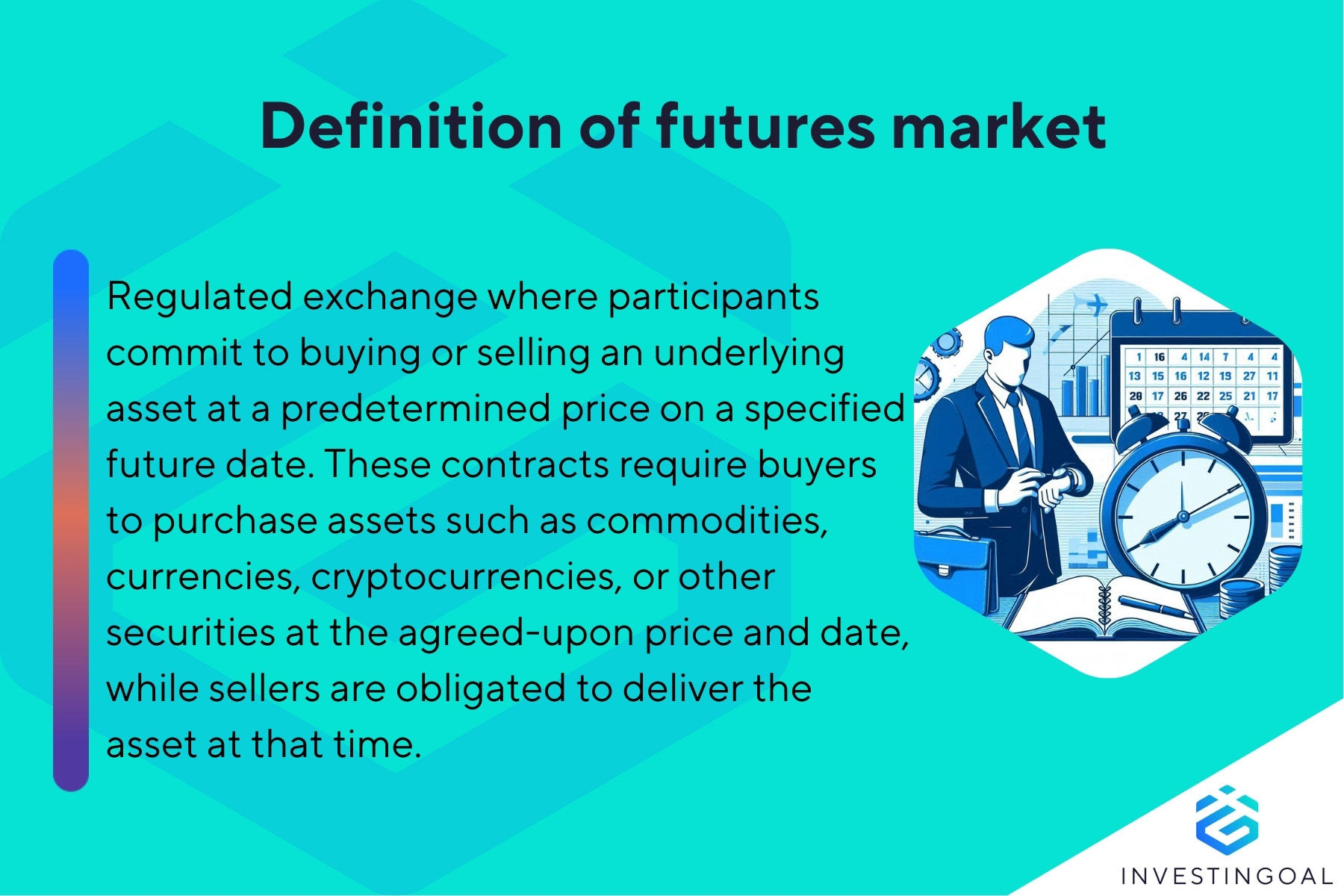
In the dynamic world of finance, futures markets stand as a cornerstone for managing risk, discovering prices, and enabling speculative strategies across a vast array of assets. Far more than just a complex financial instrument, the futures market is a sophisticated ecosystem where participants commit to buying or selling an asset at a predetermined price on a specified future date. This commitment, formalized through a “futures contract,” is a binding agreement executed on an organized exchange, offering transparency and liquidity that is crucial for global commerce and investment.
Understanding the intricacies of futures markets is essential for anyone delving into advanced financial strategies, from corporate treasurers looking to hedge against commodity price volatility to individual traders seeking to capitalize on market movements. This article will demystify the futures market, exploring its fundamental mechanics, the diverse participants it attracts, its inherent benefits and risks, and the various asset classes it encompasses. By providing a comprehensive overview, we aim to equip readers with a foundational understanding of this powerful financial arena and its pervasive impact on the global economy.
Understanding the Fundamentals of Futures Contracts
At its core, a futures market is built upon the existence of futures contracts. These standardized, legally binding agreements are the lifeblood of the market, defining the terms under which transactions will occur in the future.
Definition and Core Purpose
A futures contract is an agreement between two parties to buy or sell a specific quantity of a commodity or financial instrument at a specified price on a future date. This agreement is made today, but the actual exchange of the asset and payment occurs later. The primary purpose of futures contracts is two-fold: price discovery and risk management (hedging). Through the continuous trading of futures, markets derive a consensus on what an asset will be worth in the future, providing valuable forward-looking price signals. Simultaneously, businesses and investors can use futures to lock in prices, effectively insulating themselves from adverse price fluctuations.
For instance, an airline might buy fuel futures contracts to lock in the price of jet fuel for several months ahead, protecting itself from potential surges in oil prices. Conversely, a farmer might sell grain futures contracts to secure a price for their upcoming harvest, ensuring a predictable income regardless of market downturns at harvest time.
Key Components of a Futures Contract
Every futures contract is meticulously defined by several standardized components, ensuring clarity and tradability. These include:
- Underlying Asset: This specifies the commodity (e.g., crude oil, gold, corn) or financial instrument (e.g., S&P 500 index, Euro/USD currency pair, U.S. Treasury bonds) that will be delivered or settled.
- Quantity: The precise amount of the underlying asset covered by one contract (e.g., 1,000 barrels of oil, 5,000 bushels of corn).
- Quality: For commodities, specific grade or quality standards are stipulated to ensure consistency (e.g., West Texas Intermediate crude oil).
- Delivery Date (Maturity Date): The specific date in the future when the contract expires and the underlying asset must be delivered or cash settled.
- Price: The price agreed upon today for the future transaction. This is the “futures price.”
- Tick Size and Value: The minimum price fluctuation (tick) and its corresponding monetary value per contract.
- Exchange: The regulated marketplace where the contract is traded (e.g., CME Group, Intercontinental Exchange).
These standardized terms minimize ambiguity and facilitate efficient trading among a multitude of participants.
Standardization and Exchange-Traded Nature
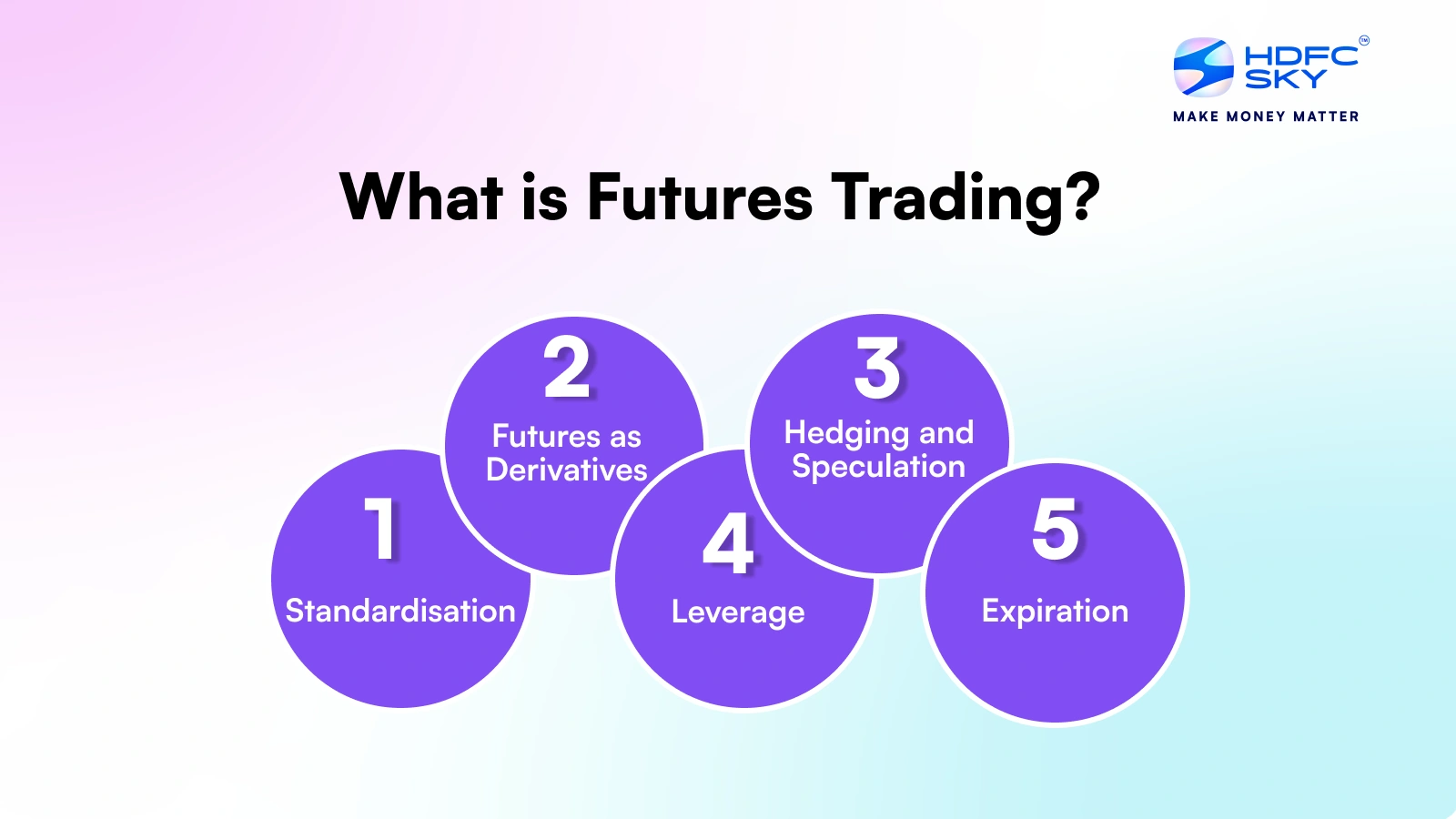
A defining characteristic of futures contracts, distinguishing them from their over-the-counter (OTC) counterparts like forward contracts, is their standardization and exchange-traded nature. Standardization ensures that all contracts for a particular underlying asset and maturity month are identical, making them highly liquid and fungible. This allows traders to easily enter and exit positions without needing to find a specific counterparty for each trade.
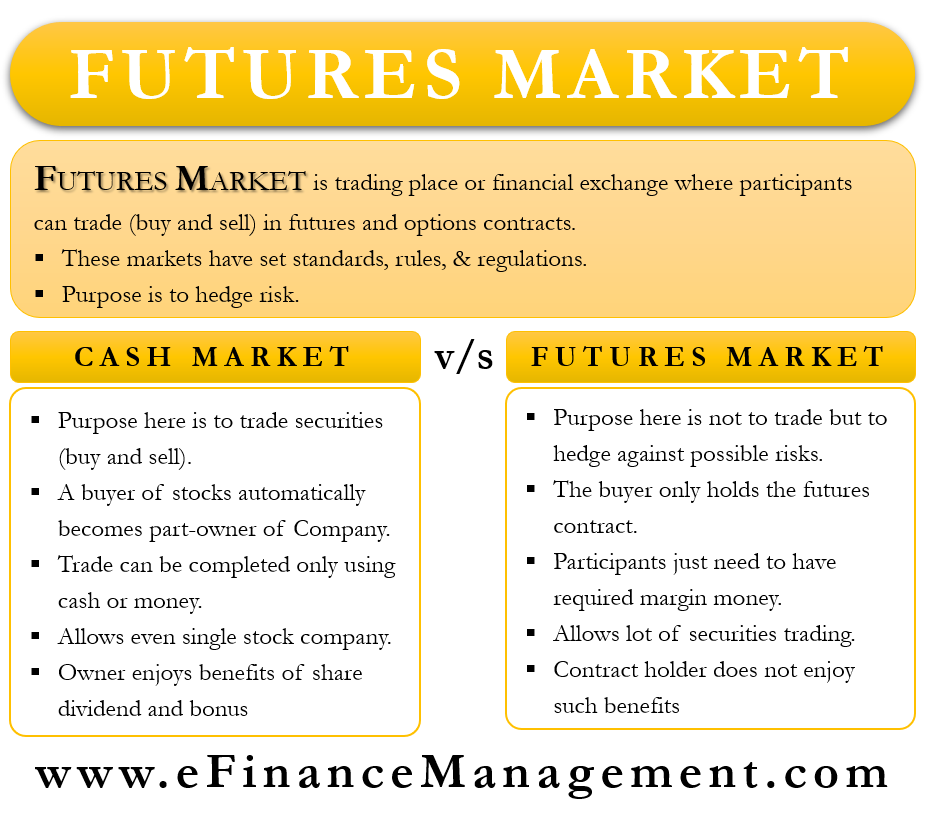
Futures contracts are traded on organized futures exchanges, such as the Chicago Mercantile Exchange (CME Group), the Intercontinental Exchange (ICE), and the New York Mercantile Exchange (NYMEX). These exchanges provide a centralized, regulated marketplace, ensuring transparency in pricing, efficient order matching, and a robust clearing process. A clearinghouse, acting as an intermediary to every trade, guarantees the performance of each contract, significantly reducing counterparty risk for participants. This centralized structure is a cornerstone of the futures market’s integrity and widespread adoption.
The Mechanics of Futures Trading
Engaging with futures markets involves a distinct set of mechanics that differ from traditional stock trading. Understanding these operational aspects is crucial for successful participation.
How Futures Contracts are Priced
The price of a futures contract is not merely an arbitrary figure; it reflects the market’s collective expectation of the underlying asset’s price at the contract’s expiry. This “futures price” is influenced by several factors:
- Spot Price: The current market price of the underlying asset for immediate delivery.
- Time to Expiration: Generally, longer maturity contracts tend to have a higher futures price due to the time value of money and storage costs (for commodities) or interest rate differentials (for financial instruments). This situation, where futures prices are higher than the spot price, is known as contango.
- Cost of Carry: This includes financing costs (interest rates), storage costs, and insurance costs for holding the physical asset until the delivery date.
- Supply and Demand: Market expectations about future supply shortages or gluts, as well as shifts in demand, directly impact futures prices.
- Interest Rates and Dividends: For financial futures, prevailing interest rates and expected dividends (for stock index futures) play a significant role.
- Expectations: The market’s overall sentiment and expectations regarding future economic conditions, geopolitical events, and technological advancements heavily influence pricing.
It’s important to note that futures prices converge towards the spot price as the contract approaches its expiration date. At expiration, if it’s a physically settled contract, the futures price will ideally equal the spot price.
Margin Requirements and Leverage
One of the most distinctive features of futures trading is the use of margin. Unlike stock trading where margin allows borrowing to purchase more shares, in futures, margin is a good-faith deposit required to open and maintain a futures position. It represents a small percentage of the total contract value, typically ranging from 3% to 12%.
- Initial Margin: The amount required to open a new futures position.
- Maintenance Margin: The minimum amount of equity that must be maintained in the margin account after the position is opened. If the account balance falls below this level due to adverse price movements, a margin call is issued, requiring the trader to deposit additional funds to bring the account back to the initial margin level. Failure to meet a margin call can result in the forced liquidation of the position.
The low margin requirement means futures trading offers significant leverage. A small price movement in the underlying asset can result in a disproportionately large gain or loss relative to the initial margin. While leverage amplifies potential profits, it equally magnifies potential losses, making futures trading inherently risky.
Long and Short Positions
Futures markets enable traders to profit from both rising and falling prices:
- Long Position: A trader takes a “long” position by buying a futures contract, anticipating that the price of the underlying asset will increase before the contract expires. If the price rises, the long position gains value.
- Short Position: A trader takes a “short” position by selling a futures contract, anticipating that the price of the underlying asset will decrease before the contract expires. If the price falls, the short position gains value.
This ability to easily go long or short makes futures markets extremely flexible for both hedging and speculative strategies.
Settlement: Physical vs. Cash
Upon expiration, futures contracts are settled in one of two ways:
- Physical Delivery: For many commodity futures (e.g., crude oil, gold), the seller actually delivers the specified quantity and quality of the underlying asset to the buyer. This is more common in markets where the physical commodity is frequently traded and stored.
- Cash Settlement: For other futures (e.g., stock index futures, some currency futures), instead of physical delivery, the difference between the contract price and the market price at expiration is settled in cash. This is common for underlying assets that are impractical to deliver (like a stock index) or where participants are primarily interested in price exposure rather than the physical asset itself. The vast majority of futures contracts are closed out before expiration through an offsetting trade (buying back a short contract or selling a long contract), rather than going to actual delivery or cash settlement.
Participants and Their Motivations
The futures market attracts a diverse range of participants, each with distinct motivations and strategies. Understanding these different roles helps illuminate the market’s robust functionality.
Hedgers: Mitigating Price Risk
Hedgers are market participants who use futures contracts to reduce their exposure to adverse price movements in an underlying asset. Their primary goal is not to profit from price fluctuations, but to protect their existing or anticipated positions from volatility.
- Producers: A farmer might sell corn futures to lock in a price for their harvest, protecting against a fall in corn prices before they can sell their physical crop.
- Consumers/End-Users: An airline might buy jet fuel futures to fix the cost of fuel for future flights, safeguarding against rising oil prices.
- Manufacturers: A jewelry maker might buy gold futures to hedge against an increase in gold prices for their raw material.
Hedging strategies are crucial for businesses to ensure predictability in their costs and revenues, allowing them to focus on their core operations without being overly susceptible to market volatility.
Speculators: Profiting from Price Movements
Speculators enter the futures market with the explicit goal of profiting from anticipated price changes. They actively forecast market direction and take calculated risks based on their analysis.
- Individual Traders: Often using technical analysis or fundamental indicators to predict price trends.
- Hedge Funds: Employing sophisticated quantitative models and large capital to take directional bets on various futures markets.
- Proprietary Trading Firms: Trading with the firm’s own capital to generate profits.
Speculators play a vital role in providing liquidity to the market. By taking on the risk that hedgers want to shed, they facilitate efficient price discovery and ensure that there’s always a counterparty available for trades. Their constant activity also helps to make futures prices accurately reflect all available information.
Arbitrageurs: Exploiting Price Discrepancies
Arbitrageurs seek to profit from temporary price discrepancies between different markets or different forms of the same asset. Their strategies are typically low-risk, aiming to lock in a profit with minimal exposure to market direction.
- Basis Arbitrage: Exploiting differences between the spot price of a commodity and its futures price.
- Intermarket Arbitrage: Finding price differences for the same underlying asset on different exchanges.
- Calendar Arbitrage: Profiting from unusual price relationships between different maturity months of the same futures contract.
While arbitrage opportunities are often fleeting and require sophisticated technology for rapid execution, the actions of arbitrageurs are crucial for maintaining market efficiency. They help ensure that prices across various related markets remain aligned, preventing persistent mispricings.
Benefits and Risks of Futures Markets
Futures markets offer powerful tools for financial management and investment, but they come with a corresponding set of risks that must be carefully understood and managed.
Advantages: Price Discovery, Leverage, Hedging Efficiency
- Efficient Price Discovery: The sheer volume of trading and the diverse perspectives of participants ensure that futures prices rapidly incorporate all available information, providing accurate forward-looking price signals. This helps businesses and policymakers make informed decisions.
- High Leverage: As discussed, the low margin requirements allow traders to control large contract values with relatively small capital outlays. This can lead to substantial percentage returns on invested capital for successful trades.
- Effective Hedging: Futures contracts provide a robust and liquid mechanism for businesses and investors to mitigate specific price risks. Whether it’s protecting against currency fluctuations, interest rate changes, or commodity price volatility, futures offer tailored solutions.
- Liquidity: Exchange-traded futures are generally highly liquid, meaning they can be bought and sold quickly without significantly impacting the market price. This facilitates easy entry and exit from positions.
- Transparency: Trading on regulated exchanges ensures price transparency and a level playing field for all participants.
Disadvantages: High Risk, Complexity, Margin Calls, Regulatory Scrutiny
- High Risk and Magnified Losses: The same leverage that amplifies gains also magnifies losses. Even small adverse price movements can lead to significant losses, potentially exceeding the initial investment. This makes futures trading unsuitable for risk-averse investors or those without sufficient capital.
- Margin Calls: The requirement to meet maintenance margin levels means traders must have readily available funds to deposit if the market moves against their position. Failure to meet a margin call can lead to forced liquidation at a loss.
- Complexity: Understanding the nuances of contract specifications, settlement procedures, basis risk, and various trading strategies requires significant education and experience. The learning curve can be steep.
- Time Commitment: Active futures trading often demands continuous monitoring of markets and quick decision-making, especially for speculative strategies.
- Regulatory Scrutiny: While regulation aims to protect market integrity, it can also lead to changes in rules or increased costs of compliance, impacting trading strategies.
Types of Futures Markets
The breadth of assets underlying futures contracts is vast, extending across nearly every sector of the global economy. This diversity allows participants to manage risk and speculate on a wide range of market factors.
Commodity Futures (Agriculture, Energy, Metals)
Historically, commodity futures were among the first types of futures contracts developed, dating back centuries. Today, they remain a significant segment of the market:
- Agricultural Futures: These include staples like corn, wheat, soybeans, live cattle, lean hogs, and coffee. Farmers, food processors, and agricultural companies use these to hedge against price volatility in crop yields and livestock.
- Energy Futures: Crude oil (WTI and Brent), natural gas, gasoline, and heating oil are actively traded. Airlines, refineries, utility companies, and energy producers rely on these to manage fuel costs and revenue streams.
- Metal Futures: Gold, silver, copper, platinum, and palladium futures are prominent. Miners, jewelers, industrial manufacturers, and investors use them for hedging and as safe-haven assets or inflationary hedges.
Financial Futures (Interest Rates, Currencies, Stock Indices)
With the growth of global finance, financial futures have become incredibly popular, offering exposure to various financial instruments without direct ownership.
- Interest Rate Futures: Contracts on U.S. Treasury bonds, Treasury notes, Eurodollars, and Federal Funds rates. Banks, institutional investors, and corporations use these to hedge against interest rate risk or speculate on central bank policy.
- Currency Futures: Agreements to buy or sell a specific currency at a future date at an agreed-upon exchange rate (e.g., Euro/USD, USD/JPY). Multinational corporations, importers/exporters, and foreign exchange traders use these to manage currency risk and speculate on exchange rate movements.
- Stock Index Futures: Contracts based on major stock market indices like the S&P 500, Nasdaq 100, Dow Jones Industrial Average, or FTSE 100. Portfolio managers use these to hedge broad market exposure or gain quick, leveraged exposure to equity markets.
Other Futures (e.g., VIX Futures, Cryptocurrencies)
The innovation in financial markets continues to expand the universe of futures contracts:
- Volatility Futures (e.g., VIX Futures): Contracts based on volatility indices, such as the CBOE Volatility Index (VIX), often called the “fear gauge.” These allow traders to hedge against or speculate on future market volatility.
- Cryptocurrency Futures: Futures contracts on Bitcoin, Ethereum, and other major cryptocurrencies have emerged, offering institutional investors and traders a regulated way to gain exposure to the crypto market without holding the underlying digital assets directly. These are particularly important for hedging against the extreme volatility inherent in cryptocurrencies.
- Weather Futures: Though a niche market, these allow businesses sensitive to weather patterns (e.g., energy companies, agriculture) to hedge against adverse weather events.
In conclusion, the futures market is a sophisticated and indispensable component of the global financial system. Its ability to facilitate price discovery, provide powerful hedging tools, and offer leveraged opportunities for speculation makes it an attractive, albeit challenging, arena for a wide spectrum of participants. While the allure of significant returns can be strong, the inherent risks, particularly those associated with leverage and margin calls, necessitate a thorough understanding and disciplined approach. For businesses seeking to manage operational risk or investors looking for advanced strategies, mastering the concepts of futures markets is a valuable endeavor in today’s interconnected financial world.
aViewFromTheCave is a participant in the Amazon Services LLC Associates Program, an affiliate advertising program designed to provide a means for sites to earn advertising fees by advertising and linking to Amazon.com. Amazon, the Amazon logo, AmazonSupply, and the AmazonSupply logo are trademarks of Amazon.com, Inc. or its affiliates. As an Amazon Associate we earn affiliate commissions from qualifying purchases.