
In the dynamic world of financial markets, understanding sophisticated instruments is key to navigating investment landscapes and making informed decisions. Among these, “Dow Futures” frequently appear in financial news headlines, often dictating the narrative of the upcoming trading day even before the stock market officially opens. Far more than just a pre-market indicator, Dow futures are powerful derivative contracts that offer investors and traders a unique way to participate in, hedge against, or speculate on the future performance of one of the world’s most iconic stock market benchmarks: the Dow Jones Industrial Average (DJIA).
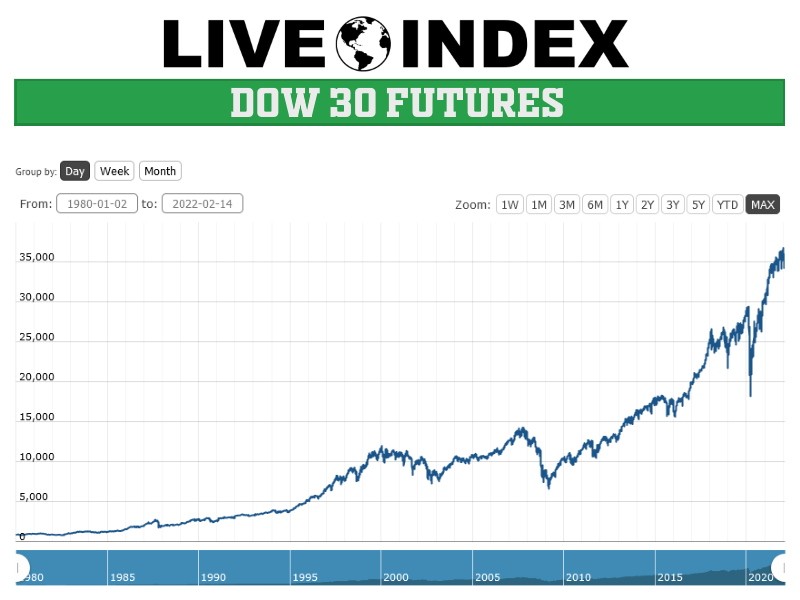
This comprehensive guide will demystify Dow futures, breaking down their mechanics, exploring their significance, and elucidating their role in the broader financial ecosystem. Whether you’re an experienced investor looking to expand your knowledge or a curious newcomer seeking to understand the intricate workings of the market, grasping the concept of Dow futures is an essential step towards a deeper appreciation of modern finance.
Demystifying Futures Contracts: The Basics
To truly understand Dow futures, one must first grasp the fundamental concept of a futures contract. These instruments are cornerstones of the derivatives market, providing a mechanism for participants to agree on a price today for an asset to be delivered and paid for at a specified future date.
What is a Futures Contract?
At its core, a futures contract is a legally binding agreement to buy or sell a standardized asset at a predetermined price on a specified future date. The asset can be anything from commodities like crude oil, gold, or agricultural products, to financial instruments such as currencies, interest rates, or, in this case, stock market indices. Buyers of futures contracts are said to be “going long,” speculating that the asset’s price will rise, while sellers are “going short,” anticipating a price decline. What differentiates futures from options or other derivatives is their obligation: both parties are obligated to fulfill the contract at expiration, unless they offset their position before then.
The Dow Jones Industrial Average (DJIA)
Before diving into the “futures” aspect, it’s crucial to understand the underlying asset: the Dow Jones Industrial Average. The DJIA is one of the oldest and most widely recognized stock market indices globally, established in 1896 by Charles Dow. It comprises 30 large, publicly-owned companies traded on the New York Stock Exchange (NYSE) and NASDAQ. Often referred to simply as “the Dow,” it represents a basket of blue-chip stocks that are generally leaders in their respective industries and are seen as a barometer for the overall health of the U.S. stock market and, by extension, the economy. Unlike market-capitalization-weighted indices, the DJIA is a price-weighted index, meaning stocks with higher share prices have a greater impact on the index’s value than those with lower share prices, regardless of their market capitalization.
Connecting the Dots: Dow Futures Defined
Putting these two concepts together, Dow futures are essentially futures contracts whose underlying asset is the Dow Jones Industrial Average. More specifically, they track the E-mini Dow Jones Industrial Average futures contract, which is a financially settled contract traded on exchanges like the Chicago Mercantile Exchange (CME) Group. Instead of buying or selling the actual 30 stocks of the DJIA, traders buy or sell a single contract that derives its value from the movement of the entire index. These contracts allow participants to speculate on the future value of the Dow Jones Industrial Average without physically owning the constituent stocks. When financial news reports say “Dow futures are up 100 points,” it means that the contracts anticipating the future value of the Dow are trading higher than the previous day’s close, often signaling a positive opening for the actual stock market.
How Dow Futures Work: Mechanics and Trading
Understanding the operational aspects of Dow futures is critical for anyone considering engaging with them. Their standardized nature, leverage, and the role of exchanges are key elements to grasp.
Standardized Contracts and Expiration
Dow futures contracts are highly standardized, ensuring uniformity and liquidity in the market. Each contract specifies the size (e.g., $5 per index point for the E-mini Dow), the underlying asset (DJIA), and clearly defined expiration dates. E-mini Dow futures typically expire quarterly, specifically in March, June, September, and December, on the third Friday of the month. Leading up to expiration, traders can either close out their position by taking an opposite trade or allow the contract to expire. Since these are financially settled, there is no physical delivery of stocks; instead, profits or losses are settled in cash based on the difference between the contract price and the index’s value at settlement.
Leverage and Margin
One of the most appealing, yet potentially perilous, features of futures trading is leverage. Traders are not required to put up the full notional value of the contract. Instead, they only need to deposit a fraction of the contract’s value, known as initial margin, into a brokerage account. This margin allows traders to control a much larger position with a relatively small amount of capital. For example, if an E-mini Dow contract is worth $200,000 (40,000 index points x $5/point) and the initial margin is $5,000, a trader effectively controls $200,000 worth of exposure with just $5,000.
While leverage can amplify gains, it also significantly magnifies losses. A small adverse price movement can lead to substantial losses exceeding the initial margin, requiring traders to deposit additional funds (maintenance margin) to avoid a margin call and potential forced liquidation of their position. This inherent leverage makes futures trading suitable primarily for experienced investors who possess a robust understanding of risk management.
The Role of Exchanges and Clearinghouses
Dow futures are traded on organized exchanges, primarily the CME Group in the United States, which provides a regulated marketplace for buyers and sellers. These exchanges ensure transparency, efficient price discovery, and orderly trading. Crucially, a clearinghouse stands between every buyer and seller, acting as the counterparty to every trade. This “central counterparty” model guarantees the integrity of the market by ensuring that both sides of the contract are fulfilled, even if one party defaults. The clearinghouse mitigates counterparty risk, which is the risk that the other party to a contract will not fulfill their obligations.
Why Dow Futures Matter: Uses and Implications
Dow futures hold significant importance for various market participants, serving multiple strategic purposes beyond simple speculation.
Price Discovery and Market Sentiment
Perhaps the most public role of Dow futures is their function in price discovery. Because they trade nearly 24 hours a day, including when the main stock exchanges are closed, Dow futures provide an immediate gauge of market sentiment in response to breaking news, economic data releases, or global events. Before the NYSE and NASDAQ open, the movement of Dow futures gives investors and analysts a strong indication of whether the underlying DJIA is likely to open higher or lower. This pre-market trading activity helps in efficient price discovery, incorporating new information into prices before regular market hours.
Hedging Against Market Volatility
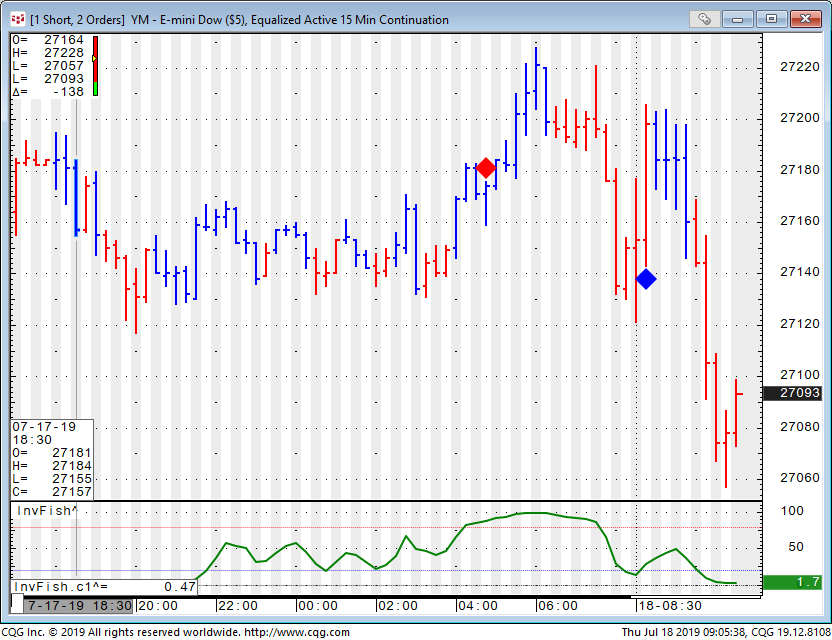
For institutional investors, portfolio managers, and even individual investors with substantial holdings of blue-chip stocks, Dow futures offer a powerful tool for hedging. If a portfolio manager holds a large basket of stocks that closely mirrors the Dow’s composition and anticipates a short-term market downturn, they can “short” Dow futures contracts. If the market does indeed fall, the losses in their stock portfolio would be at least partially offset by gains from their short futures position. This strategy helps protect the value of their holdings without having to liquidate actual stocks, which can incur transaction costs and potentially trigger taxable events.
Speculation and Profit Opportunities
For active traders and speculators, Dow futures present ample opportunities to profit from anticipated market movements. Given their high liquidity and leverage, traders can take long or short positions based on their analysis of economic indicators, technical patterns, or fundamental news. The ability to profit from both rising and falling markets, coupled with the potential for magnified returns due to leverage, makes Dow futures an attractive vehicle for those willing to accept the associated risks. However, the same leverage that offers amplified gains also presents the risk of significant losses, often very rapidly.
A Bellwether for the Broader Economy
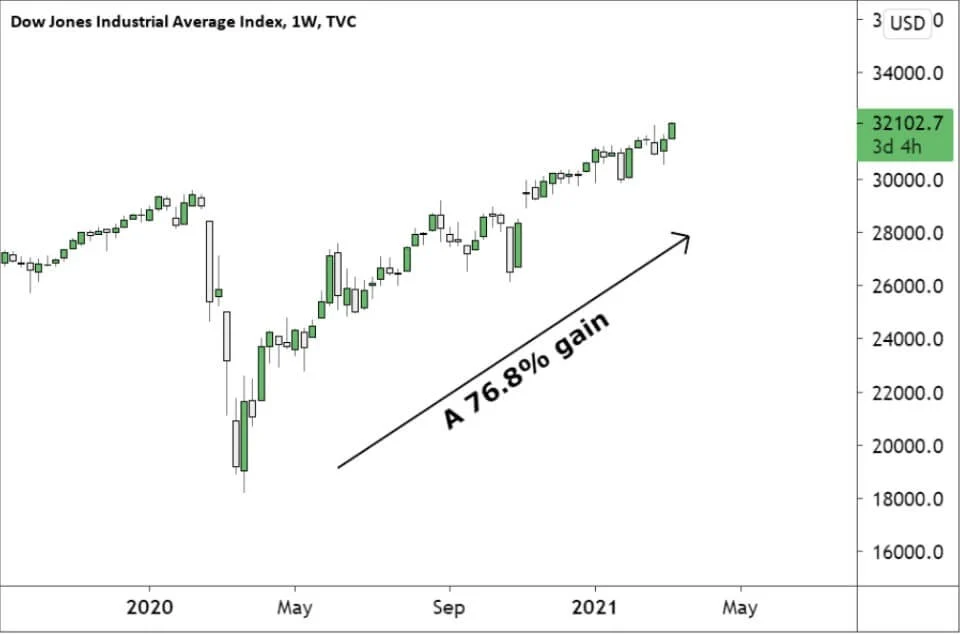
As the Dow Jones Industrial Average itself is considered a bellwether for the U.S. economy, its futures contracts inherit this characteristic. The performance of Dow futures can reflect investor confidence, or lack thereof, regarding corporate earnings, consumer spending, interest rate expectations, and overall economic growth. A sustained upward trend in Dow futures might signal optimism, while a consistent decline could suggest underlying economic concerns. Therefore, closely monitoring Dow futures can provide valuable insights into broader economic trends and investor psychology.
Factors Influencing Dow Futures Prices
The price of Dow futures is influenced by a myriad of factors, reflecting the complexity and interconnectedness of global financial markets. Understanding these drivers is crucial for making informed trading or investment decisions.
Economic Indicators and Reports
Macroeconomic data plays a paramount role. Key economic indicators such as Gross Domestic Product (GDP) reports, inflation data (Consumer Price Index, Producer Price Index), employment figures (non-farm payrolls, unemployment rate), retail sales, and manufacturing surveys (PMI) can cause significant price swings in Dow futures. Strong economic data generally indicates a healthy economy, which is positive for corporate profits and, consequently, for the stock market. Conversely, weak data can signal an economic slowdown, leading to selling pressure.
Corporate Earnings and News
While Dow futures represent an index, the performance of the 30 underlying companies is directly relevant. Quarterly earnings reports from major corporations, particularly those within the DJIA, can have a substantial impact. Stronger-than-expected earnings or positive guidance can boost sentiment and push futures higher, while disappointing results or negative outlooks can weigh heavily. Furthermore, company-specific news like mergers, acquisitions, product launches, or regulatory changes can also influence the overall index and its futures.
Geopolitical Events and Global Market Trends
Global events, ranging from political instability in a major economic region to international trade disputes, can send ripples through financial markets worldwide, directly affecting Dow futures. Wars, terrorist acts, or significant diplomatic breakthroughs can trigger rapid shifts in investor risk appetite. Similarly, performance in major international markets—like those in Asia and Europe—often sets the tone for U.S. markets, with their movements reflected in Dow futures even before U.S. exchanges open.
Central Bank Policies and Interest Rates
Central banks, most notably the U.S. Federal Reserve, wield immense influence over financial markets through their monetary policies. Decisions regarding interest rates, quantitative easing or tightening, and forward guidance on economic outlooks can profoundly impact corporate borrowing costs, consumer spending, and investor sentiment. Higher interest rates, for instance, can make borrowing more expensive for companies and potentially slow down economic growth, often leading to a bearish outlook for equities and, by extension, Dow futures.
Navigating the Dow Futures Market: Risks and Considerations
While Dow futures offer compelling opportunities, they are not without significant risks. Successful engagement requires a disciplined approach and a thorough understanding of these potential pitfalls.
High Volatility and Risk Management
The leverage inherent in futures trading means that even small market movements can result in substantial gains or losses. This high volatility necessitates robust risk management strategies. Traders must employ tools like stop-loss orders to limit potential downsides and ensure they do not risk more capital than they can afford to lose. Overleveraging is a common pitfall that can lead to rapid account depletion, especially during unexpected market events.
Liquidity and Spreads
Dow futures, particularly the E-mini contracts, are highly liquid, meaning there’s a large volume of trading activity and it’s easy to enter or exit positions without significantly affecting the price. This high liquidity generally translates to tight bid-ask spreads, which are the difference between the highest price a buyer is willing to pay and the lowest price a seller is willing to accept. While typically tight, spreads can widen during periods of extreme market volatility or thin trading hours, increasing transaction costs for traders.
Regulatory Oversight
Futures markets are highly regulated to protect investors and maintain market integrity. In the U.S., the Commodity Futures Trading Commission (CFTC) oversees futures trading, and exchanges like the CME Group implement stringent rules and surveillance to ensure fair and orderly markets. This regulatory framework provides a layer of security, but it does not eliminate the inherent risks of trading leveraged products. Traders should always ensure they are dealing with regulated brokers and understand all associated rules and disclosures.
Conclusion
Dow futures are a powerful and integral component of the global financial market, offering a sophisticated avenue for investors and traders to engage with the performance of the Dow Jones Industrial Average. From their fundamental role in price discovery and hedging against market risk to their appeal for speculative trading, these contracts provide vital insights and opportunities. However, their leveraged nature demands a disciplined approach, comprehensive market knowledge, and stringent risk management.
By understanding what Dow futures are, how they operate, the factors that influence their prices, and the associated risks, market participants can better interpret daily financial news, gauge market sentiment, and potentially integrate these instruments into a broader financial strategy. For those operating within the “Money” niche, mastering the nuances of Dow futures is not just about trading; it’s about gaining a deeper appreciation for the complex interplay of economics, corporate performance, and investor psychology that drives the heart of the global financial system.
aViewFromTheCave is a participant in the Amazon Services LLC Associates Program, an affiliate advertising program designed to provide a means for sites to earn advertising fees by advertising and linking to Amazon.com. Amazon, the Amazon logo, AmazonSupply, and the AmazonSupply logo are trademarks of Amazon.com, Inc. or its affiliates. As an Amazon Associate we earn affiliate commissions from qualifying purchases.