
In an increasingly digitized world, effective financial management is the bedrock of any successful enterprise, from nascent startups to established corporations. Small and medium-sized businesses (SMBs) often grapple with the complexities of bookkeeping, tax preparation, and financial reporting, creating a significant demand for skilled professionals who can navigate these waters. This is where the role of a QuickBooks ProAdvisor becomes not just a specialized skill set, but a strategic pathway to building a lucrative career in financial consulting and online income generation.
QuickBooks, developed by Intuit, stands as the leading accounting software for small businesses globally. Its pervasive adoption means that a deep understanding of its functionalities, coupled with the ability to advise businesses on its optimal use, positions a professional at the forefront of the financial services industry. Becoming a QuickBooks ProAdvisor is more than just obtaining a certification; it’s about establishing yourself as a trusted financial guide, capable of empowering businesses to achieve financial clarity and growth. This comprehensive guide will explore the profound financial advantages of becoming a QuickBooks ProAdvisor, detailing the journey from aspiration to a thriving career in business finance.
The Strategic Financial Advantages of QuickBooks ProAdvisor Status
The decision to pursue QuickBooks ProAdvisor certification is a strategic investment in one’s financial career, offering a multitude of benefits that extend far beyond mere technical proficiency. It’s a gateway to enhancing one’s professional value, expanding income streams, and securing a prominent position within the financial services ecosystem.
Unlocking Diverse Income Streams and Entrepreneurial Opportunities
The most compelling financial advantage of becoming a QuickBooks ProAdvisor is the immediate access it grants to diverse income streams and robust entrepreneurial opportunities. Businesses constantly seek external expertise to manage their finances efficiently, comply with tax regulations, and leverage financial data for strategic decision-making. As a certified ProAdvisor, you are uniquely positioned to meet this demand.
- Consulting Services: ProAdvisors can offer bespoke consulting services, guiding clients through QuickBooks setup, chart of accounts customization, inventory management, payroll integration, and financial reporting. These services are often billed at premium hourly rates or on a project basis, providing substantial earning potential.
- Bookkeeping and Accounting Support: Many small businesses lack in-house accounting departments. ProAdvisors can step in to provide ongoing bookkeeping services, including transaction categorization, reconciliation, accounts payable/receivable management, and general ledger maintenance. This often translates into recurring monthly revenue, building a stable financial foundation for your practice.
- Tax Preparation Assistance: With a solid grasp of financial data within QuickBooks, ProAdvisors can assist businesses and individuals in organizing their financial records for tax season, often collaborating with CPAs or offering basic tax preparation services if qualified. This seasonal demand can significantly boost annual income.
- Software Training and Implementation: For businesses transitioning to QuickBooks or seeking to optimize their existing setup, ProAdvisors can provide customized training sessions, ensuring employees are proficient in using the software effectively. This training component adds another valuable service to your portfolio.
- Virtual Financial Management: The rise of remote work has popularized virtual CFO and financial controller roles. ProAdvisors, with their expertise in cloud-based QuickBooks Online, are perfectly suited to offer virtual financial management services, allowing them to serve clients globally and expand their market reach without geographical limitations.
Enhanced Professional Credibility and Marketability in Business Finance
In the competitive landscape of financial services, credibility is paramount. The QuickBooks ProAdvisor certification acts as a powerful credential, signaling to potential clients and employers that you possess a verified level of expertise in the industry-standard financial tool.
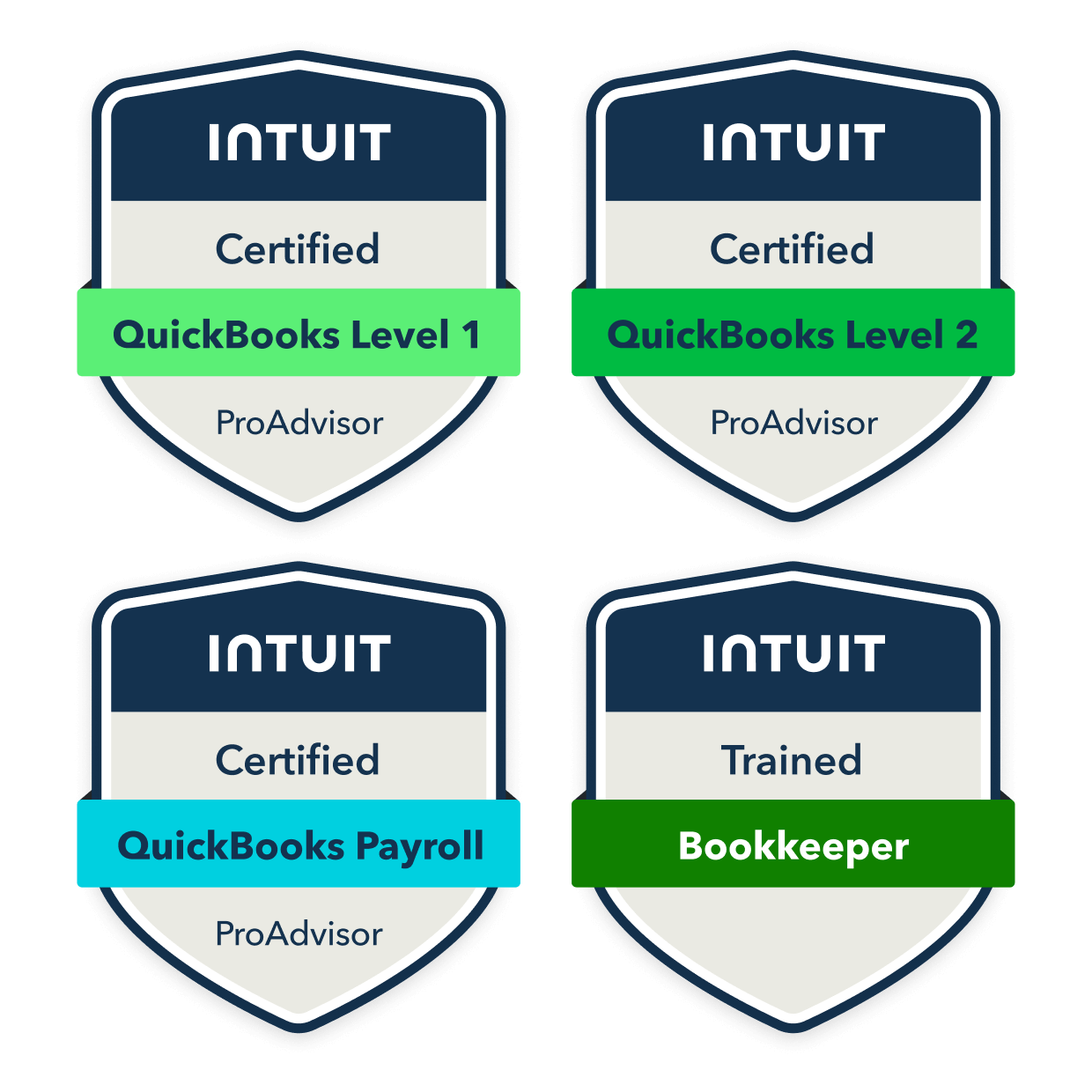
- Brand Recognition: Intuit’s QuickBooks brand is synonymous with small business accounting. Aligning yourself with this established brand automatically enhances your professional image and trustworthiness. The ProAdvisor badge, which you can display on your website, business cards, and marketing materials, serves as a stamp of approval from the software developer itself.
- Access to the ProAdvisor Directory: Certified ProAdvisors gain a listing in the official QuickBooks Find-a-ProAdvisor directory. This online platform is a primary resource for businesses actively searching for financial professionals, providing a direct channel for client acquisition. It’s an invaluable marketing tool that drives targeted leads directly to your practice, significantly reducing client acquisition costs.
- Competitive Differentiation: In a market saturated with generic financial consultants, being a QuickBooks ProAdvisor sets you apart. It demonstrates a commitment to specialized knowledge and continuous learning in financial technology, making you a more attractive prospect for businesses seeking precise, software-specific guidance.
- Networking Opportunities: The ProAdvisor program fosters a vibrant community of financial professionals. Through forums, webinars, and events, ProAdvisors can connect, share insights, refer clients, and even collaborate on larger projects. This network can be a crucial source of professional growth, mentorship, and business development opportunities, all contributing to long-term financial success.
Exclusive Resources for Financial Professionals
Intuit supports its ProAdvisors with a suite of exclusive resources designed to facilitate their success and deepen their financial expertise. These tools and benefits significantly reduce operational costs and enhance service delivery.
- Free QuickBooks Software: ProAdvisors often receive complimentary access to QuickBooks Online Accountant and Desktop Accountant versions, allowing them to manage multiple client accounts from a single dashboard and familiarize themselves with the software without personal expense. This cost saving is significant for a budding financial consultant.
- Dedicated Support Channels: Access to priority phone and chat support for ProAdvisors means faster resolution of technical issues, ensuring minimal disruption to client work and maintaining a high level of service. This can be invaluable when troubleshooting complex financial scenarios.
- Discounted Products and Services: ProAdvisors frequently qualify for discounts on QuickBooks subscriptions for their clients, payroll services, and other Intuit products. These discounts can be passed on to clients, making your services more attractive, or used as an added value proposition.
- Comprehensive Training and Educational Materials: Intuit provides an extensive library of free training modules, webinars, and certification exams covering various QuickBooks products (Online, Desktop, Payroll, Enterprise). These resources are meticulously updated, ensuring ProAdvisors remain current with the latest software features, financial regulations, and best practices. This continuous professional development is vital for maintaining relevance and competitive edge in the fast-evolving world of financial technology.
The ProAdvisor Certification Journey: Investing in Your Financial Acumen
Embarking on the path to becoming a QuickBooks ProAdvisor is a structured process designed to equip individuals with the comprehensive knowledge required to excel in financial consulting. It represents a tangible investment in one’s financial acumen, promising substantial returns through enhanced career opportunities and income potential.
Step-by-Step Enrollment and Training
The journey begins with a straightforward enrollment process that grants access to Intuit’s vast learning resources. This initial commitment sets the stage for acquiring specialized financial knowledge.
- Sign Up for QuickBooks Online Accountant: The first step is to create a free QuickBooks Online Accountant account. This platform is the hub for all ProAdvisor resources, including training modules, certification exams, and client management tools. It’s specifically designed for accounting professionals, offering a centralized location to manage multiple client files and access a suite of integrated financial solutions.
- Access Comprehensive Training Materials: Once registered, you gain access to a rich library of training materials. These include self-paced online courses, detailed guides, practice exercises, and live webinars. The content is meticulously structured, covering everything from the basics of QuickBooks navigation to advanced features like customized reporting, job costing, and multi-currency transactions. The training is tailored to different QuickBooks versions, allowing you to specialize in the platforms most relevant to your target clientele.
- Focus on Key Financial Concepts within QuickBooks: The training is not merely about clicking buttons; it’s deeply integrated with core financial and accounting principles. You’ll learn how to apply generally accepted accounting principles (GAAP) within the software, understand financial statements (balance sheet, profit & loss, cash flow), manage accounts receivable and payable, and process payroll efficiently. This focus ensures that ProAdvisors are not just software operators, but genuine financial experts.
Mastering QuickBooks Versions and Specializations
The QuickBooks ecosystem is diverse, offering various products tailored to different business needs. As a ProAdvisor, mastering these versions and considering specializations can significantly broaden your service offerings and appeal to a wider client base.
- QuickBooks Online (QBO) Certification: This is often the most popular starting point due to QBO’s widespread adoption and cloud-based accessibility. The certification covers all aspects of QBO, from basic setup to advanced features, allowing you to effectively serve businesses that prefer cloud solutions for their financial management. There’s also an Advanced Certification for QBO, which delves into more complex scenarios and advanced reporting.
- QuickBooks Desktop Certification: While QBO is prevalent, many businesses still utilize QuickBooks Desktop versions. Certification in this area is crucial for serving clients who prefer on-premise software solutions, covering intricacies specific to Desktop products like QuickBooks Premier, Enterprise, and Pro.
- QuickBooks Payroll Certification: Offering payroll services can be a highly lucrative add-on. The Payroll certification equips ProAdvisors with the knowledge to manage payroll seamlessly within QuickBooks, ensuring compliance with tax regulations, calculating wages, deductions, and processing payments accurately. This specialized skill meets a critical and often complex financial need for businesses.
- Considering Niche Specializations: Beyond core product certifications, ProAdvisors can specialize in specific industries (e.g., retail, non-profit, construction), particular financial functions (e.g., inventory management, forensic accounting support), or even emerging financial technologies integrated with QuickBooks. Specialization allows you to position yourself as an authority in a specific financial niche, attracting higher-value clients.
The Certification Examinations: Proving Your Financial Expertise
The culmination of your training is passing the ProAdvisor certification exams. These assessments are designed to rigorously test your understanding of both QuickBooks functionalities and the underlying financial principles.
- Exam Structure and Content: The exams are typically multiple-choice and cover a broad range of topics taught in the training modules. They assess your ability to apply QuickBooks features to solve real-world financial problems, troubleshoot common issues, and advise on best practices for financial data management.
- Preparation Strategies: Successful exam preparation involves diligent review of training materials, utilizing practice tests, and gaining hands-on experience with the software. Intuit provides simulation exercises that mimic real client scenarios, which are invaluable for reinforcing learning and building confidence.
- Recertification Requirements: To maintain the integrity and relevance of the ProAdvisor program, annual recertification is required. This ensures that ProAdvisors stay updated with the latest software enhancements, tax law changes, and evolving financial best practices, cementing their status as perpetually current financial experts.
Monetizing Your Expertise: Building a Thriving Financial Practice
Once certified, the focus shifts to leveraging your ProAdvisor status to build and grow a successful financial consulting practice. This involves strategic marketing, efficient client acquisition, and intelligent service pricing, all aimed at maximizing your earning potential.
Strategic Marketing and Client Acquisition for Financial Services
Effective marketing is crucial for translating your certification into a sustainable income. Your strategies should highlight your financial expertise and the value you bring to businesses.
- Optimizing Your ProAdvisor Profile: Your listing in the QuickBooks Find-a-ProAdvisor directory is a critical marketing asset. Ensure your profile is comprehensive, detailing your specializations, experience, rates (if applicable), and a compelling professional summary that resonates with potential clients seeking financial guidance.
- Leveraging Online Presence: Establish a professional website or LinkedIn profile that showcases your ProAdvisor certification and outlines the range of financial services you offer. Utilize content marketing (blog posts, articles) to demonstrate your expertise in business finance, QuickBooks tips, tax planning, and cash flow management. This positions you as a thought leader and attracts organic leads.
- Networking with Financial Communities: Engage with local business organizations, chambers of commerce, and online professional networks. Collaborate with other financial professionals such as CPAs, tax attorneys, and financial planners, who can be excellent sources of referrals. Building a strong referral network is a highly effective, low-cost client acquisition strategy in the financial sector.
- Offering Value-Added Financial Content: Consider hosting free webinars or workshops on common financial challenges faced by small businesses (e.g., “Understanding Your Profit & Loss Statement with QuickBooks,” “Cash Flow Forecasting for Small Businesses”). These events showcase your expertise, build trust, and can convert attendees into paying clients.
Structuring Your Service Offerings and Pricing Models
Defining your service packages and pricing strategy is essential for profitability and client satisfaction. Your approach should reflect the value you provide as a financial expert.
- Creating Tiered Service Packages: Instead of an hourly rate for every task, consider offering tiered monthly service packages (e.g., Basic Bookkeeping, Advanced Financial Management, Virtual CFO). This provides clients with predictable costs and allows you to offer comprehensive solutions that address various levels of financial complexity.
- Value-Based Pricing: For specialized projects like QuickBooks setup, data migration, or specific financial analysis, consider value-based pricing. This involves pricing your services based on the measurable value or cost savings you deliver to the client, rather than just the hours spent. This approach can lead to significantly higher income for high-impact services.
- Retainer Agreements for Ongoing Financial Support: Secure retainer agreements for ongoing bookkeeping, financial reporting, or advisory services. Retainers provide a stable, recurring revenue stream, which is the cornerstone of a financially healthy consulting practice.
- Transparent Fee Structures: Clearly communicate your pricing to clients upfront. Transparency builds trust and helps manage client expectations, leading to smoother engagements and repeat business.

Cultivating Long-Term Client Relationships and Referrals
A financially sustainable practice relies heavily on client retention and word-of-mouth referrals. Nurturing strong relationships is key to consistent income and organic growth.
- Exceptional Financial Service Delivery: Consistently provide accurate, timely, and insightful financial services. Go beyond basic data entry; offer proactive advice on improving cash flow, optimizing expenses, and strategic financial planning. Demonstrating your value as a financial partner will make clients reluctant to leave.
- Proactive Communication and Reporting: Regularly communicate with clients about their financial performance. Provide clear, concise reports that translate complex financial data into actionable insights. Offer strategic recommendations based on their QuickBooks data, showing how your expertise directly contributes to their financial health.
- Requesting Testimonials and Reviews: Satisfied clients are your best advocates. Actively solicit testimonials and online reviews, particularly for your ProAdvisor profile and website. Positive social proof is incredibly powerful in attracting new clients in the financial services sector.
- Encouraging Referrals: Implement a referral program or simply ask satisfied clients if they know other businesses that could benefit from your financial expertise. A personal referral from a trusted source is often the quickest path to acquiring high-quality new clients, ensuring the continuous growth of your income streams.
By focusing on these strategic approaches, a QuickBooks ProAdvisor can transform their certification into a robust, scalable, and highly profitable financial consulting business, offering invaluable expertise to businesses navigating the modern financial landscape.
aViewFromTheCave is a participant in the Amazon Services LLC Associates Program, an affiliate advertising program designed to provide a means for sites to earn advertising fees by advertising and linking to Amazon.com. Amazon, the Amazon logo, AmazonSupply, and the AmazonSupply logo are trademarks of Amazon.com, Inc. or its affiliates. As an Amazon Associate we earn affiliate commissions from qualifying purchases.