
In the landscape of personal finance, few expenses are as ubiquitous and often frustrating as car insurance. Every driver seeks the elusive “cheapest” policy, yet the answer to who offers it remains stubbornly complex and highly individualized. Unlike a simple product where price tags are fixed, car insurance premiums are a bespoke calculation, tailored to myriad personal circumstances, driving habits, and vehicle specifics. This article delves into the intricate world of car insurance pricing, offering an insightful guide to understanding how rates are determined, strategic approaches to finding the most affordable coverage, and the crucial balance between cost and comprehensive protection. For anyone looking to optimize their personal finance by reducing recurring expenses, mastering the art of finding cheap car insurance is an essential skill.
Understanding the “Cheapest” Conundrum in Car Insurance
The quest for the cheapest car insurance is often met with a frustrating lack of a singular, definitive answer. What one driver considers a bargain, another might find prohibitively expensive. This variability is the cornerstone of the insurance industry, driven by sophisticated risk assessment models that factor in an astonishing array of data points. Understanding why there isn’t a universal “cheapest” provider is the first step toward finding your most affordable policy.
The Personalized Nature of Insurance Quotes
Every insurance quote is a custom product, meticulously calculated based on the information you provide. Insurers use vast actuarial tables and predictive analytics to assess the likelihood of you filing a claim and the potential cost of that claim. Factors like your age, driving record, marital status, credit history (in many states), location, and even your profession can significantly sway your premium. For instance, a young, inexperienced driver with a history of traffic violations will inherently pose a higher risk than a seasoned driver with a spotless record, resulting in vastly different quotes from the same provider. This personalization means that Company A, which is cheapest for your neighbor, might be significantly more expensive for you, making direct comparisons without a personalized quote largely futile.
The Dynamic Market Landscape and Insurer Specializations
The car insurance market is far from static. Premiums can fluctuate based on broader economic trends, regional accident rates, new regulations, and the competitive strategies of individual insurers. Moreover, different insurance companies often “specialize,” or rather, are better positioned to offer competitive rates to specific demographics or risk profiles. Some insurers might excel at offering low rates for high-risk drivers, while others might focus on safe drivers with multiple vehicles. Others might offer particular advantages to military personnel, students, or those who bundle home and auto policies. This constant shifting and specialization mean that a company that was cheapest last year might not be this year, and a provider known for one type of driver might not be competitive for another. Regular reassessment and comparison are therefore key components of maintaining affordable coverage within your personal finance strategy.
Key Factors Influencing Your Car Insurance Premium
To effectively navigate the car insurance market and identify opportunities for savings, it’s crucial to understand the primary variables that insurers use to calculate your premium. These factors collectively paint a picture of your risk profile, directly impacting the cost of your coverage. Being aware of these elements empowers you to make informed decisions that can lead to lower rates.
Driver-Specific Data: Who You Are Behind the Wheel
Your personal information and driving history are paramount in determining your insurance cost. Age is a significant factor, with young drivers typically facing higher premiums due to their lack of experience and statistically higher accident rates. As drivers mature and gain experience, rates generally decrease, before potentially rising again in very advanced age groups. Your driving record – including tickets, accidents, and claims history – directly influences your rates; a clean record is your best asset for lower premiums. Marital status also plays a role, with married individuals often receiving slightly lower rates. Furthermore, your location, down to your specific zip code, can impact costs due as urban areas with higher traffic density, theft rates, or extreme weather events typically incur higher premiums than rural locales.
Vehicle-Specific Data: What You Drive
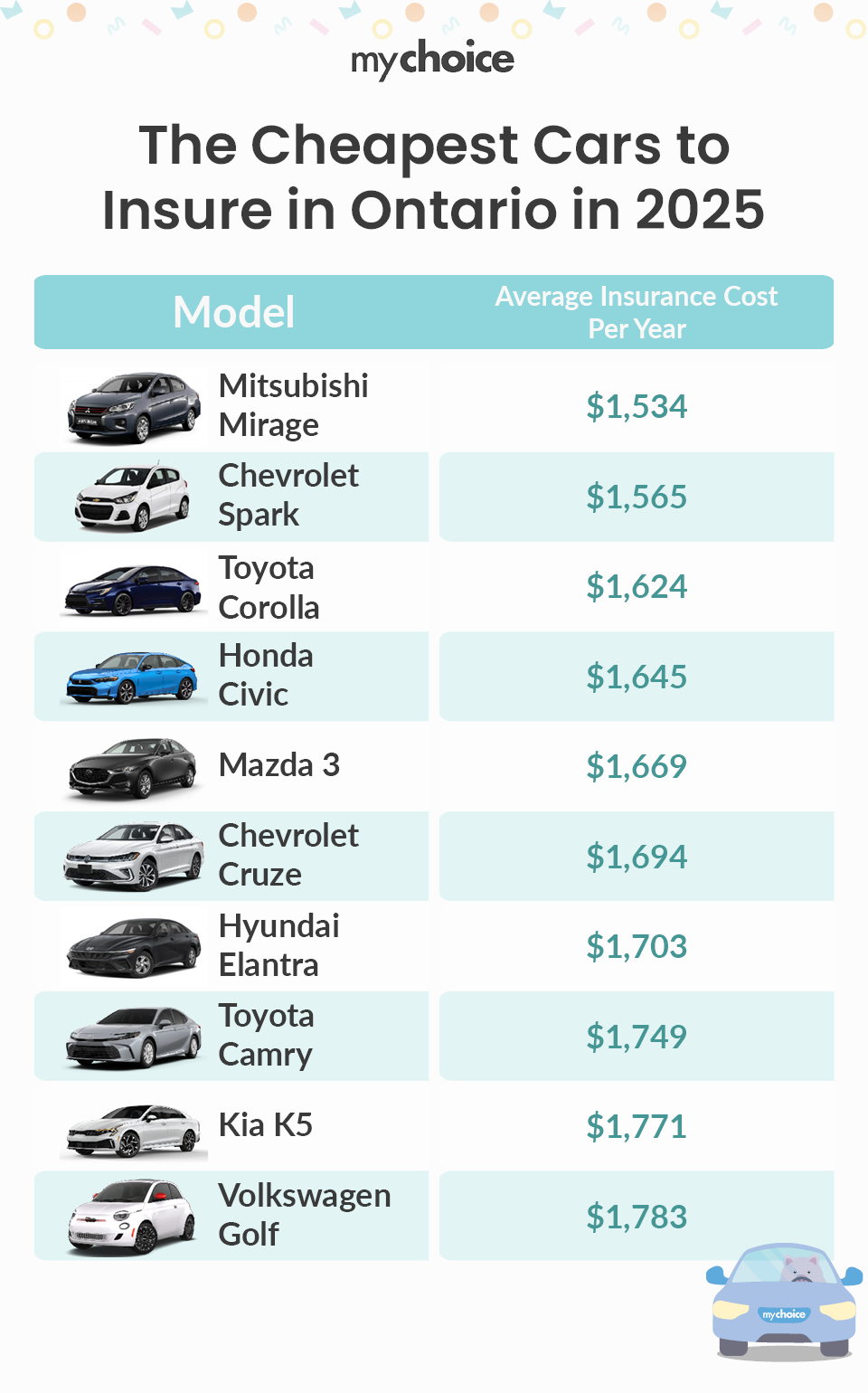
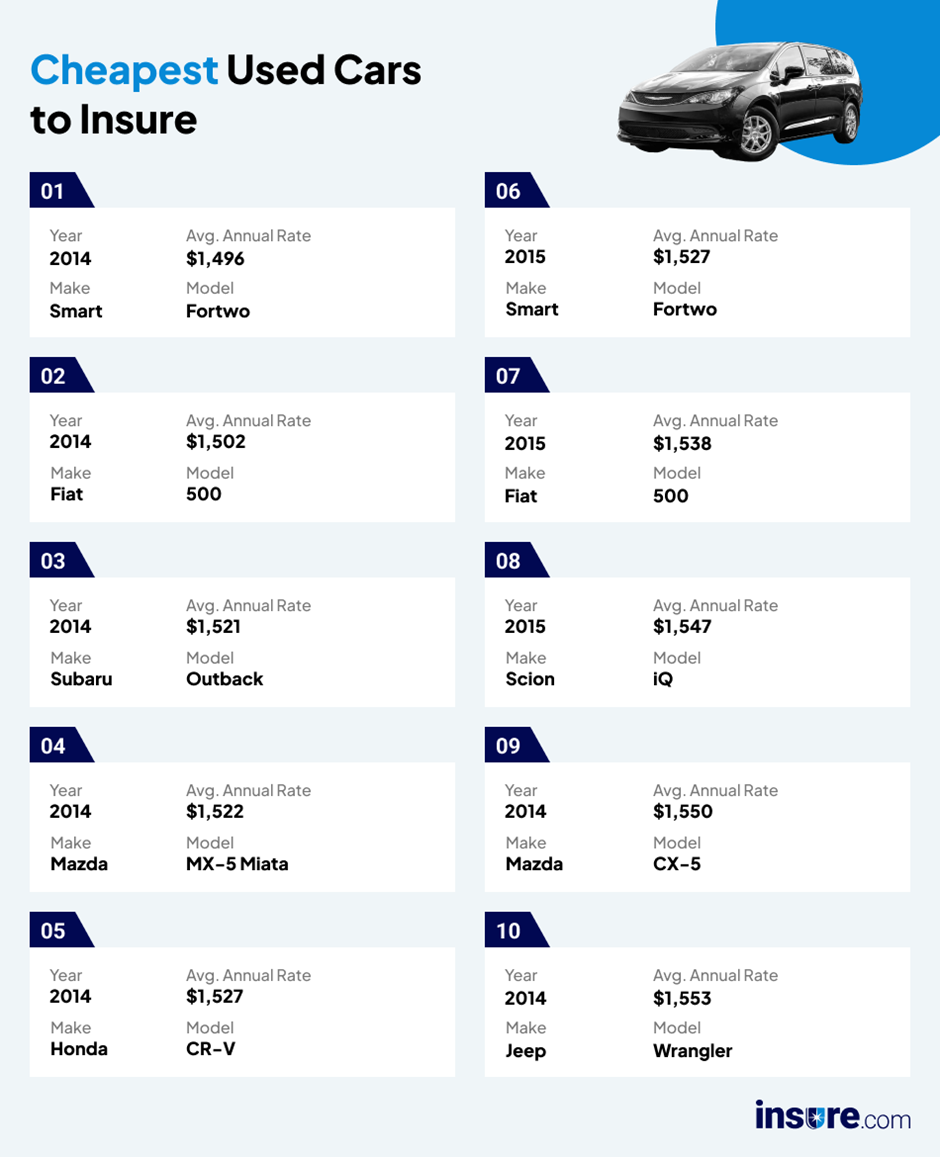
The car you insure is another major determinant of your premium. The make, model, year, and even trim level of your vehicle contribute to its risk profile. More expensive cars, luxury vehicles, or sports cars generally cost more to insure because they are more expensive to repair or replace. Vehicles with high theft rates also tend to have higher comprehensive coverage costs. Conversely, cars with strong safety ratings, advanced safety features (like automatic emergency braking or lane-keeping assist), and lower repair costs can often qualify for discounts and lower premiums. Even the color of your car can, in some cases, indirectly affect premiums if specific colors are statistically associated with higher accident rates or theft, though this is less common than the core vehicle attributes.
Policy Details and Financial Prudence
The choices you make regarding your policy’s structure also heavily influence the final premium. The type and amount of coverage you select (e.g., liability, collision, comprehensive, uninsured motorist) directly correlate with cost; opting for higher liability limits or adding optional coverages will increase your premium. Your deductible – the amount you pay out-of-pocket before your insurance kicks in – is another critical factor. Choosing a higher deductible typically results in a lower premium, as you’re taking on more financial responsibility in the event of a claim. Finally, your credit score, where permitted by state law, can also impact your rates, as insurers often link a higher credit score with a lower likelihood of filing claims. Consistently paying bills on time and maintaining a healthy credit profile can thus translate into savings on your car insurance.
Strategies for Finding Affordable Car Insurance
While the factors above largely determine your baseline premium, there are proactive strategies you can employ to significantly reduce your car insurance costs. Finding the cheapest car insurance isn’t about luck; it’s about smart shopping, leveraging available discounts, and optimizing your coverage to fit your true needs.
Shop Around Aggressively: The Power of Comparison
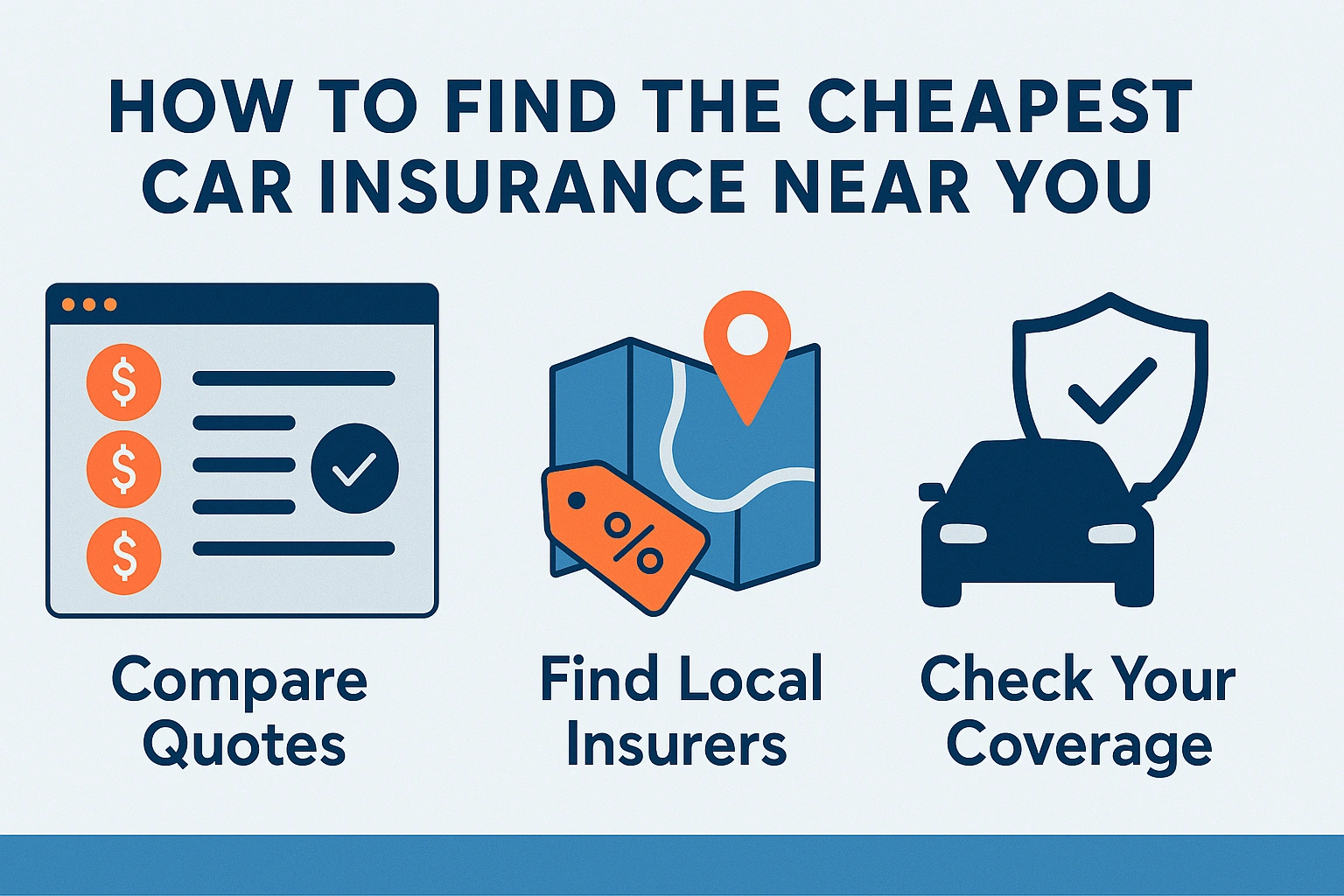
The single most effective strategy for finding cheaper car insurance is to consistently shop around and compare quotes from multiple providers. No single company is cheapest for everyone, and rates can vary by hundreds or even thousands of dollars for identical coverage. Utilize online comparison tools, directly contact major insurers (e.g., GEICO, Progressive, State Farm, Allstate, Farmers), and consider working with an independent insurance agent who can provide quotes from several different companies. Make it a habit to do this annually, or whenever a significant life event occurs, such as buying a new car, getting married, or moving. This aggressive comparison shopping ensures you’re always getting the most competitive rates available for your specific profile.
Leverage Discounts: Don’t Leave Money on the Table
Insurance companies offer a multitude of discounts that can significantly reduce your premium, and it’s your responsibility to inquire about and qualify for as many as possible. Common discounts include:
- Multi-Policy/Bundling: Combining your auto insurance with home, renters, or life insurance from the same provider.
- Good Driver/Safe Driver: For drivers with no accidents or violations over a certain period.
- Defensive Driving Course: Completing an approved defensive driving course.
- Good Student: For young drivers maintaining a certain GPA.
- Low Mileage: For those who drive fewer miles annually.
- Anti-Theft Devices: Having alarms or tracking systems installed in your vehicle.
- New Car: Sometimes offered for newer vehicles with advanced safety features.
- Paid in Full: Paying your annual premium upfront rather than monthly installments.
- Auto-Pay/Paperless: Setting up automatic payments or opting for electronic documents.
Always ask your current or prospective insurer about every discount they offer and see which ones you qualify for.
Adjusting Your Coverage: Balancing Protection and Cost
While you never want to be underinsured, there are times when adjusting your coverage can lead to substantial savings. For older vehicles that are paid off and have depreciated significantly, you might consider dropping collision and comprehensive coverage. If the cost of these coverages exceeds the car’s actual cash value, it might be more financially prudent to self-insure for potential damage. Another option is to increase your deductibles. As previously mentioned, a higher deductible (e.g., $1,000 instead of $500) will lower your premium, though it means you’ll pay more out-of-pocket if you need to file a claim. Carefully assess your financial situation and risk tolerance before making these adjustments, ensuring you maintain adequate liability coverage to protect your assets in case of a serious accident.
Utilizing Telematics and Improving Your Driving Profile
Many modern insurers offer telematics programs, also known as usage-based insurance (UBI). These programs involve installing a device in your car or using a smartphone app that monitors your driving habits, such as mileage, speed, braking, and time of day you drive. Safe drivers who opt into these programs can often qualify for significant discounts, sometimes up to 30% or more, depending on their driving behavior. Beyond these programs, simply striving to be a safer driver – avoiding speeding tickets, at-fault accidents, and other infractions – is the most fundamental way to ensure consistently lower premiums over the long term. A clean driving record is invaluable in the world of car insurance.
Beyond Price: Balancing Cost and Coverage
While the pursuit of the “cheapest” car insurance is understandable from a personal finance perspective, it’s critical to remember that the lowest price isn’t always the best value. True financial protection comes from a policy that adequately covers your risks without overextending your budget. A seemingly cheap policy that leaves you vulnerable to massive out-of-pocket expenses after an accident could prove to be the most expensive mistake in the long run.
Understanding Your Needs and Risk Tolerance
Before fixating solely on price, take a moment to assess your actual insurance needs. What assets do you need to protect? What level of financial risk are you comfortable with? If you have significant assets (home, savings, investments), you’ll want higher liability coverage to protect them from potential lawsuits stemming from an at-fault accident. If you rely heavily on your car for work, robust comprehensive and collision coverage, possibly with rental car reimbursement, might be non-negotiable. Conversely, if you drive an old car that’s not worth much, you might confidently choose to forgo collision and comprehensive coverage. The “cheapest” policy is one that meets your specific needs at the lowest possible price, not necessarily the policy with the absolute lowest premium.
The Importance of Customer Service and Claims Process
An insurance policy is only as good as the company backing it, particularly when you need to file a claim. A low premium loses its appeal quickly if the claims process is a nightmare – slow, uncommunicative, or unfairly difficult. Researching an insurer’s reputation for customer service and claims handling is just as important as scrutinizing their rates. Look for companies with high ratings from independent consumer agencies, read customer reviews, and ask for recommendations. A smooth, efficient claims process can save you immense stress, time, and potential out-of-pocket expenses when you’re already dealing with the aftermath of an accident. Prioritizing a reliable insurer, even if it means a slightly higher premium, can offer significant peace of mind and long-term financial security.
Annual Review and Policy Optimization
Car insurance is not a “set it and forget it” expense. Your needs, your car’s value, and the market itself are constantly evolving. Make it a point to review your policy at least once a year, or whenever major life changes occur. Has your driving record improved? Have you moved? Is your car older and worth less? Are new discounts available? This annual review is the perfect opportunity to re-shop for quotes, adjust your coverage levels, and ensure you’re still getting the best value for your money. Proactive management of your car insurance ensures that you consistently maintain adequate protection while simultaneously optimizing this crucial aspect of your personal finance.
In conclusion, there isn’t one universal answer to who offers the cheapest car insurance. Instead, the answer lies in understanding the complex interplay of factors that determine premiums and then leveraging proactive strategies to secure the most affordable coverage tailored to your unique circumstances. By diligently shopping around, maximizing discounts, judiciously adjusting coverage, and prioritizing a reputable insurer, you can effectively manage this significant financial obligation and ensure robust protection without breaking the bank.
aViewFromTheCave is a participant in the Amazon Services LLC Associates Program, an affiliate advertising program designed to provide a means for sites to earn advertising fees by advertising and linking to Amazon.com. Amazon, the Amazon logo, AmazonSupply, and the AmazonSupply logo are trademarks of Amazon.com, Inc. or its affiliates. As an Amazon Associate we earn affiliate commissions from qualifying purchases.