
The quest for the “best” car insurance policy is a common one, yet its answer is anything but universal. In the intricate landscape of personal finance, car insurance stands as a crucial pillar, safeguarding not just your vehicle but your financial stability in the face of unforeseen events. It’s a mandatory expense for most drivers, a legal requirement in nearly every state, and a financial tool designed to mitigate risks that could otherwise lead to devastating out-of-pocket costs. Far from a simple commodity, car insurance is a complex financial product whose value is deeply personal, shaped by individual circumstances, risk tolerance, and budgetary constraints.
This guide delves into the financial intricacies of car insurance, helping you understand what makes a policy “best” for you. We’ll navigate the various types of coverage, explore the myriad factors influencing your premiums, and equip you with financially savvy strategies to secure comprehensive protection without overspending. Our focus remains firmly on the money aspect – how to make informed financial decisions, optimize your spending, and ensure your investment in car insurance provides maximum financial security and value.
Navigating the Complexities of Car Insurance
Understanding car insurance begins with recognizing its fundamental role in personal financial planning. It’s not merely a monthly bill; it’s a proactive financial strategy to protect against potentially enormous liabilities. The sheer volume of jargon and options can be daunting, but breaking it down into manageable components reveals a logical system designed to manage risk.
More Than Just a Legal Requirement
While meeting minimum legal requirements is often the primary driver for purchasing car insurance, viewing it solely through this lens is a critical financial misstep. Minimum coverage, typically focused on liability, may satisfy the law but often leaves significant financial gaps. In the event of a serious accident, inadequate coverage can expose your personal assets – savings, investments, and future earnings – to lawsuits and financial ruin. The “best” car insurance, from a financial perspective, provides robust protection that extends beyond the legal bare minimum, offering a true safety net. It’s an investment in peace of mind and long-term financial security.
Understanding the Core Purpose
At its heart, car insurance is a contract where you pay a premium to an insurer, and in return, they agree to cover specific financial losses outlined in your policy. These losses can range from minor fender benders to major multi-vehicle collisions, theft, vandalism, or even natural disasters. The core purpose is to transfer the financial risk of these events from you to the insurance company. Without this transfer, the cost of repairing vehicles, covering medical bills, or settling liability claims could easily exceed tens or even hundreds of thousands of dollars – an amount few individuals can comfortably absorb without insurance. Understanding this risk transfer mechanism is paramount to appreciating the financial value of a well-chosen policy.
Deciphering the Layers of Coverage
The array of car insurance coverages can be overwhelming, but each serves a distinct financial purpose. A comprehensive understanding of these layers is essential for building a policy that truly protects your assets without unnecessary expenditure.
Essential Coverages You Need to Know
The backbone of any car insurance policy comprises several key coverages, each addressing different aspects of financial risk:
- Liability Coverage: This is the most crucial financial protection. It covers damages you cause to other people (Bodily Injury Liability) and their property (Property Damage Liability) in an accident where you are at fault. This includes medical expenses, lost wages, and pain and suffering for injured parties, as well as repair or replacement costs for their vehicles or property. From a financial standpoint, adequate liability coverage is non-negotiable, as lawsuits stemming from serious accidents can quickly deplete personal wealth.
- Collision Coverage: This pays for damages to your own vehicle resulting from a collision with another vehicle or object, regardless of who is at fault. While not legally required, it’s financially prudent for newer or more valuable vehicles, or if you couldn’t easily afford to repair or replace your car out-of-pocket after an accident.
- Comprehensive Coverage: This protects your vehicle against damages not caused by a collision. This includes theft, vandalism, fire, natural disasters (like hail or floods), falling objects, and hitting an animal. Like collision, it’s not mandated by law but is highly recommended for vehicles with significant value, protecting a substantial asset investment.
Additional Protections for Peace of Mind
Beyond the core coverages, several supplementary options can enhance your financial protection and convenience:
- Personal Injury Protection (PIP) / Medical Payments (MedPay): These cover medical expenses for you and your passengers, regardless of fault. PIP can also cover lost wages and essential services. They offer direct financial relief for medical costs, potentially reducing reliance on health insurance after an accident.
- Uninsured/Underinsured Motorist (UM/UIM) Coverage: A vital financial safeguard, this protects you if you’re hit by a driver who either has no insurance or insufficient insurance to cover your damages. Given the number of uninsured drivers, this coverage prevents you from bearing the financial burden of another driver’s negligence.
- Roadside Assistance and Rental Reimbursement: These are convenience coverages that provide financial relief for towing, jump-starts, or a rental car while your vehicle is being repaired after a covered incident. While not directly asset protection, they prevent unexpected out-of-pocket expenses during stressful times.
Customizing Your Policy: Beyond the Basics
The “best” policy is one that is tailored to your specific financial situation and risk profile. For instance, someone driving an older, low-value vehicle might opt to drop collision and comprehensive coverage, saving on premiums, if the cost of these coverages outweighs the vehicle’s depreciated value (the “10% rule” suggests dropping these when the annual premium exceeds 10% of the car’s market value). Conversely, a driver with significant assets and a new luxury car should prioritize high liability limits and full coverage to protect their wealth. The key is to conduct a regular financial audit of your vehicle’s value and your personal exposure to risk.
Factors That Drive Your Premium Costs
Car insurance premiums are calculated based on a multitude of factors, each reflecting a specific actuarial risk. Understanding these elements is crucial for anticipating costs and finding opportunities to reduce them. This knowledge empowers you to make financially intelligent choices.
Personal Profile: Driver Demographics and History
Your personal characteristics and driving behavior significantly influence your rates:
- Age and Experience: Younger, less experienced drivers (especially teenagers) typically face the highest premiums due to statistically higher accident rates. As drivers mature and gain experience, rates generally decrease, provided their driving record remains clean.
- Driving Record: A clean driving record (no accidents, speeding tickets, or DUIs) is the single most effective way to keep premiums low. Conversely, infractions lead to surcharges that can last for several years, directly impacting your financial outlay.
- Location: Urban areas generally have higher rates than rural areas due to increased traffic density, higher accident rates, and greater incidence of theft and vandalism. Even specific zip codes within a city can have varying rates based on local claim statistics.
- Credit Score: In many states, your credit-based insurance score (which is related to your credit score but not identical) is a significant factor. Insurers have found a correlation between higher credit scores and a lower likelihood of filing claims. Maintaining good credit can thus directly translate into lower insurance premiums, highlighting another financial benefit of responsible credit management.
- Marital Status: Married individuals often receive slightly lower rates than single drivers, as they are statistically perceived as more responsible.
Vehicle Specifics: Make, Model, and Safety Features
The type of car you drive plays a considerable role in your premium calculation:
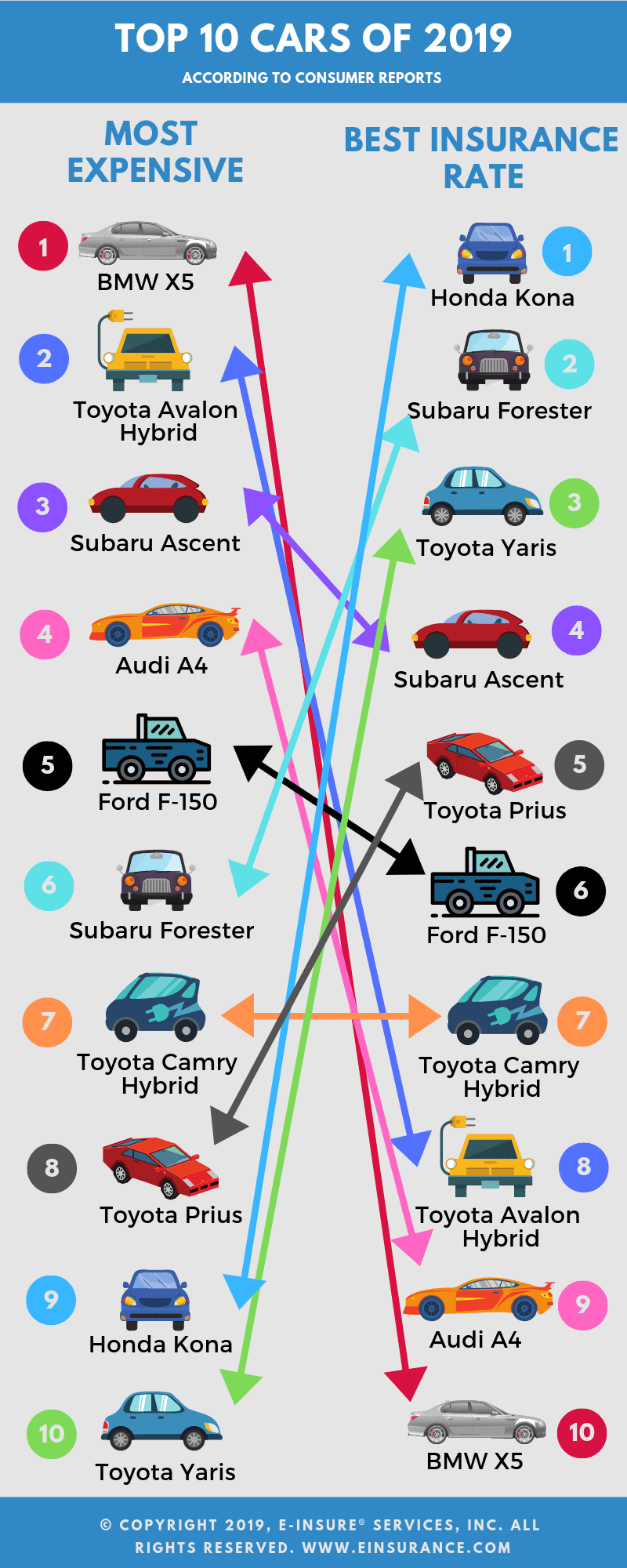
- Make and Model: Certain vehicles are more expensive to insure due to their higher repair costs, greater likelihood of theft, or higher performance capabilities (which correlate with higher accident rates). Luxury cars, sports cars, and certain SUVs often come with higher premiums.
- Safety Features: Modern safety features like anti-lock brakes, airbags, electronic stability control, and advanced driver-assistance systems (ADAS) can lead to discounts because they reduce the likelihood or severity of accidents. Investing in a safer car can yield long-term savings on insurance.
- Vehicle Age: As vehicles age and depreciate, the cost of collision and comprehensive coverage generally decreases. At some point, the cost of these coverages may outweigh the vehicle’s actual cash value, making it financially wise to drop them.
Policy Choices: Deductibles and Coverage Limits
These are direct financial levers you control:
- Deductibles: Your deductible is the amount you pay out-of-pocket before your insurance coverage kicks in. Choosing a higher deductible typically lowers your premium, as it means you’re taking on more initial risk. This is a strategic financial decision: can you comfortably afford a higher deductible (e.g., $1,000 or $2,500) in exchange for lower monthly payments?
- Coverage Limits: The maximum amount your insurer will pay for a covered claim. While higher limits mean greater protection (especially for liability), they also mean higher premiums. Balancing robust protection with affordability requires careful consideration of your assets and potential liabilities.
Strategies for Finding Your “Best” Policy
Finding the “best” car insurance isn’t about finding the cheapest, but the most cost-effective policy that provides adequate financial protection for your specific needs. This requires proactive financial management and strategic shopping.
The Power of Comparison Shopping
This is arguably the most critical step in optimizing your car insurance costs. Never settle for the first quote you receive or automatically renew with your current insurer without exploring other options.
- Online Aggregators: Websites that allow you to compare multiple quotes from various insurers simultaneously can save significant time and money. They provide a quick overview of what’s available and highlight potential savings.
- Independent Agents: These agents work with multiple insurance companies and can provide personalized advice and quotes from various carriers, often finding niche policies or discounts you might miss on your own.
- Direct Quotes: It’s also wise to get quotes directly from major insurers, as some may not participate in all aggregator platforms.
- Regular Review: Financial situations and market rates change. Make it a habit to comparison shop at least once a year, or whenever you experience a major life event (e.g., getting married, buying a new car, moving, improving your credit score).
Leveraging Discounts to Your Advantage
Insurance companies offer a plethora of discounts that can significantly reduce your premiums. Smart financial consumers actively seek these out:
- Bundling Discounts: Insuring multiple policies (e.g., car and home insurance) with the same carrier often results in substantial savings on both.
- Multi-Car Discounts: Insuring more than one vehicle with the same company.
- Good Driver/Accident-Free Discounts: Rewarding drivers with clean records over a specified period.
- Good Student Discounts: For young drivers who maintain a certain GPA.
- Low Mileage Discounts: If you drive fewer miles than average, perhaps due to working from home or using public transport.
- Safety Feature Discounts: For vehicles equipped with specific safety or anti-theft devices.
- Paid-in-Full Discounts: Paying your annual premium upfront instead of monthly installments can often net a discount and eliminate installment fees.
- Telematics/Usage-Based Insurance: Programs that monitor your driving habits (e.g., speed, braking, mileage) via a device or app. Safe drivers can earn significant discounts. This is a direct way to leverage your good driving for financial benefit.
Reviewing and Adjusting Your Coverage Periodically
Your insurance needs are dynamic. As your life circumstances change, so too should your policy.
- Life Events: Marriage, having children, buying a home, or retiring can all impact your coverage needs and discount eligibility.
- Vehicle Depreciation: As your car ages, its market value decreases. Regularly assess if paying for collision and comprehensive coverage is still financially sensible. For older cars, dropping these coverages might free up significant cash.
- Financial Growth: As your net worth grows, consider increasing your liability limits to protect your accumulated assets from potential lawsuits.
When to Consider Raising Your Deductible
Raising your deductible is a calculated financial risk. While it lowers your premiums, it means you’ll pay more out-of-pocket if you need to file a claim. This strategy is best for financially stable individuals who:
- Have a robust emergency fund that can easily cover the higher deductible.
- Have a clean driving record and are less likely to file claims.
- Are looking to save on monthly premiums to free up cash for other financial goals.
It’s a balance between managing immediate cash flow (lower premiums) and preparing for potential future expenses (higher deductible).
Common Pitfalls and Smart Financial Moves
Even with all the information, it’s easy to make mistakes that cost you money or leave you underprotected. Awareness of these pitfalls is a crucial part of smart financial planning for car insurance.
Avoiding Underinsurance: A Costly Mistake
One of the biggest financial errors drivers make is opting for the absolute minimum coverage to save a few dollars on premiums. While appealing in the short term, underinsurance can be catastrophic. If you’re at fault in an accident and your liability limits are exhausted, you are personally responsible for the remaining damages. This could mean wage garnishments, liens on your property, or even bankruptcy. The “best” financial decision often involves carrying higher liability limits (e.g., $100,000/$300,000/$100,000 or even higher) than the state minimums, especially if you have significant assets to protect. The marginal increase in premium for higher limits is often a small price to pay for substantial financial peace of mind.
The Myth of “Set It and Forget It”
Treating car insurance as a “set it and forget it” expense is a common oversight that leads to overpaying. Insurance companies rarely proactively offer you better rates or apply new discounts unless you ask or shop around. Your personal circumstances, your vehicle’s value, and market rates are constantly evolving. Failing to regularly review and update your policy means you could be missing out on significant savings or, worse, become underinsured as your financial situation changes. Make an annual review a non-negotiable part of your financial calendar.
Utilizing Financial Tools for Comparison
In today’s digital age, numerous tools exist to aid your car insurance financial planning:
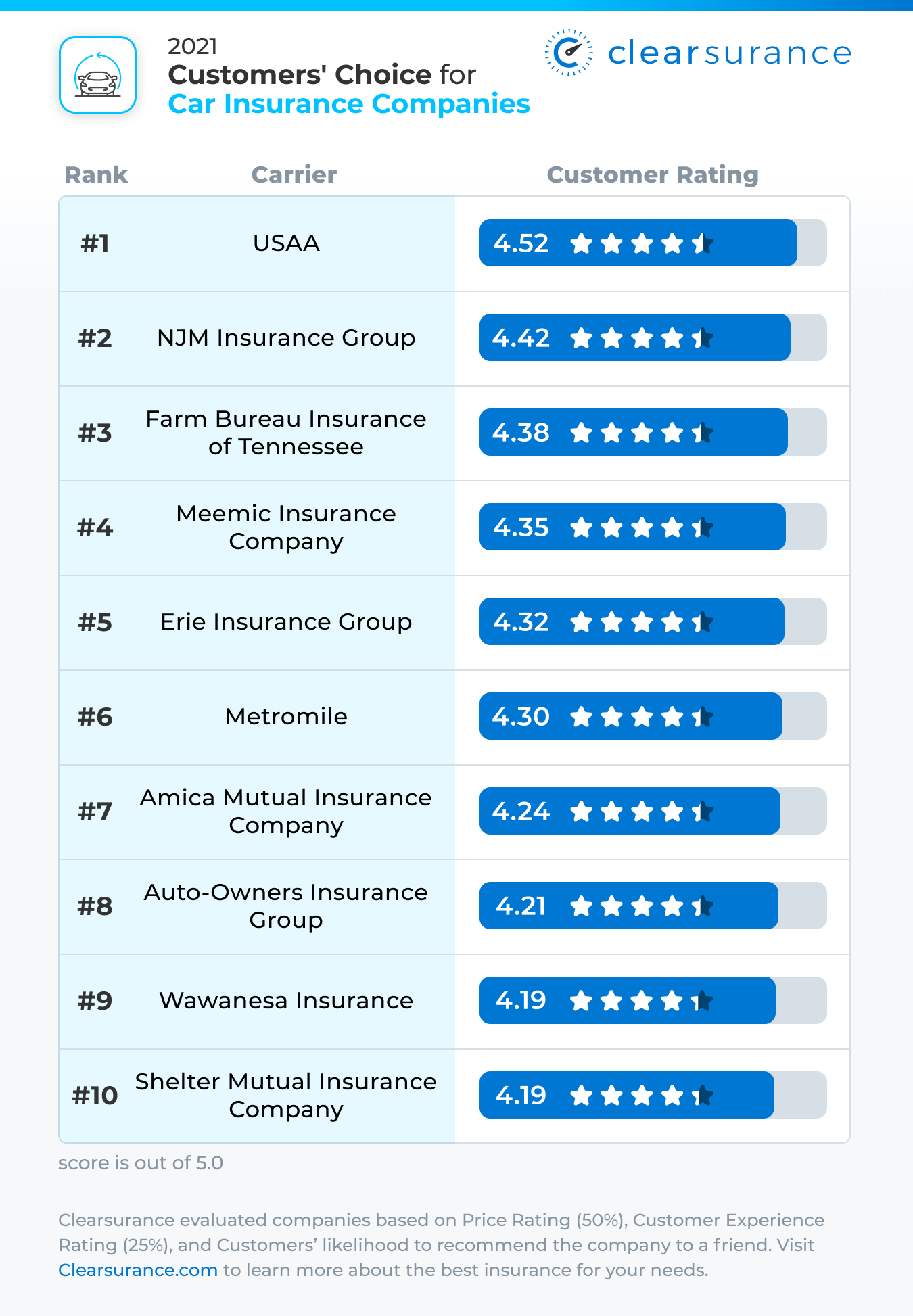
- Online Comparison Websites: Leverage sites like The Zebra, NerdWallet, or Compare.com to get instant quotes from multiple providers.
- Financial Advisors: While not dedicated to insurance, a good financial advisor can help you integrate your car insurance choices into your broader financial plan, especially regarding asset protection and risk management.
- Insurance Company Apps: Many insurers offer apps that not only manage your policy but can also track your driving habits for telematics discounts.
In conclusion, “what’s the best car insurance?” is a question whose answer is uniquely personal, reflecting an individual’s financial situation, risk tolerance, and driving habits. There is no single “best” policy universally applicable. Instead, the optimal approach involves an ongoing, financially astute process of understanding your needs, thoroughly comparing options, leveraging every available discount, and regularly reassessing your coverage. By adopting a proactive and informed approach to car insurance, you can transform it from a mere expense into a powerful financial tool that protects your assets, provides peace of mind, and contributes to your overall financial well-being.
aViewFromTheCave is a participant in the Amazon Services LLC Associates Program, an affiliate advertising program designed to provide a means for sites to earn advertising fees by advertising and linking to Amazon.com. Amazon, the Amazon logo, AmazonSupply, and the AmazonSupply logo are trademarks of Amazon.com, Inc. or its affiliates. As an Amazon Associate we earn affiliate commissions from qualifying purchases.