
In an increasingly dynamic economic landscape, the question “what are some ways to make money?” has become more relevant than ever. Whether you’re looking to supplement your primary income, escape the traditional 9-to-5, or build long-term wealth, the avenues for generating income are vast and continually evolving. This article delves into various strategies, from leveraging personal skills in the gig economy to establishing sophisticated investment portfolios, all aimed at empowering individuals to take control of their financial destinies. We will explore practical, actionable methods within the realm of personal finance, online income, and side hustles, providing an insightful guide for anyone seeking to enhance their earning potential.
Leveraging Your Skills in the Gig Economy
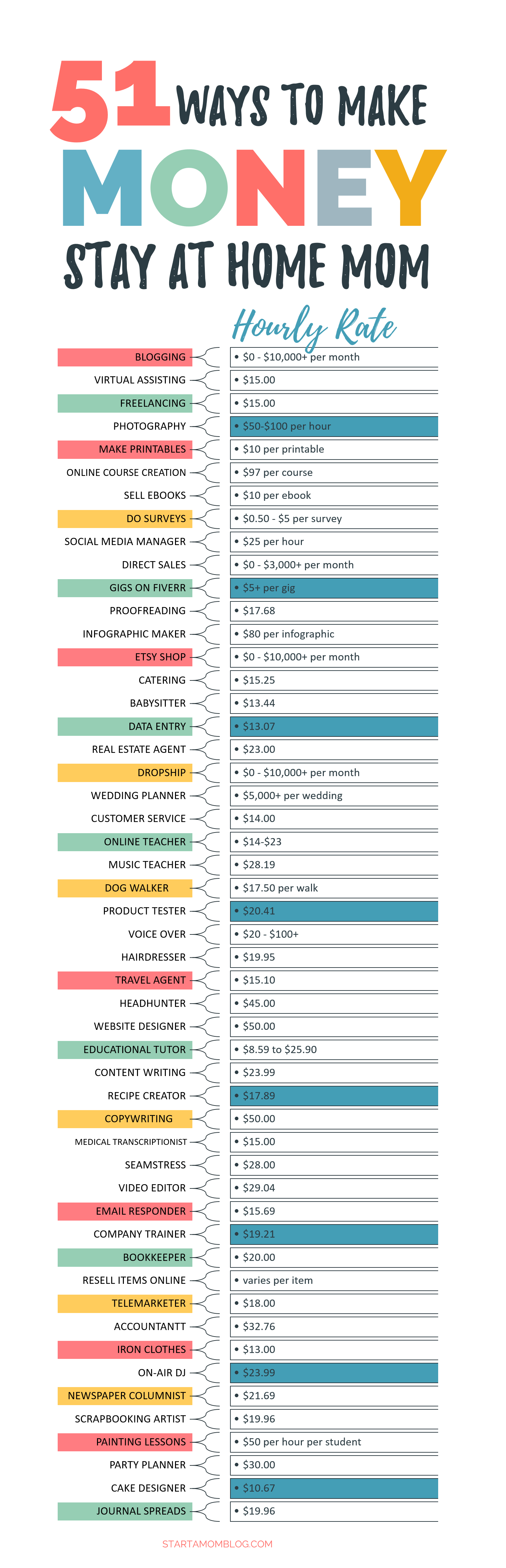
The rise of the gig economy has revolutionized how individuals can monetize their unique skills and expertise. This sector offers unparalleled flexibility and access to a global marketplace, allowing people to work on their terms, set their rates, and choose projects that align with their interests. For those with specific talents, the gig economy presents a direct pathway to making money without the constraints of traditional employment.
Freelancing Online: Platforms and Opportunities
One of the most accessible entry points into the gig economy is online freelancing. Platforms like Upwork, Fiverr, and Freelancer.com connect skilled individuals with clients worldwide seeking a diverse range of services.
- Writing and Editing: Content creation is in constant demand. Businesses need blog posts, articles, website copy, marketing materials, and technical documentation. If you have a knack for language and research, offering your services as a freelance writer or editor can be highly lucrative.
- Graphic Design and Web Development: Visual communication and digital infrastructure are crucial for modern businesses. Designers can offer services like logo creation, brand identity packages, social media graphics, and website UI/UX design. Web developers, proficient in languages like HTML, CSS, JavaScript, and various frameworks, can build and maintain websites and applications.
- Virtual Assistance and Administrative Support: Many businesses and entrepreneurs require support with administrative tasks, email management, scheduling, data entry, and social media management. Virtual assistants provide crucial remote support, allowing businesses to operate more efficiently without hiring full-time staff.
- Programming and IT Services: With the digital transformation sweeping industries, demand for programming, app development, cybersecurity, and IT consulting remains robust. Freelance programmers can work on custom software, mobile applications, database management, and system integrations.
Success in online freelancing hinges on building a strong portfolio, effectively marketing your skills, and consistently delivering high-quality work.
Consulting and Coaching: Monetizing Expertise
Beyond hands-on execution, individuals with specialized knowledge and experience can generate significant income through consulting and coaching. This involves advising businesses or individuals on specific challenges, strategies, or personal development.
- Business Consulting: If you have a background in marketing, finance, operations, or human resources, you can offer your expertise to small and medium-sized businesses struggling with growth, efficiency, or specific strategic initiatives.
- Life and Career Coaching: With strong interpersonal skills and a deep understanding of personal development, you can guide individuals through career transitions, personal goals, relationship challenges, or leadership development. Certifications in coaching can enhance credibility and client trust.
- Fitness and Wellness Coaching: Leveraging knowledge in nutrition, exercise science, or mindfulness, you can provide personalized coaching programs to clients seeking to improve their physical health, mental well-being, or athletic performance. The growth of online platforms has made virtual coaching more accessible than ever.
The value proposition of consulting and coaching lies in providing tailored solutions and guidance that clients might not be able to develop internally, leading to substantial returns for both parties.
Local Services: Hands-On Income
Not all money-making opportunities require a computer. The local service economy provides ample chances to earn cash by offering tangible services within your community.
- Pet Sitting and Dog Walking: For animal lovers, this is a fulfilling way to earn money. Many pet owners require reliable care for their companions while they are away or at work. Platforms like Rover or local advertising can connect you with clients.
- Tutoring and Education: Students of all ages often need help with academic subjects, test preparation, or learning new skills (e.g., music lessons, language instruction). If you excel in a particular subject, tutoring can be a rewarding and well-paying side hustle.
- Home Repair and Maintenance: Handy individuals can offer services such as minor home repairs, painting, yard work, cleaning, or even technology setup and troubleshooting. There’s always a demand for reliable, skilled individuals to tackle tasks homeowners might not have the time or expertise for.
These local services often benefit from word-of-mouth referrals, making excellent customer service and reliability paramount.
Building Sustainable Online Income Streams
The internet has opened up a plethora of opportunities to create income streams that can often be scaled and even automated over time, moving beyond direct service for time. These methods leverage digital platforms and content to reach broader audiences and generate revenue.
Content Creation and Monetization
If you have a voice, a story to tell, or expertise to share, content creation offers multiple avenues for making money online.
- Blogging: Creating a niche blog and consistently publishing valuable content can attract an audience. Monetization can come from affiliate marketing (promoting products and earning a commission), display advertising (e.g., Google AdSense), selling your own digital products, or sponsored posts.
- Vlogging (YouTube): Video content is incredibly popular. By creating engaging videos on a specific topic (tutorials, reviews, entertainment, education), you can build a subscriber base. Revenue is typically generated through YouTube’s Partner Program (ad revenue), sponsorships, merchandise sales, and affiliate links.
- Podcasting: Audio content allows listeners to consume information on the go. Podcasters can earn money through sponsorships, direct advertising, listener donations, and premium content or subscriptions.
- Social Media Influencing: Building a significant following on platforms like Instagram, TikTok, or Facebook allows individuals to partner with brands for sponsored content, promote products as an affiliate, or even sell their own merchandise.
The key to successful content creation is consistency, authenticity, and providing genuine value to your audience.
E-commerce and Dropshipping: Selling Products Online
The ability to sell products directly to consumers online has never been easier, thanks to platforms and business models that reduce barriers to entry.
- E-commerce Stores (Physical Goods): Setting up an online store using platforms like Shopify, Etsy, or eBay allows you to sell physical products directly to customers. This could involve crafting handmade goods, sourcing products wholesale, or creating custom designs for print-on-demand items.
- Dropshipping: This business model allows you to sell products without ever holding inventory. When a customer places an order on your online store, you purchase the item from a third-party supplier (often overseas), who then ships it directly to the customer. Your profit is the difference between your selling price and the supplier’s price. While requiring less upfront capital, it demands strong marketing and customer service skills.
- Digital Products: Unlike physical goods, digital products have no manufacturing or shipping costs and can offer high-profit margins. This includes selling e-books, templates (e.g., resume templates, social media templates), stock photos, music, or digital art.
Establishing a strong brand, effective marketing, and excellent customer service are critical for success in online product sales.
Online Courses and Digital Products: Sharing Knowledge
If you possess in-depth knowledge or a specific skill, packaging it into an online course or a digital product can be a highly scalable way to make money.
- Online Courses: Platforms like Teachable, Thinkific, or Udemy allow you to create and sell video lessons, written content, quizzes, and resources on almost any topic. From mastering a new software to learning a language or developing a specific professional skill, demand for online education is booming.
- E-books and Guides: Writing an e-book or a comprehensive guide on a topic you’re an expert in can provide passive income. Once written, it can be sold repeatedly through your website, Amazon Kindle Direct Publishing, or other e-commerce platforms.
- Templates and Tools: Many professionals and businesses need ready-made solutions like project management templates, financial spreadsheets, graphic design templates, or website themes. Creating and selling these digital assets can cater to a specific need in the market.
The initial effort of creation can lead to sustained income, making this an attractive option for experts looking to leverage their knowledge.
Strategic Investing for Wealth Accumulation
Beyond active income generation, strategic investing is a cornerstone of long-term wealth building and a powerful way to make your money work for you. It involves allocating capital with the expectation of generating a return, allowing your assets to grow over time.
Stock Market and Bonds: Traditional Investments
These are among the most common and accessible investment vehicles, suitable for various risk appetites and financial goals.
- Stocks: Investing in stocks means buying a small ownership stake in a public company. As the company grows and becomes more profitable, the value of its stock can increase, leading to capital gains. Many stocks also pay dividends, which are regular distributions of a company’s earnings to shareholders, providing a form of passive income.
- Bonds: Bonds represent a loan made by an investor to a borrower (typically a corporation or government). In return, the borrower promises to pay interest over a specified period and repay the principal amount at maturity. Bonds are generally considered less risky than stocks and can provide a steady stream of income.
- Mutual Funds and ETFs: For those who prefer diversification without individual stock picking, mutual funds and Exchange-Traded Funds (ETFs) pool money from multiple investors to buy a basket of stocks, bonds, or other assets. They offer professional management and instant diversification, reducing risk compared to investing in a single security.
Successful stock and bond investing often requires a long-term perspective, a diversified portfolio, and a clear understanding of your risk tolerance.

Real Estate Investments: Rental Income and Appreciation
Real estate has historically been a popular way to build wealth, offering potential for both passive income and capital appreciation.
- Rental Properties: Purchasing residential or commercial properties and renting them out can provide a steady stream of monthly income. Beyond rental income, properties often appreciate in value over time, offering capital gains upon sale. However, it requires significant upfront capital and involves responsibilities like property management and maintenance.
- Real Estate Investment Trusts (REITs): For those who want exposure to real estate without direct ownership, REITs are companies that own, operate, or finance income-producing real estate. They trade like stocks on major exchanges and are required to distribute a significant portion of their income to shareholders as dividends, making them attractive for income-focused investors.
- House Hacking: This strategy involves buying a multi-unit property, living in one unit, and renting out the others. The rental income from the other units can help cover or even exceed your mortgage payments, effectively allowing you to live for free or at a significantly reduced cost.
Real estate investment requires careful market analysis, understanding of financing, and often a hands-on approach, but it can yield substantial returns.
Alternative Investments: Diversifying Your Portfolio
Beyond traditional assets, a range of alternative investments can diversify a portfolio and potentially offer higher returns, albeit often with increased risk and less liquidity.
- Cryptocurrencies: Digital assets like Bitcoin and Ethereum have gained prominence as a speculative investment. While highly volatile, some investors see them as a hedge against inflation or a store of value. Investing in crypto requires a deep understanding of blockchain technology and a high-risk tolerance.
- Peer-to-Peer (P2P) Lending: Platforms connect individuals who want to borrow money with individuals who want to lend. As a lender, you can earn interest on your loans, often at higher rates than traditional savings accounts. It’s important to diversify across many loans to mitigate default risk.
- Crowdfunding: This allows individuals to invest small amounts in startups, real estate projects, or other ventures that would typically be inaccessible to individual investors. It offers the potential for high returns if the venture succeeds but also carries significant risk.
Exploring alternative investments should be done with caution, thorough research, and a clear understanding of the associated risks.
Entrepreneurship and Business Ventures
For many, the ultimate way to make money is by creating and running their own business. Entrepreneurship offers the potential for unlimited income, personal fulfillment, and the ability to build something truly impactful. It requires vision, dedication, and a willingness to take calculated risks.
Starting a Small Business: Identifying Niche Markets
The journey of entrepreneurship often begins with identifying a problem or an unmet need in the market and developing a solution.
- Service-Based Businesses: These leverage a skill to provide a service. Examples include marketing agencies, consulting firms, cleaning services, personal training, or tech repair shops. They often have lower startup costs and can be scaled by hiring more people.
- Product-Based Businesses: This involves creating or sourcing physical or digital products to sell. This could be anything from gourmet food items, handmade crafts, clothing lines, specialized software, or sustainable household goods. Success hinges on product quality, effective branding, and efficient supply chain management.
- Identifying a Niche: Instead of trying to serve everyone, focusing on a specific, underserved niche can significantly increase your chances of success. A niche market allows for targeted marketing, specialized products, and a deeper understanding of customer needs.
Starting a small business demands robust business planning, market research, and a solid understanding of financial management.
Franchising: Leveraging Established Models
For those who desire to own a business but prefer a proven operational model, franchising offers a compelling alternative.
- Pros: Franchises provide a recognized brand name, established operating procedures, training, and ongoing support from the franchisor. This significantly reduces the risks associated with starting an entirely new business from scratch. Industries like fast food, retail, and services are rife with franchising opportunities.
- Cons: Franchising requires a significant initial investment (franchise fees, royalties, operating costs) and adherence to strict operational guidelines dictated by the franchisor. While the model is proven, success still depends on the individual franchisee’s effort, location, and market conditions.
Franchising is an excellent option for individuals with managerial skills and access to capital who wish to operate a business within a structured framework.
Passive Income Businesses: Automation and Scalability
The concept of passive income – earning money with minimal ongoing effort – is highly appealing. While it often requires significant upfront work or investment, these businesses are designed for automation and scalability.
- Vending Machines and Laundromats: These are classic examples of passive income businesses. Once set up and operational, they require periodic maintenance and restocking but generate income largely without direct daily involvement.
- Software as a Service (SaaS): Developing a software solution that addresses a specific user need and offering it on a subscription basis can generate recurring revenue. While development requires substantial initial effort, the product can serve thousands of customers with relatively low marginal costs.
- Rental of Assets: Beyond real estate, you can rent out various assets, such as specialized equipment, vehicles, storage units, or even creative spaces. This leverages existing assets to generate income.
The goal with passive income businesses is to create systems that run efficiently, minimizing your active time investment while maximizing revenue.
Smart Financial Habits and Resourcefulness
While exploring various income-generating methods, it’s equally important to cultivate smart financial habits and resourcefulness. Maximizing the money you make is just one part of the equation; effectively managing and growing it is the other.
Budgeting and Expense Reduction: Freeing Up Capital
Before seeking new income, optimize what you already have.
- Budgeting: Creating and sticking to a budget is fundamental. It allows you to track your income and expenses, identify where your money is going, and allocate funds towards savings, investments, or debt repayment. Tools and apps can simplify this process.
- Expense Reduction: Actively looking for ways to cut unnecessary expenses can free up significant capital. This could involve renegotiating bills, reducing subscriptions, cooking at home more often, or finding cheaper alternatives for common purchases. The money saved is, effectively, money earned.
These habits create a solid financial foundation, making any additional income streams more impactful.
Selling Unused Items: Declutter and Profit
A quick and often overlooked way to make money is by selling items you no longer need or use.
- Online Marketplaces: Platforms like eBay, Facebook Marketplace, Craigslist, and local consignment shops provide avenues to sell clothing, electronics, furniture, collectibles, and more. This not only declutters your home but also puts cash in your pocket.
- Garage Sales/Yard Sales: For larger volumes of items, a traditional garage or yard sale can be an effective way to clear out clutter and make some quick cash.
This method offers immediate financial gratification and encourages a more minimalist lifestyle.

Utilizing Financial Tools and Apps: Optimizing Your Income Journey
Technology has made financial management and income generation more accessible than ever.
- Investment Apps: Platforms like Robinhood, Fidelity, or Vanguard allow easy access to the stock market, ETFs, and other investment vehicles, often with low fees.
- Budgeting Apps: Mint, YNAB (You Need A Budget), or Personal Capital help track spending, create budgets, and monitor net worth.
- Gig Economy Apps: Apps like Uber, Lyft, DoorDash, or Instacart provide flexible opportunities for ridesharing, food delivery, or grocery shopping, allowing you to earn money on your own schedule.
Leveraging these tools can streamline your financial processes, identify opportunities, and help you stay on track with your income and wealth-building goals.
In conclusion, the ways to make money are incredibly diverse, catering to different skill sets, risk tolerances, and time commitments. From agile freelance work and scalable online businesses to strategic investments and entrepreneurial ventures, the modern economy offers unprecedented opportunities. By combining innovative income-generating strategies with sound financial habits, individuals can not only enhance their immediate financial standing but also build lasting wealth and achieve greater financial independence. The journey begins with identifying your strengths, exploring the options, and taking deliberate action towards your financial aspirations.
aViewFromTheCave is a participant in the Amazon Services LLC Associates Program, an affiliate advertising program designed to provide a means for sites to earn advertising fees by advertising and linking to Amazon.com. Amazon, the Amazon logo, AmazonSupply, and the AmazonSupply logo are trademarks of Amazon.com, Inc. or its affiliates. As an Amazon Associate we earn affiliate commissions from qualifying purchases.