
In the rapidly evolving landscape of media and entertainment, navigating the nomenclature of legacy companies and their burgeoning digital offerings can often feel like deciphering a complex family tree. One common point of confusion arises with “Paramount” and “Paramount Plus.” While seemingly similar, these two entities represent distinct facets of a sprawling media conglomerate, each playing a critical role in its overarching brand strategy and market presence.
At its core, “Paramount” refers to the venerable Hollywood film studio, Paramount Pictures, a historical cornerstone of cinematic storytelling, and more broadly, to its parent corporation, Paramount Global. It embodies a century of cinematic heritage, iconic imagery, and a vast portfolio of media assets. “Paramount Plus,” on the other hand, is a modern direct-to-consumer streaming service – a digital brand extension designed to bring Paramount Global’s extensive content library directly to audiences, bypassing traditional distribution channels. Understanding this fundamental distinction is key to appreciating the strategic branding at play, revealing how an established corporate identity adapts and innovates in the digital age. This article delves into the nuances of these two entities, exploring their individual brand identities, strategic positioning, and synergistic relationship within the broader media ecosystem.
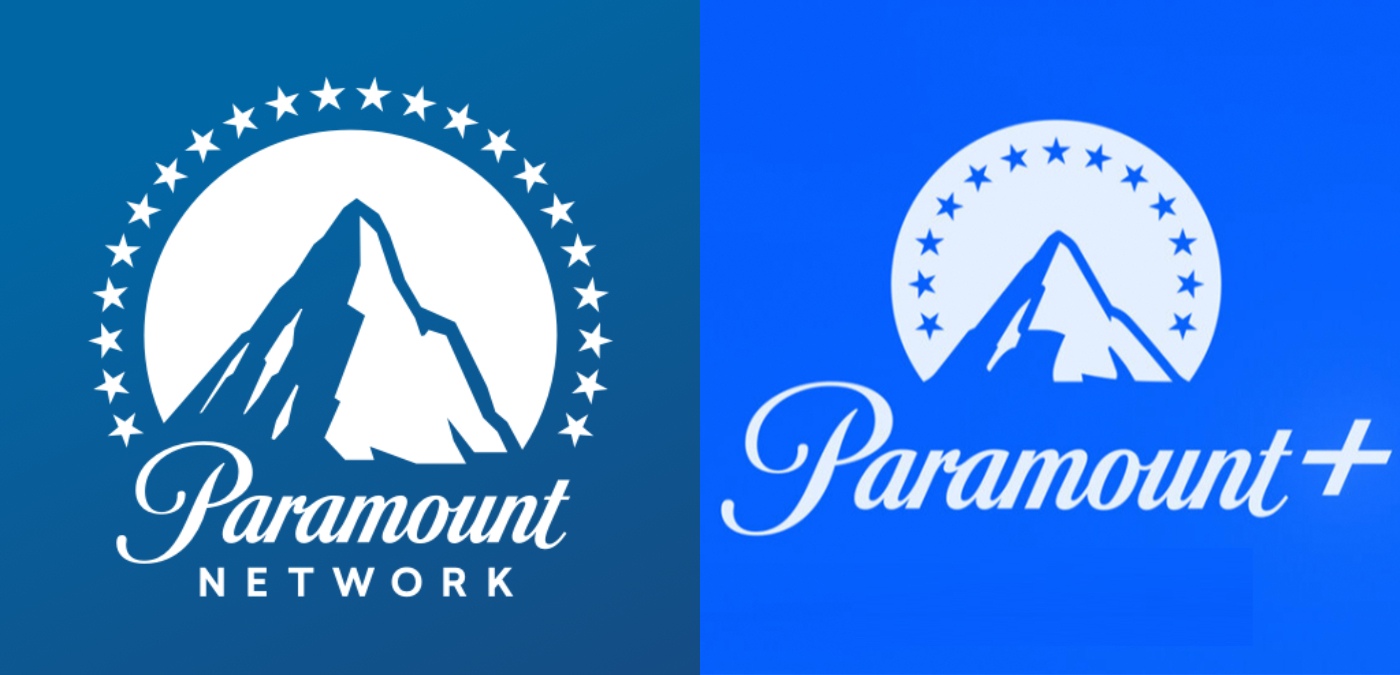
Paramount: The Enduring Legacy and Corporate Identity
To fully grasp the essence of Paramount, one must look beyond its immediate film studio origins and consider its broader corporate identity. Paramount represents a powerful, multi-faceted brand built on decades of content creation, distribution, and strategic acquisitions. It’s not merely a single product or service; it’s a media empire.
A Century of Storytelling and Studio Heritage
Paramount Pictures, established in 1912, is one of the oldest and most respected film studios in Hollywood. Its iconic mountain logo, instantly recognizable worldwide, symbolizes a rich history of cinematic achievement. Over more than a century, Paramount has been responsible for producing and distributing some of the most memorable and culturally significant films in history, from “The Godfather” and “Titanic” to “Indiana Jones” and “Mission: Impossible.”
The brand equity of Paramount Pictures is immense, rooted in its association with legendary directors, actors, and groundbreaking storytelling. It represents a commitment to high-quality production, innovative filmmaking, and a consistent presence at the forefront of popular culture. This heritage is not just historical; it continues to inform the studio’s contemporary productions and its enduring appeal to audiences globally. The studio’s operations involve complex film production, talent management, theatrical distribution, and licensing deals—a business-to-business (B2B) model that has traditionally driven its revenue.
The Umbrella Corporation: Paramount Global
Beyond the film studio, “Paramount” also serves as the titular identifier for the much larger parent company, Paramount Global. Formerly known as ViacomCBS, the company officially rebranded to Paramount Global in February 2022, a strategic move to leverage the strong, globally recognized Paramount name across its entire portfolio of assets. This rebranding signified a unification of its diverse media properties under a single, powerful banner, emphasizing its singular focus on content creation and distribution across all platforms.
Paramount Global is a media behemoth encompassing a vast array of popular entertainment brands and platforms. Its holdings include:
- Broadcast Television: CBS, one of America’s leading broadcast networks.
- Cable Networks: A formidable collection including MTV, Comedy Central, Nickelodeon, Showtime, BET, and Smithsonian Channel, each with its distinct brand identity and target demographic.
- Digital Streaming Services: Paramount Plus (the focus of our distinction), Pluto TV (a free, ad-supported streaming service), and Showtime’s standalone streaming service.
- Publishing: Simon & Schuster, one of the world’s largest publishers.
- International Operations: A significant global footprint with local content production and distribution.
In this context, Paramount is the overarching corporate brand, the strategic architect behind a vast ecosystem of content. Its brand strategy is about maintaining a diverse portfolio, cross-promotion, and leveraging the collective strength of its assets to compete effectively in the global media market. The transition to Paramount Global underscored a shift towards a more unified corporate identity, one that positions content production and multi-platform distribution as its central mission.
Paramount Plus: The Modern Digital Brand Extension
If Paramount represents the legacy and the corporate scaffolding, Paramount Plus is its direct-to-consumer digital manifestation. It’s a strategic evolution, a product of the modern streaming era, designed to bring the conglomerate’s vast content directly into consumers’ homes on demand.
From CBS All Access to a Global Streamer
Paramount Plus did not emerge from a vacuum. Its origins trace back to CBS All Access, a streaming service launched in 2014 primarily offering CBS programming, including live TV and original series like “Star Trek: Discovery.” While innovative for its time, CBS All Access had a somewhat limited scope, primarily catering to fans of CBS content.
The decision to rebrand and expand CBS All Access into Paramount Plus in March 2021 was a pivotal moment in Paramount Global’s brand strategy. This was not merely a name change; it was a comprehensive overhaul and expansion designed to leverage the powerful Paramount brand recognition globally. The “Plus” signifies an expanded offering, moving beyond just CBS content to encompass the full breadth of Paramount Global’s content library, including movies from Paramount Pictures, shows from MTV, Comedy Central, Nickelodeon, and exclusive new originals. This rebranding was a clear signal of intent: to compete head-on in the global streaming wars.
A Direct-to-Consumer Content Hub
Paramount Plus is, fundamentally, a subscription-based streaming service. Its core offering is a vast library of on-demand content, supplemented by live streaming options. It represents a direct bridge between Paramount Global’s content creators and its audience.
Key content pillars of Paramount Plus include:
- Movies: A rotating selection of films from the Paramount Pictures library, often including new theatrical releases shortly after their cinema run, as well as classic titles.
- Television Series: A deep catalog of shows from CBS, Comedy Central, MTV, Nickelodeon, and BET, providing content across various genres and demographics.
- Originals: Exclusive series and films produced specifically for Paramount Plus, such as “Yellowstone” prequels (“1883,” “1923”), new “Star Trek” series (“Picard,” “Strange New Worlds”), and revivals of beloved franchises.
- Live Sports: Access to live NFL games on CBS, UEFA Champions League soccer, and other sports programming.
- News: Live streaming of CBSN, the CBS News streaming channel.
- Local News: In many markets, subscribers can stream their local CBS affiliate’s news broadcasts live.
The “Plus” in the name effectively communicates an enhanced, comprehensive, and premium digital experience. It’s a brand signal for added value—more content, more accessibility, and a modern delivery mechanism for the company’s treasured intellectual property.
Branding and Market Positioning
The branding of Paramount Plus is a masterclass in leveraging established equity for a new digital product. By attaching the globally recognized “Paramount” name, the service instantly inherits a sense of legacy, quality, and familiarity, reducing the need to build brand awareness from scratch. The “Plus” clearly differentiates it as a distinct, subscription-based digital offering, avoiding confusion with the traditional studio or corporate entity.
Paramount Plus targets a broad audience, appealing to existing fans of Paramount Global’s various brands while also attracting new subscribers with its exclusive original content and live sports offerings. Its market positioning emphasizes “a mountain of entertainment,” a direct nod to the iconic Paramount mountain logo, suggesting an expansive and diverse library. The marketing strategy highlights the breadth of its content, from family-friendly Nickelodeon shows to mature dramas and blockbuster movies, positioning it as a comprehensive entertainment destination for the entire household. This direct-to-consumer model allows Paramount Global to cultivate direct relationships with its audience, gather invaluable data, and diversify its revenue streams beyond traditional advertising and licensing.
Strategic Brand Divergence and Synergy
The distinction between Paramount (the legacy studio/corporate parent) and Paramount Plus (the streaming service) is not merely semantic; it represents a deliberate strategic divergence in how content is created and consumed, while simultaneously fostering a powerful synergy that strengthens the overall Paramount brand ecosystem.
Maintaining Core Identity While Innovating
Paramount Pictures, as the studio, continues its traditional role as a content producer. It invests in new film and television projects, works with talent, and manages complex production schedules. Its identity is tied to the creative process and the prestige of theatrical releases and premium linear television programming. This core identity remains intact, ensuring the continued flow of high-quality content.
Paramount Plus, as the streaming service, is primarily a content distributor and aggregator in the digital realm. Its identity is focused on accessibility, convenience, and direct audience engagement. It leverages the content created by Paramount Pictures and other Paramount Global brands, providing a direct pipeline to consumers.
The strategic innovation lies in how these two identities coexist. For example, a major film from Paramount Pictures might have an exclusive theatrical window, reinforcing the studio’s traditional brand prestige, before making its streaming debut exclusively on Paramount Plus. This staggered release strategy allows both entities to maximize their respective strengths: the theatrical release generates buzz and box office revenue, while the streaming release drives subscriptions and retains viewers on the platform. This model ensures that the legacy brand (Paramount Pictures) continues to operate in its established sphere, while the new digital brand (Paramount Plus) innovates in content delivery.
The Power of Brand Extension
The decision to name the streaming service “Paramount Plus” is a textbook example of effective brand extension. By building on the strong foundation of the Paramount brand, the company reaps several significant benefits:
- Instant Recognition: Consumers already know and trust the Paramount name, eliminating the need to build brand awareness for a completely new entity from scratch. This translates into faster market penetration and reduced marketing costs.
- Implied Quality: The association with a century-old Hollywood studio lends credibility and an expectation of high-quality content to the streaming service.
- Emotional Connection: The Paramount brand evokes nostalgia and positive associations for many viewers, which can be transferred to the new streaming platform.
- Unified Ecosystem: It creates a clearer understanding that the streaming service is the digital home for content originating from various parts of the Paramount Global empire.
However, brand extension also comes with challenges, primarily the potential for confusion, as highlighted by the very question this article addresses. Managing this confusion through clear communication and consistent branding is crucial to ensure that each entity’s unique value proposition is understood. The “Plus” plays a vital role in signaling that this is an added service rather than a replacement for the original.
The Broader Implications for Brand Strategy in Media
The strategic differentiation and synergy between Paramount and Paramount Plus offer a compelling case study in how established media brands are navigating the complexities of the digital age. It reflects broader trends and necessities in the entertainment industry.
The Streaming Wars and Brand Evolution
The launch and scaling of Paramount Plus are direct responses to the intense “streaming wars” that have reshaped the media landscape. In a crowded market dominated by giants like Netflix, Disney+, HBO Max, and Peacock, legacy media companies must adapt their brand strategies to remain competitive. This often means transitioning from primarily B2B models (selling content to other broadcasters or distributors) to B2C models (selling directly to consumers).
For Paramount Global, the evolution of its brand strategy meant leveraging its deep content library and powerful brand names to create a compelling direct-to-consumer offering. Paramount Plus is a key pillar of this strategy, designed to secure a foothold in the global streaming market, retain existing audiences, and attract new ones. This shift requires a different approach to marketing, subscriber acquisition, and retention, all of which fall under the purview of modern brand management. The brand must evolve from being solely associated with traditional media to becoming a leader in digital content delivery.
Future of the Paramount Brand Ecosystem
The relationship between Paramount (the corporate entity/studio) and Paramount Plus (the streaming service) is symbiotic and continuously evolving. They reinforce each other in several critical ways:
- Content Pipeline: Paramount Pictures and other Paramount Global studios serve as the primary content engine for Paramount Plus, supplying it with exclusive originals, blockbuster films, and beloved series. This ensures a consistent flow of high-value content that attracts and retains subscribers.
- Marketing Channel: Paramount Plus acts as a powerful marketing and distribution channel for Paramount Global’s intellectual property. Successful shows or films on the platform can boost interest in the broader brand and its other offerings.
- Data and Insights: The direct-to-consumer nature of Paramount Plus provides Paramount Global with invaluable data on viewer preferences, consumption habits, and engagement, informing future content development and overall brand strategy.
- Unified Narrative: By bringing so many diverse brands under the “Paramount” and “Paramount Plus” umbrella, Paramount Global creates a unified brand narrative—a single destination for “a mountain of entertainment”—that strengthens its overall corporate identity and market position.
Looking ahead, the ongoing success of the Paramount brand ecosystem will depend on its ability to continue producing compelling content, strategically distributing it across both traditional and digital platforms, and maintaining a clear and compelling brand identity that resonates with consumers globally. The distinction between Paramount and Paramount Plus will likely remain a key element of this strategy, showcasing how a legacy brand can successfully innovate and extend its reach without diluting its core identity.

Conclusion
In summation, the difference between Paramount and Paramount Plus is a clear illustration of strategic brand management in the contemporary media landscape. Paramount, the broader entity, encompasses the historic Hollywood studio (Paramount Pictures) and the overarching corporation (Paramount Global), representing a rich heritage of content creation and a diverse portfolio of media assets. It is the architect of a vast entertainment empire, built on a century of storytelling and a robust corporate identity.
Paramount Plus, conversely, is a specific direct-to-consumer streaming service—a brand extension launched to directly deliver Paramount Global’s extensive content library to audiences in the digital era. It’s the modern, accessible front door to a mountain of entertainment, built upon the established equity of the Paramount name but clearly differentiated by the “Plus” to denote its streaming nature and expanded offerings.
This distinction is more than just a naming convention; it reflects a deliberate brand strategy to navigate the streaming wars, leveraging a powerful legacy brand to launch innovative digital products while maintaining the integrity of its core identity. By understanding this relationship, consumers and industry observers alike can appreciate the nuanced approach Paramount Global has taken to evolve its brand, embracing new technologies and distribution models while staying true to its enduring mission of global storytelling.
aViewFromTheCave is a participant in the Amazon Services LLC Associates Program, an affiliate advertising program designed to provide a means for sites to earn advertising fees by advertising and linking to Amazon.com. Amazon, the Amazon logo, AmazonSupply, and the AmazonSupply logo are trademarks of Amazon.com, Inc. or its affiliates. As an Amazon Associate we earn affiliate commissions from qualifying purchases.