
The name “Tesla” has become synonymous with innovation, electric vehicles, and a futuristic vision of technology. Yet, before it adorned the sleek designs of a modern automotive and energy company, the name belonged to one of history’s most brilliant and enigmatic minds: Nikola Tesla. The deliberate choice to name a revolutionary company after this pioneering Serbian-American inventor is a testament to the power of a legacy and its profound impact on brand identity. It’s a strategic move that imbues the brand with an immediate sense of genius, disruption, and a relentless pursuit of progress, directly aligning with the brand strategy of a company aiming to redefine industries.

The Visionary Behind the Name: Nikola Tesla’s Enduring Legacy
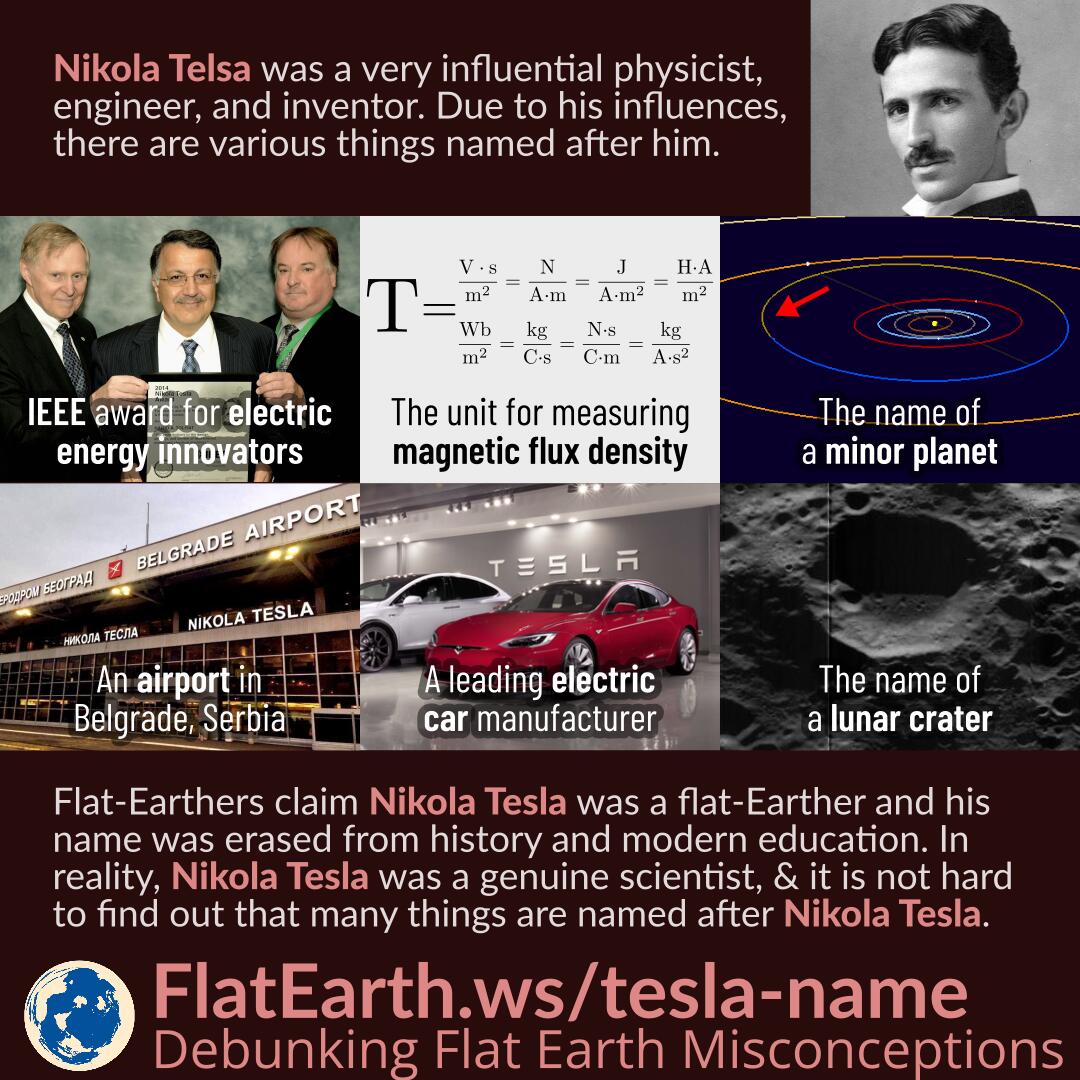
Nikola Tesla, born in 1856, was far more than just an inventor; he was a futurist whose concepts often outpaced the technological capabilities of his era. His contributions laid much of the groundwork for modern electrical systems and communications, yet for decades, his name remained relatively obscure to the general public compared to some of his contemporaries. The company Tesla, Inc. choosing to resurrect his name for their brand was a masterstroke in personal branding and corporate identity, connecting their audacious vision with an authentic historical pioneer.
A Pioneer of Modern Technology: AC Power and Beyond
Nikola Tesla’s most impactful contribution was arguably his development of the alternating current (AC) electrical system, which is the standard power delivery system used worldwide today. His rivalry with Thomas Edison, who championed direct current (DC), is often dubbed the “War of Currents,” a battle of technological paradigms. Tesla’s AC system was more efficient for long-distance transmission, a critical factor in electrifying cities and industries across vast areas. Beyond AC, Tesla’s fertile mind conceived and patented hundreds of inventions, including the Tesla coil, fundamental to radio technology; remote control; fluorescent lighting; and even early concepts of X-rays and radar. These inventions demonstrate a consistent theme of pushing boundaries and challenging existing norms—a spirit that the modern Tesla brand clearly seeks to embody and market. This historical alignment provides a rich narrative for brand storytelling, allowing the company to position itself as a continuum of disruptive innovation.
The Underrated Genius: Why His Name Resonates
For much of the 20th century, Nikola Tesla was largely overlooked by mainstream historical accounts, his genius overshadowed by others. However, in recent decades, there has been a significant resurgence of interest in his life and work. This growing appreciation, fueled by books, documentaries, and popular culture, has elevated Tesla from an obscure figure to a revered icon of scientific brilliance and intellectual independence. This “rediscovery” made his name ripe for adoption by a brand that sought to disrupt conventional industries. By tapping into a figure whose true value was only recently recognized, the company could subtly convey that its own innovations, though initially misunderstood by some, were destined to be equally transformative. It created an immediate perception of intellectual depth and pioneering spirit, a key component of brand perception.
Aligning with Innovation: The Brand’s Foundation
The choice of Nikola Tesla’s name provides an immediate and powerful foundation for the brand. It tells a story without needing extensive explanation. It telegraphs innovation, electrification, and a forward-thinking mindset. For a company focused on electric vehicles and sustainable energy solutions, this alignment is perfect. It’s not just about electricity; it’s about a better way of delivering and utilizing power, echoing Nikola Tesla’s own improvements over existing systems. This foundational alignment allows the brand to project an image of authority and authenticity in its chosen fields, differentiating it from competitors who may lack such a deep and resonant historical connection. It’s a brand strategy that leverages historical weight to build a futuristic identity.
Tesla, Inc.: Forging a Brand Identity from a Legend
The modern company Tesla, Inc. was founded in 2003 by Martin Eberhard and Marc Tarpenning, with Elon Musk joining as an investor and chairman shortly thereafter. From its inception, the founders deliberately sought a name that would reflect their ambitious goal: to accelerate the world’s transition to sustainable energy. The decision to name the company “Tesla” was a conscious act of corporate identity building, designed to link their venture to a historical figure who embodied their core values of innovation and disruption.
The Genesis of a Name: A Deliberate Choice
The selection of “Tesla” was not arbitrary. It was a strategic branding decision rooted in the desire to connect the nascent company with the inventor who pioneered the very technology that would enable their product: alternating current electric motors. The AC induction motor, which Nikola Tesla invented in 1887, was crucial for the company’s early electric vehicle powertrains. By adopting his name, the founders immediately established a direct lineage between their modern technology and a historical giant of electrical engineering. This deliberate choice communicated a deep respect for scientific principles and a commitment to leveraging foundational discoveries for future advancements. It was a concise and powerful way to articulate the brand’s technological underpinning and its revolutionary aspirations.
Branding Through Association: Inheriting a Legacy of Disruption
One of the most potent aspects of branding is the ability to leverage positive associations. By naming itself after Nikola Tesla, the company instantly inherited a legacy of disruption, anti-establishment thinking (Tesla famously clashed with powerful figures), and groundbreaking invention. This association allowed Tesla, Inc. to position itself not just as another car company, but as a technological pioneer akin to its namesake. The perception of Nikola Tesla as a brilliant, yet often misunderstood, genius also helped to cultivate a sense of exclusivity and intellectual superiority around the brand. Consumers buying a Tesla vehicle or energy product are not just purchasing a commodity; they are buying into a narrative of scientific progress and a vision of the future, subtly linked to the inventor’s own grand ambitions. This form of brand storytelling is incredibly powerful for cultivating a dedicated customer base.
More Than a Name: Embedding Core Values
The name “Tesla” goes beyond mere recognition; it serves as a constant reminder of the company’s core values. It embodies innovation, electrical power, and the courage to challenge conventional wisdom. Every time the name is seen or spoken, it reinforces the idea that the company is driven by a mission to revolutionize, much like Nikola Tesla himself sought to revolutionize the world with his inventions. This deep embedding of values within the brand’s very name helps to guide product development, marketing campaigns, and even corporate culture. Employees and customers alike can draw inspiration from the inventor’s relentless pursuit of better solutions, creating a cohesive and compelling brand identity that transcends individual products. It’s a strategic brand strategy that leverages historical ethos to define contemporary purpose.

The Synergy of Name and Mission: Amplifying Brand Perception
The brilliance of the “Tesla” brand name lies in its perfect synergy with the company’s mission. Both Nikola Tesla and Tesla, Inc. share a common thread: an unwavering commitment to advancing humanity through innovative electrical technologies. This alignment amplifies the brand’s perception, making it resonate more deeply with consumers who value progress and sustainability.
Electric Dreams: Connecting Past Innovation with Future Mobility
Nikola Tesla’s work was fundamentally about harnessing electricity for practical applications. The company Tesla, Inc. continues this “electric dream” by focusing on electric vehicles and renewable energy storage. The name creates an immediate and intuitive link: “Tesla” means electric innovation. This connection is vital for marketing and brand differentiation. In a market increasingly crowded with electric vehicle offerings, the name Tesla provides a historical gravitas and an implied level of expertise that others often lack. It positions the company as a natural inheritor of a legacy, rather than a newcomer in the field. This brand messaging resonates particularly well with early adopters and tech enthusiasts, who appreciate the historical nod to a foundational figure in electrical engineering.
The “Mad Scientist” Allure: Cultivating a Cult Brand
Nikola Tesla’s eccentricities and unconventional methods, combined with his undeniable genius, have contributed to a “mad scientist” mystique around his persona. This allure, albeit subtly, transfers to the modern Tesla brand. It helps cultivate a “cult” following among its customers and enthusiasts who admire the company’s bold, sometimes controversial, approach to product development and market strategy. This element of daring and iconoclasm fosters a sense of community and loyalty that goes beyond mere product satisfaction. Customers feel they are part of a movement, led by a company that isn’t afraid to challenge the status quo—much like the original Nikola Tesla challenged the scientific establishment of his day. This kind of personal branding for a corporate entity creates incredibly strong brand loyalty.
From Inventor to Innovator: Brand Storytelling
The story of Nikola Tesla provides a rich tapestry for the modern company’s brand storytelling. It allows Tesla, Inc. to narrate its own journey as a continuation of a grand historical quest for scientific advancement. Marketing materials, product launches, and corporate communications can all draw parallels between the challenges faced by the inventor and the challenges overcome by the company. This narrative positions Tesla, Inc. as more than just a manufacturer; it portrays them as a torchbearer of innovation, committed to solving some of the world’s most pressing energy and transportation problems. This powerful storytelling capability strengthens the brand’s emotional connection with its audience, reinforcing its corporate identity as a pioneering force.
Navigating Brand Challenges and Opportunities with a Powerful Name
While the name “Tesla” offers immense branding advantages, it also comes with its own set of challenges and opportunities that must be carefully managed. The weight of such a name demands constant innovation and a clear communication strategy to maintain its resonance.
The Weight of Expectation: Living Up to a Legacy
Naming a company after a figure of Nikola Tesla’s stature sets an incredibly high bar. The brand immediately carries the weight of expectation: it must consistently deliver groundbreaking, futuristic, and reliable technology. Any misstep, design flaw, or production issue is not just a company failing; it can be perceived as a failure to live up to the namesake’s genius. This pressure can be intense, but it also serves as a powerful motivator for the company to maintain its high standards of innovation and engineering excellence. Managing this expectation requires constant transparency and a commitment to continuous improvement, which are vital for maintaining brand reputation.
Differentiating in a Crowded Market: The Tesla Effect
As the automotive and energy sectors become increasingly saturated with electric and sustainable alternatives, the “Tesla Effect”—the perception of superior technology and forward-thinking design—becomes crucial for differentiation. The name helps maintain this distinction. It suggests that Tesla, Inc. products are not merely electric; they are Tesla-level electric, implying a higher degree of innovation and performance. This brand perception has allowed the company to command premium pricing and maintain a unique position in the market, even as competitors catch up on certain technologies. The consistent reinforcement of the name’s historical significance in marketing helps to solidify this differential advantage.
Future-Proofing the Brand: Expanding Beyond Vehicles
The “Tesla” name is intrinsically linked to electricity and innovation, making it highly adaptable for diversification beyond electric vehicles. The company’s expansion into energy storage (Powerwall, Megapack), solar energy, and even AI/robotics (Optimus) feels natural and consistent with the brand identity established by its namesake. Nikola Tesla’s own work spanned a vast array of electrical and mechanical systems, providing a historical precedent for broad technological exploration. This versatility in the brand name future-proofs the company, allowing it to enter new markets and develop diverse product lines without diluting its core identity. It reinforces the idea that Tesla, Inc. is fundamentally an innovation company, rather than just an automotive manufacturer.
Conclusion
The question “who was Tesla named after” reveals more than just a historical fact; it uncovers a masterclass in brand strategy and corporate identity. By choosing to honor Nikola Tesla, the pioneering inventor of the AC electrical system, Tesla, Inc. accomplished several critical branding objectives. It established an immediate lineage to genius, innovation, and disruption, forging a powerful connection between its futuristic mission and a foundational figure in electrical engineering. This deliberate naming decision has provided a rich narrative for brand storytelling, helped cultivate a dedicated community of followers, and imbued the company with a timeless sense of purpose and progress. The name “Tesla” is not merely a label; it is a declaration of intent, a beacon of innovation that continues to inspire and shape the company’s journey in redefining the world’s energy and transportation landscape. It stands as a testament to how deeply a historical legacy can be woven into the fabric of a modern brand, creating an identity that is both powerful and enduring.
aViewFromTheCave is a participant in the Amazon Services LLC Associates Program, an affiliate advertising program designed to provide a means for sites to earn advertising fees by advertising and linking to Amazon.com. Amazon, the Amazon logo, AmazonSupply, and the AmazonSupply logo are trademarks of Amazon.com, Inc. or its affiliates. As an Amazon Associate we earn affiliate commissions from qualifying purchases.