
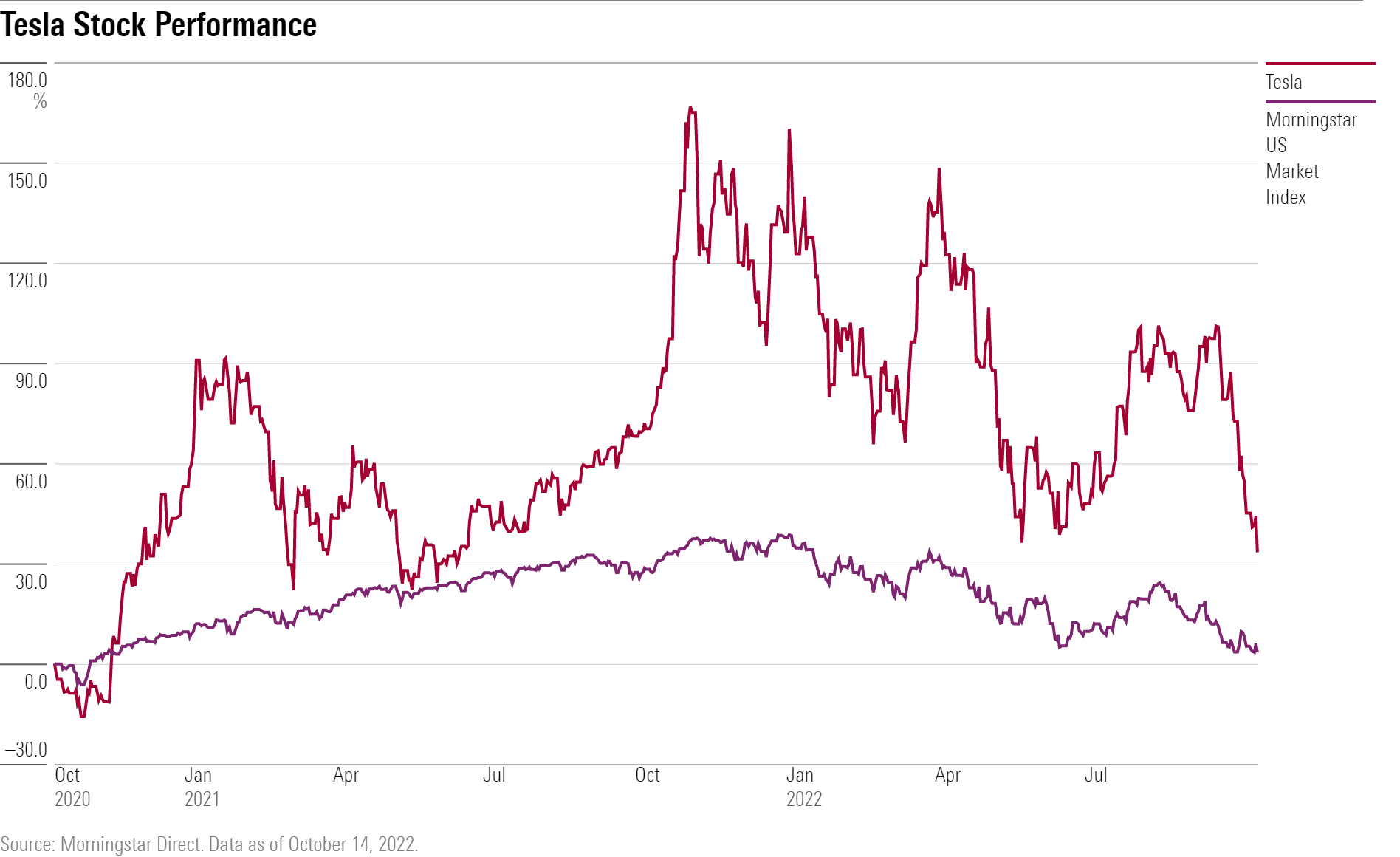
For years, Tesla (TSLA) was the undisputed darling of Wall Street, a stock that seemed to defy the traditional laws of financial gravity. Investors who got in early were rewarded with astronomical gains as the company transformed from a niche electric vehicle manufacturer into a global powerhouse. However, the recent trajectory of Tesla stock has left many investors questioning the long-term thesis. Once characterized by parabolic growth, the stock has entered a phase of intense volatility, driven by a complex interplay of margin compression, shifting consumer demand, and a radical pivot in the company’s core business identity.
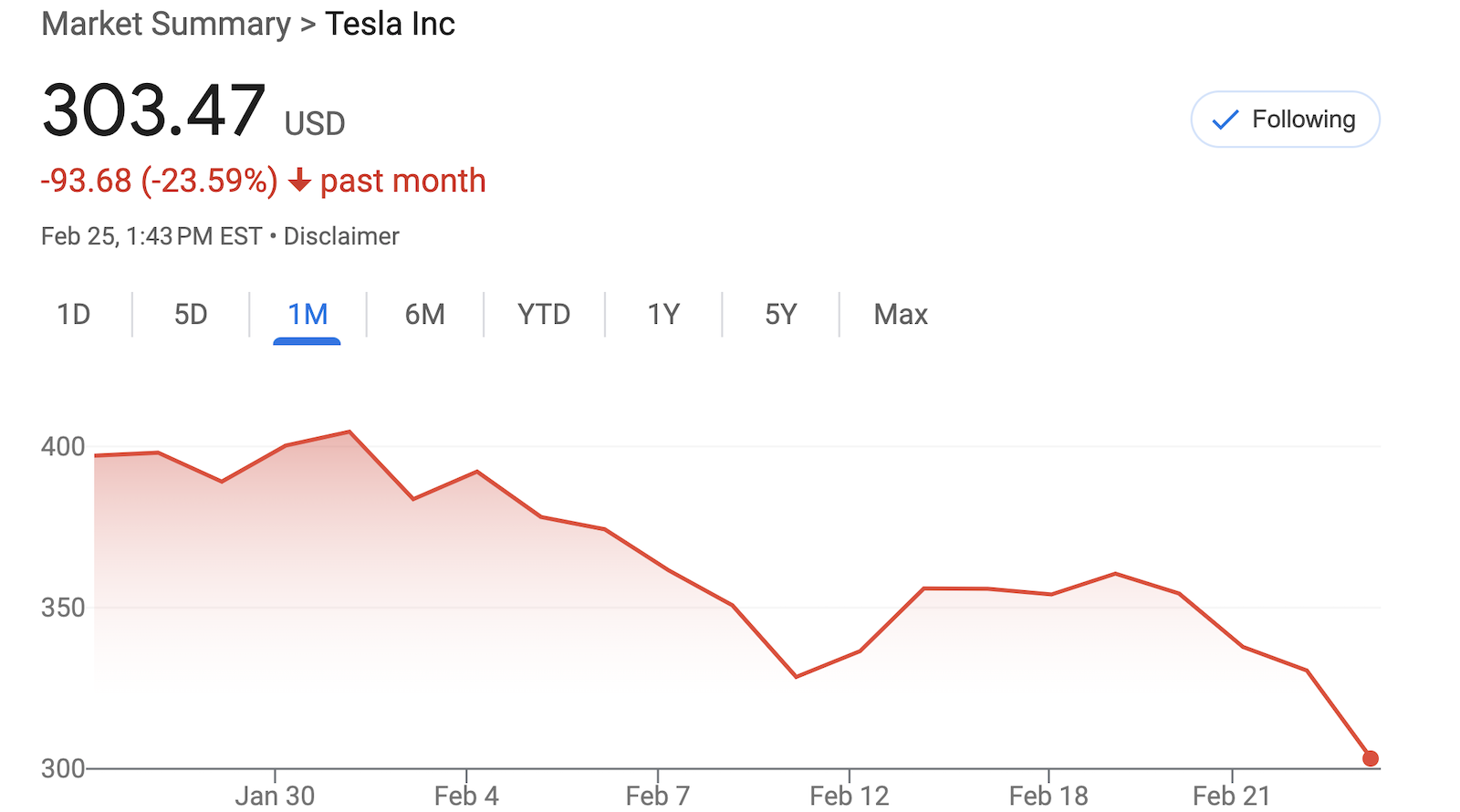
Understanding what happened to Tesla stock requires looking beyond simple price charts. It requires an analysis of the fundamental shifts in the global automotive market, the macroeconomic environment, and the evolving narrative surrounding Elon Musk’s leadership. For the modern investor, Tesla represents more than just a car company; it is a high-stakes bet on the future of artificial intelligence, autonomous transport, and energy storage.
The Financial Reality: Margin Compression and the Price War
The primary catalyst for the downward pressure on Tesla’s stock over the past eighteen months has been the erosion of its industry-leading profit margins. For years, Tesla boasted gross margins that were the envy of the automotive world, often exceeding 25% or even 30%. This allowed the company to be valued more like a high-growth software firm than a capital-intensive manufacturer.
The Strategic Shift to Volume
In late 2022 and throughout 2023, Tesla initiated a series of aggressive price cuts across its major markets, including the United States, China, and Europe. The logic from leadership was clear: in an environment of rising interest rates, affordability becomes the primary barrier to entry for consumers. By lowering prices, Tesla aimed to maintain its market share and keep its factories running at full capacity, even if it meant sacrificing short-term profitability.
From an investing standpoint, this shift was polarizing. While it successfully stimulated volume, the impact on the bottom line was immediate. Operating margins began to slide, falling into the low teens. For institutional investors who had priced TSLA based on its “luxury” margins, this transition to a “volume-first” strategy necessitated a re-valuation of the stock. The market began to price Tesla less as a high-margin disruptor and more as a competitive, albeit efficient, mass-market automaker.
Earnings Misses and Guidance Uncertainty
Quarterly earnings reports have become a source of significant anxiety for shareholders. Recent reports have frequently highlighted misses in earnings per share (EPS) and revenue targets. Furthermore, the company’s decision to provide less specific forward-looking guidance regarding delivery growth has contributed to a “wait-and-see” attitude among analysts. In the world of finance, uncertainty is often met with selling, and the lack of a clear “floor” for margins has kept the stock in a state of flux.
Competitive Pressures and the Global EV Landscape
Another critical factor in the Tesla stock narrative is the end of its functional monopoly on the electric vehicle market. While Tesla still leads in the U.S., the global landscape has become increasingly crowded and competitive.
The Rise of Chinese Manufacturers
Perhaps the most significant threat to Tesla’s dominance comes from China, specifically companies like BYD. Unlike legacy Western automakers who have struggled with the transition to EV, Chinese firms have scaled rapidly with vertically integrated supply chains and lower labor costs. BYD, in particular, has challenged Tesla for the title of the world’s top EV seller.
The market’s concern is twofold: first, that Tesla is losing ground in China, its most important growth market; and second, that Chinese EVs will eventually flood international markets, further pressuring Tesla’s pricing power. Whenever news breaks regarding increased competition or trade barriers, Tesla stock tends to react with heightened sensitivity.
Slower Adoption in the West
Compounding the competitive pressure is a general cooling of the EV market in the United States and Europe. After an initial surge of “early adopter” buyers, the transition to the “early majority” has been slower than anticipated. High interest rates have made auto loans more expensive, and concerns regarding charging infrastructure continue to persist. As inventory levels for EVs across the industry rose, Tesla was forced to contend with a market that was no longer chasing its cars at any price, leading to a cooling of the “hyper-growth” sentiment that previously propped up the stock’s P/E ratio.

Macroeconomic Headwinds and Interest Rate Sensitivity
Tesla’s stock performance cannot be viewed in a vacuum; it is deeply tied to the broader macroeconomic environment. As a growth stock, Tesla is particularly sensitive to fluctuations in interest rates.
The Cost of Capital and Consumer Financing
When the Federal Reserve began its aggressive rate-hiking cycle to combat inflation, growth stocks across the board took a hit. For Tesla, the impact was double-edged. First, higher discount rates used in financial modeling reduce the present value of future cash flows, leading to lower stock valuations. Second, most consumers finance their vehicle purchases. A 7% or 8% interest rate on a car loan significantly increases the monthly payment, effectively pricing out a segment of Tesla’s potential customer base.
Institutional Rebalancing
Throughout 2023 and 2024, many institutional funds began rebalancing their portfolios. During the era of “easy money,” Tesla was a staple in growth-oriented portfolios. However, as the focus shifted toward “value” and “quality” in a high-rate environment, some managers trimmed their positions in Tesla in favor of companies with more predictable cash flows or those benefiting from the immediate AI hardware boom, such as Nvidia. This shift in capital allocation has created a persistent overhead for the stock.
The Pivot to AI, Robotics, and the Robotaxi Narrative
To understand why Tesla stock hasn’t collapsed entirely despite these headwinds, one must look at the “pivot.” Elon Musk has increasingly insisted that Tesla should be viewed not as an auto company, but as an AI and robotics company.
Full Self-Driving (FSD) and the Software-as-a-Service Model
The long-term bull case for Tesla stock now rests heavily on the success of Full Self-Driving (FSD) technology. The goal is to transition Tesla from selling one-off hardware (cars) to generating high-margin, recurring software revenue. If Tesla can successfully solve Level 5 autonomy, the potential for a “Robotaxi” fleet could theoretically generate trillions in value.
Investors are currently caught between skepticism and hope. Every update to the FSD software is scrutinized by the market. When progress seems tangible, the stock rallies; when regulatory hurdles or technical setbacks arise, the stock retreats. This “AI optionality” is currently what supports Tesla’s still-premium valuation compared to companies like Ford or Toyota.
Optimus and the Future of Labor
Beyond cars, the development of the “Optimus” humanoid robot represents the next frontier for Tesla’s valuation. Musk has claimed that Optimus could eventually be more valuable than the automotive business. While still in the early stages of development, the promise of a general-purpose robotic worker positions Tesla at the center of the robotics revolution. For investors with a ten-year horizon, these projects are the primary reason to hold the stock, even as the car business faces cyclical challenges.
Investor Outlook: Risk Factors vs. Growth Opportunities
As we look at the current state of Tesla stock, the path forward is marked by both significant risks and unparalleled opportunities. The “easy gains” of the past decade have been replaced by a period of rigorous fundamental testing.
Key Risks to Monitor
Investors must remain vigilant regarding several key risks:
- Execution Risk: The gap between promising a Robotaxi and delivering a safe, regulated, and profitable service is massive.
- Key Man Risk: Tesla’s brand and strategic direction are inextricably linked to Elon Musk. His involvement in other ventures (X, SpaceX, xAI) remains a point of contention for some shareholders who worry about a lack of focus.
- Regulatory Pressure: Governments worldwide are increasing scrutiny on autonomous driving safety and data privacy, which could delay Tesla’s software monetization.
The Path to Recovery
For Tesla stock to regain its former momentum, several things likely need to happen. First, the company needs to stabilize its margins, proving to the market that the worst of the price war is over. Second, a successful launch of a lower-cost “Next-Gen” vehicle (often referred to as the Model 2) would address the need for volume growth in a saturated market. Finally, any concrete evidence of FSD licensing to other automakers or a successful Robotaxi pilot program would likely act as a powerful catalyst for a sustained rally.
In conclusion, “what happened to Tesla stock” is a story of a company in transition. It is moving from its adolescence as a disruptive automaker into its adulthood as an AI conglomerate. For investors, the stock remains a litmus test for one’s belief in the future of technology. It is no longer a “sure bet,” but rather a complex financial instrument that requires a deep understanding of both the balance sheet and the technological horizon. While the volatility is high, the stakes—and the potential rewards—remain among the highest in the financial world.
aViewFromTheCave is a participant in the Amazon Services LLC Associates Program, an affiliate advertising program designed to provide a means for sites to earn advertising fees by advertising and linking to Amazon.com. Amazon, the Amazon logo, AmazonSupply, and the AmazonSupply logo are trademarks of Amazon.com, Inc. or its affiliates. As an Amazon Associate we earn affiliate commissions from qualifying purchases.