
In an increasingly digital world, the way we manage our finances has undergone a profound transformation. At the heart of this shift lies the eBill, a seemingly simple concept that has revolutionized how individuals and businesses handle payments, statements, and financial record-keeping. More than just an electronic version of a paper bill, an eBill represents a fundamental change in financial interaction, offering unparalleled convenience, efficiency, and insight into one’s financial health.
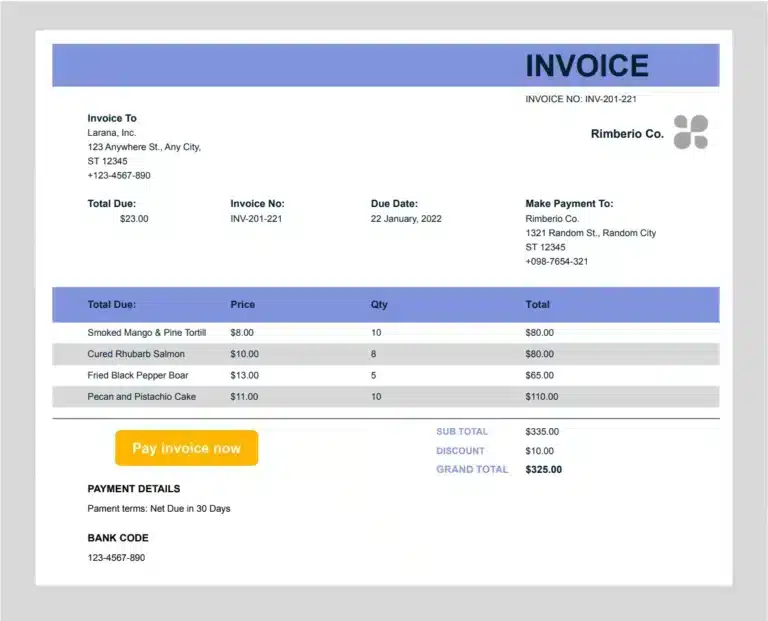
An eBill, short for electronic bill, is a digital invoice or statement issued by a service provider, utility company, bank, or any other entity requiring payment, delivered to the recipient electronically rather than through postal mail. This system is typically facilitated through various channels, including direct emails, secure portals on a biller’s website, or integrated online banking platforms. Its emergence is not merely a technological advancement but a strategic move towards optimizing financial processes, reducing operational costs, and fostering a more sustainable approach to commerce.

For individuals, eBills simplify the often-daunting task of managing household expenses. Gone are the days of sifting through stacks of paper, struggling to remember due dates, or fretting over misplaced invoices. With eBills, everything is consolidated, easily accessible, and often accompanied by automated reminders and payment options, empowering consumers to take greater control of their personal finance.
For businesses, the adoption of eBilling systems offers a compelling case for improved operational efficiency and cost savings. From reducing printing and postage expenses to accelerating payment cycles and enhancing data accuracy, eBills directly impact a company’s bottom line. They also provide a robust framework for better financial reporting, reconciliation, and customer relationship management, fostering a more agile and responsive business environment.
This article will delve into the multifaceted world of eBills, exploring their core mechanisms, the tangible financial benefits they offer to both individuals and organizations, the inherent security measures safeguarding these transactions, and the promising future they hold in the broader financial ecosystem. By understanding “what is eBill,” we unlock a deeper appreciation for its role as a pivotal financial tool in the digital age.
The Financial Core of eBill: Understanding the Basics
At its essence, an eBill is a digital replica of a traditional paper invoice, but its functionalities extend far beyond mere digital representation. It’s an interactive financial document designed to streamline the entire billing and payment process, from issuance to reconciliation. Understanding the mechanics behind eBills is crucial for appreciating their financial impact.
How eBills Work: A Digital Flow of Funds
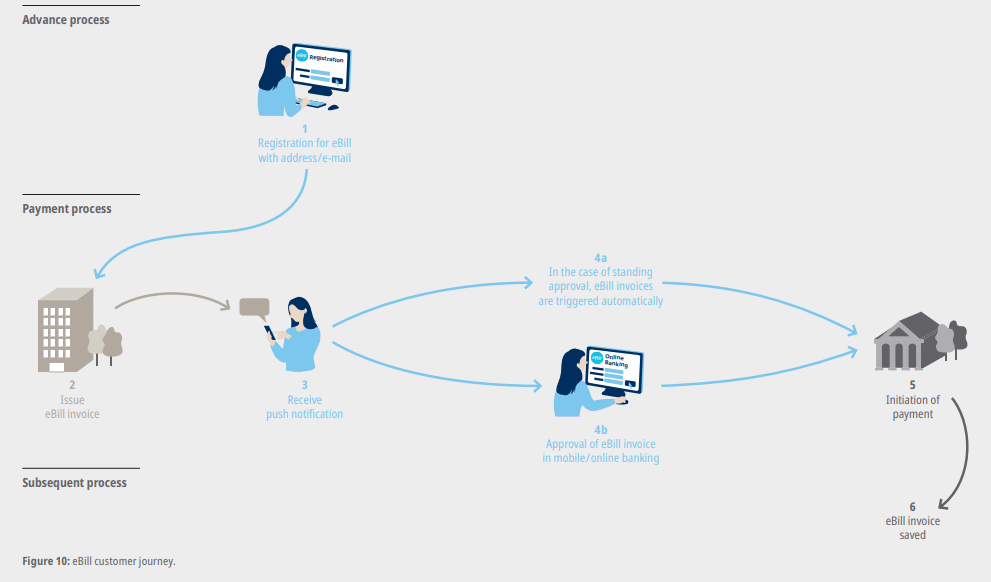
The journey of an eBill typically begins when a service provider generates an invoice. Instead of printing and mailing it, the provider transmits the bill data electronically. This transmission can occur through several primary channels:
- Biller’s Website/Portal: Many companies offer customers access to a secure online account where they can view current and past bills, make payments, and manage their preferences. This is a common and direct method, requiring customers to log in to each specific biller’s site.
- Email Delivery: Some billers opt to send eBills directly to a customer’s email inbox, often as a PDF attachment or a link to a secure viewing portal. While convenient, this method requires vigilance against phishing attempts.
- Online Banking Platforms (Bill Pay Services): A growing number of financial institutions offer integrated eBill services within their online banking portals. Customers can register their billers, receive bills directly into their banking interface, and schedule payments from a single, centralized location. This aggregation significantly enhances financial management.
- Third-Party Aggregators: Specialized services exist that allow users to consolidate all their eBills from various providers into one platform, offering a comprehensive overview of financial obligations and payment options.
Once an eBill is delivered, the recipient can review the charges, payment due date, and payment options. Most eBilling systems are integrated with various digital payment methods, including direct debit, credit card payments, electronic funds transfers (EFTs), or even digital wallets. This seamless integration ensures that the process from bill receipt to payment is quick, secure, and often automated.
Key Components of an eBill System
Beyond the digital invoice itself, an eBill system comprises several interconnected components that ensure its efficacy and security:
- Data Generation and Formatting: Bills are generated from billing software in a structured electronic format (e.g., XML, EDI, or proprietary formats) before being rendered into user-friendly displays like PDFs or web pages.
- Secure Delivery Channels: Robust encryption and authentication protocols are employed to ensure that eBills are delivered securely and only accessible by the intended recipient. This protects sensitive financial information from interception.
- Payment Gateways and Processors: These are the technological backbone that facilitates the actual transfer of funds from the payer to the biller. They ensure that transactions are processed securely, quickly, and compliantly.
- Notification and Reminder Systems: Automated alerts via email or SMS often accompany eBill systems, notifying customers when a new bill is available, when a payment is due, or when a payment has been successfully processed. These reminders are invaluable for avoiding late fees and maintaining good financial standing.
- Archiving and Retrieval Capabilities: eBilling systems typically offer robust digital archiving, allowing users to access historical bills and payment records for auditing, budgeting, or dispute resolution purposes, eliminating the need for physical storage.
These components work in concert to provide a comprehensive, secure, and efficient financial tool that redefines how payments are managed in the modern economy.
Transforming Personal Finance with eBills
For individuals, eBills are far more than just a convenience; they are a powerful tool for enhancing personal financial management. By embracing electronic billing, consumers can gain greater control over their expenses, improve their budgeting accuracy, and ultimately strengthen their financial well-being.
Enhanced Budgeting and Expense Tracking
One of the most significant financial advantages of eBills for individuals is the clarity and ease they bring to budgeting. When all bills arrive electronically and are accessible through a single portal (like an online banking platform or a dedicated aggregator), it creates a centralized hub for managing expenses.
- Real-time Visibility: eBills provide immediate access to financial obligations, allowing individuals to see exactly what they owe and when. This real-time visibility is crucial for proactive budgeting, enabling consumers to allocate funds more effectively and avoid overspending.
- Automated Record-Keeping: Digital bills are automatically stored and organized, eliminating the need for manual filing. This digital trail makes it simple to review past expenditures, identify spending patterns, and adjust budgets accordingly. Many online banking platforms and personal finance apps can even pull data directly from eBills, categorizing expenses automatically.
- Simplified Data Export: For those who use spreadsheets or dedicated budgeting software, eBills often provide options to download transaction data, making it straightforward to import information and conduct in-depth financial analysis without tedious manual entry. This accuracy is invaluable for creating realistic budgets and tracking progress towards financial goals.
Avoiding Late Fees and Optimizing Cash Flow
Late fees are a common drain on personal finances, often accumulating due to forgotten due dates or misplaced paper bills. eBills significantly mitigate this risk, helping individuals save money and manage their cash flow more efficiently.
- Automated Reminders: Most eBill systems come equipped with customizable notification features. Users can set up email or SMS alerts to receive reminders days before a bill is due, on the due date itself, or even after payment has been processed. These proactive nudges are critical for ensuring timely payments.
- Scheduled Payments: The ability to set up recurring or one-time scheduled payments directly from an eBill or within an online banking platform is a game-changer. This automation ensures that bills are paid on time, every time, even if the individual is busy or away. It removes the stress of remembering multiple due dates and drastically reduces the incidence of costly late charges.
- Improved Cash Flow Management: By having a clear overview of upcoming payments and the ability to schedule them precisely, individuals can better manage their available funds. They can time payments to coincide with paychecks, ensuring that sufficient funds are always available without unnecessarily tying up cash long before it’s needed. This strategic timing can prevent overdrafts and optimize the use of their money.
eBills in Business: Streamlining Operations and Boosting the Bottom Line
The financial benefits of eBills are even more pronounced for businesses, regardless of their size. Implementing an eBilling system can lead to substantial operational efficiencies, significant cost reductions, and improved financial health, directly impacting the bottom line.
Cost Efficiency and Operational Savings
Traditional paper-based billing is fraught with hidden costs that accumulate rapidly for businesses. eBills provide a clear path to eliminating these expenses and streamlining administrative processes.
- Reduced Printing and Postage Costs: The most immediate and obvious saving comes from the elimination of physical materials. Businesses no longer need to purchase paper, envelopes, or toner, nor do they incur postal fees for each invoice sent. For companies sending thousands or millions of bills annually, these savings can amount to hundreds of thousands or even millions of dollars.
- Lower Administrative Overhead: Generating, printing, stuffing, and mailing bills are labor-intensive tasks. eBilling automates much of this process, freeing up staff from mundane administrative duties. This allows employees to focus on higher-value activities, leading to increased productivity and potentially reducing the need for additional administrative hires.
- Decreased Error Rates: Manual processing of paper bills is prone to human error, leading to misaddressed invoices, incorrect data entry, and payment processing mistakes. eBilling systems reduce these errors significantly through automation and standardized data formats, resulting in fewer customer service inquiries related to billing issues and less time spent on rectifying mistakes.
- Enhanced Audit Trails and Compliance: Digital records inherently offer a more robust and easily searchable audit trail. This simplifies financial audits, tax preparation, and compliance with regulatory requirements, reducing the time and resources typically allocated to these tasks.
Accelerated Cash Flow and Reconciliation
For any business, cash flow is king. Faster access to funds and efficient reconciliation processes are critical for maintaining liquidity and making informed financial decisions. eBills play a pivotal role in accelerating both.
- Faster Payment Cycles: Digital bills reach customers almost instantaneously, eliminating the delays associated with postal delivery. Coupled with integrated online payment options, this immediacy significantly shortens the time between invoicing and payment. Faster payment cycles mean quicker access to working capital, enabling businesses to reinvest, pay suppliers, and manage their own financial obligations more effectively.
- Reduced Days Sales Outstanding (DSO): By speeding up the payment process, eBills directly contribute to lowering a company’s Days Sales Outstanding (DSO), a key metric indicating the average number of days it takes for a company to collect revenue after a sale. A lower DSO signifies more efficient collection practices and better cash flow management.
- Streamlined Reconciliation: Automated eBilling systems often integrate directly with accounting software. When payments are made through these systems, the transaction data can be automatically matched against the corresponding invoices. This eliminates the manual effort of reconciling payments, drastically reducing reconciliation errors and freeing up accounting staff. The real-time visibility of payments also allows businesses to pinpoint outstanding invoices more quickly and follow up effectively.
- Improved Customer Payment Experience: Offering convenient and flexible ePayment options via eBills enhances the customer experience. Satisfied customers are more likely to pay on time, reducing the need for collections efforts and strengthening customer loyalty, which indirectly contributes to long-term financial stability.
Navigating the eBill Landscape: Security, Challenges, and Future Trends
While the financial advantages of eBills are undeniable, their widespread adoption also brings important considerations regarding security, potential challenges, and the evolving landscape of digital finance. Understanding these aspects is crucial for both users and providers.
Safeguarding Your Financial Data: Security Measures
The electronic nature of eBills necessitates robust security protocols to protect sensitive financial and personal information from cyber threats. Both billers and financial institutions employ multiple layers of security.
- Encryption: Data transmitted during eBilling and payment processes is typically encrypted using industry-standard protocols (e.g., TLS/SSL). This scrambles the information, making it unreadable to unauthorized parties if intercepted.
- Secure Portals and Authentication: Access to eBills and payment functions often requires secure login credentials, multi-factor authentication (MFA), and sometimes even biometric verification. These measures ensure that only the authorized user can access their financial data.
- Data Center Security: Biller and financial institution servers where eBill data is stored are protected by physical security measures, firewalls, intrusion detection systems, and regular security audits to prevent data breaches.
- Fraud Detection Systems: Advanced algorithms and machine learning are increasingly used to monitor transactions for unusual patterns, identifying and flagging potential fraudulent activities in real-time.
- Regulatory Compliance: Financial institutions and billers adhere to stringent data protection regulations (like GDPR, PCI DSS, etc.) that mandate how financial data is collected, stored, and processed, adding another layer of security and accountability.
- User Vigilance: While providers implement strong security, users also play a crucial role. This includes using strong, unique passwords, enabling MFA, being wary of phishing emails, and regularly monitoring financial statements for unusual activity.
Addressing Challenges and Considerations
Despite the numerous benefits, the eBill ecosystem presents certain challenges that need to be addressed for optimal user experience and widespread adoption.
- Digital Divide: Not everyone has reliable internet access or the digital literacy required to manage eBills effectively. This can exclude certain demographics, necessitating alternative billing options.
- Managing Multiple Accounts: For individuals with many service providers, managing numerous separate biller portals can become cumbersome, defeating some of the convenience benefits. Aggregation services or online banking bill pay can help, but adoption varies.
- Email Overload and Phishing Risks: Reliance on email for notifications or direct bill delivery can lead to inboxes being overwhelmed or increase vulnerability to sophisticated phishing scams designed to mimic legitimate billers.
- System Outages and Technical Glitches: Like any technology, eBilling systems can experience outages or technical issues, which could potentially delay bill delivery or payment processing. While rare, contingency plans are important.
- Data Privacy Concerns: While security measures are in place, some users may still have concerns about the privacy of their financial data being stored electronically across various platforms. Transparency from providers is key.
The Future of eBilling: Integration and Innovation
The trajectory of eBilling is towards deeper integration with the broader financial technology (FinTech) landscape, driven by ongoing innovation.
- AI and Automation: Artificial intelligence will likely enhance eBilling by providing predictive insights into spending patterns, offering personalized financial advice, and further automating payment scheduling and expense categorization.
- Open Banking Integration: With the rise of open banking initiatives, eBills could become more seamlessly integrated with a wider array of financial services and third-party apps, offering a holistic view of an individual’s financial life across different institutions.
- Real-time Payments: The global shift towards real-time payment systems will further accelerate the benefits of eBills, enabling instant payment processing and immediate confirmation, revolutionizing cash flow for businesses and individuals alike.
- Embedded Finance: eBilling could become an invisible part of other digital experiences, with bills and payment options seamlessly embedded into everyday apps and platforms, making financial transactions even more frictionless.
- Enhanced Security Features: Continuous advancements in cybersecurity, including blockchain technology for secure record-keeping and advanced biometrics, will further fortify the security of eBilling systems.
In conclusion, the eBill is far more than just a digital invoice; it is a cornerstone of modern financial management, offering profound benefits in terms of efficiency, cost savings, and control for both individuals and businesses. While challenges exist, the ongoing evolution of technology and increased integration within the financial ecosystem promise an even more secure, streamlined, and insightful future for electronic billing. Embracing eBills is not just about keeping up with technology; it’s about making smarter financial decisions in an increasingly digital world.
aViewFromTheCave is a participant in the Amazon Services LLC Associates Program, an affiliate advertising program designed to provide a means for sites to earn advertising fees by advertising and linking to Amazon.com. Amazon, the Amazon logo, AmazonSupply, and the AmazonSupply logo are trademarks of Amazon.com, Inc. or its affiliates. As an Amazon Associate we earn affiliate commissions from qualifying purchases.