
In an era defined by technological advancement and a growing emphasis on safety and efficiency, understanding your vehicle’s intricate systems has become more crucial than ever. Among these, the Tire Pressure Monitoring System (TPMS) stands out as a critical component, silently safeguarding your journey by ensuring optimal tire health. For the tech-savvy individual, the DIY enthusiast, or anyone looking to optimize their vehicle’s performance and save money, installing or replacing a TPMS can be a rewarding and empowering project. This guide will walk you through the entire process, blending technical instruction with insights into why this piece of technology is indispensable for both your safety and your wallet.

Understanding TPMS: Why It Matters for Your Vehicle’s Health and Your Wallet
At its core, TPMS is a built-in safety system for your vehicle that monitors the air pressure inside your tires. Its primary function is to alert you when tire pressure drops to a potentially unsafe level, either due to a puncture or a slow leak. This seemingly simple function has profound implications, impacting everything from road safety to fuel economy and tire longevity. For those immersed in the world of technology, TPMS represents a prime example of how smart sensors can enhance real-world performance and security.
The legal mandate for TPMS in new vehicles in many countries underscores its importance. Under-inflated tires are a leading cause of accidents, contributing to tire blowouts, reduced braking capability, and compromised handling. By providing real-time data, TPMS mitigates these risks, offering drivers peace of mind and an early warning system that can prevent dangerous situations. But the benefits extend beyond immediate safety, touching upon critical financial aspects often overlooked by the average driver.
The Core Function: Direct vs. Indirect TPMS
Before diving into installation, it’s vital to understand the two main types of TPMS systems:
-
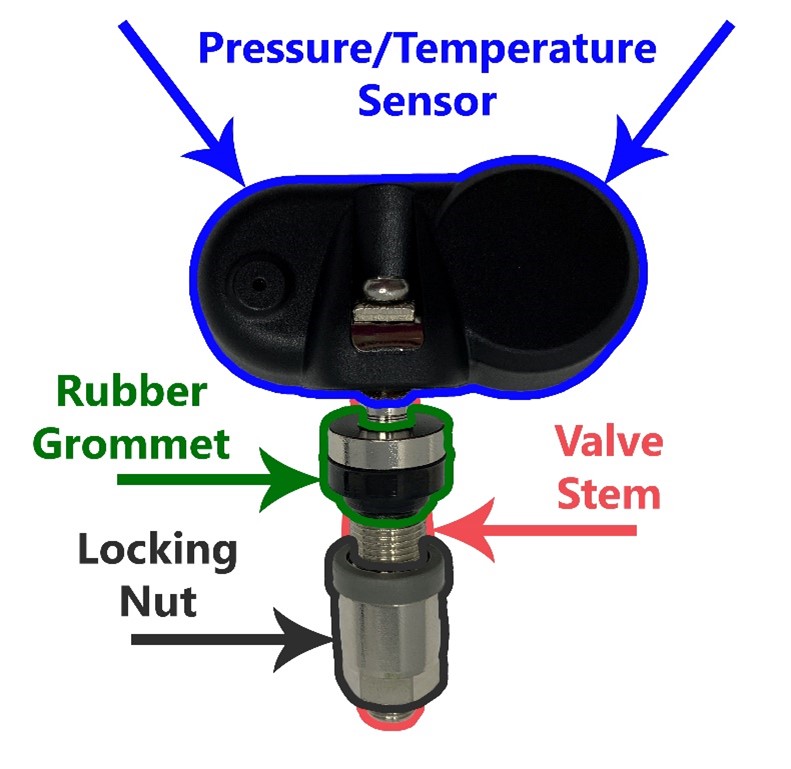
Direct TPMS: This is the more common and generally more accurate system. It utilizes individual pressure sensors mounted inside each tire, usually attached to the valve stem. These sensors wirelessly transmit pressure data to a central receiver in the vehicle. Direct TPMS can often provide specific pressure readings for each tire, and some advanced systems can even monitor tire temperature. When a sensor detects low pressure, it sends a signal, triggering a warning light on your dashboard. This technology embodies precision monitoring, offering granular data that can be extremely valuable.
-
Indirect TPMS: This system doesn’t use physical pressure sensors in the tires. Instead, it works in conjunction with the vehicle’s Anti-lock Braking System (ABS) wheel speed sensors. When a tire loses pressure, its rolling radius decreases, causing it to rotate at a slightly different speed compared to the other tires. The ABS system detects this discrepancy and interprets it as a sign of low tire pressure, activating the warning light. While less expensive and easier to maintain (no battery replacements within the tire), indirect systems are generally less precise and cannot provide specific pressure readings. They also require the tires to be properly inflated before the system can be reset and accurately calibrated.
For DIY installation, we primarily focus on direct TPMS, as it involves physically replacing or installing sensors within the wheels. This is where the practical application of tech knowledge truly comes into play.
Beyond Safety: Fuel Efficiency and Tire Longevity
While safety is paramount, the financial implications of properly inflated tires — monitored by TPMS — are substantial. Consider the “Money” aspect of your vehicle maintenance:
- Fuel Efficiency: Under-inflated tires increase rolling resistance, forcing your engine to work harder to maintain speed. This directly translates to reduced fuel economy. The U.S. Department of Energy estimates that keeping your tires properly inflated can improve gas mileage by up to 3%. Over the lifespan of a vehicle, this seemingly small percentage can accumulate into significant savings on fuel costs, an undeniable boon for your personal finance.
- Tire Longevity: Improper tire pressure, whether too low or too high, leads to uneven tread wear. Under-inflation causes excessive wear on the outer edges of the tire, while over-inflation wears down the center. Premature and uneven tire wear shortens the lifespan of your tires, necessitating more frequent and costly replacements. TPMS helps ensure consistent, optimal pressure, maximizing tire life and protecting your investment in quality rubber.
- Reduced Wear on Vehicle Components: Beyond the tires themselves, consistently driving on under-inflated tires can strain other vehicle components, including the suspension system and steering components, potentially leading to more expensive repairs down the line.
Therefore, understanding and maintaining your TPMS is not just about adhering to safety regulations; it’s a smart financial decision that contributes to the overall health of your vehicle and your bank account.
Preparing for Installation: Tools, Materials, and Essential Safety Measures
Embarking on a TPMS installation project, like any automotive repair, requires careful preparation. This phase is crucial for a smooth process, ensuring you have all the necessary components and tools at hand, and most importantly, adhering to stringent safety protocols. A well-prepared workspace and a comprehensive understanding of the task ahead are hallmarks of any successful DIY project, reflecting both a technical understanding and a commitment to personal well-being.
Gathering Your Arsenal: What You’ll Need
The precise list of tools and materials may vary slightly depending on your vehicle’s make and model, and whether you’re replacing existing sensors or installing a new system. However, a general list includes:
- New TPMS Sensors: Ensure these are compatible with your vehicle’s make, model, and year. There are universal programmable sensors, or OEM (Original Equipment Manufacturer) replacements. Choosing reputable brands for sensors is akin to selecting reliable software – it impacts the long-term performance and reliability of your entire system.
- Valve Stems/Service Kits: Many direct TPMS sensors are integrated with the valve stem. If you’re replacing old sensors, you’ll often need new valve stem service kits, which include nuts, washers, and rubber seals.
- Tire Changer Machine (Optional but Recommended): While possible with manual levers, a tire changer makes the process significantly easier and reduces the risk of damaging the tire or wheel. Access to a professional tire shop or a friend with equipment can be invaluable.
- Tire Balancer (Optional but Recommended): After mounting tires, they need to be balanced to prevent vibrations and uneven wear. Again, professional access is ideal.
- Jack and Jack Stands: For safely lifting and supporting your vehicle.
- Lug Nut Wrench/Socket Set: To remove and reattach wheels.
- Air Compressor and Tire Inflator: To inflate tires to the correct pressure.
- Tire Pressure Gauge: A reliable, accurate gauge to verify inflation.
- Valve Stem Core Remover/Installer Tool: A small, specialized tool for removing and inserting valve cores.
- Small Pry Bar or Valve Stem Tool: To help maneuver the valve stem.
- Soap Solution/Tire Lube: To aid in tire bead lubrication for mounting.
- TPMS Programming/Relearn Tool: This specialized diagnostic tool is essential for activating and programming new sensors to your vehicle’s computer. This is where the “Tech” aspect truly shines, as this tool bridges the physical installation with the vehicle’s digital brain.
- Torque Wrench: Crucial for tightening lug nuts and valve stem nuts to manufacturer specifications, preventing over or under-tightening.
- Safety Glasses and Gloves: Essential personal protective equipment.
- Shop Rags/Clean Cloths: For cleaning and general maintenance.
- Owner’s Manual: Consult this for specific torque settings and TPMS relearn procedures for your vehicle.
Safety First: Precautions Before You Begin
Safety is non-negotiable when working with vehicles, especially when dealing with wheels and tires under pressure. Prioritizing safety not only protects you from injury but also prevents costly damage to your vehicle.
- Park on a Level Surface: Ensure your vehicle is on a flat, stable surface before jacking it up.
- Engage Parking Brake: Always engage the parking brake to prevent the vehicle from rolling.
- Chock Wheels: Place wheel chocks on the wheels that remain on the ground to further secure the vehicle.
- Use Jack Stands: Never rely solely on a jack to support the vehicle. Once lifted, immediately place sturdy jack stands under the vehicle’s frame at designated lift points.
- Depressurize Tires Safely: If removing an existing tire with a faulty sensor, ensure it’s depressurized before attempting to break the bead.
- Read Instructions: Thoroughly read the instructions for your new TPMS sensors and any specific guidelines in your vehicle’s owner’s manual.
- Eye and Hand Protection: Always wear safety glasses and gloves to protect against debris, chemicals, and sharp edges.
- Proper Torque: Over-tightening lug nuts can warp brake rotors, while under-tightening can lead to a wheel detaching. A torque wrench is indispensable here.
By meticulously preparing and adhering to these safety guidelines, you set the stage for a successful and risk-free TPMS installation.
Step-by-Step TPMS Installation: From Wheel Removal to Sensor Programming
With your tools ready and safety precautions in place, it’s time to delve into the hands-on process of installing your TPMS sensors. This section details the intricate steps, from the physical manipulation of tires and sensors to the crucial digital programming, bridging mechanical skill with technological integration.

The Physical Install: Replacing Valve Stems and Mounting Sensors
This part of the installation requires careful handling to avoid damaging the new sensors or your wheels.
- Loosen Lug Nuts: While the wheel is still on the ground, use your lug nut wrench to slightly loosen the lug nuts. Don’t remove them completely yet.
- Jack Up Vehicle and Secure: Lift your vehicle using the jack, then immediately place jack stands under the frame to safely support it. Remove the lug nuts and the wheel.
- Deflate Tire and Break Bead: Remove the valve stem cap and core to fully deflate the tire. Use a tire changer machine or a bead breaker tool to separate the tire bead from the wheel rim on both sides. This can be the most challenging part without proper equipment.
- Remove Old Sensor (If Applicable): If you’re replacing an old direct TPMS sensor, carefully unscrew the retaining nut from the valve stem on the outside of the rim, then push the old sensor through the valve stem hole into the tire well. Gently remove it. Be mindful not to scratch the wheel.
- Install New TPMS Sensor:
- Prepare the Sensor: If your sensor uses a separate valve stem (some snap-in types do), assemble it according to the manufacturer’s instructions.
- Insert Valve Stem: From the inside of the wheel, push the new TPMS valve stem through the valve stem hole on the rim. Ensure the sensor body is oriented correctly within the wheel, usually facing parallel to the rim’s inner surface, not directly touching it.
- Secure the Sensor: From the outside of the wheel, attach the retaining nut and washer (if separate) to the valve stem. Crucially, use a torque wrench to tighten this nut to the manufacturer’s specified torque. Over-tightening can damage the sensor or valve stem, while under-tightening can lead to air leaks. This torque specification is often much lower than for lug nuts, typically around 4 Nm (35-40 inch-pounds).
- Repeat for All Wheels: Go through this process for each wheel requiring a new TPMS sensor.
Precision Matters: Tire Mounting, Balancing, and Inflation
Once the new sensors are physically installed, the tires need to be carefully remounted and inflated. This stage requires precision to ensure safety and optimal performance.
- Lubricate and Mount Tire: Apply a generous amount of tire mounting lubricant or soapy water to both tire beads and the rim flanges. Carefully position the tire on the rim and use the tire changer machine (or tire levers) to remount the tire onto the wheel, starting with the bottom bead, then the top bead. Be extremely careful not to damage the newly installed TPMS sensor with the tire changing tools.
- Inflate Tire: Reinstall the valve stem core. Using an air compressor, slowly inflate the tire to the recommended pressure (found on your vehicle’s door jamb placard). As the tire inflates, you’ll hear the beads “pop” onto the rim. Monitor the pressure with a reliable gauge. Do not exceed the maximum pressure listed on the tire sidewall.
- Check for Leaks: Spray a soapy water solution around the valve stem and the tire beads. Look for any bubbles, which indicate an air leak. If leaks are present, deflate, inspect the seating, and re-inflate.
- Balance the Wheel: After inflation, the wheel and tire assembly must be balanced. This step is critical to prevent vibrations at speed and ensure even tire wear. Use a tire balancing machine to add small weights to the rim as needed until the wheel is balanced. Skipping this step can lead to a poor driving experience and premature tire failure.
- Remount Wheel on Vehicle: Carefully place the balanced wheel back onto the vehicle’s hub. Hand-tighten the lug nuts.
- Lower Vehicle and Torque Lug Nuts: Lower the vehicle until the tires just touch the ground (or completely if your vehicle requires specific torque sequence with weight on wheels). Using your torque wrench, tighten the lug nuts in a star or cross pattern to the manufacturer’s specified torque. Refer to your owner’s manual for the correct sequence and torque value. This ensures even pressure and prevents warping.
The Digital Handshake: Programming and Relearning Your TPMS Sensors
This is arguably the most crucial step for the system to function correctly and where your investment in a TPMS tool comes into play. New sensors don’t automatically communicate with your vehicle; they need to be introduced.
-
Activate and Program Sensors (if universal): If you’re using universal programmable sensors, you’ll first need to use your TPMS programming tool to program them with the correct vehicle-specific protocol. This step essentially tells the blank sensor what “language” to speak to your car.
-
Perform the TPMS Relearn Procedure: Once the sensors are programmed (or if they are OEM sensors that don’t require programming but need activation), they must be “relearned” by your vehicle’s onboard computer. There are typically three main types of relearn procedures:
- Auto Relearn: Some vehicles can automatically learn new sensor IDs by driving for a certain period at a specific speed. Check your owner’s manual for details.
- OBD-II Relearn: Many vehicles require a specialized TPMS diagnostic tool connected to the vehicle’s OBD-II port. This tool communicates directly with the vehicle’s computer to register the new sensor IDs. This is the most common method for direct TPMS systems and highlights the interoperability of various automotive technologies.
- Manual Relearn: A few vehicles have a specific sequence of actions (e.g., turning the ignition on/off, pressing buttons, honking the horn) that initiates the relearn process. Again, consult your owner’s manual.
Using your TPMS relearn tool, follow the on-screen prompts or your vehicle’s manual to initiate and complete the relearn. The tool will usually guide you through activating each sensor one by one (often by transmitting a low-frequency signal to “wake up” the sensor) and then uploading their IDs to the vehicle’s ECU (Engine Control Unit) or body control module.
-
Verify System Functionality: After the relearn procedure is complete, drive your vehicle for a short period. The TPMS warning light on your dashboard should turn off. If it remains on, recheck your steps, ensure all sensors are correctly installed and programmed, and repeat the relearn process if necessary.
This sequence of physical installation followed by digital integration truly embodies the “Tech” aspect of modern vehicle maintenance.
Post-Installation & Troubleshooting: Ensuring Optimal Performance
Even after a successful installation, a little post-installation care and knowledge of common troubleshooting steps can save you time and frustration. Maintaining your TPMS ensures its long-term reliability and continued contribution to your driving safety and financial savings.
Common Issues and How to Resolve Them
Occasionally, you might encounter issues even after following all the steps. Here are some common problems and their solutions:
- TPMS Warning Light Stays On:
- Incorrect Relearn: The most common issue. Double-check your vehicle’s specific relearn procedure and repeat it carefully. Ensure your TPMS tool is up-to-date and compatible.
- Sensor Not Programmed (Universal Sensors): If using universal sensors, ensure they were correctly programmed to your vehicle’s protocol before the relearn procedure.
- Damaged Sensor: It’s possible a sensor was damaged during installation, particularly during tire mounting. If the light persists after multiple relearns, a diagnostic scan with a professional tool might pinpoint a faulty sensor.
- Incorrect Tire Pressure: Ensure all tires are inflated to the recommended PSI. If one tire is slightly off, the light might remain on.
- TPMS System Fault: In rare cases, the vehicle’s TPMS receiver or module itself might be faulty. This usually requires professional diagnosis.
- Intermittent Warning Light: This could be due to a battery in an older sensor nearing the end of its life (if replacing only some sensors), or a sensor with a weak signal. Extreme temperature fluctuations can also sometimes cause temporary readings that trigger the light.
- Sensor Not Activating: Ensure your TPMS tool is properly held near the valve stem when trying to activate the sensor during the relearn process. Obstructions or incorrect tool usage can prevent activation.
- Tire Leaks: Always recheck for tire leaks around the valve stem and bead after installation. Even a slow leak will eventually trigger the TPMS light.
Maintaining Your TPMS for Long-Term Reliability
Proper maintenance extends the life of your TPMS and ensures it continues to function as intended:
- Regular Tire Pressure Checks: While TPMS monitors pressure, it’s still good practice to manually check your tire pressure with a reliable gauge monthly. This provides an additional layer of verification and helps you catch slow leaks before the TPMS light activates.
- TPMS Service Kits: Whenever you replace tires, it’s highly recommended to replace the TPMS valve stem service kit (nut, washer, rubber grommets, valve core). These components degrade over time and are crucial for maintaining an airtight seal. Many tire shops include this in their tire replacement service.
- Sensor Battery Life: Direct TPMS sensors are powered by non-replaceable batteries that typically last 5-10 years. When a sensor battery dies, the sensor stops transmitting, and the TPMS light will illuminate. If your sensors are old, anticipate replacing them when you get new tires.
- Professional Diagnosis: If you’re consistently troubleshooting issues or suspect a deeper problem, don’t hesitate to consult a qualified mechanic or tire specialist. Their advanced diagnostic tools and expertise can quickly identify complex issues.
By understanding these common scenarios and embracing proactive maintenance, you ensure that your investment in a TPMS system continues to pay dividends in safety and efficiency.
The DIY Advantage: Cost Savings and Empowerment
Successfully installing your own TPMS is more than just a repair job; it’s a testament to your technical aptitude and a tangible example of smart personal finance. On a website dedicated to Tech, Brand, and Money, undertaking such a task embodies several key themes.
From a Money perspective, the immediate benefit is significant cost savings. Professional installation of TPMS sensors, including parts and labor, can easily range from $50 to $150 per wheel, excluding the cost of the sensors themselves. By performing the installation yourself, you essentially eliminate the labor costs, potentially saving hundreds of dollars. Over the lifespan of your vehicle, especially if you plan to keep it for many years or replace sensors multiple times, these savings compound. Furthermore, the long-term benefits of properly functioning TPMS – improved fuel economy and extended tire life – continue to save you money in operational costs. It’s an investment in your vehicle’s health that yields financial returns.
The Tech aspect is self-evident throughout the process. From understanding the nuances of direct versus indirect systems to using specialized programming tools and interacting with your vehicle’s onboard computer, this project deepens your engagement with automotive technology. It transforms you from a passive consumer into an active manager of your vehicle’s sophisticated systems. It’s an application of digital security principles (ensuring reliable data flow) and an exploration of embedded systems within your car.
Finally, the Brand element comes into play through personal empowerment. Successfully completing a complex automotive task like TPMS installation enhances your personal brand as a capable, informed, and self-reliant individual. It builds confidence and expands your skillset, fostering a greater understanding and appreciation for your vehicle. For those interested in personal branding, demonstrating such hands-on competence can be a valuable asset. Moreover, it subtly reinforces the brand of quality tools and sensors you choose, highlighting the importance of reliable technology in critical applications.
In conclusion, installing a TPMS yourself is a practical, economical, and intellectually stimulating endeavor. It reinforces the intersection of technology, smart financial decisions, and personal development, proving that with the right knowledge and tools, you can take control of your vehicle’s maintenance and drive with greater confidence and efficiency. Embrace the challenge, and enjoy the journey of becoming a more informed and capable vehicle owner.
aViewFromTheCave is a participant in the Amazon Services LLC Associates Program, an affiliate advertising program designed to provide a means for sites to earn advertising fees by advertising and linking to Amazon.com. Amazon, the Amazon logo, AmazonSupply, and the AmazonSupply logo are trademarks of Amazon.com, Inc. or its affiliates. As an Amazon Associate we earn affiliate commissions from qualifying purchases.