
Sending money across international borders, especially between two major economic powers like the United States and the United Kingdom, is a common necessity for individuals and businesses alike. Whether you’re supporting family, paying for international services, purchasing property, or managing investments, the process can appear daunting with a myriad of options, varying fees, and fluctuating exchange rates. This comprehensive guide aims to demystify the process, providing insights into the best methods, key considerations, and smart strategies to ensure your funds reach their destination securely, efficiently, and cost-effectively.
The financial landscape for international transfers has evolved dramatically. Gone are the days when traditional banks were the sole recourse, often imposing hefty fees and offering unfavorable exchange rates. Today, a competitive market of online transfer services, fintech innovators, and digital payment platforms provides consumers with more choices than ever, each with its own set of advantages and disadvantages. Understanding these nuances is crucial for making an informed decision that aligns with your specific needs for speed, cost, and convenience.
Navigating International Money Transfers: Key Considerations
Before initiating any transfer, it’s imperative to understand the primary factors that influence the overall cost and efficiency of sending money from the US to the UK. These considerations will guide your choice of service provider and help you maximize the value of your transfer.
Understanding Exchange Rates: The Mid-Market Rate Explained
The exchange rate is arguably the most critical factor in international money transfers. It determines how much British Pounds (£) your US Dollars ($) will convert into. Many providers advertise a “low fee,” but might hide additional costs within a less favorable exchange rate.
The mid-market rate (also known as the interbank rate) is the true exchange rate – the midpoint between the buy and sell prices of a currency pair on the global financial markets. It’s the rate banks use to trade with each other. Most consumer-facing services add a margin or “spread” to this rate, which is essentially a hidden fee. A transparent provider will offer an exchange rate very close to the mid-market rate and clearly state their separate, upfront fees. Always compare the offered exchange rate to the mid-market rate (easily found on Google or reputable financial news sites) to understand the real cost.
Unpacking Fees: Opaque vs. Transparent Costs
Transfer fees can take various forms:
- Fixed Fees: A set amount charged per transaction, regardless of the transfer size. These can be significant for small transfers.
- Percentage Fees: A fee calculated as a percentage of the amount being sent. This can become expensive for large transfers.
- Hidden Exchange Rate Markups: As discussed, this is where providers make money by giving you a worse exchange rate than the mid-market rate.
- Recipient Fees: In some cases, the recipient’s bank might charge a fee to receive an international transfer.
The best services are transparent about their fees, showing you the exact cost upfront and often integrating it into a single, clear calculation that includes the exchange rate. Always check the total amount the recipient will receive, not just the fees you are charged on your end.
Speed vs. Cost: Finding Your Balance
How quickly do you need the money to arrive? Transfer speeds can vary significantly:
- Instant Transfers: Some digital wallets or specialized services can deliver funds almost instantly, often with a premium fee.
- Same-Day/Next-Day Transfers: Many online money transfer services offer expedited options.
- Standard Transfers (1-5 Business Days): This is common for traditional bank wire transfers and standard services, often being the most cost-effective.
Consider your urgency. If time is of the essence, you might be willing to pay a slightly higher fee. If you have flexibility, opting for a standard transfer can often save you money.
Security and Reliability: Protecting Your Funds
When sending money internationally, security is paramount. You are entrusting a financial institution with your hard-earned money and sensitive personal details. Ensure the service provider is:
- Regulated: In the US, services should be licensed by state and federal authorities (e.g., FinCEN). In the UK, they should be regulated by the Financial Conduct Authority (FCA). This ensures they adhere to strict financial conduct and consumer protection rules.
- Encrypted: All online transactions should be protected with advanced encryption technology (SSL/TLS) to safeguard your data.
- Reputable: Look for providers with a strong track record, positive customer reviews, and transparent business practices.
Prioritize providers that offer robust security measures and clear customer support channels in case of issues.
Top Methods and Providers for US to UK Transfers
The market for international money transfers is bustling with various platforms, each catering to different needs. Here’s a breakdown of the most popular and effective methods for sending money from the US to the UK.
Dedicated Online Money Transfer Services (Wise, Remitly, Xoom)
These services have revolutionized cross-border payments by offering competitive exchange rates and lower fees compared to traditional banks. They are often the preferred choice for their transparency, speed, and ease of use.
- Wise (formerly TransferWise): Known for its commitment to the mid-market exchange rate and transparent, low fees. Wise uses a local bank transfer system, meaning money rarely crosses borders in the traditional sense, making transfers faster and cheaper. It’s excellent for regular transfers of various sizes.
- Remitly: Often praised for competitive exchange rates for smaller transfers and various delivery options, including bank deposit and cash pickup (though cash pickup is less common for US to UK). They frequently offer promotional rates for first-time users.
- Xoom (a PayPal service): Offers fast transfers to bank accounts, cash pickup locations, and home delivery in some areas. While convenient, especially for PayPal users, its exchange rates can sometimes include a larger margin than Wise, and fees might be slightly higher.
- WorldRemit: Offers a wide range of payout options, including bank deposit, cash pickup, mobile money, and airtime top-up. Competitive for smaller, urgent transfers, and often provides good exchange rates.
These platforms generally allow you to fund your transfer via bank debit (ACH), debit card, credit card, or wire transfer, with varying fees and speeds for each funding method.
Traditional Banks and Wire Transfers
Your local bank (e.g., Bank of America, Chase, Wells Fargo) can certainly facilitate international money transfers (wire transfers). This method is often perceived as reliable due to familiarity.
- Pros: Familiarity, perceived security (though online services are also highly secure), convenient if you already bank with them.
- Cons: Typically the most expensive option. Banks often charge higher fixed fees ($25-$50 per international wire) and add a significant markup to the exchange rate, making them less cost-effective, especially for smaller or even medium-sized transfers. Transfer speeds can also be slower (3-5 business days) compared to online specialists.
While banks are an option, they are rarely the most economical for sending money to the UK unless you have specific reasons or benefits (e.g., a premium account with waived fees).
Digital Payment Platforms (PayPal, Revolut)
While not primarily designed for large-scale international money transfers, these platforms can be used for cross-border payments.
- PayPal: Excellent for peer-to-peer payments and online shopping. For international transfers to a bank account, PayPal’s exchange rates can be less favorable, and fees can accumulate, especially if converting currency. Xoom, as a PayPal service, is generally better for direct bank transfers.
- Revolut: A digital banking alternative that offers multi-currency accounts and competitive exchange rates, particularly for premium subscribers. It can be a very cost-effective way to send money if both sender and recipient have Revolut accounts, or if you need to hold and exchange currencies regularly.
Specialized Services for Large Transfers (OFX)
For sending very large sums of money (e.g., thousands or tens of thousands of dollars for property purchases or investments), some services specialize in this niche.
- OFX: Known for its competitive exchange rates for large transfers and excellent customer service, including dedicated account managers. They typically don’t charge transfer fees for amounts over a certain threshold, making their profit purely on the exchange rate margin, which is often very tight for large sums. They don’t typically handle cash transactions, focusing on bank-to-bank transfers.

A Step-by-Step Guide to Sending Money Internationally
While specific steps may vary slightly between providers, the general process for sending money from the US to the UK using an online service is straightforward.
Comparing Services and Rates
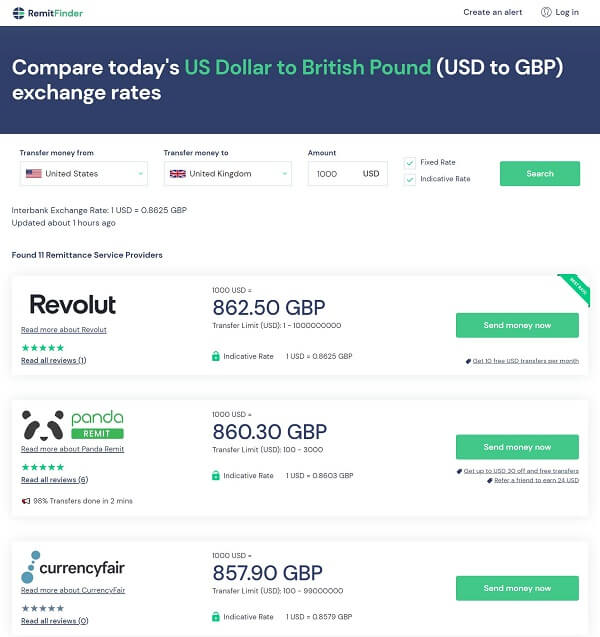
Before anything else, use online comparison tools or visit the websites of 2-3 top providers (e.g., Wise, Remitly, Xoom, OFX) to compare their current exchange rates and fees for your specific transfer amount. This will give you the most accurate picture of how much the recipient will receive.
Registration and Verification
Once you’ve chosen a provider, you’ll need to create an account. This typically involves:
- Providing your email address and creating a password.
- Entering personal details: full name, address, date of birth, and contact information.
- Identity Verification (KYC – Know Your Customer): This is a mandatory step for financial institutions to comply with anti-money laundering (AML) regulations. You’ll usually need to upload a photo of your government-issued ID (e.g., passport or driver’s license) and sometimes proof of address. This process can take a few minutes to a few hours for initial setup but is usually a one-time requirement.
Initiating Your Transfer
Log in to your account and select “Send Money” or “New Transfer.”
- Specify Sender and Recipient Countries: US to UK.
- Enter Amount: Input the amount you wish to send in USD or the amount you want the recipient to receive in GBP. The service will instantly show you the conversion, fees, and the total amount the recipient will get.
- Select Delivery Method: For US to UK, this will almost always be a bank deposit.
Funding Your Transfer
Choose how you want to pay for your transfer from your US account:
- Bank Debit (ACH): Usually the cheapest option but can take 1-3 business days to clear.
- Debit Card: Faster than ACH (often instant or within minutes) but might incur a small processing fee.
- Credit Card: Offers speed but often comes with higher processing fees (cash advance fees from your credit card issuer might also apply).
- Wire Transfer: Fastest way to fund for large amounts, but your bank will charge a fee.
Recipient Details and Confirmation
Carefully enter the recipient’s details for their UK bank account:
- Full Name: As it appears on their bank account.
- Bank Name: The name of their UK bank.
- Sort Code: A six-digit number that identifies the bank and branch (similar to a US routing number).
- Account Number: An eight-digit number unique to their account.
- SWIFT/BIC Code (sometimes required): An international bank identifier.
- Recipient’s Address: Required for compliance.
Double-check all details to avoid delays or misdirected funds. Once confirmed, review the summary of your transfer – amount, fees, exchange rate, and estimated arrival time – then authorize the transaction. You’ll receive a confirmation and usually a tracking number to monitor the transfer’s progress.
Smart Strategies for Maximizing Your Transfer Value
Beyond choosing the right provider, employing a few smart strategies can significantly enhance the value of your international money transfers.
Always Compare Exchange Rates in Real-Time
Exchange rates fluctuate constantly. Before every transfer, take a few minutes to compare the live rates from your chosen providers. Even a small difference in the exchange rate can amount to significant savings or losses on larger sums. Use dedicated comparison websites or check directly with 2-3 top services.
Beware of Hidden Fees and Margins
Don’t just look at the advertised transfer fee. Focus on the total cost, which includes the fee plus any markup on the exchange rate. The most transparent providers will show you exactly what the mid-market rate is and how much margin they are taking, or they’ll simply give you a “guaranteed rate” and a clear breakdown of the fee. Always verify the total amount the recipient will receive.
Timing Your Transfer for Favorable Rates
If your transfer isn’t urgent, monitoring exchange rate trends can save you money. Currencies react to economic news, political events, and market sentiment. For example, if the US dollar is strengthening against the British pound, you might get more GBP for your USD. Some services offer “rate alerts” that notify you when your desired exchange rate is met.
Utilizing Promotional Offers and First-Time Discounts
Many online transfer services offer enticing promotions for new customers, such as zero-fee first transfers or improved exchange rates for a limited period. If you send money infrequently or are trying a new service, take advantage of these offers. However, always read the terms and conditions to understand any limits or subsequent fees.
Ensuring Security and Compliance in Cross-Border Payments
The integrity and security of your financial transactions are non-negotiable. Understanding the regulatory framework and taking personal precautions are vital.
Choosing Regulated and Licensed Providers
As mentioned, always opt for services regulated by relevant financial authorities. In the US, this is typically state licensing and federal oversight by FinCEN. In the UK, it’s the Financial Conduct Authority (FCA). These regulations mandate strict operational standards, client fund segregation (meaning your money is kept separate from the company’s operating funds), and robust dispute resolution mechanisms. This regulatory oversight provides a layer of protection against fraud and insolvency.
Protecting Your Personal and Financial Information
Never share your account passwords, PINs, or sensitive verification codes with anyone. Be wary of unsolicited emails or calls asking for personal financial information, as these could be phishing attempts. Use strong, unique passwords for your transfer accounts and enable two-factor authentication (2FA) wherever possible. Always use secure, private internet connections when conducting financial transactions, avoiding public Wi-Fi networks for sensitive tasks.
Understanding Anti-Money Laundering (AML) Regulations
Financial institutions are legally obligated to prevent money laundering and terrorist financing. This is why you undergo identity verification (KYC) and why larger or frequent transfers might trigger additional scrutiny or requests for further documentation about the source of funds or purpose of the transfer. While these measures can seem intrusive, they are crucial for maintaining the integrity of the global financial system and protecting consumers from illicit activities. Cooperating with these requests ensures smooth and compliant transactions.
Conclusion
Sending money from the US to the UK no longer needs to be a complex or overly expensive endeavor. The proliferation of online money transfer services has made the process faster, more transparent, and significantly more affordable than ever before. By carefully considering exchange rates, understanding fee structures, prioritizing security, and choosing a regulated provider that aligns with your specific needs for speed and cost, you can navigate international remittances with confidence.
Whether you’re making a one-off payment or regular transfers, taking the time to compare services like Wise, Remitly, Xoom, and OFX will ensure you get the best value for your money. Leverage comparison tools, monitor exchange rates, and embrace the digital convenience offered by these innovative financial tools to ensure your funds reach their destination in the UK efficiently and securely.
aViewFromTheCave is a participant in the Amazon Services LLC Associates Program, an affiliate advertising program designed to provide a means for sites to earn advertising fees by advertising and linking to Amazon.com. Amazon, the Amazon logo, AmazonSupply, and the AmazonSupply logo are trademarks of Amazon.com, Inc. or its affiliates. As an Amazon Associate we earn affiliate commissions from qualifying purchases.