
For many individuals and businesses operating outside the traditional employer-employee relationship, understanding and managing estimated tax payments is a critical component of sound financial planning. Unlike employees who have taxes withheld from each paycheck, self-employed individuals, independent contractors, gig workers, and those with substantial income from investments, rents, or other sources often need to proactively pay taxes throughout the year. Failing to do so can lead to unwelcome surprises at tax time, including penalties. This guide delves into the nuances of estimated taxes, offering a roadmap for accurate calculation, timely payment, and strategic financial management within the Money niche.
Understanding Estimated Tax: Who Needs to Pay?
Estimated tax is the method used to pay tax on income that is not subject to withholding. This typically includes income from self-employment, interest, dividends, rent, alimony, and other miscellaneous income. The U.S. tax system operates on a “pay-as-you-go” principle, meaning taxpayers are expected to pay most of their tax liability throughout the year, rather than in one lump sum at tax filing time. For those whose income streams don’t facilitate automatic withholding, estimated payments are the primary mechanism to fulfill this obligation.
Defining Estimated Tax
In its simplest form, estimated tax is exactly what it sounds like: an estimate of the income tax, self-employment tax, and any other taxes (like alternative minimum tax) you expect to owe for the current year, paid in quarterly installments. It’s designed to ensure that the government receives a steady flow of revenue and that taxpayers don’t face an overwhelming tax bill or penalties for underpayment when they file their annual return. The concept hinges on foresight and planning, requiring taxpayers to project their income and deductions for the year ahead. This forward-looking approach is a cornerstone of responsible personal and business finance, preventing cash flow shocks and facilitating better budgeting.
Common Scenarios Requiring Estimated Tax Payments
While the concept of estimated tax applies broadly, certain financial situations almost always trigger the need for these payments. The most prominent group consists of self-employed individuals, including freelancers, independent contractors, and small business owners structured as sole proprietors, partners, or S corporation shareholders. These individuals are responsible for both income tax and self-employment tax (which covers Social Security and Medicare taxes). Beyond self-employment, individuals with significant investment income (from stocks, bonds, mutual funds), rental property income, substantial capital gains, or income from side hustles where no taxes are withheld must also consider estimated payments. Even retirees receiving taxable pension or annuity income, or those with significant taxable Social Security benefits, might find themselves needing to pay estimated taxes if their withholding (if any) is insufficient. Generally, if you expect to owe at least $1,000 in tax for the year (or $500 for corporations), estimated tax payments are likely required.
The Rationale Behind Estimated Tax
The “pay-as-you-go” system isn’t just a convenience for the government; it serves a vital role in economic stability and individual financial discipline. By requiring taxes to be paid throughout the year, it smooths out revenue streams for public services and prevents large fluctuations. For taxpayers, it encourages regular financial assessment and budgeting. Imagine facing a $10,000 tax bill on April 15th with no prior payments – it could be devastating. Estimated payments distribute this burden, making tax obligations more manageable and less likely to disrupt personal or business finances. It also aligns with the fundamental principle of taxation: those who earn should contribute consistently. From a personal finance perspective, integrating estimated tax payments into one’s regular budgeting is a hallmark of sophisticated money management, ensuring that cash flow remains stable and unexpected tax liabilities are minimized.
Calculating Your Estimated Tax Liability
Accurately calculating your estimated tax is the most challenging, yet crucial, step in the process. It requires a realistic projection of your income, expenses, deductions, and credits for the entire tax year. While it might seem daunting to predict future earnings, especially for those with variable income, various tools and strategies can help make these projections as precise as possible, ensuring you pay enough without overpaying significantly.
Estimating Your Income and Deductions
The foundation of your estimated tax calculation is an informed forecast of your annual taxable income. Start by reviewing your previous year’s tax return; it provides a valuable baseline. Then, project your gross income from all sources for the current year. For self-employed individuals, this means estimating gross receipts from clients or sales. Factor in any anticipated changes: new contracts, business growth, investment gains, or significant life events like marriage or a new child that could impact income or deductions. Next, estimate your deductions and credits. This includes standard deductions or itemized deductions, business expenses, retirement contributions, and any tax credits you anticipate qualifying for (e.g., child tax credit, education credits). The goal is to arrive at a reasonable estimate of your adjusted gross income (AGI) and then your taxable income, which will be subject to the appropriate tax rates. Be conservative in your income estimates and generous in your deduction estimates to avoid underpayment.
Utilizing Form 1040-ES
The IRS provides Form 1040-ES, Estimated Tax for Individuals, specifically to guide taxpayers through this calculation process. This form includes a worksheet that helps you figure out your estimated tax for the year. It walks you through estimating your adjusted gross income, deductions, credits, and ultimately, your total estimated tax. The worksheet also helps you determine if you expect to owe at least $1,000 in tax, which is the general threshold for needing to make estimated payments. While you don’t file Form 1040-ES itself, using its worksheet is highly recommended as it mirrors the logic the IRS uses to assess your annual tax liability. It also provides the payment vouchers to be submitted with mail payments, although online payment is increasingly popular. Regularly reviewing and updating your 1040-ES worksheet throughout the year, especially if your income or deductions change significantly, is a best practice.
Adjusting for Life Changes and Unexpected Income
Life is unpredictable, and so can be income and expenses. A new client, a successful investment sale, a significant medical expense, or even a change in family status can drastically alter your tax picture. It’s crucial not to set your estimated payments in stone at the beginning of the year. Instead, view them as dynamic estimates that should be revisited and adjusted as your financial situation evolves. If you experience a windfall, anticipate higher earnings, or realize a substantial capital gain, you should increase your subsequent estimated payments to cover the additional tax liability. Conversely, if your income drops or you incur significant deductible expenses, you might be able to reduce future payments. The goal is to make your estimated payments as accurate as possible by year-end, minimizing both underpayment penalties and unnecessary overpayments that tie up your cash. This proactive adjustment strategy is a cornerstone of intelligent financial management, particularly for those with fluctuating income.
Methods and Deadlines for Paying Estimated Tax
Once you’ve calculated your estimated tax liability, the next step is to make your payments on time and through accepted channels. The IRS has a specific quarterly schedule for these payments, and understanding these deadlines is paramount to avoiding penalties. Fortunately, several convenient payment methods are available, catering to different preferences.
Accepted Payment Methods

The IRS offers multiple secure and efficient ways to pay your estimated taxes. The most recommended method for speed and convenience is electronic payment. This can be done directly from your bank account through IRS Direct Pay, which is free and offers confirmation emails. Another popular option is using the Electronic Federal Tax Payment System (EFTPS), a secure government-run service that requires enrollment but allows you to schedule payments up to 365 days in advance. Many tax software programs also facilitate electronic estimated tax payments directly. If you prefer traditional methods, you can pay by mail using a check or money order along with a payment voucher from Form 1040-ES. While less common, payment by debit or credit card is also an option, though third-party processing fees typically apply. Choosing an electronic method provides instant record-keeping and reduces the risk of lost mail, aligning with modern financial management practices.
The Quarterly Payment Schedule
Estimated taxes are not paid once a year; they are due in four installments throughout the tax year. These quarterly due dates are critical to mark on your calendar:
- Payment 1: For income earned January 1 to March 31, due April 15 of the current tax year.
- Payment 2: For income earned April 1 to May 31, due June 15 of the current tax year.
- Payment 3: For income earned June 1 to August 31, due September 15 of the current tax year.
- Payment 4: For income earned September 1 to December 31, due January 15 of the following tax year.
If any of these dates fall on a weekend or holiday, the deadline shifts to the next business day. It’s important to note that these payments are for the current tax year, not the previous one. Missing a deadline can result in underpayment penalties, even if you eventually pay the full amount due. Therefore, setting reminders and automating payments where possible is a smart financial strategy.
Special Rules and Exceptions
While the standard quarterly schedule applies to most, there are a few important exceptions and special rules. Farmers and fishermen, for example, have a single estimated tax payment due date of January 15 of the following year if they meet specific income thresholds, or they can pay their entire tax by March 1 of the following year and avoid estimated tax altogether. Another significant exception applies if you receive most of your income late in the year. In such cases, you might be able to pay the estimated tax for that income by January 15 of the following year without penalty, rather than retrospectively adjusting earlier payments. Taxpayers residing in a federally declared disaster area may also be granted extensions for their estimated tax payments. Furthermore, if your estimated tax liability changes significantly during the year, you don’t necessarily have to adjust all remaining payments proportionally; you can refigure your estimated tax for the period and pay the appropriate amount for each subsequent installment. Understanding these nuances can help optimize your payment schedule and minimize potential issues.
Avoiding Penalties: The Importance of Accuracy and Timeliness
One of the primary motivations for correctly calculating and paying estimated taxes is to avoid the dreaded underpayment penalty. The IRS charges a penalty if you don’t pay enough tax throughout the year, whether through withholding or estimated payments. Navigating these rules efficiently is key to maintaining financial health and preventing unnecessary costs.
Understanding Underpayment Penalties
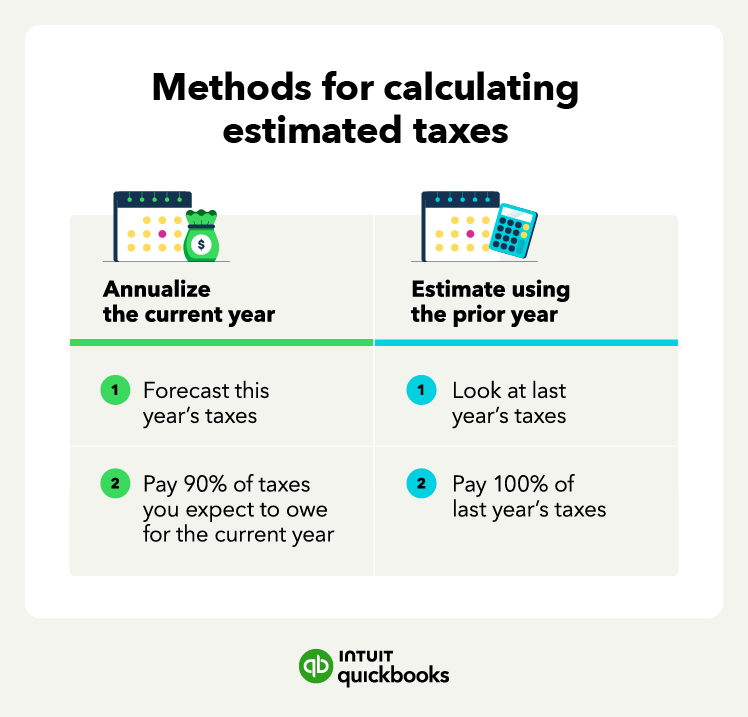
The underpayment penalty is essentially interest charged by the IRS on the amount of tax you should have paid but didn’t, by each due date. This penalty applies if your total tax payments for the year (including withholding and estimated payments) are less than 90% of the tax shown on your current year’s return, or 100% of the tax shown on your previous year’s return (110% if your AGI was over $150,000 in the prior year), whichever amount is smaller. This “safe harbor” rule is crucial for planning. The penalty rate can vary, as it’s tied to the federal short-term interest rate plus three percentage points. It’s applied to the underpaid amount for the period it was unpaid. For example, if you underpaid your April 15th installment, the penalty will accrue from that date until the date you pay the full amount or the actual tax return due date, whichever is earlier. Understanding this mechanism underscores the importance of both accuracy in estimation and punctuality in payment.
Strategies to Mitigate Penalties
Several strategies can help taxpayers avoid or minimize underpayment penalties. The most straightforward is to ensure your estimated payments meet one of the safe harbor thresholds mentioned above. If your income is stable, simply paying 100% (or 110%) of your prior year’s tax liability through estimated payments is often the easiest route. For those with variable income, the annualized income method can be beneficial. This method allows you to calculate your estimated tax based on your income as it’s earned throughout the year, rather than assuming it’s earned evenly. If your income is heavily weighted towards the end of the year, this method can help you avoid penalties for early underpayments. Another common strategy for individuals who also have W-2 income is to adjust their withholding. You can increase the amount of tax withheld from your W-2 paycheck to cover any estimated tax shortfall from other income sources, effectively making your “estimated tax payments” through increased withholding, which is considered paid evenly throughout the year for penalty purposes, regardless of when it’s actually withheld.
When to Revisit Your Estimates
Regularly reviewing your financial situation is paramount to staying on top of estimated taxes and avoiding penalties. It’s not enough to make an estimate in January and forget about it. Ideally, you should revisit your income and expense projections before each quarterly payment deadline. Significant life events such as marriage, divorce, birth of a child, a new job, starting a new business venture, or receiving a large inheritance or bonus all warrant a re-evaluation. Similarly, major financial events like selling a property, realizing substantial capital gains or losses, or experiencing a significant change in business profitability should trigger an immediate review. By proactively adjusting your estimated payments to reflect these changes, you can ensure you’re meeting your tax obligations throughout the year, accurately covering your liability, and preventing surprises or penalties at tax time. This continuous monitoring and adjustment is a hallmark of sophisticated personal and business finance management.
Leveraging Tools and Professional Advice for Estimated Tax Management
While the principles of estimated tax are clear, the actual process can be complex, especially for those with multiple income streams or significant financial changes throughout the year. Fortunately, a range of resources, from digital tools to expert advice, can simplify this process and help ensure compliance and financial peace of mind.
Digital Tools and Software for Tax Planning
The advent of financial technology has revolutionized how individuals and businesses manage their tax obligations. Various accounting and tax software solutions can greatly assist with estimated tax planning. Many personal finance apps and business accounting platforms (like QuickBooks, Xero, or even sophisticated spreadsheets) allow you to track income and expenses in real-time, providing a clearer picture of your profitability and thus your projected tax liability. Tax preparation software, such as TurboTax, H&R Block, or TaxAct, often includes estimated tax worksheets and calculators that can project your tax burden based on your inputted income and deductions, and even generate payment vouchers or link directly to IRS payment portals. Some even offer features that automatically remind you of upcoming payment deadlines. Leveraging these digital tools can significantly reduce the manual effort and potential for error in calculating and tracking your estimated tax, making it a more streamlined and less stressful part of your financial routine.
The Value of a Tax Professional
For many, particularly those with complex financial situations, fluctuating income, or simply a desire for professional assurance, consulting a tax professional is an invaluable investment. Certified Public Accountants (CPAs), Enrolled Agents (EAs), or other qualified tax advisors can offer personalized guidance on estimated tax calculations, ensure you’re taking advantage of all eligible deductions and credits, and help you strategize to minimize your tax burden legally. They can also advise on the most appropriate safe harbor rules for your situation, help you navigate the annualized income method, and even represent you if you face IRS inquiries. A good tax professional doesn’t just prepare your taxes; they provide year-round financial planning advice that integrates estimated tax payments into your broader financial strategy, saving you time, reducing stress, and potentially saving you money by avoiding penalties or overpayments. Their expertise can be particularly beneficial when starting a new business, experiencing significant income changes, or dealing with complex investment portfolios.

Integrating Estimated Tax into Your Overall Financial Plan
Paying estimated tax shouldn’t be seen as an isolated, burdensome task, but rather as an integral part of your overall financial management strategy. For self-employed individuals and business owners, it’s crucial to factor estimated tax payments into your regular budgeting and cash flow forecasting. Setting aside a percentage of every payment or invoice received specifically for taxes is a common and effective strategy. Many open a separate savings account designated solely for tax money, treating it as an automatic expense that needs to be funded consistently. This approach prevents the scramble for funds when quarterly payments are due and ensures that your operating capital isn’t unexpectedly depleted. By consistently monitoring your income, regularly updating your tax estimates, utilizing available tools, and seeking professional advice when needed, you transform estimated tax from a potential financial headache into a routine, manageable aspect of your financial well-being. This proactive and integrated approach is fundamental to sound money management and achieving long-term financial stability.
aViewFromTheCave is a participant in the Amazon Services LLC Associates Program, an affiliate advertising program designed to provide a means for sites to earn advertising fees by advertising and linking to Amazon.com. Amazon, the Amazon logo, AmazonSupply, and the AmazonSupply logo are trademarks of Amazon.com, Inc. or its affiliates. As an Amazon Associate we earn affiliate commissions from qualifying purchases.