
Paying your taxes is an annual obligation, and for many, it often involves a straightforward transfer from a bank account or a mailed check. However, in an increasingly digital world, the option to use a credit card for tax payments has gained traction, offering a blend of convenience and strategic financial maneuvering for taxpayers. While it might seem counterintuitive to pay an obligation with a debt instrument, understanding the nuances—the “how,” “why,” and “when”—is crucial for making an informed decision that aligns with your financial goals, not against them. This guide delves into the mechanisms, benefits, costs, and strategic considerations involved in using a credit card to settle your tax liability with the Internal Revenue Service (IRS), strictly within the realm of personal and business finance.
The Strategic Allure: Why Consider a Credit Card for Taxes?
At first glance, the idea of paying taxes with a credit card might raise eyebrows, primarily due to the associated fees and potential for interest accumulation. However, for a discerning individual or business, this method can unlock several strategic advantages, transforming a mere payment into a financial opportunity or a crucial stopgap. The decision often hinges on a careful analysis of one’s financial position, the specific credit card terms, and the immediate need.
Earning Rewards, Miles, and Cash Back
One of the most compelling reasons for taxpayers to opt for credit card payments is the potential to earn rewards. Many credit cards offer lucrative sign-up bonuses, ongoing cash back, travel miles, or points that can be redeemed for various benefits. A substantial tax payment can significantly contribute towards meeting minimum spending requirements for a sign-up bonus, or simply rack up a considerable amount of rewards that can outweigh the processing fee. For high-income earners or businesses with substantial tax liabilities, the aggregate rewards can be quite significant, effectively reducing the net cost of the tax payment. This strategy is particularly appealing to those who meticulously manage their credit cards and regularly maximize their reward potential, turning a necessary expense into an asset-building activity.
Gaining Financial Flexibility and Extending Payment Timelines
Credit card payments offer an immediate injection of flexibility into one’s personal or business finance strategy. If a tax bill arrives at an inconvenient time—perhaps coinciding with another major expense, an unexpected emergency, or a temporary cash flow crunch—using a credit card can provide immediate relief. Instead of draining a bank account or delaying other critical payments, the tax liability can be shifted to the credit card. This doesn’t eliminate the obligation but rather shifts the payment timeline, allowing the taxpayer to manage their immediate cash flow more effectively. For businesses, this flexibility can be vital in maintaining operational liquidity, ensuring that critical investments or payroll are not jeopardized by an impending tax deadline. It essentially acts as a short-term, interest-bearing loan that can be paid off according to the credit card’s billing cycle.
Bridging Short-Term Cash Gaps
Sometimes, a taxpayer might know that funds are forthcoming—perhaps a large invoice payment is due next month, a bonus is on the horizon, or an investment is about to mature—but they need to meet a tax deadline now. In such scenarios, a credit card can serve as an invaluable bridge. It allows the individual or business to pay their taxes on time, avoiding late payment penalties and interest from the IRS, while waiting for expected funds to materialize. The key here is certainty: knowing exactly when and how the credit card balance will be paid off to avoid high-interest charges. This tactical use of credit demonstrates financial foresight, preventing a short-term liquidity issue from escalating into long-term problems with tax authorities.
The Official Channels: How to Process Your Tax Payment
The IRS does not directly accept credit card payments. Instead, it relies on a network of authorized third-party payment processors. Understanding this process, selecting the right processor, and knowing what information you’ll need are crucial steps to ensure your payment is successfully credited to your account without hitches. This system is designed to streamline the payment process while ensuring data security and regulatory compliance.
Understanding IRS-Approved Payment Processors
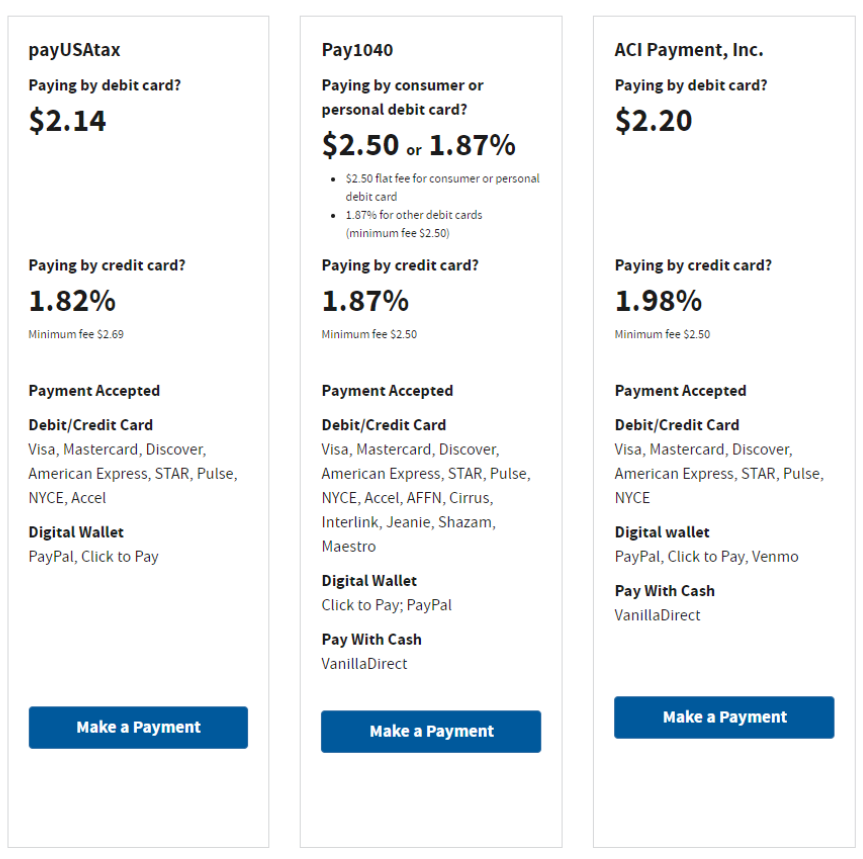
To maintain security and ensure proper accounting, the IRS partners with several private companies that are authorized to accept tax payments on its behalf. These processors act as intermediaries, handling the transaction, charging a convenience fee, and then remitting the funds to the U.S. Treasury. The IRS lists these approved processors on its website (IRS.gov), and it’s imperative to use only these official channels. Currently, popular options include PayUSAtax, Official Payments, and ACI Payments, Inc. (formerly Official Payments). Each processor may have slightly different fee structures, user interfaces, and customer support, so it’s worth comparing them before making a choice. Using an unauthorized service risks your payment not being credited and potentially exposing your financial information to fraud.
Step-by-Step Guide to Making a Payment
The process of paying taxes via an approved credit card processor is generally straightforward:
- Visit the IRS Website: Navigate to the “Payments” section of IRS.gov to find the list of authorized payment processors.
- Choose a Processor: Select one of the listed processors based on your preference (e.g., fee structure, prior experience).
- Initiate Payment: Click through to the chosen processor’s website. You will be prompted to select the type of payment (e.g., Form 1040, estimated tax, business tax), the tax year, and the payment amount.
- Enter Personal/Business Information: Provide your taxpayer identification number (TIN) or Employer Identification Number (EIN), name, address, and other identifying details as requested. Ensure this information matches what’s on your tax return.
- Enter Credit Card Details: Input your credit card number, expiration date, security code (CVV), and billing address.
- Review and Confirm: Carefully review all details, including the payment amount and the convenience fee. This is your last chance to catch any errors.
- Submit Payment: Once confirmed, submit the payment. You will typically receive a confirmation number via email, which you should save for your records. This confirmation is proof that you initiated the payment.
Types of Taxes You Can Pay
Credit card payments are not just for annual income tax returns (Form 1040). The IRS-authorized processors generally allow you to pay a wide range of federal taxes, including:
- Individual Income Tax (Form 1040 series): Including current year tax, prior year tax, and amended returns.
- Estimated Tax Payments (Form 1040-ES): For self-employed individuals and those with other income not subject to withholding.
- Employer Taxes (Form 940, 941, 943, 944): Federal unemployment tax and various employer’s quarterly federal tax returns.
- Estate and Gift Taxes (Form 706, 709): Specific taxes related to inheritances and gifts.
- Excise Taxes (Form 2290, 720, etc.): Taxes on certain goods and services.
- Installment Agreement Payments: If you have an existing payment plan with the IRS.
Always verify with the specific payment processor which tax forms and types of payments they accept, as their offerings can vary slightly.
Weighing the Costs: Convenience Fees and Interest
While the strategic benefits of paying taxes with a credit card are appealing, they come at a price. Understanding and meticulously calculating these costs—the convenience fees charged by processors and the potential interest charged by your credit card issuer—is paramount to determining if this payment method is financially sound for your situation. Without this critical assessment, a seemingly smart financial move could quickly become an expensive mistake.
Demystifying Convenience Fees
The IRS does not absorb the cost of credit card processing. Instead, the third-party processors charge a “convenience fee” for their service. This fee is typically a percentage of the total payment amount, ranging from approximately 1.87% to 2.29%, though some may have a flat minimum fee for smaller transactions. It’s crucial to note that this fee is non-refundable, even if you later amend your return and receive a refund from the IRS. For example, a $5,000 tax payment could incur a convenience fee of around $90 to $115. When considering earning rewards, you must calculate if the value of the rewards earned outweighs this processing fee. Only if the rewards provide a net positive outcome after accounting for the fee does this strategy truly make financial sense.
The Peril of Credit Card Interest

The convenience fee is just one part of the cost equation. The potentially larger and more insidious cost is the interest charged by your credit card issuer. If you carry a balance on your credit card beyond the grace period (typically 21-25 days from the statement date), you will start accruing interest on that balance. Credit card interest rates, often referred to as Annual Percentage Rates (APRs), can be notoriously high, often ranging from 15% to over 25%. Carrying a large tax payment balance at these rates, even for a few months, can quickly erode any potential rewards or convenience gained from using the card. This makes paying off the entire tax payment balance before interest accrues an absolute imperative for anyone considering this method. Failing to do so can transform a strategic move into a costly financial burden.
Calculating the True Cost
Before committing to a credit card payment, perform a clear, objective calculation of the true cost.
Total Cost = Convenience Fee + (Credit Card Balance * APR / 365 * Number of Days Carried)
Let’s assume a $5,000 tax bill:
- Convenience Fee: Let’s say 2% = $100.
- Scenario 1: Paid in Full Before Interest: Your total cost is just the $100 convenience fee. If your credit card offers 2% cash back, you’ve essentially broken even, with the added benefit of flexibility. If it’s a signup bonus for $500, you’ve made a significant gain.
- Scenario 2: Carried for 3 months at 20% APR:
- Interest on $5,000 for 3 months: ($5,000 * 0.20 / 12) * 3 = $250.
- Total Cost = $100 (convenience fee) + $250 (interest) = $350.
- In this scenario, you’ve paid $350 simply for the privilege of deferring the payment, significantly outweighing most reward benefits.
This calculation underscores that paying off the balance quickly is not just recommended, but financially essential, especially if you do not have an introductory 0% APR offer.
Strategic Considerations Before You Swipe
Deciding whether to pay your taxes with a credit card requires more than just understanding the mechanics and costs; it demands a strategic assessment of your personal financial situation and goals. This involves knowing when it makes financial sense, exploring alternative payment methods, and adopting best practices to protect your financial health.
When Paying with a Credit Card Makes Sense
Using a credit card for tax payments is most advantageous in specific circumstances:
- Meeting a Minimum Spending Requirement for a Sign-up Bonus: If a new credit card offers a substantial bonus for spending a certain amount within a few months, a large tax payment can be an efficient way to meet that threshold, provided the value of the bonus significantly exceeds the convenience fee.
- 0% APR Introductory Offers: If you have access to a credit card with an introductory 0% APR period, paying your taxes with it can offer a free, short-term loan. This allows you to spread out the payment over several months without incurring interest, giving you valuable breathing room. However, ensure you can pay off the full balance before the promotional period ends.
- Emergency Cash Flow Management: As discussed, if you face a temporary cash crunch and need to meet a tax deadline to avoid IRS penalties, a credit card can be a lifeline. This should be a last resort, used only when you have a clear plan to pay off the balance quickly.
- High-Value Rewards Programs: For credit cards that offer exceptionally high rewards on all spending (e.g., 2% cash back or more, or valuable travel points), the rewards earned might offset or even exceed the convenience fee, resulting in a net gain. This requires careful calculation of the specific card’s reward rate versus the processor’s fee.
Exploring Alternatives to Credit Card Payments
It’s equally important to be aware of other payment options, especially if the credit card route doesn’t make financial sense:
- Direct Pay from Bank Account (IRS Direct Pay): This is the IRS’s free service that allows you to pay directly from your checking or savings account. It’s secure, convenient, and has no fees.
- Electronic Funds Withdrawal: If you e-file your tax return, you can authorize an electronic funds withdrawal from your bank account. This is also free.
- Debit Card: You can use a debit card through the same third-party processors as credit cards, but typically with a lower flat fee rather than a percentage fee. This avoids credit card interest but still incurs a cost.
- Check or Money Order: The traditional method of mailing a check or money order remains an option, though slower.
- Cash: The IRS accepts cash payments at participating retail partners.
- IRS Payment Plans: If you genuinely cannot afford to pay your tax bill, contact the IRS to explore options like an Offer in Compromise (OIC) or an Installment Agreement. These formal arrangements can help you avoid further penalties and legal action, though they may involve their own interest and fees.
Best Practices for Tax Payments
Regardless of the method chosen, adopting best practices ensures a smooth and financially responsible tax payment process:
- Plan Ahead: Don’t wait until the last minute. Estimate your tax liability throughout the year and save accordingly.
- Verify Information: Double-check all personal and payment information before submitting. Errors can lead to delays or misapplied payments.
- Keep Records: Always save confirmation numbers, payment dates, and amounts for your records.
- Understand Terms: Read the fine print of both the payment processor’s fees and your credit card’s terms, especially regarding APR and grace periods.
- Avoid Over-Reliance: Credit cards should not be a permanent solution for tax payment shortfalls. If you consistently struggle to pay your taxes, it signals a need for a deeper review of your financial planning and budgeting.
Protecting Your Financial Health
The ultimate goal of any financial decision, including how you pay your taxes, should be to enhance or protect your financial health. Using a credit card, while offering tactical advantages, also carries inherent risks that must be proactively managed.
Avoiding Unnecessary Debt
The most significant pitfall of paying taxes with a credit card is the accumulation of high-interest debt. If you cannot pay off the balance in full before interest accrues, the convenience fee quickly becomes insignificant compared to the mounting interest charges. This can lead to a debt spiral, impacting your credit score, limiting future financial flexibility, and creating long-term stress. Always prioritize avoiding unnecessary high-interest debt, especially for a non-discretionary expense like taxes. If there’s any doubt about your ability to pay off the balance promptly, other payment methods or an IRS payment plan are far safer alternatives.
Planning for Future Tax Payments
A recurring tax bill paid by credit card due to insufficient funds is a symptom of inadequate financial planning. To break this cycle, implement strategies for future tax seasons:
- Adjust Withholding: For employees, review and adjust your W-4 form with your employer to ensure enough tax is withheld from each paycheck.
- Make Estimated Payments: If you are self-employed or have significant income not subject to withholding, make quarterly estimated tax payments (Form 1040-ES) to avoid a large bill and potential penalties at year-end.
- Dedicated Savings Account: Create a separate savings account specifically for taxes. Regularly contribute a portion of your income to this account throughout the year.
- Budgeting and Forecasting: Incorporate tax liabilities into your overall personal or business budget. Regularly forecast your income and expenses to anticipate tax obligations.
By taking a proactive approach to tax planning, you can eliminate the need to rely on credit cards as a last resort, allowing you to use them purely for their strategic benefits when appropriate, rather than out of necessity.
In conclusion, paying the IRS with a credit card is a powerful financial tool, not a universal solution. When deployed with a clear strategy, a full understanding of the costs, and a robust plan for repayment, it can be a savvy move for earning rewards, managing cash flow, or bridging short-term gaps. However, without meticulous calculation and responsible financial habits, it can quickly become an expensive mistake, adding unnecessary debt to your balance sheet. Approach this decision with careful consideration, always prioritizing your long-term financial well-being over short-term convenience.
aViewFromTheCave is a participant in the Amazon Services LLC Associates Program, an affiliate advertising program designed to provide a means for sites to earn advertising fees by advertising and linking to Amazon.com. Amazon, the Amazon logo, AmazonSupply, and the AmazonSupply logo are trademarks of Amazon.com, Inc. or its affiliates. As an Amazon Associate we earn affiliate commissions from qualifying purchases.